AliExpress hosts millions of suppliers, but most are unreliable, overpriced, or both. The difference between a supplier who ships on time and one who disappears with your customer’s money is often just one poor evaluation.
Discover how to find and evaluate reliable AliExpress dropshipping suppliers. Learn the 8-step process, red flags to avoid, and best practices for building successful supplier relationships.
Why Choosing a Reliable Dropshipping Supplier is Matter?
Your supplier is your business partner, even if they don’t know you exist. When a customer buys from your store, you’re making a promise based entirely on your supplier’s ability to deliver.
A reliable supplier ships on time, sends quality products, and communicates clearly. Unreliable suppliers cause refunds, negative reviews, and chargebacks that damage your seller rating and profitability.
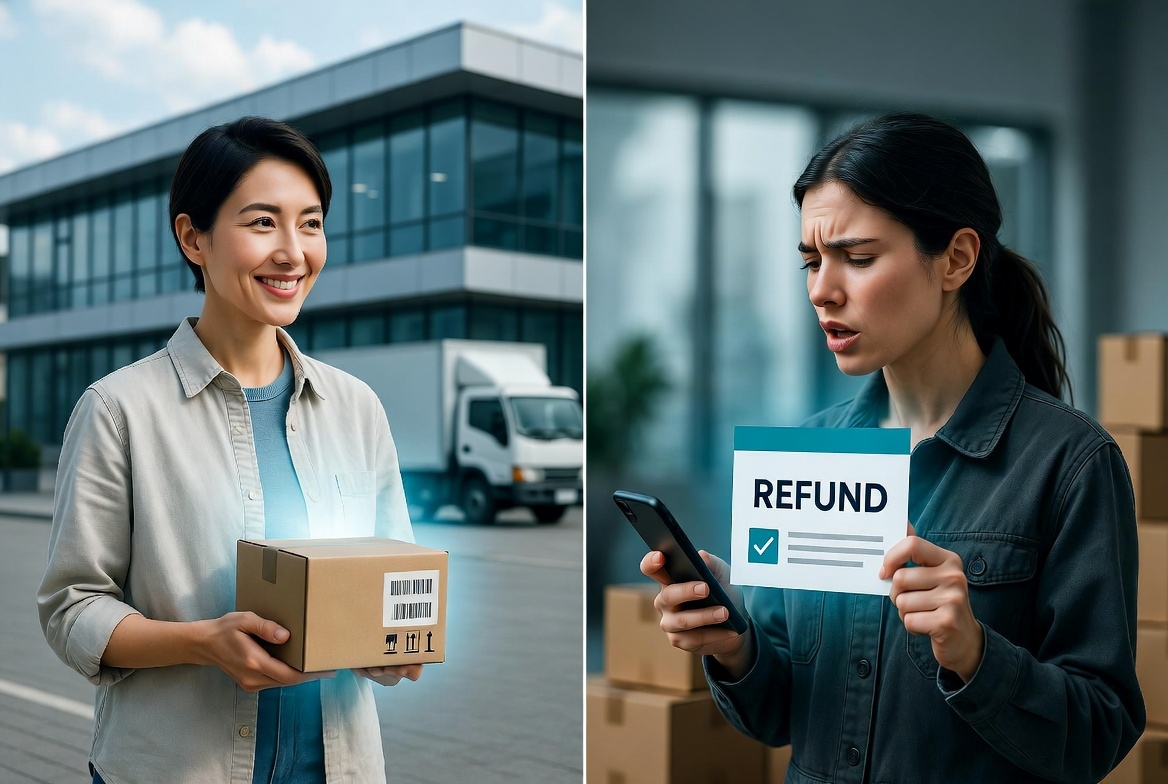
The cost of a bad supplier decision is significant. One bad supplier can generate 20 to 30 percent refund rates that tank your profitability and trigger account suspension. One good supplier generates 2 to 5 percent refunds and sustainable profit.
Investing time upfront to find good suppliers saves you thousands in refunds and operational headaches later.
8 Steps to Find the Best Suppliers on AliExpress
Step 1: Filter, Sort, and Use the Right Tools
Start by using AliExpress search filters strategically. Filter by minimum order quantity (1 piece for dropshipping), location (China-based suppliers typically), and recent shipments (this confirms active inventory).
Sort by orders, ratings, or response time depending on what matters most. High order count signals proven demand and supplier reliability. High ratings signal quality. Fast response time signals good communication.
Use the AliExpress Dropshipping Center, the official tool for product and supplier research. It provides real data on daily order volumes, growth rates, and logistics performance. This is infinitely more valuable than random browsing.
Apply smart filters: products with 500 to 1,000 orders (sweet spot of demand without saturation), ratings 4.8 stars or higher, suppliers with 2+ years history.
Step 2: Analyze Seller Profiles Like a Pro
Visit the supplier’s store page directly, not just their product listing. Look at the overall store impression. A professional store with organized categories, clear policies, and consistent branding suggests legitimate operation. Chaotic stores with no clear focus raise red flags.
Check the seller’s statistics. Look for response time (should be under 24 hours, ideally under 12). Check positive feedback percentage (should be 95%+ minimum). Look at the number of transactions (more transactions mean more proven reliability).
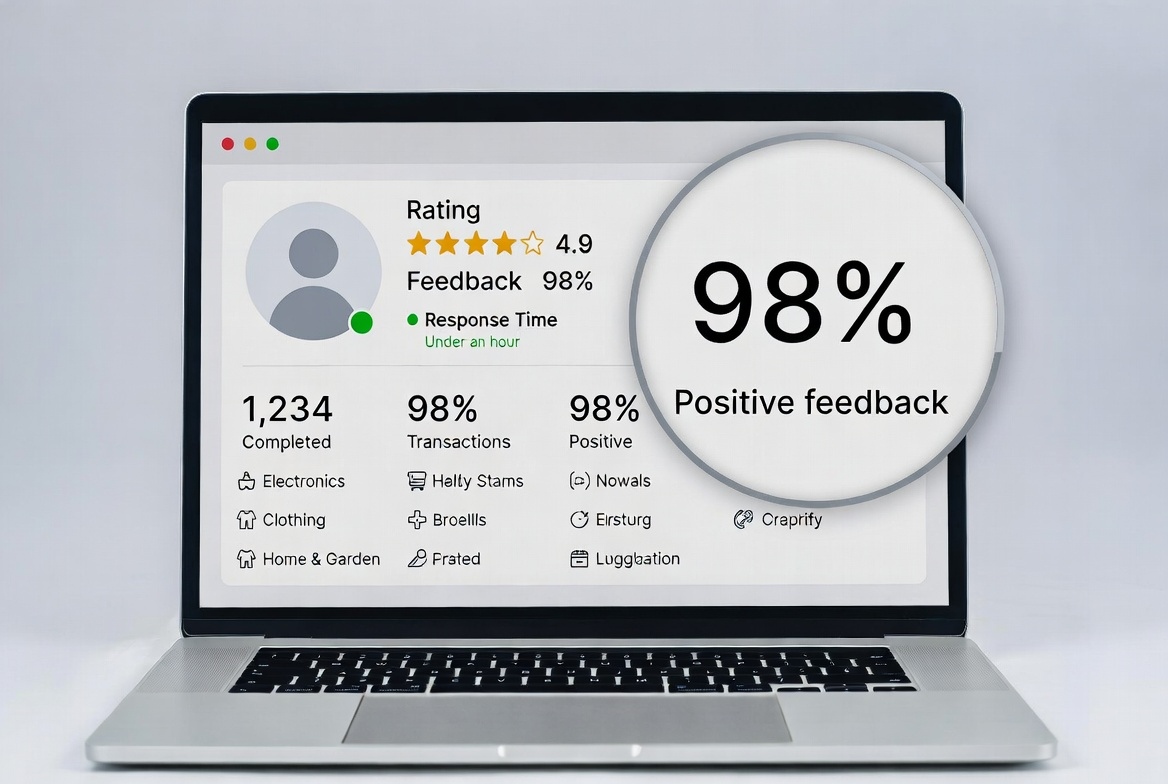
Read recent reviews from other buyers. Don’t just look at stars; read actual comments. Look for patterns in complaints. If five reviews mention “item arrived damaged,” that’s a red flag. If one review mentions damage, it’s likely an isolated incident.
Check the seller’s specialty. Some sellers specialize in electronics, others in fashion, others in gadgets. Sellers who specialize are usually more reliable than those selling random products across categories.
Step 3: Triple Check Shipping Times (And Warehouses)
Shipping time is critical for customer satisfaction. A product with 4-week shipping generates refunds. A product with 2-week shipping generates satisfied customers.
Check the product listing for shipping estimates. But don’t stop there. Click into shipping details and look for warehouse location. Some suppliers claim “free shipping” but actually use slow methods. Others offer multiple shipping options.
For dropshipping, aim for 2 to 3 week shipping times maximum. Anything longer causes customer frustration and refunds. Some suppliers offer ePacket shipping (faster, slightly more expensive) while others use standard registered mail (slower, cheapest).
Understand that shipping times are estimates, not guarantees. Build in buffer time when planning ads. If shipping is 21 days, expect customers to receive orders in 25 to 30 days.
Check if the supplier offers tracking numbers. Products with tracking reduce refund disputes because customers can see delivery progress.
Step 4: Read Reviews Like a Detective
Five-star reviews are useless. Everyone says “Great product!” Read the one- to three-star reviews instead. These reveal actual problems.
Look for patterns. Common complaints include:
- Product arrived damaged (quality issue)
- Product arrived broken or not working (quality or shipping issue)
- Product arrived late (shipping issue)
- Product doesn’t match description (misleading listing)
- Poor communication from seller (responsiveness issue)
- Wrong item sent (fulfillment error)
Isolated complaints are normal. Every supplier has some unhappy customers. Patterns indicate systemic problems. If 10% of reviews mention a specific issue, that’s a red flag worth avoiding.
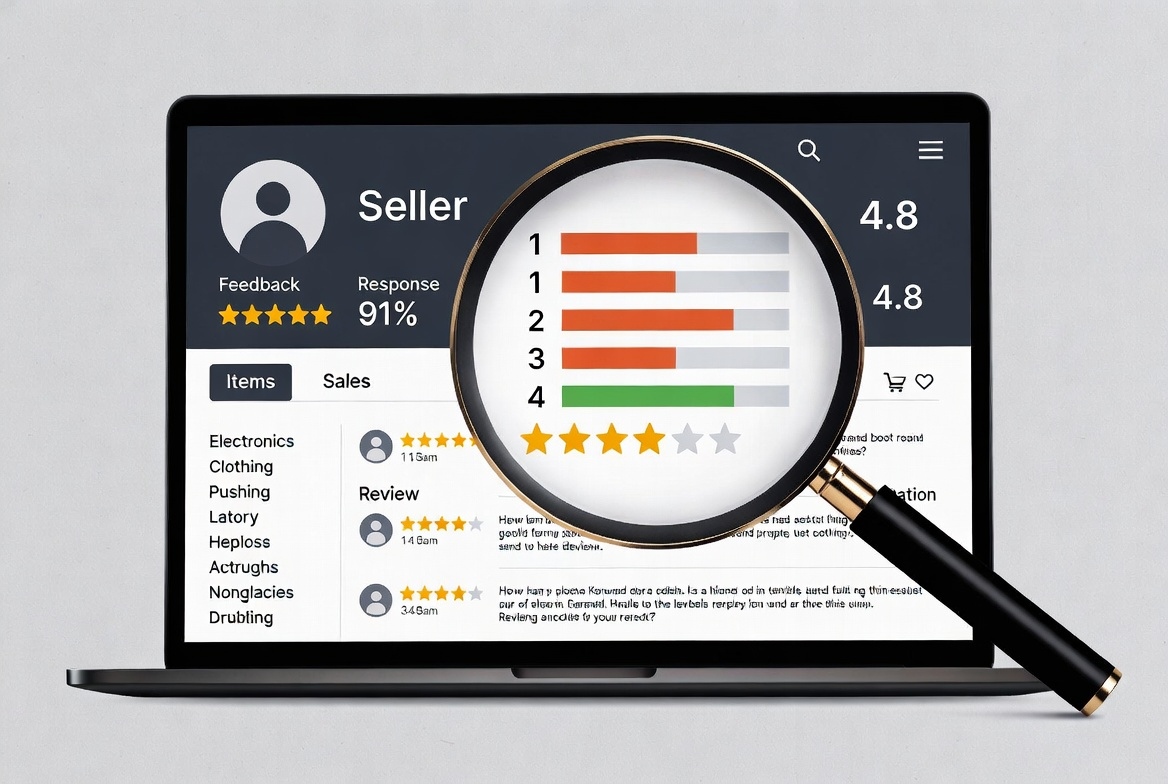
Read reviews from verified purchases. Some sellers manipulate reviews with fake positive feedback. Verified purchase badges indicate real customers.
Look for detailed reviews. A review saying “not good” is unhelpful. A review saying “arrived 6 weeks late” is useful information.
Step 5: Understand Buyer Protection and Return Policies
Every AliExpress transaction includes buyer protection, but understand what it covers. AliExpress typically covers non-delivery and significant item-not-as-described cases.
Check the seller’s return policy. Some sellers accept returns within 30 days, others within 60 days. Some offer full refunds, others offer store credit only.
For dropshipping, understand that returns will occur. If a customer returns a product to you, you must either refund them or find a replacement. Your profit only comes from orders that stay sold.
Factor return rates into your margin calculations. If 10% of customers return products, you only keep 90% of sales. A $10 profit per sale becomes $9 real profit after accounting for returns.
Step 6: Test Communication Before Committing
Send the supplier a professional message before listing their products. Ask specific questions:
- What is your minimum order quantity for bulk orders (if you scale)?
- What is your current stock level for this product?
- How long is your standard production and shipping time?
- Do you offer samples? What is the sample cost and shipping time?
- Can you offer expedited shipping? What is the additional cost?
Good suppliers respond within 24 hours with detailed answers. They’re professional, clear, and helpful. Poor suppliers ignore messages, respond with vague answers, or push high minimum orders.
A responsive supplier who answers questions thoroughly is worth the extra effort. A supplier who ignores messages will cause problems when issues arise.
Step 7: Place Sample Orders Before Selling
Order a sample from your top 2 to 3 suppliers before listing products on your store. Pay full price for the sample and shipping. This reveals real supplier performance.

Evaluate:
- Does the product match the listing description?
- Is the packaging quality acceptable?
- Does the product work as advertised?
- Does it arrive within the stated shipping time?
- What is the actual quality of the product?
- Is communication clear and professional?
Many suppliers send low-quality samples hoping to improve quality once you commit to bulk orders. Don’t assume samples represent your actual inventory. But samples do reveal whether suppliers are serious and professional.
Step 8: Build a Long-Term Relationship
Once you’ve chosen a supplier, treat them professionally. Communicate clearly, honor agreements, and pay on time. Good relationships lead to better service, faster responses to problems, and sometimes discounts.
Let your supplier know your business goals. Professional suppliers appreciate customers who communicate regularly and plan to grow together.
7 Red Flags to Look Out for When Selecting AliExpress Suppliers
Low or Misleading Feedback Scores
Anything below 4.5 stars is suspicious. Extremely high ratings (4.99+) can be manipulated. Ratings in the 4.7 to 4.9 range are usually authentic. Be skeptical of new stores with perfect ratings.
Stores With No Clear Focus
Suppliers selling random products across 50+ categories are less reliable than those specializing. Specialists understand their category deeply. Generalists spread themselves thin.
Poor Communication
If a supplier takes days to respond to messages, imagine what happens when there’s a problem. Poor communication now signals poor service later. Avoid suppliers who don’t respond quickly to inquiries.
Too-Good-to-Be-True Pricing
If a product costs 50% less than competitors, there’s usually a reason. Either quality is compromised, or the supplier is unsustainable (and might disappear). Pricing slightly below market is normal. Pricing drastically below market is suspicious.
No Clear Return or Refund Policy
Legitimate suppliers clearly state their policies. Vague policies suggest the supplier avoids responsibility.
New Stores With No Track Record
Stores established less than 6 months ago are higher risk. They haven’t proven reliability over time.
Stores Pushing High Minimum Orders
Dropshipping requires single-unit purchasing. Suppliers pushing 50+ unit minimums don’t support dropshipping. They might try to bait-and-switch once you commit.
Best Practices for Working With AliExpress Suppliers
Use the Dropshipping Center
The official AliExpress Dropshipping Center provides real data. Check daily order volumes. Aim for products with 5 to 10 percent of total orders per day (example: 1,000 daily orders from 20,000 total orders). This indicates healthy, sustainable demand.
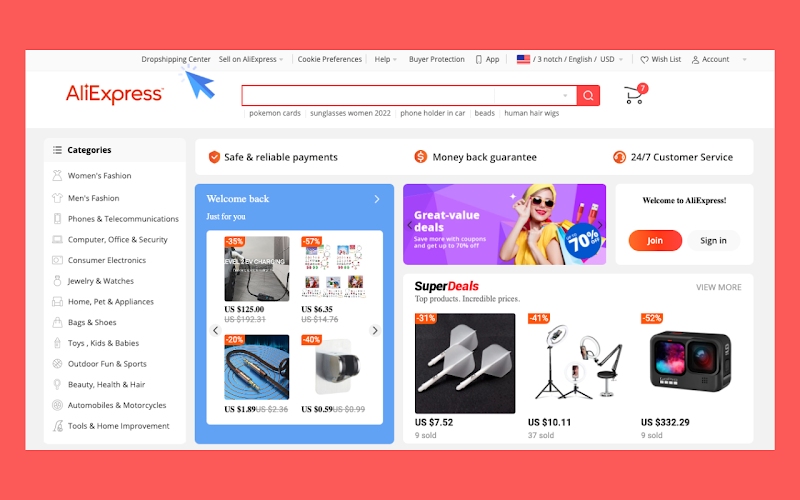
Use the Dropshipping Center to identify hot products and trending items. Filter by growth rate, orders, and ratings to shortlist candidates efficiently.
Automate Repetitive Tasks
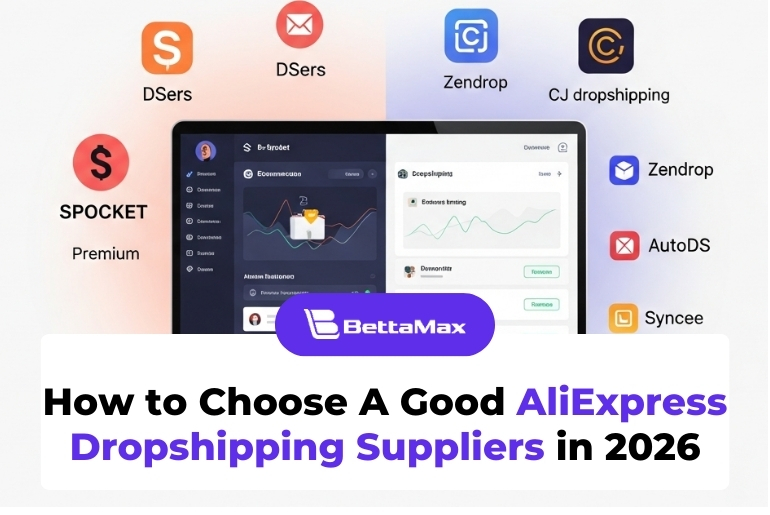
As your business grows, manual order placement becomes unsustainable. Use tools like AutoDS, DSers, or CJ Dropshipping to automate order placement between AliExpress and your store. Automation reduces errors and saves hours daily.
For platforms like Shopify, use apps that sync inventory automatically. This prevents overselling when products go out of stock on AliExpress.
Build Strong Communication Habits
Establish regular check-ins with top suppliers. Communicate about inventory levels, new products, and potential issues. Strong relationships lead to priority treatment if problems arise.
Respond promptly to supplier messages. Professional communication sets expectations for how you’ll work together.
Use Extensions and Research Tools
The AliExpress Chrome extension lets you save products and prices, track changes, and organize research. Tools like Minea and FindNiche automate supplier analysis and product research.
Google Trends helps validate demand. TikTok trending shows what’s gaining traction in your market. Cross-reference multiple data sources before committing to a supplier.
Understanding Product Selection and Supplier Viability
Choosing a good supplier starts with selecting the right product. A great supplier can’t save a bad product, but a bad supplier can ruin a great product.
Optimal Product Order Volume
Target products with 500 to 1,000 total AliExpress orders. This indicates proven demand without saturation. Products with 20,000+ orders are oversaturated by dropshippers. Products with under 100 orders are unproven.
Pricing and Margin Reality
Calculate real profit before committing. A product costing $3 on AliExpress should sell for at least $12 to $15 on your store (4x markup). This accounts for ads, fees, refunds, and profit.
Products requiring a 10x markup are too expensive to market effectively. Products accepting thin margins (1.5x markup) won’t generate sustainable profit.
Shipping Impact on Customer Experience
Free shipping improves conversion rates by 20 to 30 percent. Customers strongly prefer “free shipping” over paid shipping, even if the total price is identical.
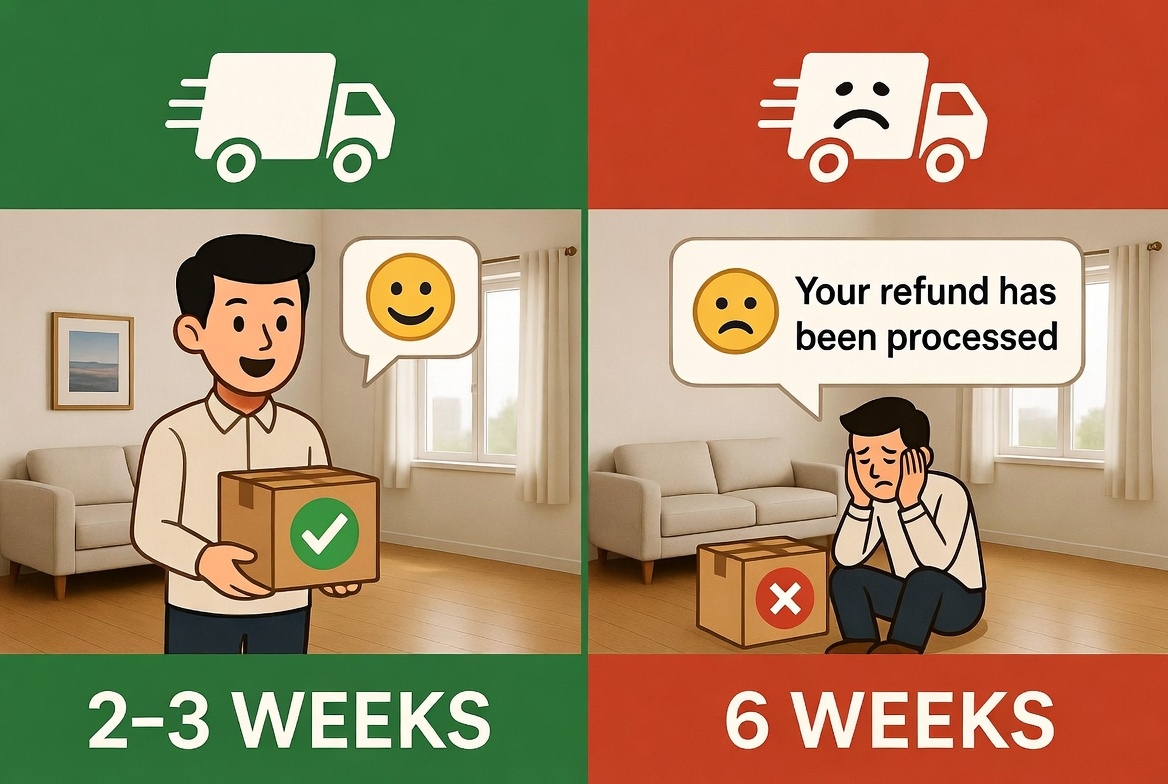
Products with 2 to 3 week shipping are acceptable. Products with 4+ weeks lose sales to faster competitors. Products with 6+ weeks generate high refund rates.
Frequently Asked Questions
How do I find reliable suppliers on AliExpress for dropshipping?
Use the AliExpress Dropshipping Center, filter by high ratings and orders, analyze seller profiles thoroughly, read reviews carefully, and test communication before committing. Order samples to verify quality before listing products.
Can I negotiate prices and shipping terms with AliExpress suppliers?
Yes. Contact suppliers directly and ask about bulk pricing, expedited shipping costs, and custom terms. Suppliers often provide discounts for wholesale volumes or long-term commitments. Professional communication increases likelihood of favorable terms.
What should I do if a product goes out of stock or is delayed on AliExpress?
Have backup suppliers for critical products. If a supplier goes out of stock, redirect customers to backup suppliers or offer refunds. Build in buffer time for supplier delays. Communicate transparently with customers about delays to prevent chargebacks.
How do I handle returns with AliExpress suppliers?
Understand the supplier’s return policy upfront. If a customer returns to you, contact the supplier about return options. Some suppliers accept returns, others don’t. Factor return rates into your profit calculations.
Do suppliers offer branded packaging for dropshipping?
Some do, especially larger suppliers. Ask suppliers directly about custom packaging options. Branded packaging improves perceived value and reduces refund rates but typically requires minimum orders.
Conclusion
Choosing a good AliExpress supplier is one of the most important decisions in your dropshipping business. Invest time in proper evaluation now to save yourself from months of customer complaints and refunds later.
The best suppliers are reliable, communicate professionally, ship on time, and maintain quality standards. Find suppliers meeting these criteria, test them thoroughly, and build long-term relationships.
Remember that a good supplier is a partner in your success. Treat them professionally, communicate clearly, and create mutually beneficial relationships.
Your business depends on supplier reliability. Take evaluation seriously, follow the steps in this guide, and you’ll build a sustainable dropshipping business with happy customers and healthy profit margins.