As ecommerce continues to evolve, customers no longer shop through a single channel. They move fluidly between websites, marketplaces, social media, mobile apps, and physical stores. To meet these expectations, retailers need a fulfillment model that connects every sales and delivery touchpoint into one seamless experience. This is where omnichannel fulfillment becomes essential.
In this guide, we explain what omnichannel fulfillment is, why omnichannel order fulfillment matters in ecommerce, the key components behind a successful strategy, how to get started, and which omnichannel fulfillment providers lead the market today.
What is omnichannel fulfillment?
Omnichannel fulfillment is a fulfillment strategy that integrates inventory, order management, and delivery operations across all sales channels: online stores, marketplaces, social commerce, and physical retail locations into a single, unified system.
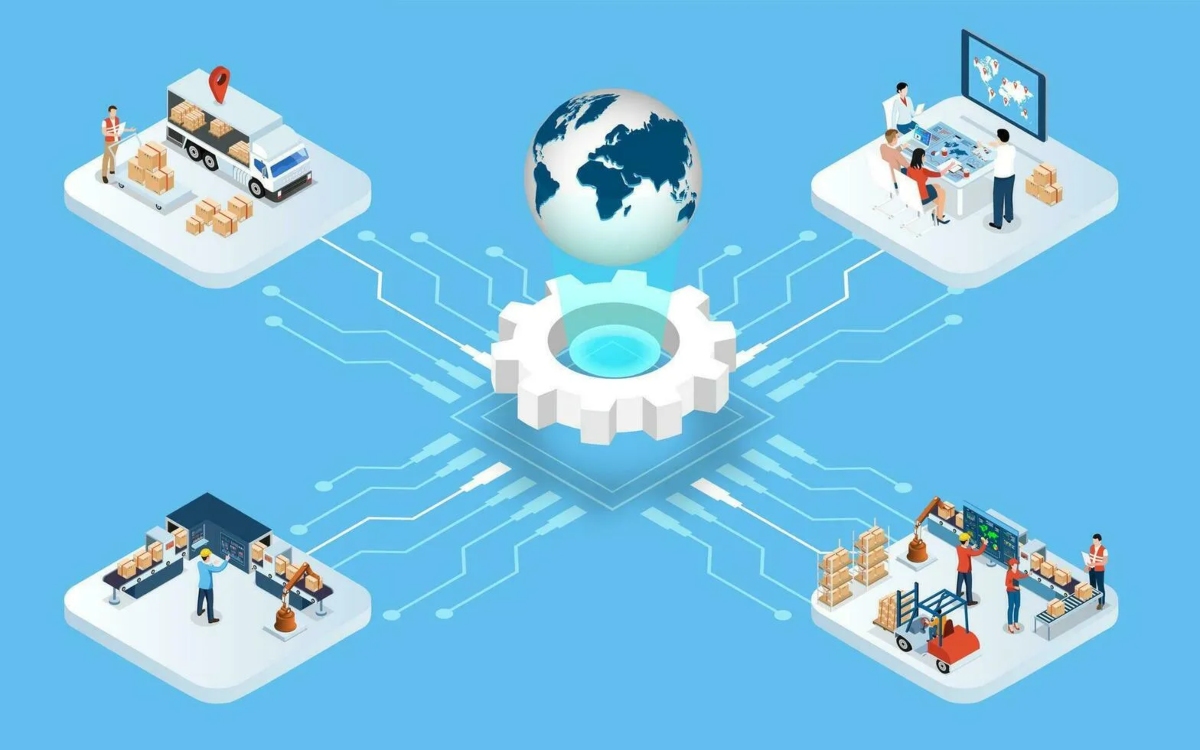
Also known as omnichannel order fulfillment, this model allows retailers to fulfill orders from the most efficient location, whether that is a warehouse, distribution center, or physical store. Customers can buy, receive, return, or exchange products across channels without friction.
To better understand this concept, consider common omnichannel fulfillment examples such as: buy online, pick up in store (BOPIS), ship-from-store, curbside pickup or purchasing in-store and having the item delivered to your home. In each case, inventory and order data flow seamlessly across systems to support the customer’s chosen journey.
Why omnichannel order fulfillment matters in ecommerce
Shoppers want convenience, speed, and flexibility. By expanding across multiple sales channels through a unified omnichannel fulfillment model, retailers can meet customers wherever they prefer to shop. This approach delivers value not only to consumers but also to businesses seeking operational resilience and growth.
Brand visibility
Omnichannel fulfillment increases brand exposure by enabling retailers to maintain a consistent presence across digital and physical channels. Instead of relying on a single storefront, brands engage customers through ecommerce sites, retail stores, social platforms, and marketplaces.

The Sill, a plant retailer, is a strong example. With physical stores across New York, a robust ecommerce operation, and an active Instagram presence with hundreds of thousands of followers, The Sill uses omnichannel fulfillment to connect every channel. Customers can access online exclusives, in-store products, and same-day delivery, strengthening brand awareness and engagement across platforms.
Operational efficiency
When inventory and order data are unified, retailers gain full visibility into fulfillment operations. This makes it easier to allocate inventory dynamically based on demand patterns.
For example, an activewear brand may discover that a specific product sells faster online than in stores. With omnichannel ecommerce fulfillment, the brand can shift inventory accordingly, reducing overstocks and minimizing missed sales opportunities.
Lulus demonstrates this approach well. While primarily an ecommerce brand, Lulus has expanded into physical retail while maintaining fully integrated systems. Its loyalty program and customer data remain consistent across online and offline experiences, enabling smarter inventory and fulfillment decisions.
Customer satisfaction
Omnichannel fulfillment gives customers control over how they shop and receive products. Some prefer home delivery, while others want to see items in-store or return online purchases at physical locations.

Warby Parker has built its brand around this flexibility. Customers can browse online, try frames at home, visit stores for adjustments, and complete purchases across channels. This seamless experience improves satisfaction, increases trust, and drives long-term loyalty.
6 components of omnichannel fulfillment
A successful omnichannel strategy relies on close coordination across the retail supply chain.
Unified inventory management
Real-time inventory visibility across warehouses, stores, and distribution centers prevents stockouts and overselling. This capability supports ship-from-store and store-to-store transfers.

Integrated technology systems
Omnichannel fulfillment depends on connected systems, including ecommerce platforms, warehouse management systems, and order management systems, all sharing data in real time.
Flexible fulfillment options
Retailers can offer delivery, pickup, curbside, and ship-from-store options, allowing customers to choose what works best for them.
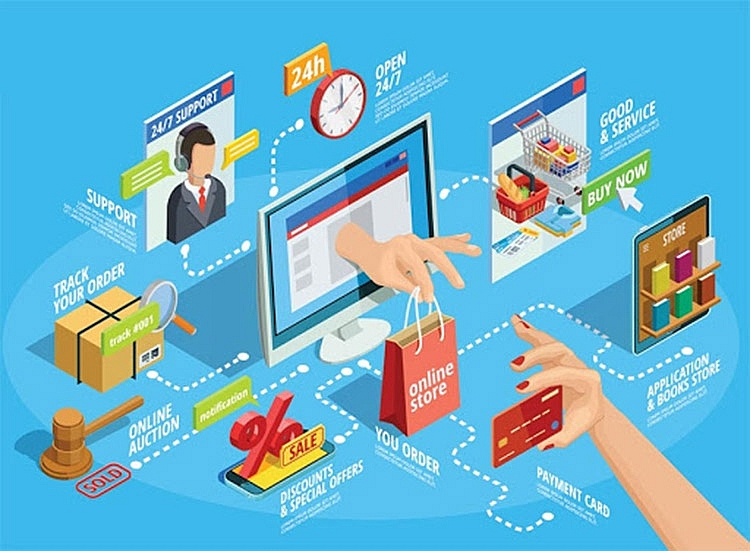
Streamlined order management
Orders from all channels flow into a centralized system, where they are prioritized, routed, and fulfilled efficiently.
Centralized customer data
Customer profiles, order history, and preferences are accessible across teams, enabling consistent service and personalization.
Simplified returns and reverse logistics
Omnichannel fulfillment supports flexible returns, such as online purchases returned in-store, improving customer experience while maintaining inventory accuracy.
5 steps to get started with omnichannel fulfillment
Implementing omnichannel fulfillment is not a one-time technical upgrade. It is a strategic transformation that aligns systems, operations, and people around a unified customer experience. Retailers that succeed typically follow a phased approach, starting with data integration and gradually expanding fulfillment capabilities.
Integrate systems for real-time visibility
The foundation of omnichannel fulfillment is real-time visibility across inventory, orders, and customer data. This requires integrating ecommerce platforms, point-of-sale systems, warehouse management systems, and order management systems into a single operational view.
When systems are connected, inventory levels update instantly across warehouses, stores, and distribution centers. This prevents overselling, reduces stockouts, and enables advanced fulfillment options such as ship-from-store or store-to-store transfers. A single source of truth also improves reporting accuracy and allows teams to make faster, data-driven decisions.
Without real-time integration, omnichannel fulfillment quickly breaks down into disconnected processes that create delays, errors and poor customer experiences.
Choose the right fulfillment model
There is no universal fulfillment model that fits every retailer. The right approach depends on order volume, geographic reach, internal capabilities, and growth plans.
Some retailers operate omnichannel fulfillment entirely in-house, maintaining full control over inventory and operations. Others outsource to a third-party logistics provider to gain access to scalable infrastructure, technology, and expertise. A hybrid model is increasingly common, where core inventory is handled by a 3PL while stores fulfill local orders.
Selecting the right model early helps retailers balance cost efficiency with flexibility as demand fluctuates across channels.
Implement smart order routing
Smart order routing ensures that each order is fulfilled from the most optimal location. Instead of defaulting to a single warehouse, omnichannel systems evaluate inventory availability, distance to the customer, shipping costs, and delivery speed in real time.
For example, an order may be shipped from a nearby store rather than a distant warehouse to reduce transit time and last-mile costs. This capability improves delivery performance while maximizing inventory utilization across the network.
Effective order routing is a key differentiator between basic multichannel fulfillment and true omnichannel execution.
Train teams across channels
Technology alone cannot deliver omnichannel fulfillment. Store associates, warehouse teams and customer support staff must understand how orders flow across channels and locations.
Training ensures that store employees can handle online pickups, returns, or ship-from-store orders correctly, while customer service teams can access accurate order and inventory information regardless of where the order originated. Clear processes and shared KPIs help maintain consistency across touchpoints.
Organizations that invest in cross-functional training reduce friction and deliver a more seamless customer experience.
Adopt flexible fulfillment strategies
Omnichannel fulfillment enables retailers to offer customers greater choice in how they receive their orders. Strategies such as buy online, pick up in store (BOPIS), curbside pickup, and ship-from-store improve convenience while reducing delivery times.
These options also help retailers leverage existing store inventory more effectively, turning physical locations into micro-fulfillment hubs. As customer preferences evolve, flexible fulfillment strategies allow businesses to adapt without restructuring their entire logistics network.
Top omnichannel fulfillment providers
Choosing the right omnichannel fulfillment provider is critical for scalability, reliability, and long-term performance. Leading providers combine distributed fulfillment networks with technology that synchronizes inventory and orders across channels.
ShipBob
ShipBob is a global omnichannel fulfillment provider that supports ecommerce, retail, and marketplace fulfillment through an integrated technology platform. Its distributed network of fulfillment centers allows retailers to position inventory closer to customers, reducing shipping times and costs. ShipBob is particularly well suited for fast-growing brands that need scalable omnichannel ecommerce fulfillment without heavy internal infrastructure investment.

GoBolt
GoBolt focuses on sustainable omnichannel fulfillment with an emphasis on last-mile delivery efficiency. The company offers fulfillment and delivery solutions designed to reduce environmental impact while maintaining fast delivery times. GoBolt is often chosen by brands that prioritize sustainability alongside operational performance.
ShipHero
ShipHero provides both fulfillment software and warehouse operations tailored for omnichannel ecommerce brands. Its technology enables real-time inventory visibility, smart order routing, and detailed analytics, making it a strong option for retailers that want more control over fulfillment workflows while scaling across channels.
Radial
Radial specializes in enterprise-level omnichannel fulfillment for large retailers with complex order volumes and global operations. Its solutions support high SKU counts, advanced routing logic, and integrated returns management. Radial is commonly used by established retail brands with sophisticated omnichannel requirements.
Cart.com
Cart.com delivers end-to-end omnichannel ecommerce fulfillment and technology services, combining logistics, software, and growth support. Its platform helps retailers manage inventory, orders, and customer experiences across digital and physical channels from a unified system.
Ware2Go
Ware2Go offers flexible warehousing and omnichannel order fulfillment through an on-demand logistics network. Retailers can scale fulfillment capacity quickly without long-term commitments, making Ware2Go attractive for brands experiencing seasonal demand or rapid expansion.
Kibo Commerce
Kibo Commerce focuses on omnichannel commerce and fulfillment technology rather than physical warehousing alone. Its platform enables retailers to orchestrate inventory, orders, and fulfillment decisions across complex ecosystems, making it a strong fit for businesses managing multiple sales channels and fulfillment partners.
Omnichannel fulfillment software
Omnichannel fulfillment software refers to a group of digital tools that enable retailers to connect inventory, orders, and customer data across multiple sales channels into a unified system. Instead of managing ecommerce stores, physical locations and marketplaces separately, businesses can operate from a single source of truth.
These systems are designed to eliminate data silos that commonly cause inventory mismatches, delayed shipments, and inconsistent customer experiences. Some solutions focus on specific functions within the omnichannel process, while others offer end-to-end platforms that bring all workflows under one roof.
At its core, omnichannel fulfillment software enables real-time synchronization between sales channels and fulfillment locations, allowing businesses to scale without losing operational control.
Inventory management software
Inventory management software is the backbone of omnichannel fulfillment. Cloud-based inventory tools allow businesses to track stock levels in real time across warehouses, stores, and third-party fulfillment centers.
By maintaining accurate inventory visibility, these systems prevent overselling, reduce stockouts, and support advanced fulfillment strategies such as ship-from-store and store-to-store transfers. Many modern inventory platforms also include purchasing, replenishment, and production management features, enabling tighter control over supply planning and fulfillment execution.
For omnichannel retailers, accurate inventory data is essential to maintaining delivery speed and customer trust.
Order management software
Order management software (OMS) centralizes all customer orders from different channels, including ecommerce websites, physical stores, and online marketplaces. Instead of processing orders separately by channel, an OMS routes them through a single system.
This enables intelligent order routing, where each order is automatically assigned to the most efficient fulfillment location based on inventory availability, proximity to the customer, and delivery speed. A robust OMS reduces manual intervention, minimizes fulfillment errors, and ensures consistent order processing across all touchpoints.
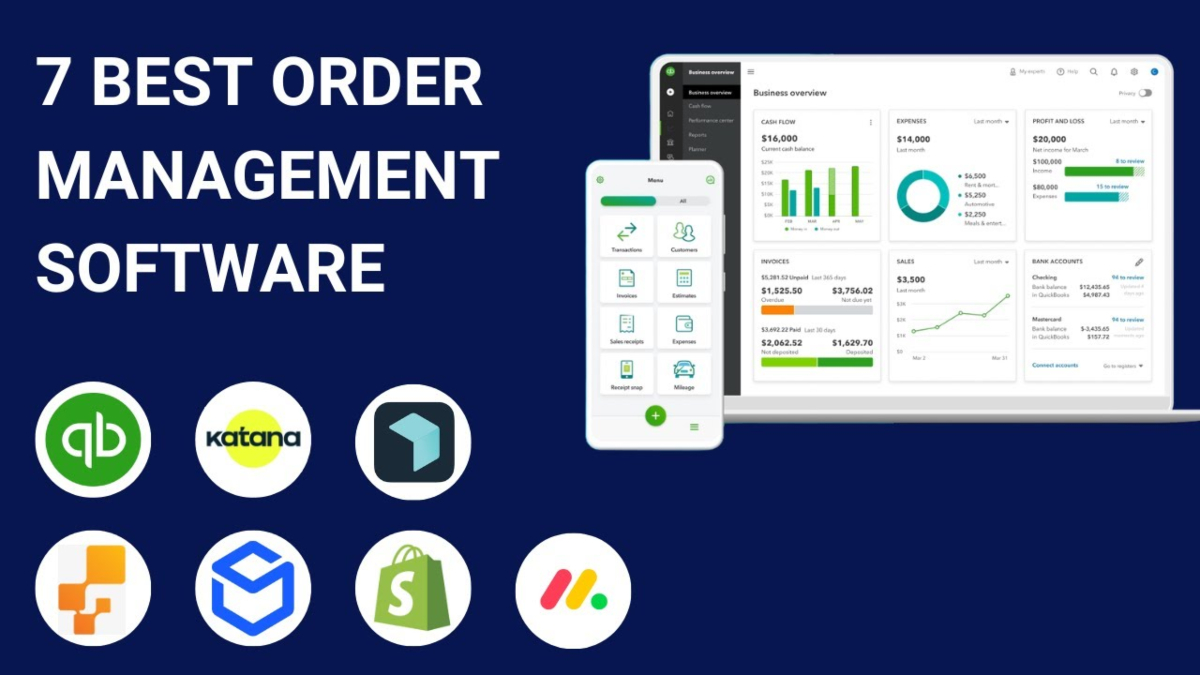
Without a centralized order management system, omnichannel fulfillment quickly becomes fragmented and difficult to scale.
Customer relationship management software
Customer relationship management (CRM) software allows businesses to collect, update, and analyze customer data across channels from one centralized platform. Purchase history, preferences, returns, and communication records are synced in real time, giving sales and support teams full visibility into the customer journey.
In an omnichannel fulfillment environment, CRM systems help personalize experiences, resolve service issues faster, and align fulfillment decisions with customer expectations. When customer data is disconnected from fulfillment systems, businesses struggle to deliver consistent service across channels.
Analytics and reporting software
Analytics and reporting software provides insight into the performance of omnichannel fulfillment operations. These tools track metrics such as order volume, fulfillment speed, inventory turnover, delivery accuracy, and customer behavior.
While standalone analytics platforms exist, many omnichannel fulfillment solutions include built-in reporting modules. Access to accurate, real-time data allows businesses to identify bottlenecks, forecast demand more effectively, and continuously optimize fulfillment workflows.
Data-driven visibility is critical for maintaining efficiency as order volume and channel complexity increase.
ERP software
Enterprise resource planning (ERP) software integrates multiple business functions into a single system, including finance, accounting, inventory management, customer data, and order fulfillment. For large retailers, ERP platforms can act as the central backbone of omnichannel operations.
However, ERP implementations are often costly, complex, and resource-intensive. As a result, they are more commonly adopted by enterprise-level organizations with high transaction volumes and complex supply chains. Smaller businesses may prefer modular omnichannel fulfillment software that integrates with existing tools rather than replacing them entirely.
Choosing the right software stack depends on business size, operational complexity, and long-term growth strategy.
Omnichannel fulfillment FAQs
Omnichannel fulfillment software for retailers?
Omnichannel fulfillment software connects inventory, orders, and customer data across all channels. It enables real-time visibility, smart order routing, and consistent customer experiences for retailers.
What’s the difference between multi-channel and omnichannel?
Multi-channel fulfillment treats each sales channel separately, often with siloed inventory. A common example is Fulfillment by Amazon (FBA). Omnichannel fulfillment, in contrast, unifies inventory and fulfillment across all channels, offering greater flexibility and efficiency.
How to use omnichannel fulfillment to align shopping channels?
Retailers align channels by integrating systems, sharing inventory across locations, and enabling flexible fulfillment options like BOPIS and ship-from-store.
What is an example of omnichannel fulfillment?
A customer buying a product online, picking it up in-store, and returning it through a different location is a classic omnichannel fulfillment example.
Conclusion
Omnichannel fulfillment is no longer optional for retailers competing in today’s ecommerce landscape. By connecting inventory, orders, and customer experiences across channels, omnichannel ecommerce fulfillment improves efficiency, satisfaction, and long-term growth.
With the right strategy, technology, and omnichannel fulfillment provider, retailers can deliver the seamless experiences modern shoppers expect, while building a more resilient and scalable fulfillment operation.