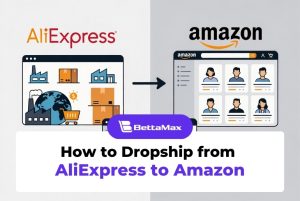
In this article, we take a realistic look at how Amazon dropshipping works, potential profit margins, common challenges, and whether it remains a viable business model in the current ecommerce landscape.
What is Amazon Dropshipping?
Amazon dropshipping is a business model where you sell products on Amazon without holding inventory. When a customer places an order, you purchase the product from a third-party supplier, who then ships it directly to the customer. You earn a profit from the difference between your selling price and the supplier’s cost, while Amazon handles the marketplace, payment processing, and customer trust.
Amazon dropshipping works similarly to traditional dropshipping, but with a few key differences:
- You sell products without holding inventory.
- Orders are fulfilled by third-party suppliers.
- Products are sold on Amazon instead of a personal website.
- Sellers must follow Amazon’s strict policies and performance standards.
- Amazon provides built-in traffic, customer trust, and a smooth buying experience.
Is Amazon Dropshipping Still Profitable?
Amazon dropshipping can still be profitable, but it no longer works as a “set it and forget it” business model. The opportunity is still there, but success now depends on strategy, execution, and how well sellers adapt to a more competitive marketplace.

While the global dropshipping market continues to grow and Amazon remains a high-demand platform, profitability today is not guaranteed. The difference between winning and losing often comes down to how sellers approach niche selection, suppliers, and brand positioning.
Amazon dropshipping still works, but only for sellers who treat it like a real business.
One reason the model remains attractive is its low barrier to entry. Sellers can start without buying inventory in bulk, which reduces upfront risk and allows faster product testing. In addition, Amazon provides built-in traffic and customer trust, eliminating the need to build an audience from scratch.
However, competition has intensified. Many categories are crowded with experienced sellers and private-label brands, making it harder to compete on price alone. This is why profitable sellers tend to niche down into specific markets with consistent demand, such as pet products, smart home accessories, or problem-solving household items.
Supplier quality has also become a major profitability factor. Slow shipping, poor product quality, or unreliable fulfillment quickly lead to negative reviews and account health issues. Successful sellers focus on reliable suppliers and consistent customer experience rather than the cheapest possible sourcing option.
A single bad supplier can cost more than a failed product test.
Marketing has shifted as well. Relying only on paid Amazon ads is becoming more expensive, pushing sellers toward organic strategies like user-generated content and influencer-style promotion to build trust and improve conversion rates.
In short, Amazon dropshipping is still profitable for sellers who adapt to current market conditions, follow Amazon’s policies closely, and focus on long-term value instead of quick wins.
Is Amazon Dropshipping or FBA More Profitable?
There is no single answer to whether Amazon dropshipping or Amazon FBA is more profitable, as each model offers different cost structures, risk levels, and long-term potential. Profitability largely depends on a seller’s budget, experience, and business goals.

| Criteria | Amazon Dropshipping | Amazon FBA |
|---|---|---|
| Upfront Cost | Low, no need to buy inventory in bulk | Higher due to upfront inventory purchases |
| Financial Risk | Lower risk, easy to test products quickly | Higher risk from unsold or slow-moving inventory |
| Profit Margins | Usually thinner because of higher product costs and price competition | Higher long-term profit potential with proper optimization |
| Operational Control | Limited, heavily dependent on suppliers | Greater control through Amazon’s FBA system |
| Shipping Speed | Slower, depends on the supplier | Fast (Prime-eligible), improves customer experience |
| Buy Box Eligibility | Lower | Higher |
| Customer Trust | Moderate | High, backed by Amazon fulfillment |
| Best For | Beginners and low-budget sellers | Sellers aiming to scale long-term |
Dropshipping prioritizes flexibility and low risk, while FBA prioritizes control and long-term scalability.
For beginners, dropshipping can be a practical way to learn the Amazon ecosystem with minimal capital. For sellers aiming to build a brand and scale sustainably, FBA often becomes the more profitable option in the long run.
Common Challenges in Amazon Dropshipping
While Amazon dropshipping is often viewed as a low risk entry point into ecommerce, it comes with several operational and strategic challenges that sellers need to understand before scaling.
1. Thin profit margins
One of the biggest challenges in Amazon dropshipping is low profitability. Because sellers do not purchase inventory in bulk, product costs are usually higher. When combined with Amazon referral fees and strong price competition, profit margins can become very limited.
In many cases, sellers must rely on higher order volume rather than margin per sale.
2. Limited control over fulfillment
Dropshipping sellers depend on third party suppliers for order accuracy, packaging quality, and shipping speed. Any mistake from the supplier directly affects the seller’s performance metrics on Amazon and customer satisfaction.
This lack of control makes it difficult to maintain consistent service quality.
3. Shipping delays and tracking issues
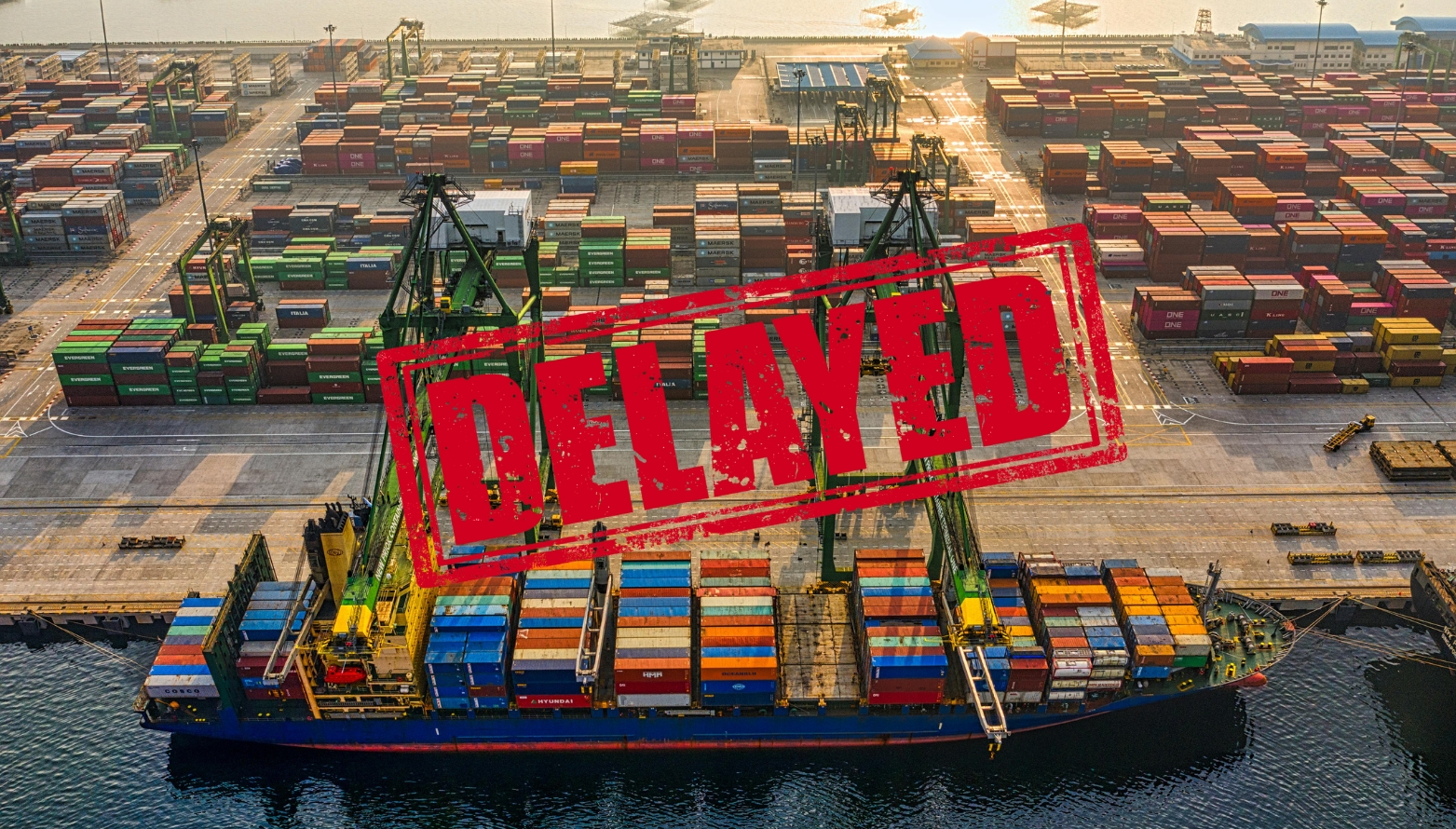
Dropshipping orders are not Prime eligible, which often results in longer delivery times. Slow shipping can reduce conversion rates and increase customer complaints. Inconsistent tracking information may also lead to Amazon account warnings.
4. Supplier reliability risks
Supplier reliability is a major risk in the dropshipping model. Stock shortages, sudden price changes, or poor communication can disrupt order fulfillment and damage listing performance.
Working with unreliable suppliers is one of the fastest ways to harm an Amazon seller account.
5. High competition and price pressure
Many sellers list the same products from identical suppliers. This creates intense competition and frequent price drops, forcing sellers to lower prices in order to remain competitive.
As a result, profitability becomes harder to maintain.
6. Policy compliance and account risk
Amazon enforces strict dropshipping policies related to branding, invoices, and seller identification. Any policy violation can lead to listing removal or even account suspension.
For beginners, understanding and following these rules can be challenging.
7. Scaling limitations
Dropshipping is effective for testing products and learning the market. However, scaling the business is often difficult due to manual order processing, supplier dependence, and thin margins.