What is Amazon Dropshipping and How Does it Work?
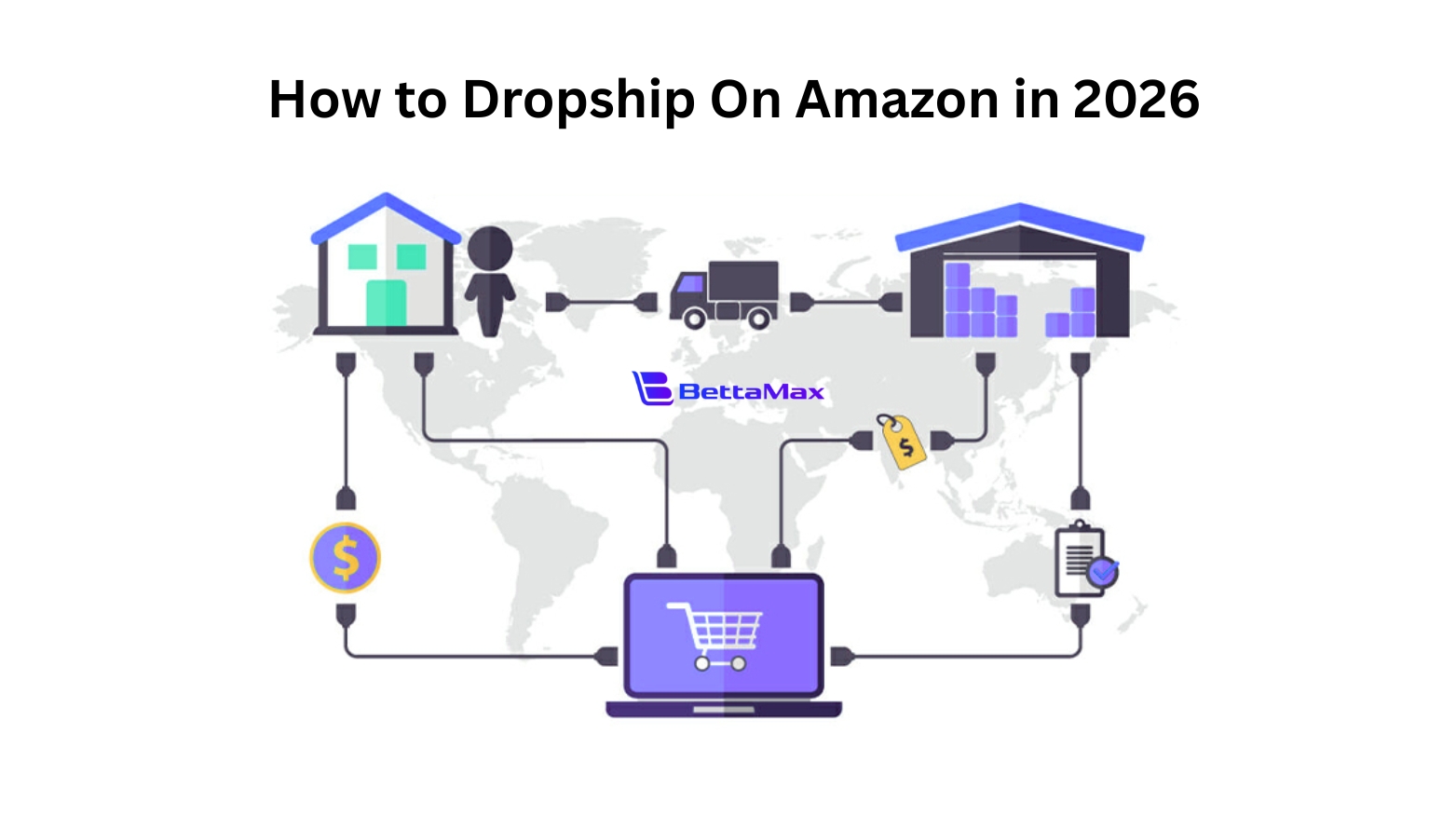
Amazon dropshipping is a fulfillment-based ecommerce model where sellers list products on Amazon without owning or storing inventory.
Instead of purchasing products upfront, the seller sources items from third-party suppliers and only places an order with them after a customer completes a purchase on Amazon.
The supplier then ships the product directly to the customer. This model allows sellers to operate with lower upfront costs and reduced inventory risk, making it a common entry point for beginners in ecommerce.
How does Amazon Dropshipping work?
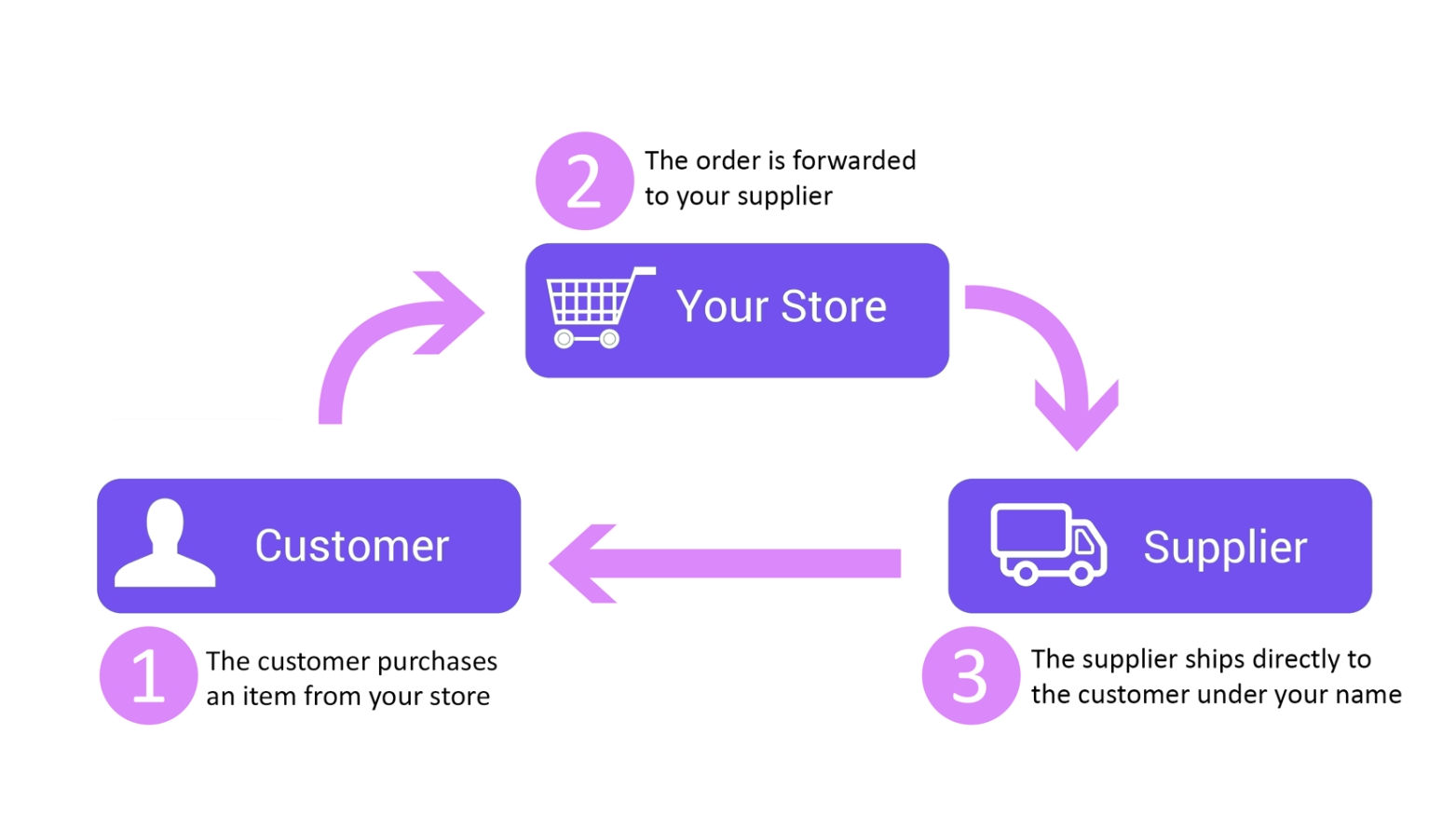
In Amazon dropshipping, the seller acts as an intermediary between the customer and the supplier. The operational flow typically follows these steps:
- Product sourcing: The seller identifies third-party suppliers that offer products suitable for resale on Amazon.
- Product listing on Amazon: The seller creates and publishes product listings on Amazon without holding physical stock.
- Customer places an order: When a customer purchases a product, the seller receives the payment at the retail price.
- Order forwarding: The seller forwards the order details to the supplier, either manually or through automated systems such as API or order management tools.
- Order fulfillment: The supplier packages and ships the product directly to the customer.
- Profit generation: The seller pays the supplier the wholesale cost and keeps the difference between the retail price and fulfillment cost as profit.
Can you dropship on Amazon?
Yes, you can dropship on Amazon, but only if you follow Amazon’s dropshipping policy exactly. Amazon does not ban the dropshipping model itself; instead, it strictly controls how orders are fulfilled and how sellers present themselves to customers. This means dropshipping on Amazon is allowed only when you are the seller of record and take full responsibility for the entire customer experience.
Many beginners misunderstand this rule and assume that any form of dropshipping is acceptable. In reality, Amazon evaluates dropshipping based on who appears to be selling and fulfilling the order, not where the inventory comes from.
What does Amazon allow in dropshipping?
Amazon permits dropshipping when the seller maintains full ownership of the transaction. To remain compliant, sellers must ensure that:
- Their business name is clearly shown as the seller on all invoices, packing slips, and shipping labels.
- No third-party branding, promotional materials, or invoices are included in the package.
- The seller handles all customer service, returns, and refunds directly.
- The supplier acts only as a fulfillment partner, not as a visible retailer.
As long as these conditions are met, Amazon considers the seller to be operating a legitimate fulfillment-based business rather than a marketplace-to-marketplace reseller.
What types of Dropshipping are not allowed?
Amazon strictly prohibits dropshipping practices that involve purchasing products from another online retailer and shipping them directly to Amazon customers. This includes sourcing orders from platforms such as Walmart, eBay, or similar marketplaces where:
- The supplier’s or retailer’s branding is visible to the customer.
- Invoices or receipts show a different seller name.
- The seller does not have control over packaging and fulfillment details.
This practice is commonly referred to as retail arbitrage dropshipping, and it is one of the most common reasons for Amazon account suspensions.
Benefits of Amazon Dropshipping
Amazon dropshipping offers several advantages that make it an attractive ecommerce model, especially for beginners and sellers who want to minimize risk while leveraging Amazon’s existing infrastructure. By removing the need for inventory ownership and fulfillment management, dropshipping allows sellers to focus on sales optimization and market testing rather than logistics. Below are the key benefits of Amazon dropshipping explained in detail.
1. Low initial investment
One of the biggest benefits of Amazon dropshipping is the ability to start selling with minimal upfront capital. Sellers do not need to purchase products in bulk or invest in warehouse storage. Instead, products are paid for only after a customer completes an order.
This significantly reduces financial risk and makes Amazon dropshipping accessible to individuals who want to enter ecommerce without a large initial budget.
2. No inventory management required
Amazon dropshipping eliminates the need to store, track, and manage physical inventory. Third-party suppliers handle product storage, packaging, and shipping, allowing sellers to operate without warehouse space or fulfillment staff.
This simplified operation reduces overhead costs and enables sellers to run their business from anywhere with an internet connection.
3. Faster market entry
With no inventory preparation or logistics setup required, sellers can launch products on Amazon quickly. Once a supplier is secured, products can be listed and sold almost immediately.
This speed allows sellers to respond to market trends and demand changes more efficiently compared to traditional retail or inventory-based models.
4. Access to Amazon’s established customer base
Amazon provides instant exposure to millions of active buyers who already trust the platform. Sellers do not need to build traffic, brand awareness, or checkout systems from scratch.
This built-in audience reduces customer acquisition challenges and increases the potential for early sales, especially for in-demand products.
5. Scalability without increased operational complexity
Amazon dropshipping allows sellers to scale their product catalog and sales volume without increasing fulfillment workload. Adding new products does not require additional storage or logistics planning.
As long as suppliers can support higher order volumes, sellers can scale their business without significant changes to daily operations.
6. Reduced inventory risk
Because products are purchased only after a sale is made, sellers avoid risks associated with unsold inventory, dead stock, or seasonal demand fluctuations.
This makes dropshipping an effective model for testing new products or entering unfamiliar niches without long-term inventory commitments.
7. Flexibility in product testing and optimization
Amazon dropshipping allows sellers to test multiple products simultaneously with minimal risk. Listings can be optimized based on real sales data, customer feedback, and market performance.
This data-driven approach helps sellers identify profitable products before transitioning to inventory-based fulfillment models if desired.
How Much Money Does It Actually Take To Start Dropshipping on Amazon?
The cost to start dropshipping on Amazon can range from very low to moderate, depending on the seller’s business setup, product category, and growth strategy. While dropshipping eliminates the need to purchase inventory upfront, sellers still need to account for Amazon fees, operational tools, and initial testing expenses.
Below is a breakdown of the main costs involved when starting Amazon dropshipping.
| Cost Item | Description | Estimated Cost Range |
|---|---|---|
| Amazon Seller Account | Individual plan (per-item fee) or Professional plan (monthly subscription) | Low → Fixed monthly fee |
| Amazon Referral Fee | Percentage fee charged on each sale, varies by category | ~8% – 15% per order |
| Supplier Product Cost | Wholesale product price paid after each sale | Varies by product |
| Supplier Shipping Fee | Shipping and handling charged by supplier | Varies by supplier & speed |
| Cash Flow Buffer | Funds needed to pay suppliers before Amazon releases payouts | Low → Moderate |
| Automation & Tools (Optional) | Product research, order automation, pricing tools | Optional |
| Advertising (Optional) | Amazon PPC for faster visibility and sales | Optional |
| Returns & Refunds | Potential costs for returns or damaged items | Variable |
In general, starting Amazon dropshipping does not require a large upfront budget, but sellers should be prepared to cover basic Amazon fees and short-term cash flow costs before profits stabilize.
How to start a dropshipping business on Amazon in 5 easy steps
Starting a dropshipping business on Amazon requires more than just listing products. Sellers must follow Amazon’s policies, choose reliable suppliers, and manage operations carefully to maintain account health. Below is a step-by-step overview of how to get started the right way.
Step 1: Create an Amazon Seller Account
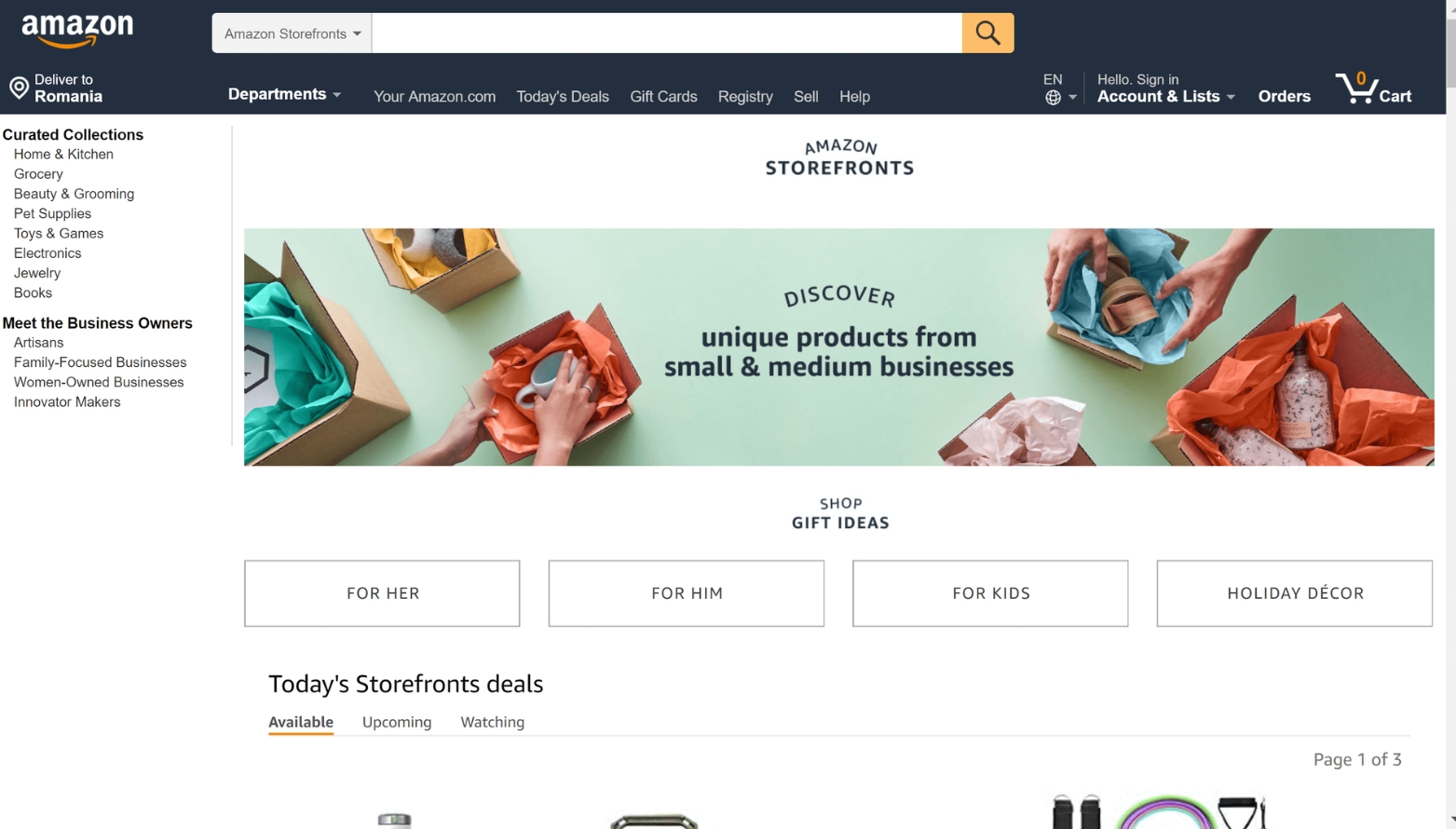
Begin by registering for an Amazon Seller account. New sellers can choose between an Individual or Professional plan depending on their expected sales volume. Once registered, complete identity verification and set up payment and tax information.
Step 2: Research Products and Market Demand
Product research is critical to success. Focus on products with:
Consistent demand
Reasonable competition
Sufficient profit margin after Amazon fees and supplier costs
Avoid restricted or branded products unless you have proper authorization.
Step 3: Find Policy-Compliant Suppliers
Choose suppliers who support Amazon dropshipping requirements. Your supplier must:
Ship orders without their own branding or invoices
Offer reliable shipping times
Maintain consistent product quality
Clear communication and test orders are essential before scaling.
Step 4: List Products on Amazon
Create optimized product listings with accurate titles, bullet points, descriptions, and images. Pricing should account for Amazon fees, supplier costs, and potential returns while remaining competitive.
Step 5: Manage Orders and Fulfillment
When an order is placed, forward the order details to your supplier promptly. Order management can be handled manually or automated using third-party tools as your volume grows.
You remain responsible for:
- Order accuracy
- On-time delivery
- Customer communication
Step 6: Handle Customer Service and Returns
Amazon requires sellers to manage customer inquiries, refunds, and returns directly. Ensure your return process is clear and aligns with both Amazon’s policies and your supplier’s return terms.
Step 7: Monitor Performance and Optimize
Track key performance metrics such as order defect rate, late shipment rate, and customer feedback. Continuously optimize product listings, pricing, and supplier relationships to maintain account health and profitability.
Amazon FBA vs Dropshipping: What’s the Difference?
Amazon FBA (Fulfillment by Amazon) and Amazon dropshipping are two popular fulfillment models, but they differ significantly in cost structure, control, and scalability.
With Amazon FBA, sellers purchase inventory upfront and send products to Amazon’s warehouses. Amazon then handles storage, packaging, shipping, customer service, and returns. This model offers faster delivery and higher Buy Box potential but requires higher initial investment and inventory risk.
In contrast, Amazon dropshipping allows sellers to list products without owning inventory. Orders are fulfilled by third-party suppliers who ship directly to customers. This reduces upfront costs and inventory risk but gives sellers less control over fulfillment speed and product quality.
Differences at a glance
- Upfront cost: FBA requires inventory investment, while dropshipping does not.
- Fulfillment control: FBA offers more consistency and reliability; dropshipping depends on suppliers.
- Scalability: Dropshipping is easier to start, while FBA is better for long-term scaling and branding.
- Risk: FBA carries inventory risk; dropshipping carries supplier and policy compliance risk.
Which model is better?
Amazon dropshipping is often better for beginners testing products with limited capital. Amazon FBA is more suitable for sellers focused on long-term growth, brand building, and higher margins once a product is validated.
Conclusion
Amazon dropshipping is a low-barrier entry point into ecommerce that allows sellers to start without holding inventory or managing fulfillment themselves. When done correctly and in full compliance with Amazon’s policies, it can be an effective way to test products, understand market demand, and gain experience selling on Amazon.
Frequently Asked Questions: Amazon dropshipping
1. Does Amazon allow dropshipping from third-party suppliers?
Yes, Amazon allows dropshipping from third-party suppliers, provided that the supplier ships products without their own branding, invoices, or promotional materials. All customer-facing documents must clearly identify the Amazon seller as the merchant.
2. Can beginners start Amazon dropshipping?
Yes, Amazon dropshipping is suitable for beginners because it does not require upfront inventory investment. However, beginners must carefully understand Amazon’s policies and work with reliable suppliers to avoid compliance and fulfillment issues.
3. Is dropshipping on Amazon free?
No, dropshipping on Amazon is not completely free. While sellers do not need to buy inventory upfront, they must still pay Amazon selling fees, referral fees, and supplier costs for each order.