The question of whether to pursue affiliate marketing or dropshipping is one of the most critical decisions aspiring online entrepreneurs face. Both business models offer the promise of income generation with minimal physical inventory, but they operate on fundamentally different principles with distinct advantages and challenges.
This comprehensive guide breaks down both models, compares them directly, and helps you determine which aligns better with your goals, resources, and skill set.
Affiliate Marketing Overview
What is Affiliate Marketing?
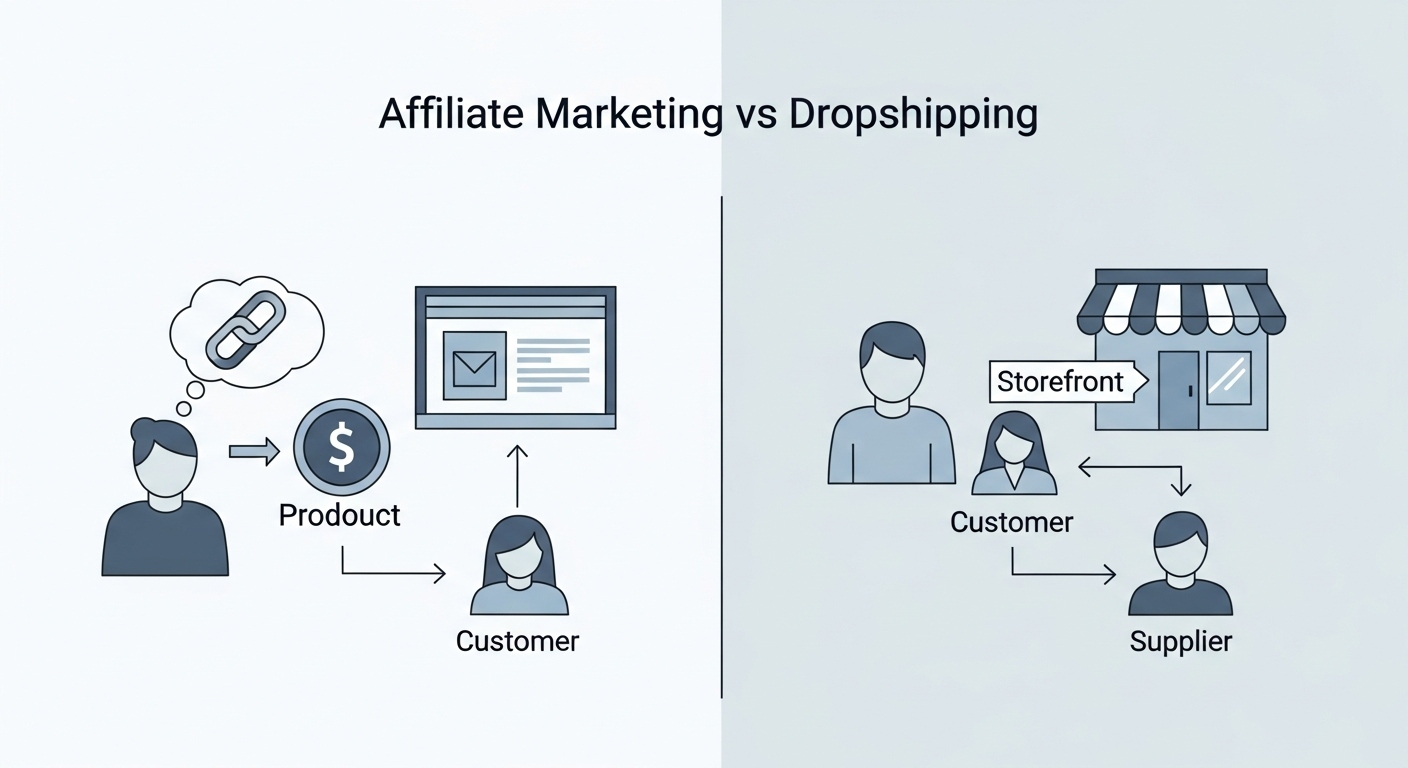
Affiliate marketing is a performance-based business model where you earn commissions by promoting products or services created by other companies. As an affiliate marketer, you act as a middleman, connecting consumers with products they’re interested in and earning a percentage of the sale whenever someone purchases through your unique referral link.
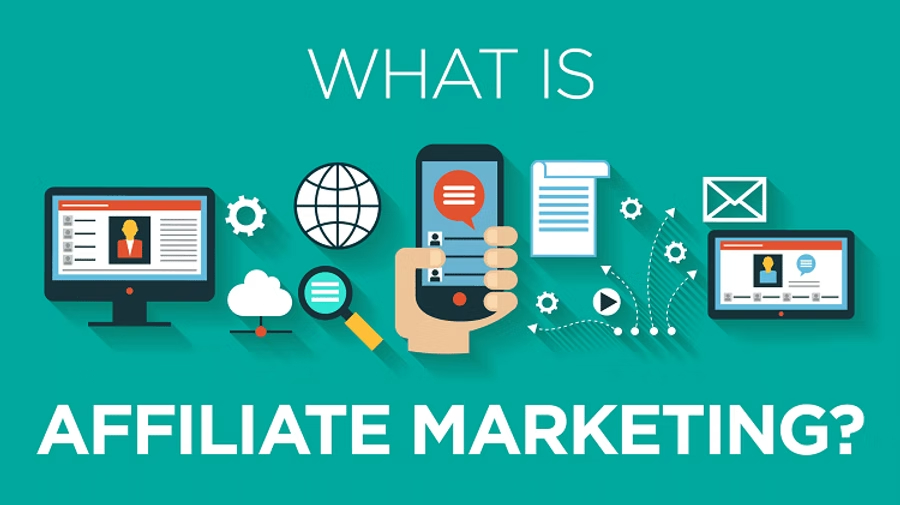
The beauty of affiliate marketing lies in its simplicity: you don’t create products, handle inventory, manage customer complaints, or process refunds. Instead, you focus on marketing and driving traffic to merchant websites, earning money for every successful conversion or referral you generate.
How Does Affiliate Marketing Work?
Affiliate marketing operates through a straightforward three-step process that makes it accessible to beginners:
Step 1: Recommend Products: You identify products or services relevant to your audience and promote them through your content, whether that’s blog posts, YouTube videos, social media, or email newsletters.
Step 2: Share Your Affiliate Link: Each promotion includes your unique affiliate link, which tracks customers who click from your content and make purchases.
Step 3: Earn Commissions: When customers purchase using your affiliate link, the merchant’s system records the sale and credits you with a commission. This commission varies by merchant and product, ranging anywhere from 5% to 50% of the sale price.
The affiliate marketing ecosystem consists of three key players: the merchant (the company selling the product), the affiliate (you), and the customer. Each has distinct responsibilities and benefits from the relationship.
Dropshipping Overview
What is Dropshipping?
Dropshipping is an e-commerce business model where you operate an online store without holding physical inventory. Instead of manufacturing or stocking products yourself, you partner with suppliers who handle storage, packing, and shipping directly to your customers. Your role focuses on building the brand, marketing products, and managing customer relationships.
When a customer places an order in your store, you purchase the item from your supplier at wholesale price and have it shipped directly to the customer. The difference between what the customer pays you and what you pay the supplier becomes your profit.
How Does Dropshipping Work?
Dropshipping involves a more involved operational process compared to affiliate marketing:
Step 1: Set Up Your Store: You create an online store using platforms like: Shopify, WooCommerce, or BigCommerce. This becomes your branded e-commerce business where customers shop.
Step 2: Add Products to Your Catalog: You select products from your supplier network and upload them to your store with descriptions, images, and pricing you’ve set.
Step 3: Customer Orders: When customers purchase from your store, you receive the payment and order details.
Read more: How Does Dropshipping Work: A Complete 5-Step Guide
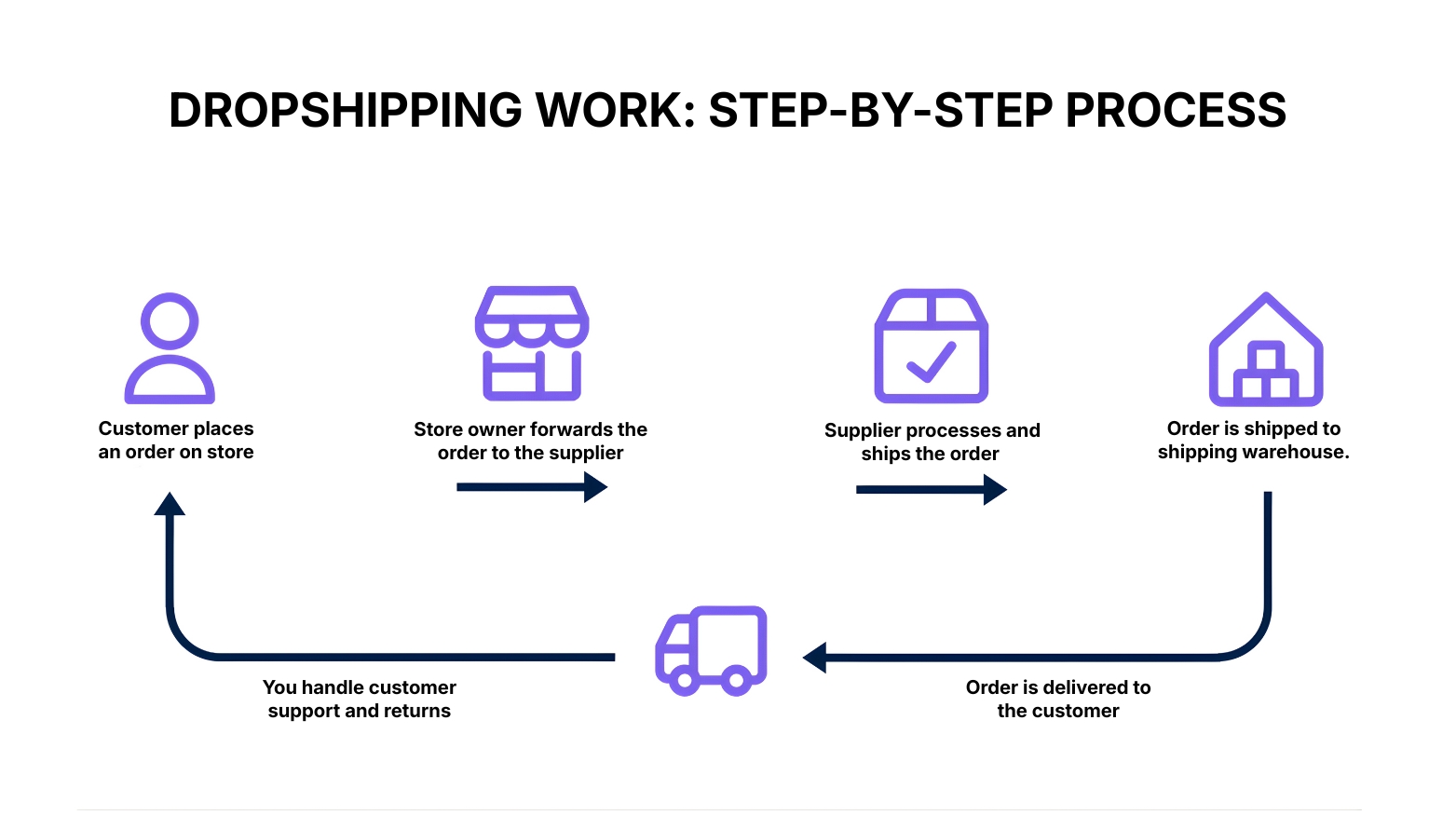
Step 4: Purchase from Supplier: You immediately purchase the item from your supplier at the wholesale price and provide them with the customer’s shipping address.
Step 5: Supplier Ships to Customer: The supplier packages and ships the product directly to your customer, though the package typically displays your branding rather than the supplier’s.
Step 6: Earn Profit: You keep the difference between the customer’s purchase price and your supplier cost as profit.
Affiliate Marketing vs. Dropshipping: Detailed Comparison
Affiliate Marketing Advantages
Easy to Start: Affiliate marketing has virtually no barriers to entry. You can begin promoting products within hours of joining an affiliate program. No business registration, no store setup, no inventory purchases; just content and promotional links.
No Customer Support Required: You never interact with customers directly. The merchant handles all customer service inquiries, complaints, returns, and refunds. This eliminates one of the most time-consuming aspects of e-commerce.
Low Startup Costs: You can launch an affiliate marketing business for under $100. A domain name, basic hosting, or even starting on free platforms like Medium or social media requires minimal investment. This low barrier makes affiliate marketing accessible to almost anyone.
Passive Income Potential: Once you publish content and optimize it for search engines, it can generate traffic and commissions month after month with minimal ongoing effort. Many successful affiliates earn income while sleeping.

Affiliate Marketing Disadvantages
Low Starting Commissions: New affiliate marketers often struggle with low commission rates and high competition. Establishing authority takes time, and commissions may remain modest until you build substantial traffic.
No Control Over Pricing: The merchant sets product prices and regularly adjusts them. You have no ability to influence pricing strategy, which can affect conversion rates and your earnings.
Affiliate Links Can Be Removed: Merchants can discontinue their affiliate programs, change terms, or revoke your status at any time. You have no control over these decisions, which can suddenly eliminate important income streams.
Limited Advertising Options: Many affiliate programs restrict how you can advertise. Paid advertising restrictions, platform limitations, and competitive keywords mean you’re often limited to organic marketing methods.
Dropshipping Advantages
Build Your Own Brand: You create a branded business that belongs entirely to you. Every interaction, every design choice, and every customer touchpoint reflects your vision. This brand building creates long-term business value.
Higher Profit Margins: Dropshipping typically offers 20-40% profit margins, significantly higher than affiliate commissions which often range from 5-20%. This margin difference means faster profitability and scalability potential.
Instant Payment: You collect payment from customers immediately upon purchase, giving you positive cash flow from day one. You can then pay suppliers from collected revenue.
Easy to Scale: Once you’ve established your store and proven a product works, scaling is straightforward. You can add more products, run larger marketing campaigns, and increase revenue without proportional increases in operational complexity.
Dropshipping Disadvantages
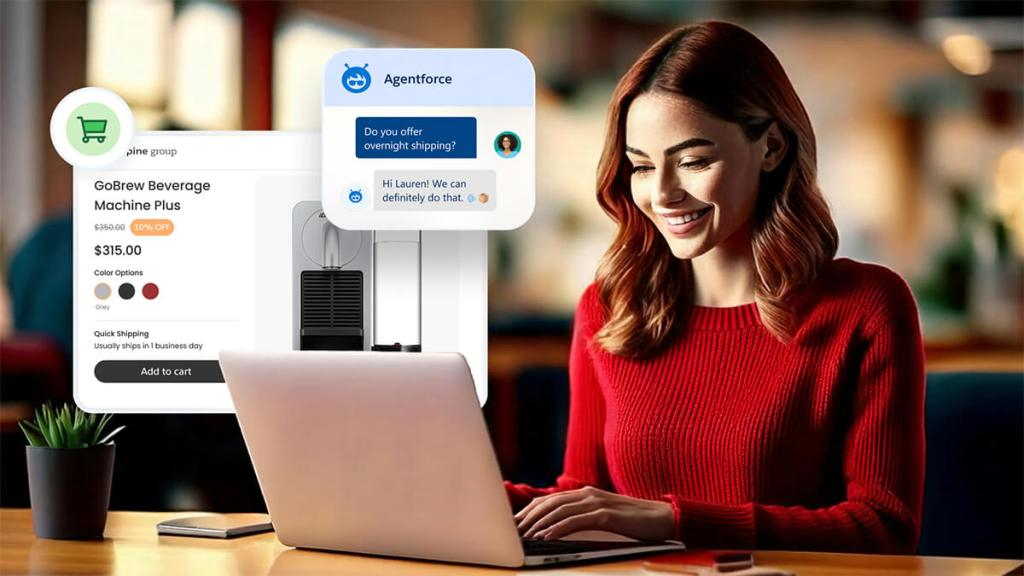
Customer Support Required: You’re responsible for handling customer inquiries, complaints, and disputes. This demands time, resources, and strong communication skills.
Limited Quality Control: Your supplier handles product quality and shipping timelines. If they underperform, your customers suffer, damaging your brand reputation despite your limited control over the issue.
Price Competition: Multiple dropshippers often sell identical products from the same suppliers. This creates intense price competition, making it difficult to maintain healthy margins and stand out in the market.
Affiliate Marketing vs. Dropshipping: Key Comparisons
Ease of Getting Started
Affiliate Marketing Winner: Affiliate marketing requires the least setup and investment. You can be operational within hours, promoting products before you’ve invested meaningful time or money.
Dropshipping: Setting up a professional store, sourcing products, and establishing supplier relationships takes weeks of work and requires initial investment in hosting, domain, and often paid apps or tools.
Skillset Required
Affiliate Marketing: You primarily need marketing and content creation skills. Understanding SEO, copywriting, social media marketing, and audience building are the core competencies.
Dropshipping: Beyond marketing, you need e-commerce operations knowledge, customer service skills, supplier management abilities, and basic business/accounting understanding. The skill requirement is broader.
Investment Required
Affiliate Marketing: Minimal investment, typically $50-500 annually. You can start on free platforms and upgrade gradually as you grow.
Dropshipping: Moderate to significant investment. Store setup, domain, hosting, apps, and initial working capital for inventory management require $500-2,000+ to launch professionally.
Earning Potential
Affiliate Marketing: Earning potential ranges from zero to six figures monthly depending on niche, traffic volume, and conversion rates. Top affiliates in lucrative niches earn $10,000+ monthly, but average affiliates earn $100-500.
Dropshipping: Earnings depend on product selection, pricing strategy, and sales volume. Successful dropshippers generate $2,000-10,000+ monthly with a well-optimized store. The higher per-transaction profit provides faster scaling potential.
Comparison Table: Affiliate Marketing vs. Dropshipping
| Factor | Affiliate Marketing | Dropshipping |
|---|---|---|
| Startup Cost | $50-500 | $500-2,000+ |
| Time to Launch | Hours to days | 2-4 weeks |
| Profit Margins | 5-20% | 20-40% |
| Customer Service | None required | Full responsibility |
| Inventory Management | N/A | Required |
| Brand Building | Limited | Significant |
| Scalability | Moderate | High |
| Control Over Business | Limited | Complete |
| Income Stability | Variable | Variable |
| Skill Requirements | Marketing & content | Marketing & operations |
| Time Investment | Content creation | Marketing & CS |
| Passive Income Potential | High | Low initially |
Affiliate Marketing vs Dropshipping Frequently Asked Questions
Which is Easier: Dropshipping or Affiliate Marketing?
Affiliate marketing is easier to start with lower barriers to entry and minimal startup costs. However, dropshipping offers easier scaling once established. The “easier” model depends on your specific situation and goals.
Is Affiliate Marketing Better Than Dropshipping?
Neither is universally “better.” Affiliate marketing suits those with strong marketing skills, limited capital, and a preference for passive income. Dropshipping appeals to those who want to build a brand, have startup capital, and prefer active business management.
Are Affiliate Marketing and Dropshipping the Same?
No. Affiliate marketing earns commissions on sales generated through referrals, while dropshipping involves selling products directly from your own store. The operational models, profit structures, and time requirements differ significantly.
What’s the Difference Between Dropshipping and Affiliate Marketing?
The primary differences are: who owns the business relationship with customers (you in dropshipping, the merchant in affiliate marketing), profit margins (dropshipping higher), control over the business, startup costs, and operational complexity. Dropshipping requires more active management while affiliate marketing is more passive.
Can You Combine Affiliate Marketing and Dropshipping?
Yes. Many entrepreneurs successfully operate both models simultaneously. You can run a dropshipping store while earning affiliate commissions through a complementary blog or email list. This hybrid approach leverages the strengths of both models.
How Much Can You Earn From Affiliate Marketing?
Earnings vary dramatically. Beginners often earn $100-500 monthly, intermediate affiliates earn $1,000-5,000, and top performers in lucrative niches earn $10,000-50,000+ monthly. Earnings depend on traffic volume, conversion rates, niche competitiveness, and commission rates.
How Much Can You Earn From Dropshipping?
Successful dropshipping stores generate $2,000-10,000+ monthly depending on product selection, traffic, and conversion rates. The higher per-transaction profit means dropshipping typically generates higher monthly revenue than affiliate marketing, though it requires more active management.
Conclusion
The choice between affiliate marketing and dropshipping depends on your circumstances, goals, and preferences. Affiliate marketing offers lower startup costs, easier entry, and stronger passive income potential, making it ideal for content creators and marketers with limited capital. Dropshipping provides higher profit margins, complete brand control, and greater earning potential, suiting entrepreneurs who can invest more time and money upfront.
Consider starting with affiliate marketing to build marketing skills and generate income with minimal risk. As you gain experience, skills, and capital, you can transition to dropshipping or operate both simultaneously. Many successful online entrepreneurs use affiliate marketing to fund their dropshipping ventures, creating a powerful combination.
Ultimately, success in either model requires dedication, quality content creation (affiliate marketing) or excellent customer service (dropshipping), and continuous optimization based on data and feedback. Choose the model that aligns with your strengths, and commit to building your business systematically over time.