
The dropshipping business has evolved dramatically since its inception, and successful entrepreneurs now recognize Google Ads as essential component of customer acquisition strategy. While social platforms like Facebook and Instagram remain valuable, Google’s search capabilities offer unique advantages for converting browsers into buyers. This comprehensive guide explores how to leverage Google Ads effectively for dropshipping success in 2026.
What Is Google Ads?
Google Ads (formerly Google AdWords) is a pay-per-click advertising platform operated by Google. You pay only when users click your advertisements, making it performance-based marketing. Google displays your ads across multiple networks including Google Search, YouTube, Google Display Network, and Gmail, reaching diverse audiences with different intents and behaviors.
The platform operates on auction system where advertisers bid on keywords, placements, or audience segments. Your bid amount, ad quality, and relevance score determine ad placement position. This quality-focused approach means well-optimized campaigns often outperform those with higher budgets but lower relevance.
Google Ads differs fundamentally from social media advertising. While Facebook targets users based on interests and demographics, Google targets based on search behavior and intent. User searching “buy running shoes” on Google demonstrates purchase intent. This intent-based targeting makes Google Ads exceptionally effective for dropshipping conversion.
Why Google Ads Works Exceptionally Well For Dropshipping
Massive Reach And Market Size
Google processes over 5 billion searches daily across products, services, information, and entertainment. This unprecedented reach means potential customers searching for products you sell can discover your store. Unlike limited organic search visibility, paid ads guarantee placement when users search relevant keywords.
The scale creates opportunity for niche products. Even extremely specific items (orthopedic dog beds, vintage typewriter cases, specialty coffee filters) have dedicated searchers. Google Ads lets you capture these high-intent customers before competitors realize the niche exists.
High Purchase Intent Audience
Unlike social media where users browse casually, Google search captures users mid-purchase journey. Someone searching “best wireless earbuds under $50” or “ergonomic office chair” demonstrates active shopping intent. This intent-driven traffic converts substantially better than cold audience targeting.
Dropshippers leveraging Google Ads focus on commercial keywords (containing intent indicators like “buy,” “best,” “cheap,” “reviews,” “where to get”) capturing customers ready to purchase. This eliminates wasted ad spend reaching unqualified audiences. Learn more about how to find dropshipping suppliers to better understand your market positioning.
Cost-Effective Customer Acquisition
While per-click costs vary by industry competitiveness, Google Ads enables precise budget control. Unlike traditional advertising requiring minimum spends, you control daily budgets down to dollars. Start with $5-10 daily budgets testing products and scaling successful campaigns.
Quality score improvements reduce cost-per-click over time. As ad relevance increases through testing and optimization, Google rewards you with better positions at lower costs. Mature campaigns often achieve 50-70% cost reductions through optimization compared to initial launches.
Multiple Ad Formats And Flexibility
Google Ads offers diverse campaign types accommodating different dropshipping strategies. Search ads capture high-intent keywords. Shopping ads showcase products visually with pricing. Display ads build brand awareness. YouTube ads engage audiences through video. This flexibility lets you diversify advertising across multiple channels from single platform.
The Four Types Of Google Ads Campaigns
Search Ads
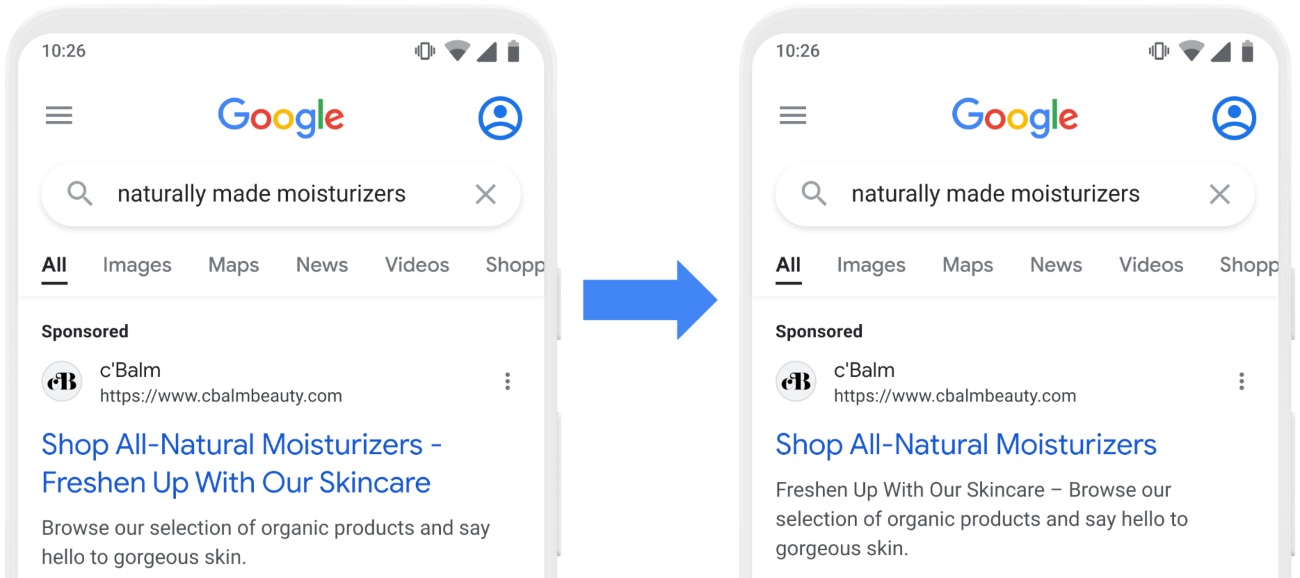
Search ads appear at the top of Google search results when users enter relevant keywords. These text-based ads include headline, description lines, and display URL. Search ads are ideal for capturing commercial intent keywords where users actively search for products.
Search ads work exceptionally well for dropshipping because they reach customers ready to purchase. Someone searching “buy wireless charger” sees your ad immediately, clicking through to your product page. The conversion path from search to purchase is shortest of any advertising channel.
Dropshippers typically achieve best results with search ads targeting product names, branded variations, and problem-solution keywords. “Best desk lamp for reading,” “affordable standing desk,” or “wireless mouse gaming” all indicate purchase intent and convert well with relevant landing pages.
Display Ads
Display ads are graphical advertisements appearing on Google’s network of partner websites including blogs, news sites, and niche publications. Rather than targeting keywords, display ads target interests, behaviors, and demographics. They build brand awareness and reach audiences across the web.
Display ads work best for brand building and retargeting. After visitors leave your store without purchasing, display ads follow them across the web reminding them of your products. This retargeting strategy recovers 20-30% of abandoned visitors through repeated exposure.
Display ads have lower conversion rates than search ads but reach broader audiences at lower costs. They serve strategic roles in comprehensive campaigns rather than primary customer acquisition channels.
Video Ads
Video ads broadcast on YouTube in various formats including skippable pre-roll (before videos), mid-roll (during videos), and post-roll (after videos). Video captures attention through visual storytelling and emotional connection impossible with text or static images.
Dropshippers use video ads for product demonstrations, customer testimonials, and lifestyle content showing products in use. A video demonstrating standing desk ergonomic benefits or showing home organization using storage solutions performs substantially better than static imagery.
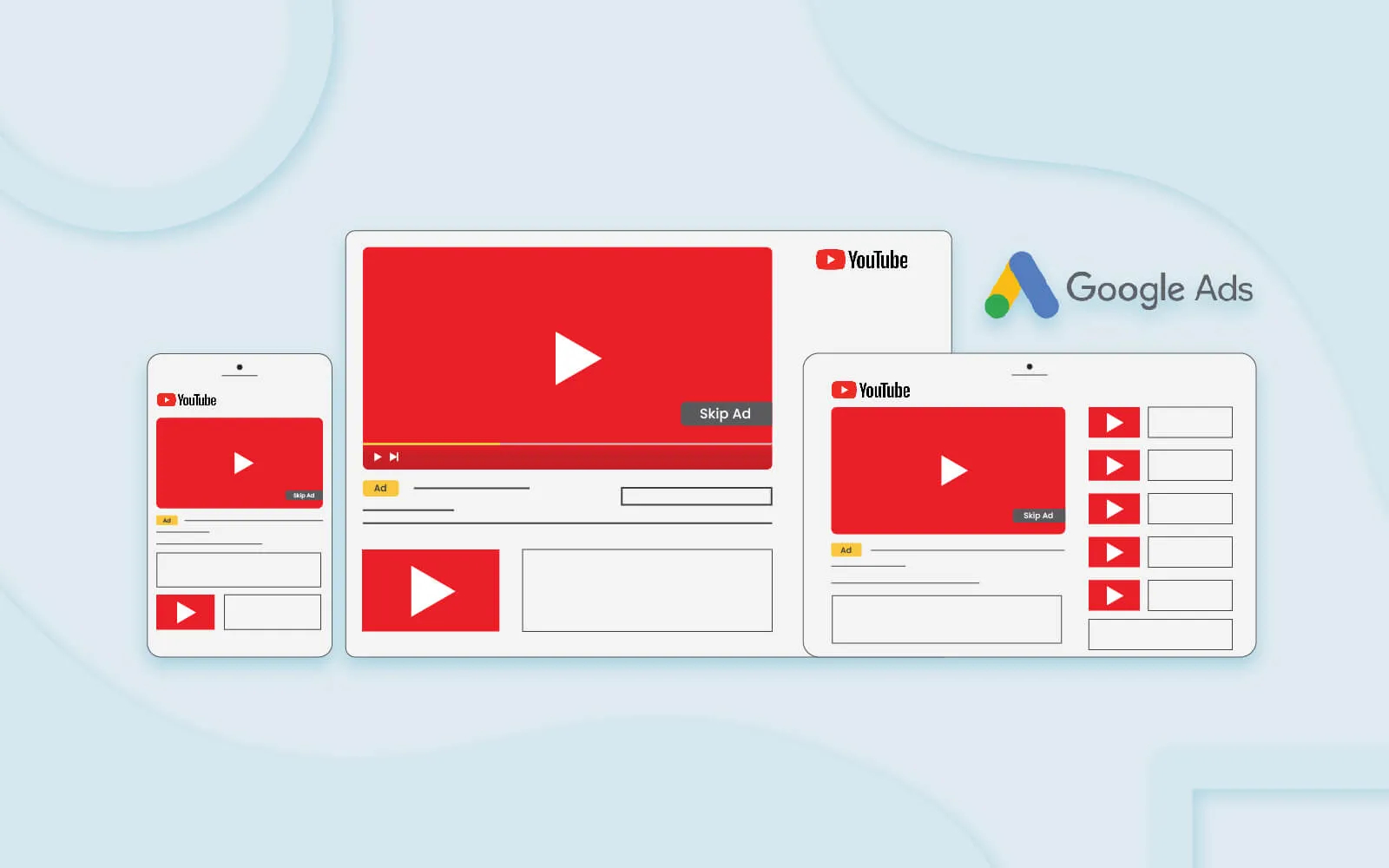
Video ads reach broad audiences but require professional production for effectiveness. Low-quality videos with poor lighting or audio damage brand perception. Consider outsourcing video creation to freelancers or agencies if in-house capabilities are limited. Explore best dropshipping niches that benefit from video marketing.
Shopping Ads
Shopping ads display product images with names, prices, and merchant reviews directly in search results. When users search product-related keywords, shopping ads appear prominently showing actual products and pricing. They drive highly qualified traffic of users comparing products before purchase.
Shopping ads require Google Merchant Center setup where you upload product feeds. Google automatically matches keywords to relevant products from your feed, displaying the most appropriate items. Shopping ads work exceptionally well for dropshipping because they showcase actual products customers seek.
Shopping ads typically achieve highest conversion rates and return on ad spend of all Google Ads types. Dropshippers should prioritize shopping ads as primary traffic source once infrastructure supports their complexity.
How To Set Up Google Ads For Dropshipping
Step One: Create Google Ads Account
Visit ads.google.com and click “Start Now.” You’ll need Google account (create free at accounts.google.com if needed). Enter business information, website URL, and billing details. Google charges through linked payment method when customers click your ads.
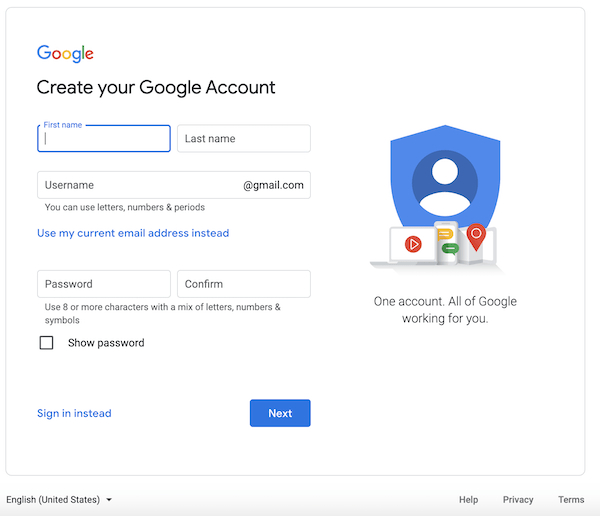
Provide accurate business information and website URL. Google reviews accounts for policy compliance before approving advertising. Policy violations (prohibited products, misleading claims, copyright infringement) result in account suspension.
If you’re running Shopify dropshipping, you can integrate Google Ads directly through Shopify admin dashboard for seamless setup.
Step Two: Set Up Conversion Tracking
Before launching campaigns, implement conversion tracking measuring actions you want to optimize (purchases, email signups, phone calls). Conversion tracking reveals which campaigns and keywords generate actual sales rather than just clicks.
Install Google tracking pixel on your website. For Shopify, use Google channel integration automatically implementing tracking. WordPress and custom sites require manual pixel installation in website code. Alternatively, use Google Tag Manager for easier setup.
Understanding what is order fulfillment helps you set proper conversion tracking for your specific business model.
Step Three: Perform Keyword Research
Keyword research forms campaign foundation. Identify keywords potential customers search when looking for products you sell. Use Google Keyword Planner (free within Google Ads account) to research search volume and competition for keywords.
Focus on long-tail keywords (3+ word phrases) with lower competition and higher intent. “Ergonomic gaming chair” has lower volume but higher purchase intent than generic “gaming chair.” Long-tail keywords generate fewer clicks but higher conversion rates and lower costs.
Create keyword lists organized by product type or customer journey stage. Separate awareness-stage keywords (“best fitness tracker brands”) from commercial keywords (“buy Fitbit Charge 5”). This organization enables precise campaign targeting.
Step Four: Create Campaigns And Ad Groups
Organize campaigns by product category or marketing objective. Within each campaign, create ad groups around specific keywords or products. Well-organized account structure enables detailed performance analysis and optimization.
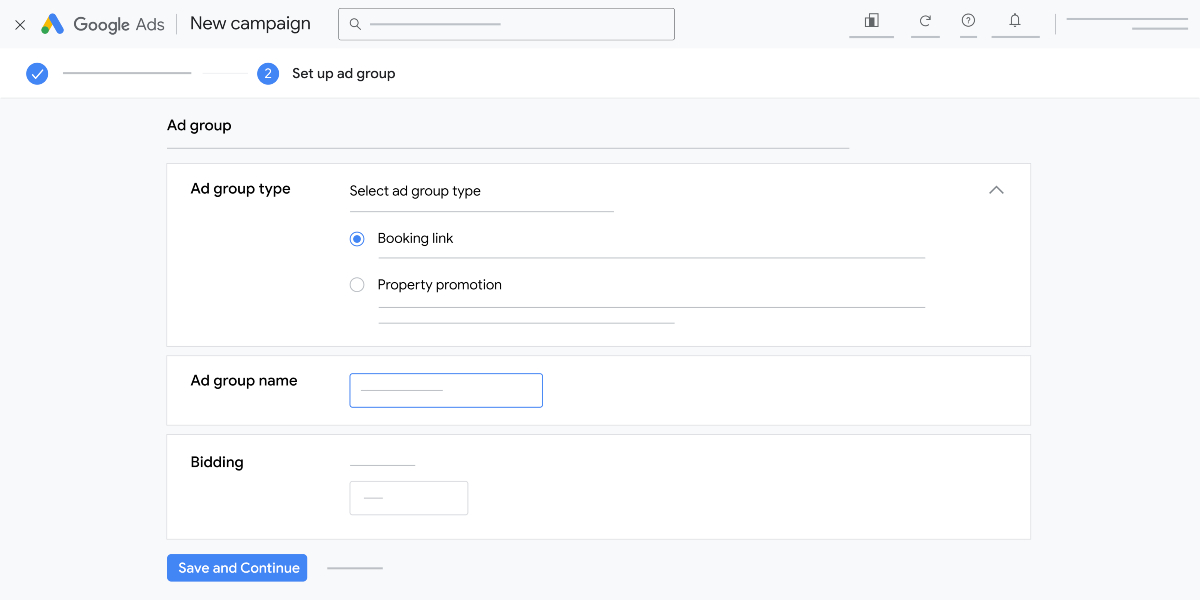
For dropshipping, create separate campaigns for different product niches. This separation prevents budget allocation from successful niche subsidizing underperforming products. You can pause underperforming campaigns and scale successful ones independently.
Learn about dropshipping trends to identify which niches deserve campaign focus.
Step Five: Write Effective Ads
Ad copy determines click-through rate (CTR). Effective ads include relevant keyword in headline, clear value proposition, and compelling call-to-action. Google scores ads by relevance, showing higher-quality ads more frequently at lower costs.
Test multiple ad variations (A/B testing) identifying best performers. Headlines should match keywords users search. Descriptions should explain unique value proposition. Call-to-actions should encourage desired action (Shop Now, Learn More, Get Discount).
Example high-performing ad:
Headline: “Premium Ergonomic Gaming Chairs”
Description: “Reduce Back Pain. Improve Posture. Free Shipping Over $100.”
Call-to-Action: “Shop Premium Chairs Today”
Step Six: Set Bidding Strategy
Google Ads offers multiple bidding strategies. Beginners typically start with Maximize Clicks (spend daily budget getting most clicks) or Target CPA (set target cost-per-acquisition and let Google optimize automatically).
For dropshipping, Target CPA bidding works well once you have conversion data. Tell Google your target cost-per-acquisition (e.g., $20) and the algorithm automatically adjusts bids to achieve that target. This removes guesswork from bid management.
Start with Maximize Clicks until you accumulate 15-20 conversions providing sufficient data for Target CPA optimization.
Step Seven: Launch Campaign
Review all settings one final time before launching. Ensure keywords, ads, landing pages, and conversion tracking are properly configured. Small setup errors become expensive mistakes at scale.
Start with modest daily budgets ($5-10) testing campaign performance before scaling. Monitor initial metrics daily identifying issues early before wasting significant budget.
Analyzing Google Ads Performance
Key Metrics Understanding
Impressions: Number of times ads appear in search results. Higher impressions indicate keyword visibility. Low impressions suggest keywords with low search volume or ads with poor quality score.
Clicks: Number of users clicking ads. Click-through rate (CTR) percentage measures clicks as proportion of impressions. Average CTR across Google Search is 2-5%. Improving CTR increases qualified traffic without increasing budget.
Conversions: Desired actions (purchases, signups, calls) resulting from ad clicks. Cost-per-conversion measures average cost to acquire customer. Improving conversion rate reduces cost-per-conversion.
Quality Score: Google’s 1-10 rating of ad relevance. Higher scores improve ad position and lower cost-per-click. Target quality scores of 7+ indicating strong ad-keyword-landing page relevance.
Optimization Focus Areas
Low Quality Score: Indicates poor relevance between keywords, ads, and landing pages. Improve by aligning ad copy with keywords and ensuring landing pages directly address user intent.
High Cost-Per-Click: Indicates expensive keywords or poor quality score. Either improve ads to increase quality score or shift to lower-competition keywords.
Low Conversion Rate: Indicates traffic reaching your site but not purchasing. Improve landing page experience, simplify checkout process, or improve dropshipping products selection.
Google Ads vs Facebook Ads For Dropshipping
Comparing Google Ads and Facebook Ads reveals distinct advantages for different situations.
Google Ads strengths: High purchase intent audience, search-based targeting, strong conversion rates, detailed keyword data, flexible ad formats (search, shopping, display, video). Best for: Niche products, specific keywords, commercial intent targeting, conversion optimization.
Facebook Ads strengths: Cheaper per-click, visual creative options, advanced audience targeting, lookalike audience creation, brand awareness campaigns. Best for: Building brand awareness, reaching broad audiences, retargeting abandoned visitors, testing new products.
Best approach: Use both platforms complementarily. Google Ads captures high-intent searchers ready to purchase. Facebook Ads builds awareness and retargets interested visitors. This dual-channel strategy maximizes reach across customer journey stages.
Many successful dropshippers allocate 60% budget to Google Ads and 40% to Facebook Ads after testing both. Your optimal split depends on products, audience, and market competitiveness. Learn more about Google Ads vs Facebook Ads comparison for detailed analysis.
Common Google Ads Mistakes To Avoid
Mistake One: Poor Keyword Selection
Selecting irrelevant keywords wastes budget attracting wrong audience. Focus on specific, high-intent keywords matching your products. Avoid broad keywords generating expensive clicks from unqualified users.
Test keywords consistently, removing underperformers weekly. If keyword costs $5 per click but converts at 1%, cost-per-conversion is $500. Unless profit margin exceeds $500, that keyword is unprofitable.
Mistake Two: Weak Landing Pages
Sending traffic to homepage wastes conversions. Create landing pages optimized for specific keywords/ads, matching user expectations. Someone clicking “buy black ergonomic desk chair” expects to land on exact chair product page, not homepage.
Test landing page variations improving conversion rate. Even 1% conversion rate improvement dramatically improves profitability. A/B test headlines, images, pricing presentation, and call-to-action buttons.
Mistake Three: Inadequate Budget Testing
Launching with insufficient budget prevents proper campaign testing. Allocate minimum $300-500 monthly per campaign testing thoroughly. Campaigns require time to gather data, optimize, and reach profitability.
Once campaigns achieve positive ROI, scale successful ones aggressively while pausing unprofitable ones. This scaling approach maximizes profitable customer acquisition. Understand how to optimize dropshipping profit margin through proper budgeting.
Mistake Four: Ignoring Quality Score
Quality score directly impacts cost-per-click and ad placement. Ignoring quality score optimization leaves money on table. Improve quality through keyword-ad alignment and landing page optimization.
Target quality score of 7+. Scores below 6 indicate fundamental relevance issues requiring restructuring rather than minor tweaks.
Google Ads Budget Recommendations
Beginner dropshippers: Start with $300-500 monthly testing 3-5 products. Allocate $100/month per product testing different keywords, ads, and landing pages.
Growth-stage dropshippers: Allocate $1,000-5,000 monthly scaling profitable products while testing new ones. Spend 70% on proven winners, 30% on new opportunities.
Established dropshippers: Allocate $5,000+ monthly across multiple products and channels. Automate optimization using Target CPA and similar strategies, focusing on strategic decisions rather than daily optimization.
Successful Google Ads campaigns require patience and persistence. Most dropshippers see positive ROI within 30-60 days of consistent testing and optimization.
Frequently Asked Questions
Does Google Ads Work For Dropshipping?
Absolutely. Google Ads is one of most effective customer acquisition channels for dropshipping. High purchase intent audience and flexible campaign types make it ideal for converting browsers to buyers. Discover is dropshipping still worth pursuing with proper Google Ads strategy.
How Much Does Google Ads Cost?
Google Ads operates on pay-per-click model. You pay when users click ads, not when ads appear. Costs vary from $0.50 to $50+ per click depending on keyword competition and quality score. Daily budgets control overall spending.
Can I Run Google Ads On Shopify?
Yes. Shopify integrates directly with Google Ads. Install Google Shopping channel on Shopify automatically syncing product catalog to Google Merchant Center. Enable conversion tracking through Google channel integration.
What Products Perform Best With Google Ads?
Products with clear search intent perform best. Specialty items, niche products, and items people research before buying (ergonomic furniture, pet supplies, hobby equipment) convert well. Avoid commodity products competing purely on price. Explore best dropshipping niches for Google Ads potential.
How Long Before Seeing Results?
Most campaigns require 2-4 weeks accumulating sufficient data for optimization. Expect 30-60 days for campaigns to reach profitability as you refine keywords, ads, and landing pages based on performance data.
Should I Use Google Ads Or Facebook Ads?
Consider dropshipping vs ecommerce business models and how to start dropshipping first. Both platforms excel at different roles. Google Ads captures high-intent searchers. Facebook Ads builds awareness and retargets visitors. Use both for maximum reach.
Conclusion
Google Ads represents one of most powerful tools for dropshipping customer acquisition. Massive reach, high purchase intent audience, and flexible campaign types create unprecedented opportunities for entrepreneurs. Unlike social media advertising relying on passive interest targeting, Google Ads captures active searchers ready to purchase.
Success requires patient testing, continuous optimization, and willingness to pause underperforming campaigns. Start small with $300-500 monthly budgets testing 3-5 products thoroughly. Focus on quality score optimization, landing page improvement, and keyword refinement rather than simply increasing budget.
Most successful dropshippers recognize Google Ads as essential component of diversified marketing strategy. Combined with best apps for dropshipping and dropshipping email marketing, Google Ads drives qualified customer acquisition at scale.
Begin today with thorough keyword research, well-written ads, and optimized landing pages. Test systematically, measure results precisely, and scale profitably. Your dropshipping success depends not on budget size but on optimization excellence and strategic focus.