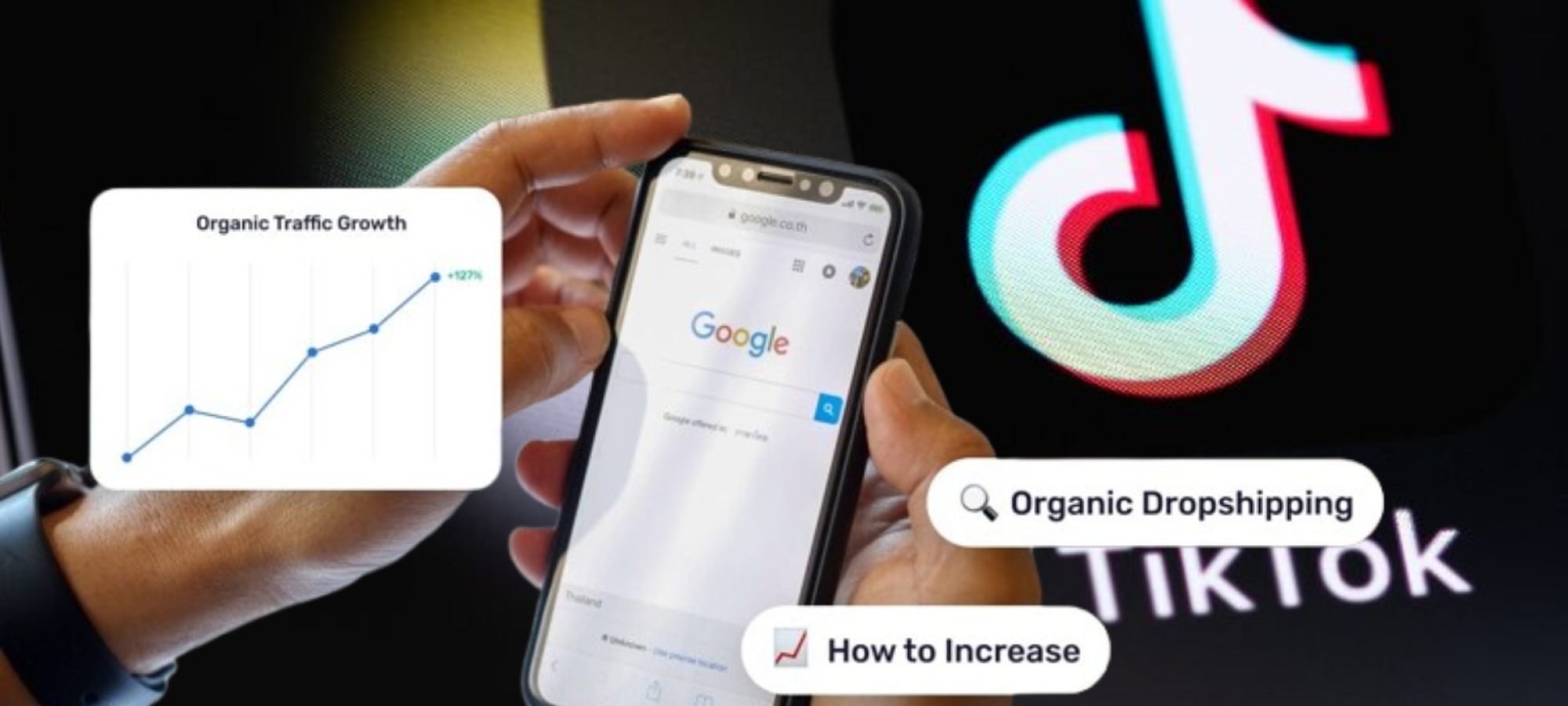

Whether you’re completely new to dropshipping or looking to move away from paid ads, organic dropshipping offers a more sustainable approach. Instead of chasing short-term results, this model focuses on building real visibility, trust, and traffic through content. To help you understand the process clearly, this guide breaks everything down step by step from product selection to scaling with organic traffic.
In this guide, you will learn:
- What organic dropshipping is and how it works step by step
- Way to find winning products with real scaling potential
- Which platforms work best for organic dropshipping and why
- The pros, cons, and challenges of this business model
What is Organic Dropshipping?
Organic dropshipping is a modern e-commerce model that allows entrepreneurs to sell products without relying on paid advertising. Instead of spending on ads, sellers leverage free marketing channels such as TikTok, Instagram Reels, SEO-optimized content, and user-generated content to drive traffic and attract potential customers.
The core of this approach is creating engaging, platform-specific content that can go viral or rank in search engines, helping your store gain visibility without upfront ad costs.
While this model significantly reduces startup expenses compared to traditional dropshipping, it requires consistent effort and time to find trending products, produce high-quality content, and grow a loyal audience.
How Organic Dropshipping Works: Step-by-Step
Organic dropshipping works by selling products without ads, using free marketing to attract customers, relying on suppliers for fulfillment, and building a brand through engaging, consistent content that solves problems or entertains, rather than just selling. You trade ad spend for time, creating valuable content that drives traffic to your store over time, with platforms like TikTok often used for viral product demos and problem-solving videos that link directly to your shop.
Step 1: Find a winning product
Choosing the right product is the foundation of organic dropshipping. A winning product helps you balance costs and profit without relying on paid ads. Since organic traffic takes time to build, your product must generate enough margin per sale to stay profitable while you test content and scale later. More importantly, a strong product has long-term potential, allowing you to grow consistently instead of chasing short-lived trends.
A winning product also makes content creation easier. Products that clearly solve a problem or deliver an obvious benefit are more likely to get views, shares, and saves. This organic reach is what drives sustainable traffic and sales over time.
Key criteria of a winning product include:
- Solves a clear, everyday problem
- Can be demonstrated visually in short videos
- Useful year-round, not seasonal
- Appeals to a broad audience or a clear niche
- Lightweight and easy to ship
- Allows healthy profit margins after product and shipping costs
- Has potential to scale with multiple content angles
To find these products, start with free trend-based tools. TikTok is one of the strongest platforms for organic product discovery. Search keywords related to your niche and filter by “Most liked” or “Most recent” to spot repeating products and formats. TikTok Creative Center also shows trending products, hashtags, and video styles.
Google Trends is another free tool that helps validate demand. Look for products with steady or growing interest over time, rather than sharp spikes that quickly fade. Pinterest Trends can also reveal evergreen product ideas, especially for lifestyle, home, beauty, and fitness niches.
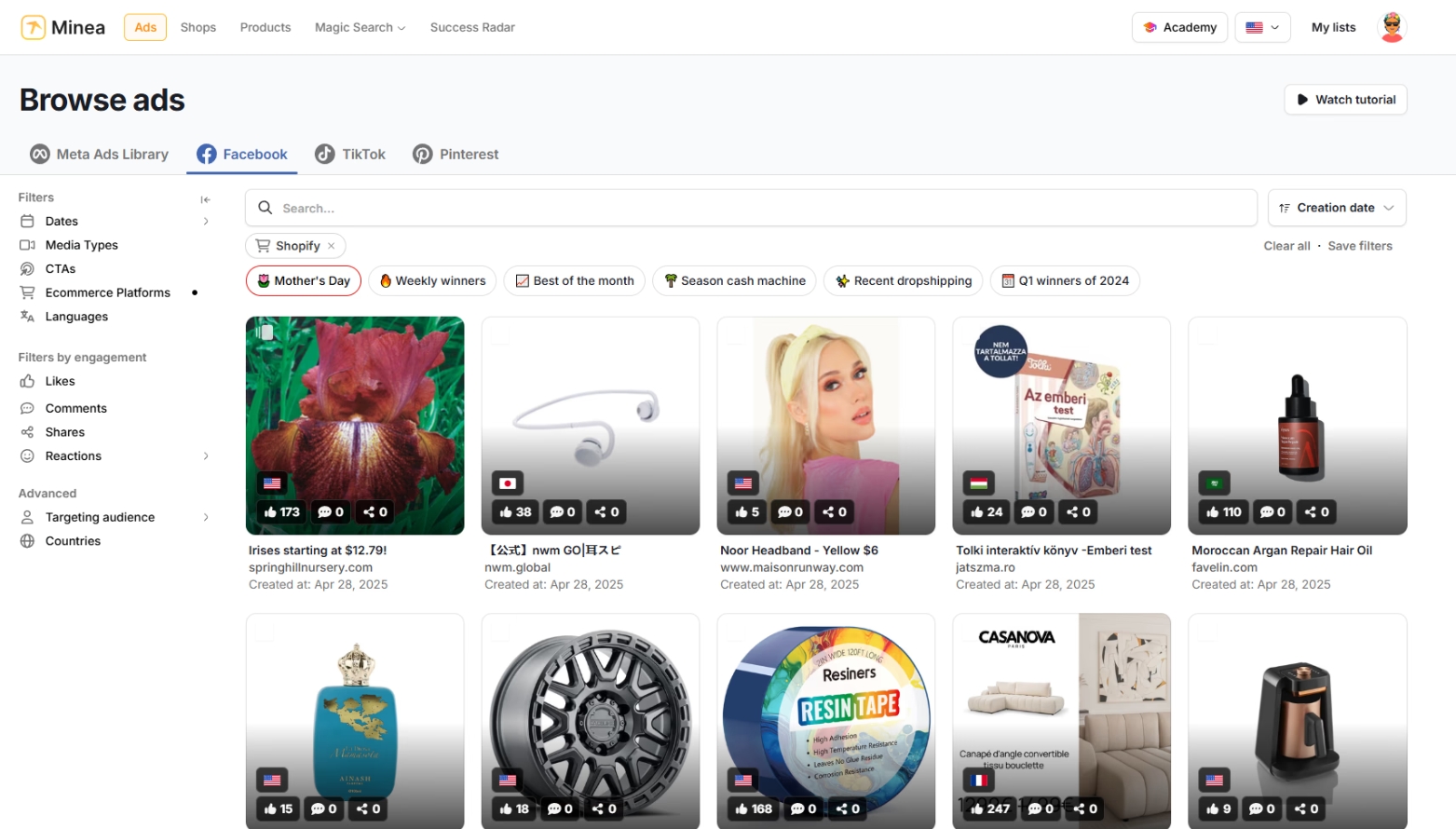
Many experienced sellers use ad spy tools like Minea to find winning products by analyzing competitors’ ads. If a product is scaling with paid traffic, it usually means strong demand and proven conversion.
Step 2: Set Up Your Store
Once you have a winning product, the next step is setting up your online store. Your store is where traffic turns into sales, so it should be simple, clear, and easy to navigate. Focus on listing one main product first and price it with a healthy markup to ensure profit.
Shopify is the most popular platform worldwide for dropshipping due to its ease of use, flexibility, and large app ecosystem. WooCommerce is another common option for those using WordPress, offering more control and customization. Marketplaces like Etsy are also suitable for specific niches but offer less branding freedom.
Some sellers also use platforms like BettaMax, which allows you to create a store and start selling with minimal setup and free access to core features. This can be useful for beginners who want to test products quickly without heavy upfront costs.
Step 3: Create Organic Content
Organic content is the core of organic dropshipping. This step determines whether your store succeeds or fails. Since you are not paying for ads, your content must do the work of attracting attention, building trust, and driving sales. Platforms only push content that users actually engage with, so your goal is to create content that fits both user behavior and platform algorithms.
At its core, organic dropshipping is simple: If your content is not genuinely useful, entertaining, or problem-solving, it will not scale.
- Your content should highlight the product’s benefits through formats that people already enjoy consuming.
- Short videos such as product demos, unboxings, before-and-after results, and real-life use cases tend to perform best.
- Blog posts and images still matter, especially for SEO and long-term traffic, but video is now the primary driver of organic reach.
To maximize visibility, your content must align with current platform trends. This includes using trending formats, sounds, hooks, and storytelling styles that keep viewers watching. The longer people stay engaged, the more likely the algorithm is to recommend your content to a wider audience.
Today, video-first strategies dominate organic dropshipping. Short-form video on platforms like TikTok, Instagram Reels, and YouTube Shorts offers the fastest path to traffic and sales. To scale content production efficiently, many sellers use AI tools to generate scripts, hooks, captions, and even visuals. AI does not replace creativity, but it significantly increases output and consistency.
Step 4: Upload on Platforms
Creating great content is only half the work. To see real results, you must distribute it consistently on the right platforms and in a way that aligns with how their algorithms work. Organic dropshipping depends heavily on platform recommendations, so visibility grows through regular po
TikTok and Instagram Reels are the most powerful platforms for short-form video and viral reach. They prioritize watch time, engagement, and native content formats. Pinterest plays a different role by driving evergreen traffic, especially for product visuals, tutorials, and problem-solving content that can perform wel
To increase the chances of your videos being recommended, focus on the following:
- Hook viewers in the first 1–3 seconds to stop scrolling
- Optimize for watch time and completion rate, not just views
- Keep videos short and fast-paced, removing dead moments
- Use on-screen text and captions for silent viewers
- Leverage trending sounds and native effects when relevant
- Encourage natural engagement (comments, saves, shares)
- Avoid hard selling, focus on value or problem-solving
- Post consistently on a stable schedule
- Adapt content to each platform instead of reposting blindly
Engagement is another key factor. Videos that receive comments, saves, and shares are more likely to be pushed further. Instead of hard selling, focus on educational or problem-solving angles and use light, natural calls to action that encourage interaction.
Consistency matters more than perfection. Posting on a stable schedule helps platforms understand your niche and audience. Over time, the algorithm learns who your content is for and begins recommending it to users most likely to engage and convert.
Step 5: Drive Traffic & Sales
Once your content gains attention, the next goal is turning viewers into store visitors and buyers.
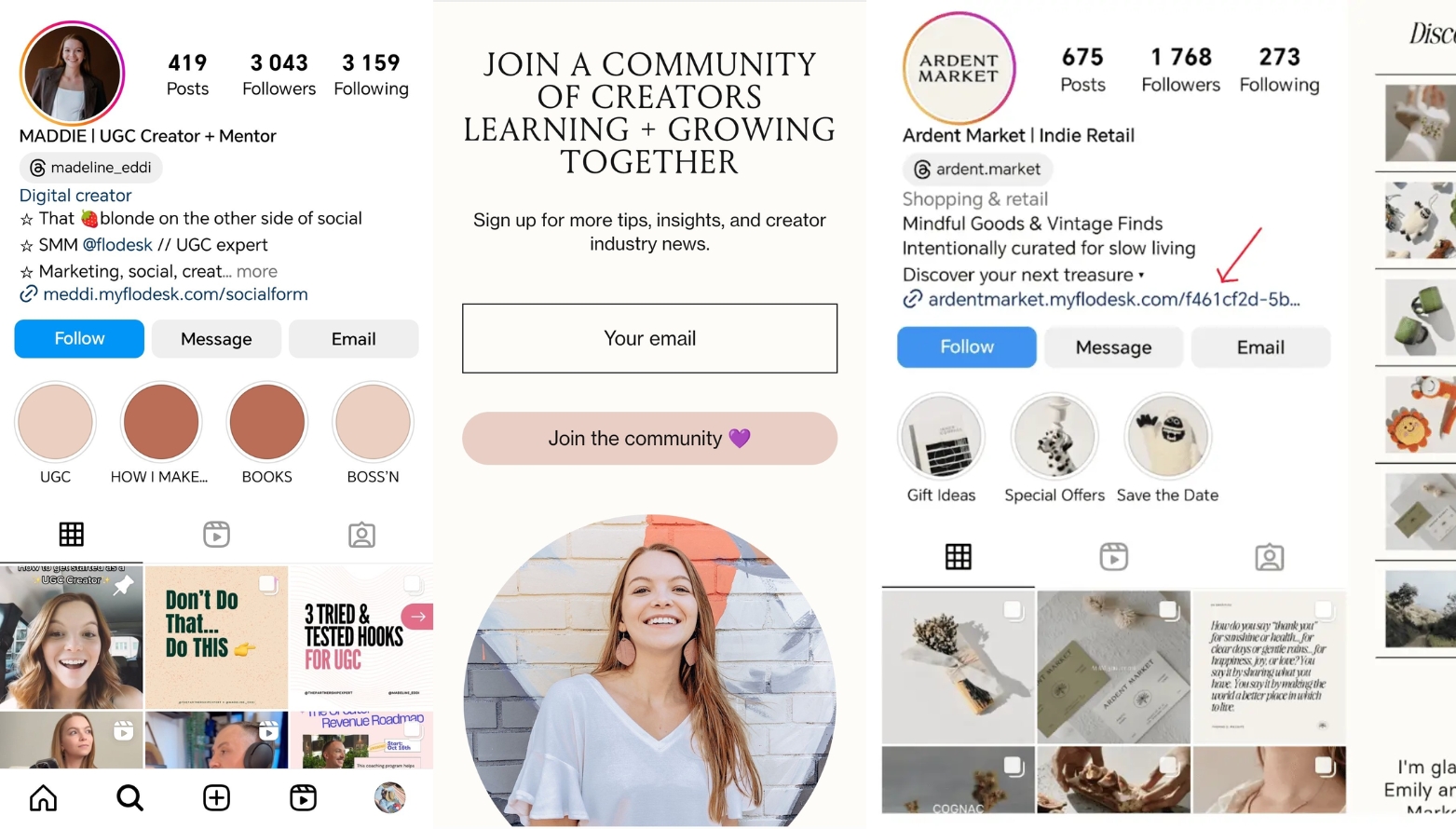
Organic dropshipping works when interest flows naturally from content to your product page. This usually happens through a simple link in your bio or profile that leads directly to your store.
To improve conversions, make the transition from content to checkout as smooth as possible. Your call to action should feel natural and match the content’s intent. Instead of aggressive selling, guide viewers with clear prompts that invite them to learn more or see the product in action.
Step 6: Supplier Fulfills Orders
When an order comes into your store, you don’t ship the product yourself. Instead, the order details are sent to your supplier, who handles packaging and ships the product directly to the customer. This is how dropshipping works.
Your responsibility is to monitor order status, provide tracking information, and support customers if any issues arise. Choosing reliable suppliers with consistent product quality and reasonable shipping times is essential for long-term success.
Top 5 Platforms for Organic Dropshipping
Choosing the right platforms is critical for organic dropshipping success. Since you are not paying for ads, each platform’s algorithm, user behavior, and content format directly affect how much free traffic you can generate. The strongest organic strategies usually combine multiple platforms, each playing a different role in traffic acquisition and scaling.
1. TikTok
TikTok is currently the most powerful platform for organic dropshipping. Its algorithm prioritizes content performance over account size, allowing new sellers to go viral quickly. If a video holds attention and drives engagement, TikTok will push it aggressively, even from a brand-new account.
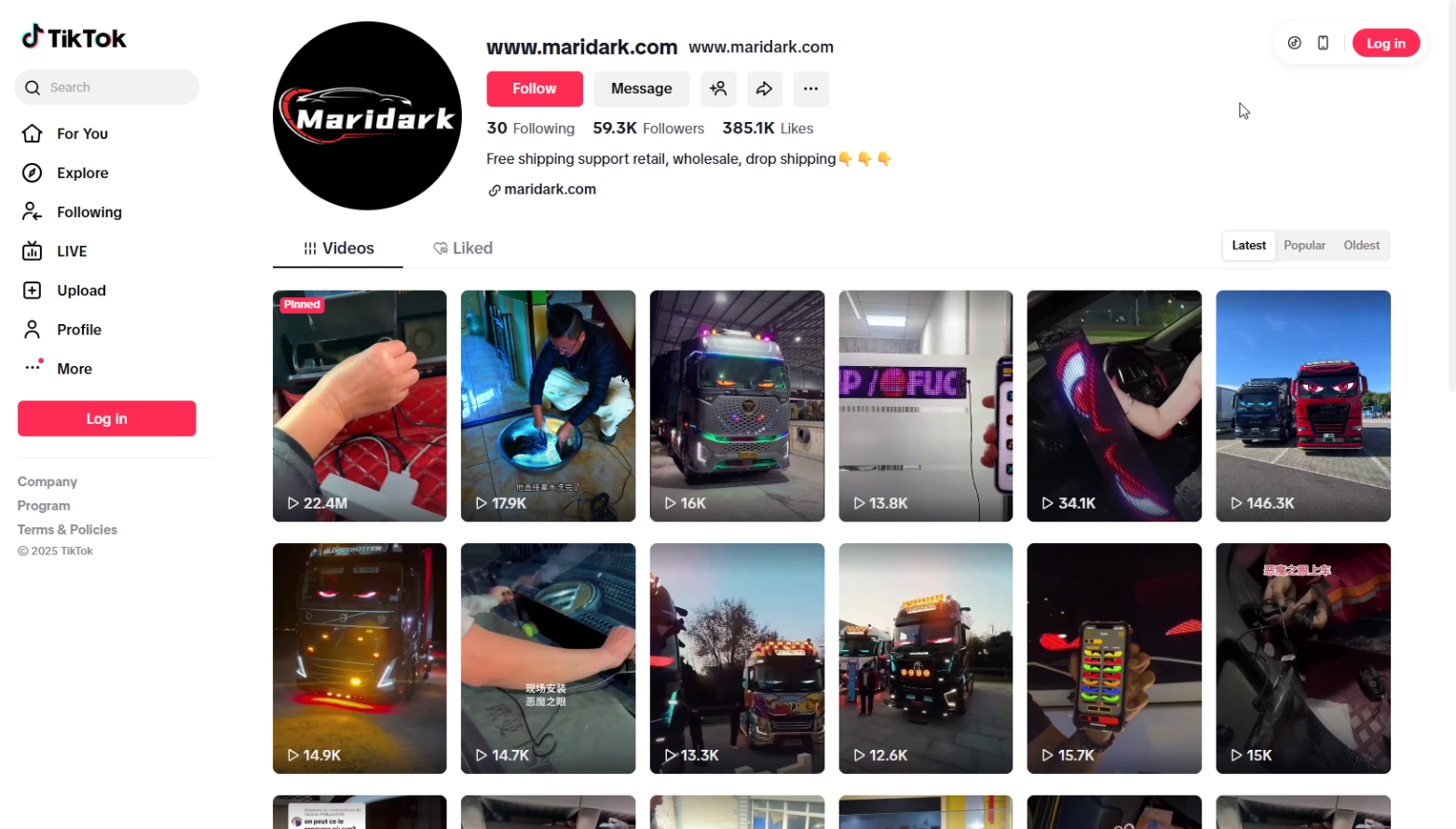
With the rollout of TikTok Shop, the gap between content and checkout is smaller than ever. Product discovery, trust-building, and purchasing can happen within the same ecosystem, which significantly increases conversion rates.
Key advantages for organic dropshipping:
- Extremely strong organic reach, even for new accounts
- Algorithm favors watch time and engagement over followers
- Ideal for product demos, problem-solving videos, and trends
- TikTok Shop enables native checkout and impulse buying
TikTok is best used to test products quickly and generate fast feedback from the market.
2. Instagram Reels
Instagram Reels is another leading platform for short-form video content, especially effective for visual and lifestyle-focused products. While organic reach is slightly more competitive than TikTok, Instagram excels at brand credibility and long-term audience building.
Reels content integrates seamlessly with Stories, Highlights, and your profile grid, helping you build trust and social proof over time. This makes Instagram especially useful for niches like beauty, fitness, fashion, and home products.
Key advantages for organic dropshipping:
- Strong short-form video distribution via Reels
- Better tools for brand identity and visual consistency
- Easy audience retargeting through Stories and profile visits
- Works well alongside influencer-style content
Instagram is ideal for turning viewers into loyal followers and repeat buyers.
3. YouTube Shorts
YouTube offers a unique advantage by combining short-form discovery with long-term search visibility. YouTube Shorts can generate viral reach similar to TikTok, while long-form videos continue to attract traffic months or even years later through YouTube search.
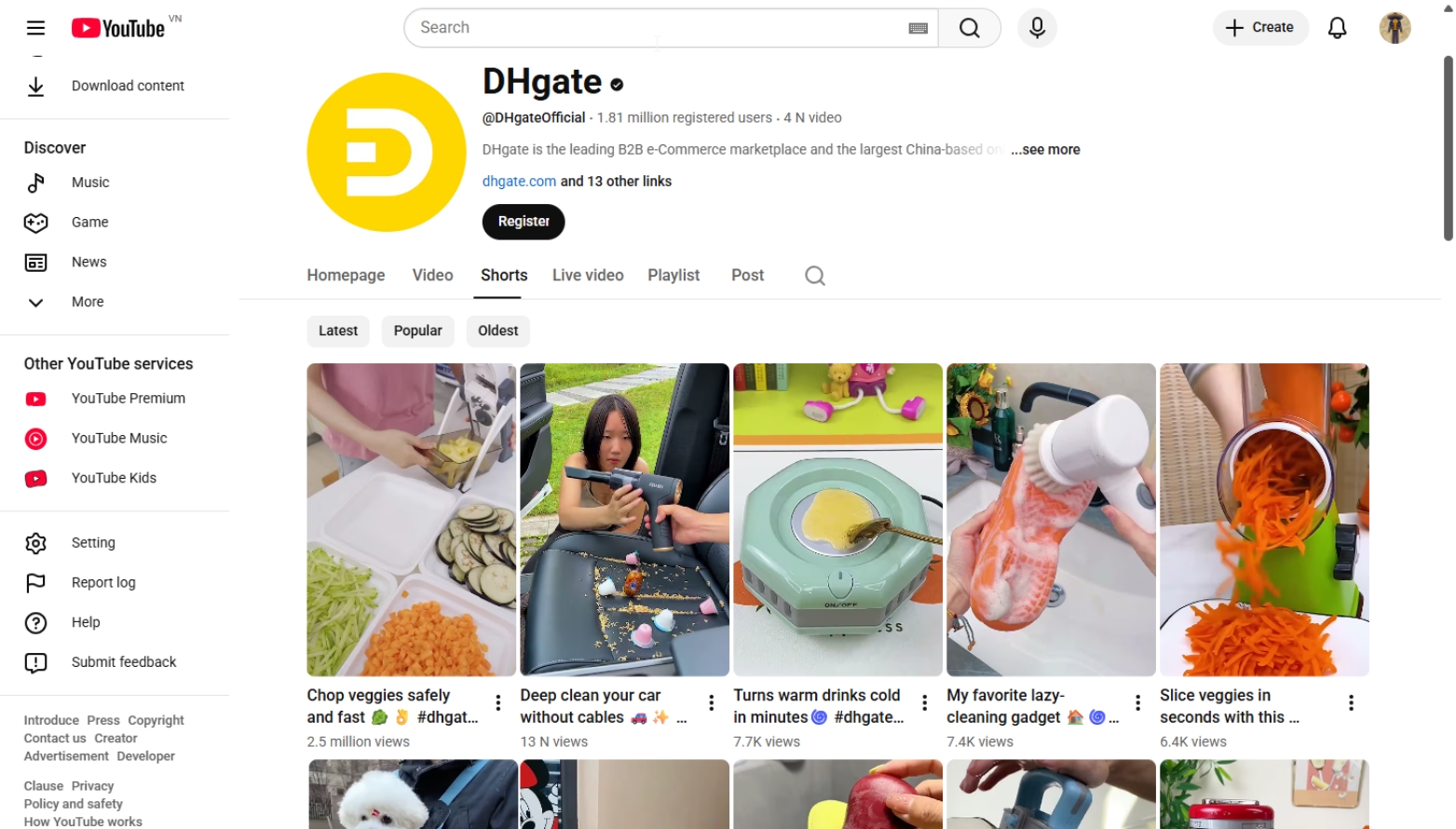
Educational content, tutorials, reviews, and comparisons perform especially well. This makes YouTube a strong platform for higher-consideration products where buyers want more information before purchasing.
Key advantages for organic dropshipping:
- Shorts provide discovery and viral potential
- Long-form videos rank in both YouTube and Google search
- High trust and authority compared to social platforms
- Evergreen traffic potential
YouTube is best for building authority and stable, long-term organic sales.
4. Pinterest
Pinterest works differently from other social platforms. It functions more like a visual search engine than a traditional social network. Pins can continue driving traffic long after they are posted, making Pinterest extremely valuable for organic dropshipping.
This platform performs best for lifestyle, home, beauty, DIY, and niche products that can be showcased visually. Pinterest users are often in a “planning” or “buying” mindset, which leads to high-quality traffic.
Key advantages for organic dropshipping:
- Long lifespan of content (pins don’t die quickly)
- Strong intent-driven traffic
- Works well for niche and evergreen products
- Minimal content creation pressure compared to video
Pinterest is ideal for consistent background traffic that compounds over time.
5. SEO (Blogs & Product Pages)
SEO is the foundation of sustainable organic dropshipping. While it takes longer to see results, it provides the most stable and predictable free traffic over time. Optimized product pages and blog posts allow customers to find your store when they are actively searching for solutions.
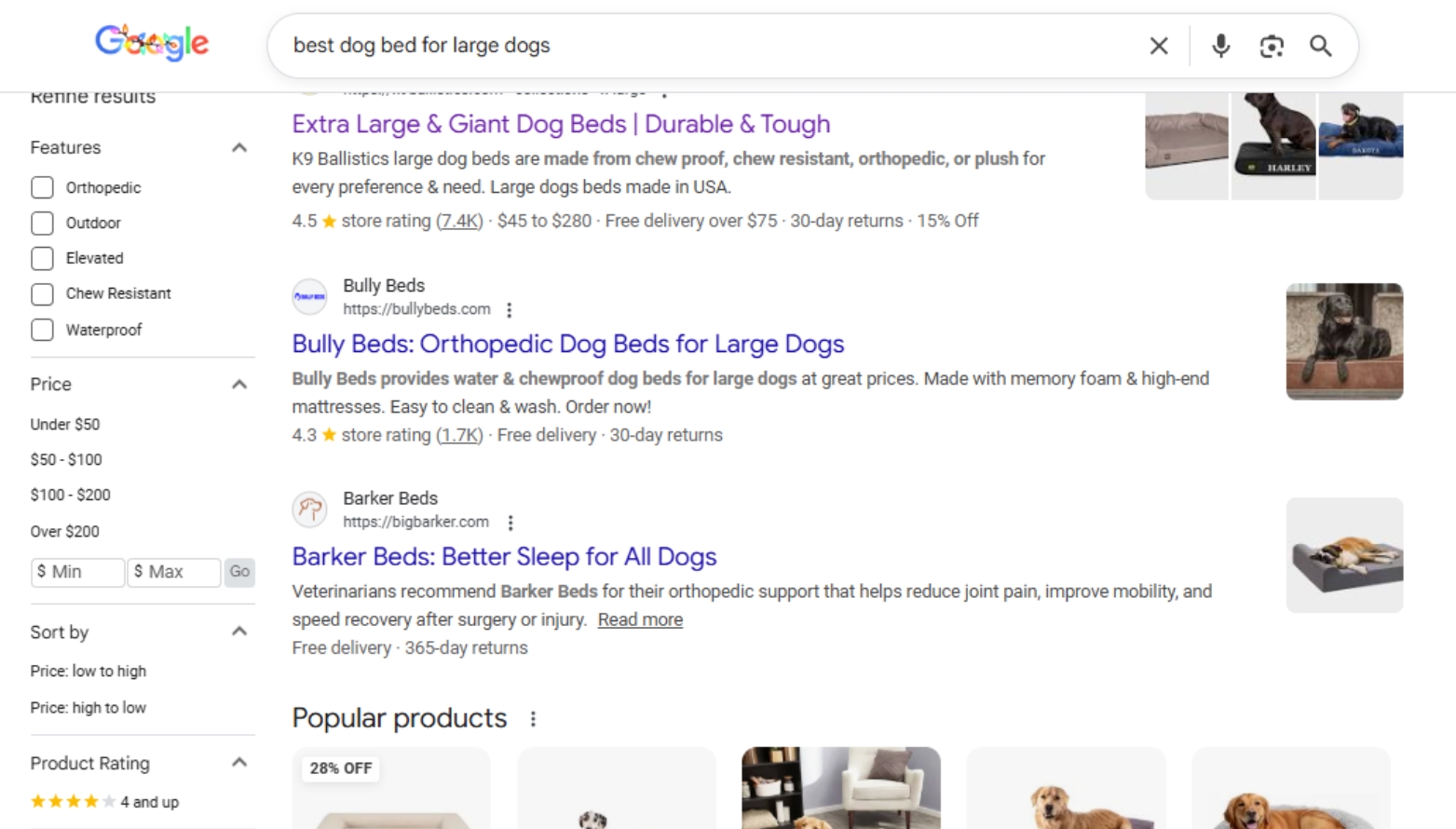
SEO is especially powerful when combined with content marketing, such as guides, comparisons, and problem-solving articles related to your products.
Key advantages for organic dropshipping:
- Highly targeted, intent-based traffic
- No dependency on social algorithms
- Scales long-term with consistent content
- Builds brand authority and trust
SEO works best as a long-term asset that supports and stabilizes traffic from social platforms.
Pros and Cons When Doing Organic Dropshipping
Organic dropshipping offers a unique opportunity to start an online business with minimal financial risk, but it also comes with clear trade-offs. Understanding both the advantages and challenges helps set realistic expectations and allows you to build a strategy that fits this model.
Pros of organic dropshipping
- Low Cost to Start: One of the biggest advantages of organic dropshipping is the low upfront cost. You don’t need a budget for paid ads, which eliminates one of the largest risks in traditional dropshipping. Instead of spending money on advertising, you invest time and effort into creating content. This makes the model especially attractive for beginners or those with limited capital.
- Sustainable Long-Term Growth: Unlike paid ads that stop working once you stop spending, organic traffic can continue generating sales over time. As your content library grows, so does your visibility. Successful accounts build a loyal audience that trusts the brand, leading to repeat customers and more stable revenue.
- Beginner-Friendly Entry Point: Organic dropshipping has a lower barrier to entry compared to ad-heavy models. You don’t need advanced ad management skills, large testing budgets, or complex analytics setups. Beginners can start by learning content creation, understanding audience behavior, and improving over time with real feedback from the platform.
Cons and challenges of organic dropshipping
- Time-Intensive Content Creation: The biggest cost in organic dropshipping is time. Creating, editing, and posting content consistently requires daily effort. Unlike ads, where you can scale quickly with money, organic growth depends on patience and persistence. Results come from volume, testing, and iteration.
- Slower Growth Compared to Paid Ads: Organic dropshipping takes longer to generate significant sales. While paid ads can drive traffic almost instantly, organic content needs time to be discovered, tested by the algorithm, and shared with larger audiences. This slower ramp-up can be frustrating for sellers expecting quick results.
- Market Saturation and Copycats: Viral products attract competition fast. Once a product starts performing well organically, others quickly replicate the idea, content style, and offer. Standing out requires creativity, strong branding, and continuous improvement rather than relying on a single viral video.
- Platform Dependency and Algorithm Risk: Organic dropshipping depends heavily on platform algorithms. Changes in reach, recommendation systems, or policy updates can impact visibility overnight. What works today may not work tomorrow, making diversification across multiple platforms and content formats essential.
Is that Free to Start Organic Dropshipping?
One of the biggest advantages of organic dropshipping is that you can start without spending money on paid ads. Unlike traditional dropshipping, where advertising is often the largest expense, organic dropshipping leverages free traffic sources such as TikTok, Instagram Reels, SEO-optimized content, and user-generated content to attract customers.
However, while you don’t need a large budget, there are still some minimal costs to get your business running smoothly:
- Domain name & e-commerce platform fee
- Phone number or SIM card
- Basic content creation tools
- Optional minimal tools
These costs are very low compared to advertising, and they are usually one-time or recurring at a small monthly fee. In fact, the most expensive part of traditional dropshipping is paid ads, which you completely bypass with organic dropshipping.
Conclusion
Organic dropshipping is not about shortcuts or quick wins. It is a business model built on consistency, value-driven content, and long-term thinking. By replacing ad spend with time and creativity, sellers can build sustainable traffic sources and stronger brand trust over time.
While organic dropshipping requires patience and daily effort, it offers a low-risk entry point and long-term upside. Sellers who understand platform behavior, focus on useful content, and choose scalable products are far more likely to succeed than those chasing short-term viral trends.