Many new entrepreneurs struggle to understand wholesale vs retail, especially when it comes to pricing, profit margins, and choosing the right business model. If you miscalculate pricing or pick the wrong strategy, profits disappear quickly.
In this guide, BettaMax will explain wholesale vs retail clearly so you can make smarter business decisions.
What is Wholesale vs Retail?
What is Wholesale?
Wholesale is a business model where products are sold in bulk to other businesses that will resell them. A wholesaler purchases large quantities of products directly from manufacturers at reduced prices, then sells these products in bulk to retailers, distributors, or other businesses. The wholesaler’s customers are other businesses, not individual consumers.
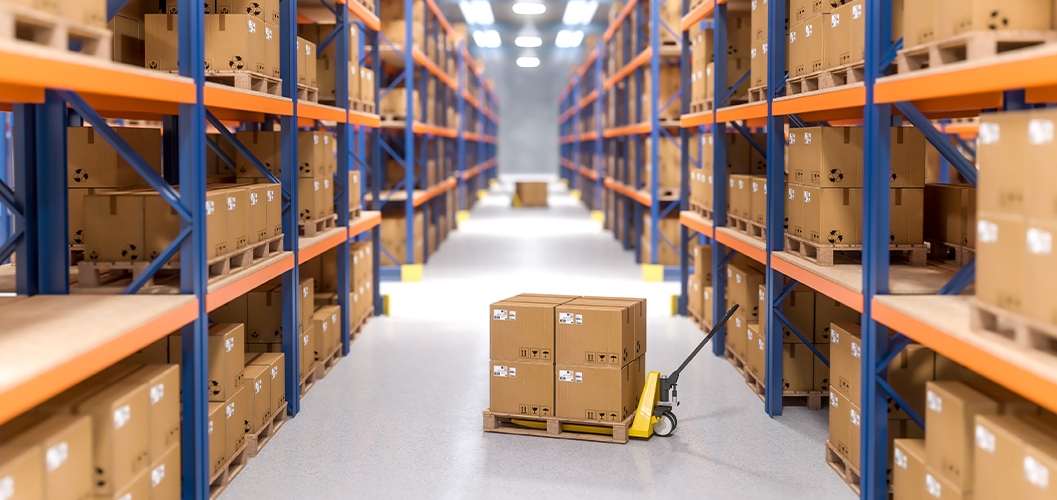
Wholesalers serve a critical role in the supply chain by aggregating products from manufacturers and distributing them to retailers. A clothing manufacturer might produce thousands of shirts monthly, but they cannot directly reach every boutique and department store that wants to sell their products. Wholesalers connect manufacturers with retailers, making the supply chain efficient.
Wholesale transactions typically involve large order quantities, favorable pricing due to volume, and business-to-business relationships. A wholesaler might sell five thousand units of a product to a retail chain, not individual products to consumers.
What is Retail?
Retail is the business model where products are sold directly to end consumers. A retailer purchases products from wholesalers, distributors, or directly from manufacturers, then sells individual items or small quantities to consumers. The retailer’s customers are the end users of the products.

Retail businesses are the storefronts consumers interact with daily: supermarkets, clothing boutiques, electronics stores, furniture shops, and online e-commerce stores. The retailer handles marketing, customer service, returns, and the consumer-facing experience. They set prices for individual items and manage the transaction with consumers.
What is the Difference Between Retail vs Wholesale?
The fundamental difference is who the customer is and how much they buy. Wholesalers sell in bulk to other businesses. Retailers sell individual items to consumers. This position in the supply chain determines everything else about each business model: the order sizes, pricing, profit margins, inventory management, and marketing approach.
Wholesale vs Retail: How the Business Models Work
The Wholesale Business Model
Wholesale operates through bulk purchasing and distribution. A wholesaler identifies products with demand, negotiates favorable pricing from manufacturers for large quantities, stores this inventory, and then sells it to retailers in bulk orders. Payment typically comes from established customers through business terms like Net 30 or Net 60, meaning the retailer pays thirty to sixty days after receiving the products.
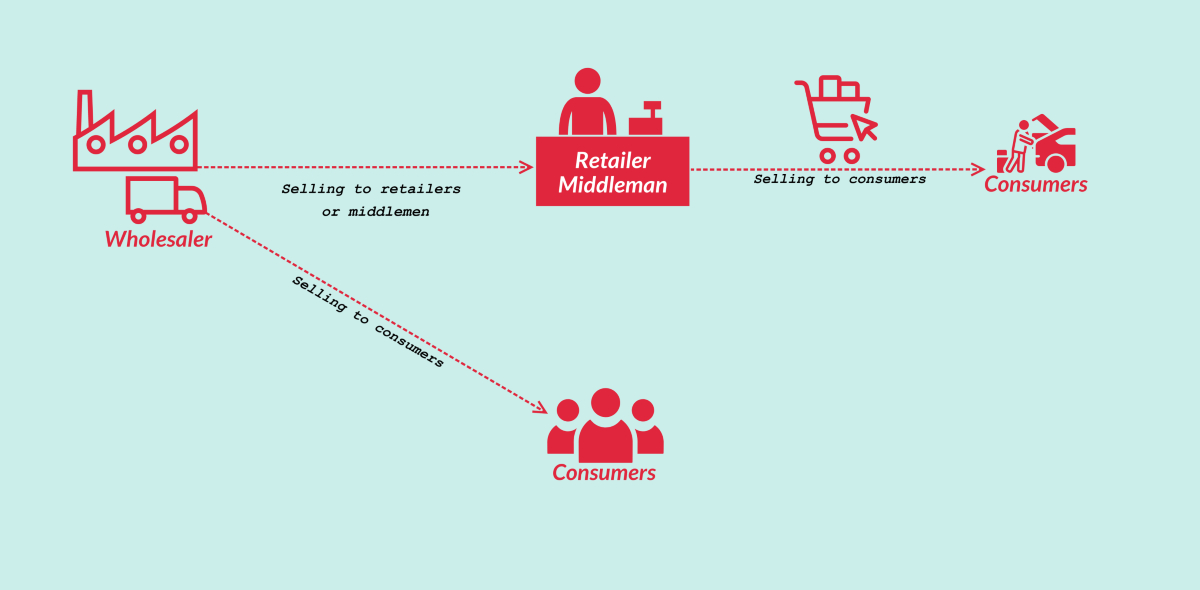
Wholesale relationships are typically long-term and stable. A wholesaler might have the same retail customer for years, providing consistent inventory replenishment. This predictability allows wholesalers to plan inventory and negotiate better terms with manufacturers.
The wholesale channel includes several types of businesses. Direct wholesalers buy from manufacturers and sell to retailers. Distributors operate similarly but often provide additional services like warehousing and logistics. Cash-and-carry wholesalers sell in bulk for immediate payment without extended terms.
The Retail Business Model
Retail operates through direct consumer sales. A retailer purchases inventory from wholesalers or distributors, displays these products where consumers can browse, and sells individual items or small quantities. Retail businesses are customer-facing, handling marketing to attract shoppers, customer service to support purchases, and returns management.
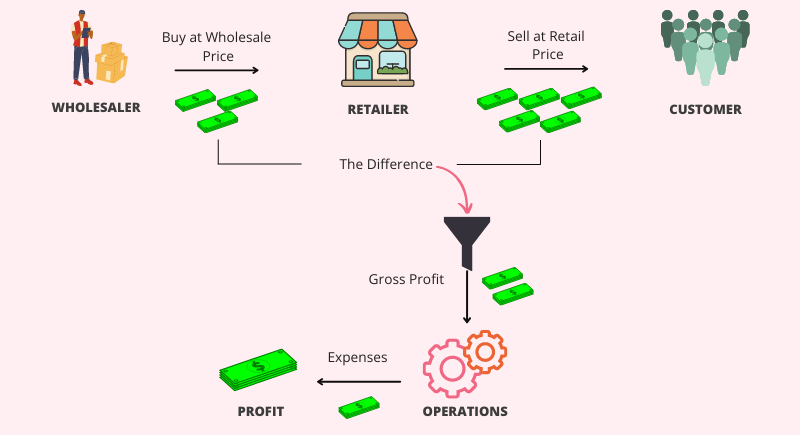
Retail pricing is typically much higher than wholesale because it includes the retailer’s operational costs and profit margin. Consumers pay full retail price for individual items. Payment is immediate through cash, credit cards, or digital payments, not extended business terms.
Retail success depends heavily on customer acquisition. Online retailers use paid advertising, content marketing, and social media to drive traffic. Physical retailers depend on location, foot traffic, store design, and in-store experience.
Can a Business Do Both Wholesale and Retail?
Many successful businesses operate hybrid models, selling both wholesale to other businesses and retail directly to consumers. A clothing brand might sell to major retail chains while also operating their own website selling directly to consumers. This diversified approach reduces dependence on a single channel.
Hybrid models offer advantages: wholesaling provides stable large orders that utilize manufacturing capacity efficiently, while retail direct-to-consumer sales capture full retail margins and build brand loyalty through direct customer relationships.
Wholesale vs Retail: Key Differences Explained
Target Customers
Wholesale targets other businesses: retailers, distributors, restaurants, and other operations that resell products. The customer is a business buyer evaluating products for their own business purposes. They care about bulk pricing, reliability, and business terms.
Retail targets individual consumers making personal purchases. The customer evaluates products based on price, quality, aesthetics, and personal needs. They purchase individual items or small quantities for their own use.
Sales Volume and Order Size
Wholesale transactions involve large quantities. A typical wholesale order might be one thousand, five thousand, or ten thousand units. The wholesaler expects bulk orders and prices accordingly.
Retail transactions involve individual items or small quantities. A consumer might purchase one shirt, two pairs of shoes, or six books. Retail businesses aggregate many small transactions to create business volume.
Profit Margins
Wholesale operates on lower profit margins, typically fifteen to thirty percent. Because prices are reduced for bulk purchases, wholesalers make profit through volume. A wholesaler selling one thousand units at five dollars profit per unit makes five thousand dollars total profit.
Retail operates on higher profit margins, typically forty to one hundred percent depending on the product category. A retailer buying at wholesale and selling at retail markup captures this margin spread. However, retail must cover significantly higher operational costs including store rent, staff, marketing, and customer service.
Inventory Management
Wholesale requires significant warehousing capacity. Wholesalers maintain large inventory quantities to fulfill bulk orders from multiple customers. They manage warehouse operations, logistics, and inventory tracking for thousands or millions of units.
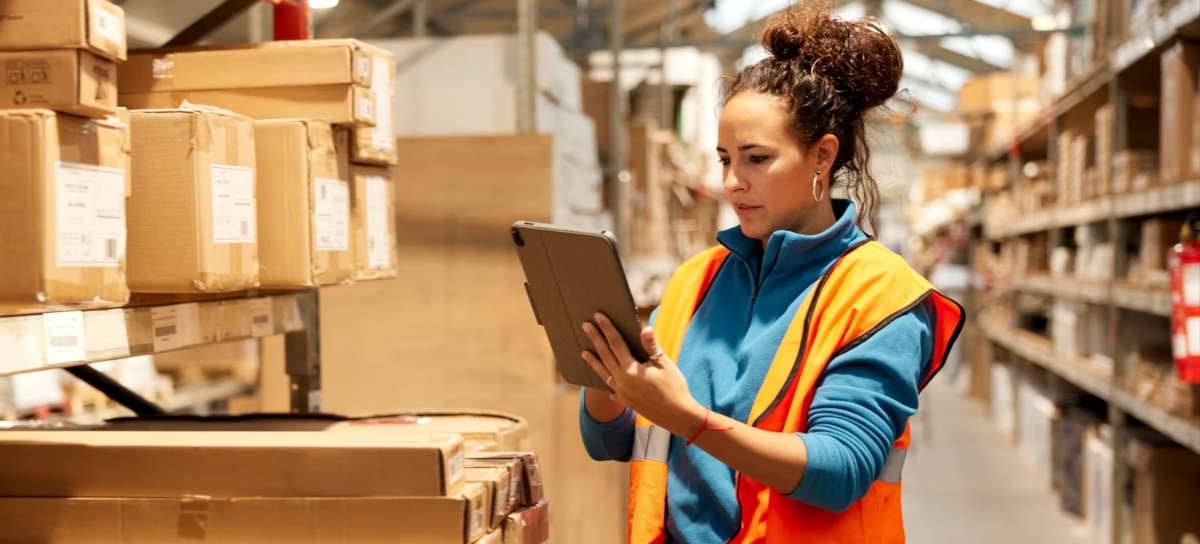
Retail requires less inventory per business overall, but they must manage inventory across potentially many locations. Inventory planning is critical because running out of stock loses sales, while excess inventory wastes cash and storage space.
Payment Terms
Wholesale typically uses extended payment terms. Retailers pay Net 30, Net 60, or sometimes Net 90, meaning they pay thirty to ninety days after receiving products. This allows retailers to sell the products and generate cash before paying the wholesaler.
Retail is immediate payment through cash, credit card, or digital payment. Consumers pay before or at the moment of purchase. This immediate payment cash flow is a significant advantage of retail operations.
Marketing and Branding
Wholesale requires minimal marketing because customers actively seek bulk products for their businesses. Marketing focuses on industry trade shows, sales representatives, and direct relationships.
Retail requires substantial marketing investment to drive consumer awareness and attract customers. Retailers invest heavily in advertising, social media, content, and brand building to compete for consumer attention.
Comprehensive Comparison Table: Wholesale vs Retail
| Aspect | Wholesale | Retail |
|---|---|---|
| Definition | Selling products in bulk to other businesses for resale | Selling individual items directly to consumers |
| Business Model | B2B (Business-to-Business) | B2C (Business-to-Consumer) |
| Target Customer | Other businesses (retailers, distributors, restaurants) | Individual consumers and end users |
| Order Size | Large quantities (hundreds, thousands, or millions of units) | Individual items or small quantities |
| Order Frequency | Consistent large orders from established customers | Many small transactions from various customers |
| Typical Order Value | High ($5,000-$100,000+ per order) | Low ($10-$500 per transaction) |
| Profit Margin | Lower (15-30% typical) | Higher (40-100% typical) |
| Profit Model | Volume-driven profitability | Margin-driven profitability |
| Payment Terms | Extended business terms (Net 30, Net 60, Net 90) | Immediate payment (cash, credit card, digital) |
| Payment Timing | 30-90 days after delivery | At point of purchase |
| Inventory Requirements | Large warehousing capacity needed | Moderate inventory across locations |
| Inventory Focus | Bulk storage and logistics | Stock turnover and variety |
| Price per Unit | Lowest in supply chain (bulk discount) | Highest in supply chain (full retail) |
| Marketing Investment | Minimal (industry shows, sales teams, direct sales) | Substantial (advertising, social media, brand building) |
| Customer Acquisition Cost | Low (B2B relationships) | High (consumer marketing) |
| Customer Relationships | Long-term stable contracts | Individual transactions, repeat purchases encouraged |
| Branding Importance | Lower importance | Higher importance |
| Customer Service | B2B account management | B2C support and returns |
| Returns Management | Typically limited return policies | Frequent returns and exchanges |
| Supply Chain Position | Middle layer (between manufacturer and retail) | Final layer (directly to consumer) |
| Operational Complexity | Moderate (logistics, inventory, B2B relationships) | High (marketing, customer service, store operations) |
| Capital Requirements | High (inventory investment) | Moderate to High (inventory + marketing) |
| Business Relationships | Few large customers | Many small customers |
| Customer Concentration Risk | High (losing major customer is critical) | Low (many customers diversify risk) |
| Pricing Control | Limited by manufacturer supply agreements | Full control over retail pricing |
| Geographic Reach | Often regional or multi-state distribution | Can be local or global via e-commerce |
| E-commerce Presence | Online B2B marketplaces (Alibaba, Global Sources) | E-commerce websites and marketplaces |
| Typical Examples | Food distributors, clothing wholesalers, office supply distributors | Supermarkets, boutiques, online stores, department stores |
| Profit per Unit | Low ($2-10 per unit typical) | High ($20-100+ per unit typical) |
| Break-Even Point | High volume required | Lower volume required |
| Scalability | Scales through volume and geographic expansion | Scales through marketing and channel expansion |
| Industry Examples | Restaurant supply wholesalers, pharmaceutical distributors | Fashion retailers, grocery stores, tech retailers |
Detailed Comparison: Real Business Scenarios
This table above captures the major differences, but understanding how these play out in real situations helps clarify the choice between models.
Wholesale Scenario: Office Supply Distributor
An office supply wholesaler purchases paper, pens, folders, and other products from manufacturers in bulk quantities. They maintain a regional warehouse holding thousands of units. A large office furniture company orders five thousand reams of paper monthly at a wholesale price of three dollars per ream.
The wholesaler’s cost is two dollars per ream, generating one dollar profit per ream. With five thousand reams monthly, that is five thousand dollars monthly profit from this single customer, and they have dozens of similar customers. Their business scales through volume and relationship stability.
Retail Scenario: Online Office Supply Store
An online office supply retailer purchases the same paper from the wholesaler at three dollars per ream. They list it on their website at nine dollars per ream. They invest five hundred dollars monthly in Google Ads and social media marketing to drive customer traffic. An individual customer purchases one ream for nine dollars.
The retailer’s cost is three dollars, their profit is six dollars per ream. They sell hundreds of reams monthly from their marketing investment. Their business scales through effective marketing and customer acquisition.
Pricing Comparison Example
Looking at the same product through the supply chain:
- Manufacturer cost: $1.50 per ream
- Wholesale price (manufacturer sells to wholesaler): $2.00 per ream (manufacturer profit: $0.50)
- Wholesale price (wholesaler sells to office furniture company): $3.00 per ream (wholesaler profit: $1.00)
- Retail price (retailer sells to consumer): $9.00 per ream (retailer profit: $6.00)
The consumer pays nine dollars, while the manufacturer earns only fifty cents. The wholesaler captures one dollar, and the retailer captures six dollars. This illustrates how profit is distributed through the supply chain.
Wholesale vs Retail Price: How Pricing Works
What Is Wholesale Price vs Retail Price?
Wholesale price is the cost at which a product is sold in bulk from a manufacturer or wholesaler to a retailer. This is typically the lowest price in the supply chain because it reflects bulk discounts and reduced distribution costs.
Retail price is the final price charged to consumers. This includes the wholesale cost, plus the retailer’s operating expenses, and profit margin. Retail price is what shoppers pay at stores or online.
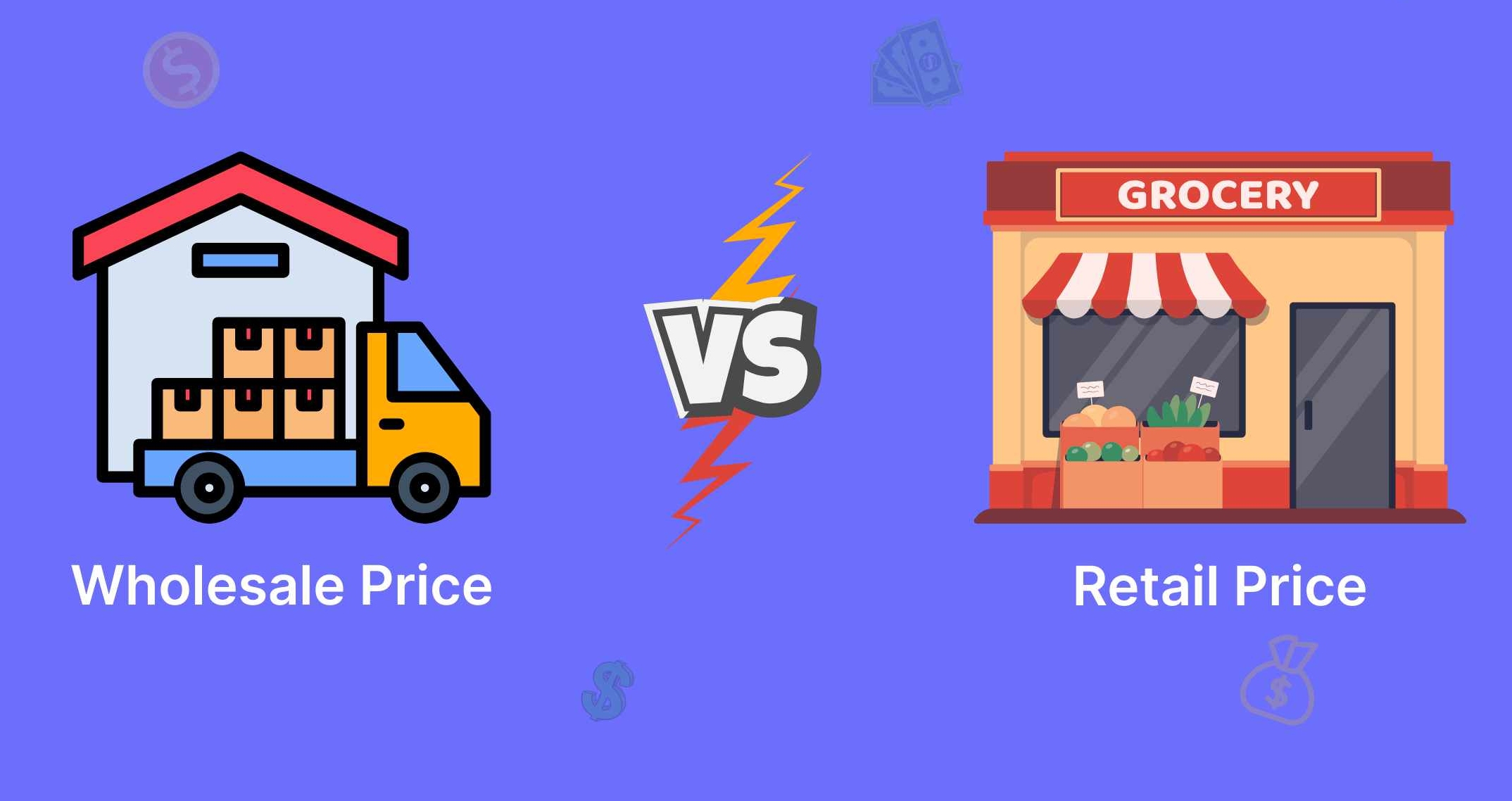
The gap between wholesale and retail can be substantial. A product wholesale cost might be ten dollars while retail price is thirty dollars. The retailer’s markup of twenty dollars covers their costs and profits.
Why Wholesale Prices Are Lower Than Retail Prices
Wholesale prices are lower due to several economic factors. First, bulk discounts are inherent to wholesale pricing. Manufacturers offer reduced per-unit prices when buyers purchase large quantities because the manufacturer’s costs decrease with volume production.
Second, wholesale pricing reflects distribution economics. A wholesaler purchasing one million units from a manufacturer has dramatically lower per-unit costs than purchasing one thousand units. These economies of scale translate to lower wholesale prices.
Third, wholesalers sell primarily to other businesses that handle their own marketing and customer acquisition. The manufacturer or wholesaler does not bear marketing costs for each unit, so pricing reflects that cost reduction.
Average Margin Between Wholesale and Retail
The typical margin between wholesale and retail is two to four times the wholesale price, though this varies by product category. Fashion retail often has three times the wholesale price. Grocery retail might be one and one-half times the wholesale price. Luxury goods might be five or six times the wholesale price.
Understanding this margin structure helps both retailers and manufacturers understand pricing strategy and profitability.
Wholesale vs Retail: Advantages and Disadvantages
Advantages of Wholesale
Wholesale offers several compelling advantages. Large orders provide consistent volume, allowing manufacturers to operate efficiently and wholesalers to build predictable business. Wholesale relationships tend to be stable, providing business continuity.
Wholesale requires relatively low marketing investment because businesses actively seek suppliers. A wholesaler needs a sales team and trade show presence, but not expensive consumer advertising.
Wholesale operations can be relatively streamlined. Wholesalers focus on operations, inventory management, and customer service to other businesses, not consumer-facing marketing and brand building.
Disadvantages of Wholesale
Lower profit margins mean higher volume is required to generate significant profit. A wholesaler needs to sell many units to create substantial revenue.
Wholesale requires substantial upfront inventory investment. Holding thousands or millions of units in warehousing requires significant capital. If products do not sell, this inventory becomes dead weight.
Wholesale depends heavily on a few large customers. Losing one major retail customer can devastate a wholesale business. Diversification is essential but challenging.
Advantages of Retail
Retail offers significantly higher profit margins, allowing for better profitability even with lower sales volume. A retailer selling one thousand units at high margins can outprofit a wholesaler selling ten thousand units at low margins.
Retail provides direct customer relationships and brand control. The retailer owns the customer relationship, controls the brand experience, and can build loyalty and repeat purchases.
Retail allows for product curation and specialization. A boutique can create a unique brand experience around specific products that appeals to a specific customer base.
Disadvantages of Retail
Retail requires substantial marketing investment to drive customer awareness and acquisition. Consumer marketing is expensive and competitive.
Retail requires managing customer service, returns, complaints, and negative reviews. Consumer-facing operations are demanding and time-consuming.
Retail requires careful inventory management. Overstocking ties up capital in unsold inventory. Understocking loses sales opportunities.
Wholesale vs Retail: Which Business Model Is More Profitable?
Profit Potential in Wholesale
Wholesale profitability comes from volume. Lower margins on each unit combine to create profit when selling in large quantities. A wholesaler selling one million units at five dollar profit per unit creates five million dollars in profit.
Wholesale businesses can achieve significant scale and profitability, but require substantial operational infrastructure and inventory investment.
Profit Potential in Retail
Retail profitability comes from margins. Higher margins on each unit mean significant profit from smaller sales volumes. A retailer selling five thousand units at thirty-seven dollar fifty profit per unit creates one hundred eighty-seven thousand five hundred dollars in profit.
Retail has lower infrastructure requirements than wholesale but requires marketing investment to drive customer acquisition.
Factors That Influence Profitability
Product type significantly influences profitability. Physical products with shipping costs favor wholesale due to volume discounts offsetting shipping. Digital products favor retail due to near-zero distribution costs.
Supply chain efficiency determines profitability in both models. Wholesalers with efficient logistics and inventory management outperform those with inefficient operations. Retailers with good inventory turnover outperform those holding excess stock.
Market competition impacts profitability. Commoditized products in both wholesale and retail have lower margins. Differentiated products command higher margins.
When to Choose Wholesale vs Retail for Your Business
Choose Wholesale If
You prefer selling to other businesses rather than consumers. Wholesale relationships can be more professional and less emotionally demanding than consumer interactions.
You can handle bulk inventory requirements and have access to warehousing and logistics infrastructure. Wholesale requires capital and operational capability.
You want stable, large orders and are comfortable with lower per-unit margins. Wholesale success comes from consistent volume and operational efficiency.
Choose Retail If
You want higher profit margins and are willing to invest in marketing and customer acquisition. Retail margins are attractive enough to justify marketing investment.
You enjoy brand building, marketing, and direct customer interaction. Retail success depends on creating compelling brand experiences.
You want to sell directly to consumers and build a customer base for repeat purchases and loyalty. Retail allows for direct customer relationships.
The Role of E-commerce in Wholesale and Retail
E-commerce has transformed both wholesale and retail. Online wholesale marketplaces like Alibaba, Global Sources, and industry-specific platforms connect wholesalers with buyers globally. Wholesalers no longer depend solely on local relationships and trade shows.
Direct-to-consumer retail through e-commerce has exploded. Brands now sell directly to consumers online, capturing full retail margins and building customer relationships without retailer intermediaries.
Omnichannel strategies combine wholesale, traditional retail, and e-commerce. A brand might sell through department stores (wholesale), operate their own website (direct retail), and sell through e-commerce marketplaces.
Wholesale vs Retail Examples in Real Businesses
Example of a Wholesale Business
A food distributor purchases products from food manufacturers in bulk, stores them in regional warehouses, and sells to restaurants, grocery stores, and institutional food service providers. The distributor’s customers are businesses, not consumers. They operate on margins of ten to twenty percent but achieve profitability through volume and efficient logistics.
Example of a Retail Business
An online clothing boutique sources products from wholesalers, curates selections based on style and brand, and sells directly to consumers through their website. They operate on margins of fifty to one hundred percent but invest heavily in marketing, social media content creation, and customer service.
Example of a Hybrid Wholesale and Retail Model
A shoe brand manufactures shoes and operates in multiple channels. They sell wholesale to major department stores and shoe retailers, operate their own retail website selling directly to consumers, and sell through e-commerce marketplaces like Amazon. This diversified approach provides stable wholesale business while capturing higher margins from direct consumer sales.
Wholesale vs Retail FAQs
What is wholesale vs retail?
Wholesale is selling products in bulk to other businesses that resell them. Retail is selling products directly to individual consumers. Wholesale focuses on B2B relationships and large orders. Retail focuses on B2C relationships and individual sales.
What is retail vs wholesale?
Retail is selling to consumers at full price. Wholesale is selling to businesses in bulk at discounted prices. The key distinction is the customer type and order size.
What is wholesale vs retail pricing?
Wholesale pricing is lower because it reflects bulk discounts and volume economies. Retail pricing is higher because it includes retailer operating costs and profit margins.
What is wholesale price vs retail price?
Wholesale price is what a business pays for products in bulk. Retail price is what consumers pay for individual items. Retail price is typically two to four times the wholesale price.
How to get wholesale vs retail price comparisons?
Source products from wholesalers and retailers, then compare prices. For B2B, contact wholesalers directly or use wholesale marketplaces like Alibaba. For retail, check online stores and physical retailers. The difference reveals markup and profit margins.
Conclusion
Wholesale and retail represent fundamentally different business models serving different purposes in the supply chain. Wholesale connects manufacturers with retailers through bulk sales and business relationships. Retail connects retailers with consumers through individual sales and consumer experiences.
Understanding the pricing differences is critical for any business. Wholesale pricing reflects bulk discounts and volume economies. Retail pricing adds retailer margins and operational costs. The gap between wholesale and retail is where retailers capture profit.
The right business model depends on your goals, capabilities, and market. Wholesale suits those comfortable with lower margins, large inventory, and B2B relationships. Retail suits those desiring higher margins, willing to invest in marketing, and passionate about consumer brand experiences.
Many successful businesses operate both models simultaneously, capturing the stability of wholesale while benefiting from the higher margins of retail. Choose the model that aligns with your business vision and capabilities.