This comprehensive guide explores what is ghost commerce, breaks down how it works, examines real-world examples, and reveals proven strategies to succeed in this increasingly popular business model.
What is ghost commerce?
Ghost ecommerce meaning
Ghost commerce, also called faceless ecommerce or invisible ecommerce, is a business model where entrepreneurs sell products online without building a personal brand, showing their face, or maintaining inventory. The entrepreneur acts as an intermediary between suppliers and customers, with all fulfillment handled by third-party suppliers or dropshipping platforms.

In a ghost commerce business, the focus shifts entirely from brand personality to product value and marketing efficiency. You never physically touch the products, rarely interact directly with customers, and maintain minimal online presence beyond your storefront. Everything is automated: order processing, fulfillment, customer communications, and even content creation.
The term “ghost” refers to the invisible nature of the business operator. While customers see the storefront and products, they rarely see the person behind the business. This anonymity is actually a strength in ghost commerce because it removes personal liability, allows rapid scaling, and enables entrepreneurs to manage multiple stores simultaneously without audience fatigue.
Ghost commerce vs traditional ecommerce
Ghost commerce and traditional ecommerce differ fundamentally in approach, branding, and operational complexity. Understanding these differences helps you choose the right model for your goals.
| Aspect | Ghost Commerce | Traditional Ecommerce |
|---|---|---|
| Brand Identity | Faceless, product-focused | Personal brand, founder visible |
| Inventory | None (dropshipping/POD) | Owned inventory in warehouse |
| Startup Capital | $500-$2,000 | $5,000-$50,000+ |
| Fulfillment | Supplier handles everything | Business owner manages fulfillment |
| Time Commitment | 10-20 hours/week | 40+ hours/week |
| Automation Level | Highly automated | Manual processes common |
| Scalability | Easy to scale via automation | Harder to scale (inventory limits) |
| Profit Margins | 15-40% | 40-70% |
| Customer Interaction | Minimal, automated responses | Direct relationships |
| Personalization | Low | High |
| Risk Level | Lower financial risk | Higher inventory risk |
| Location Requirement | None (fully remote) | May need physical location |
The key distinction: ghost commerce prioritizes speed and automation over brand building and customer relationships. Traditional ecommerce prioritizes brand development and direct customer relationships, which requires more time and capital but builds lasting value.
How ghost commerce works
1. Pick a niche with viral potential
Success in ghost commerce starts with niche selection. Choose a niche with proven demand, low competition, and products with viral potential on social media.
Research trending niches using Google Trends, TikTok trending sounds, and tools like AutoDS’s Handpicked Product section. Look for niches where products naturally generate engagement: funny gadgets, solving specific problems, status symbols, or products with surprising functionality.
Read more: How to Find the Best Dropshipping Niches in 2025?
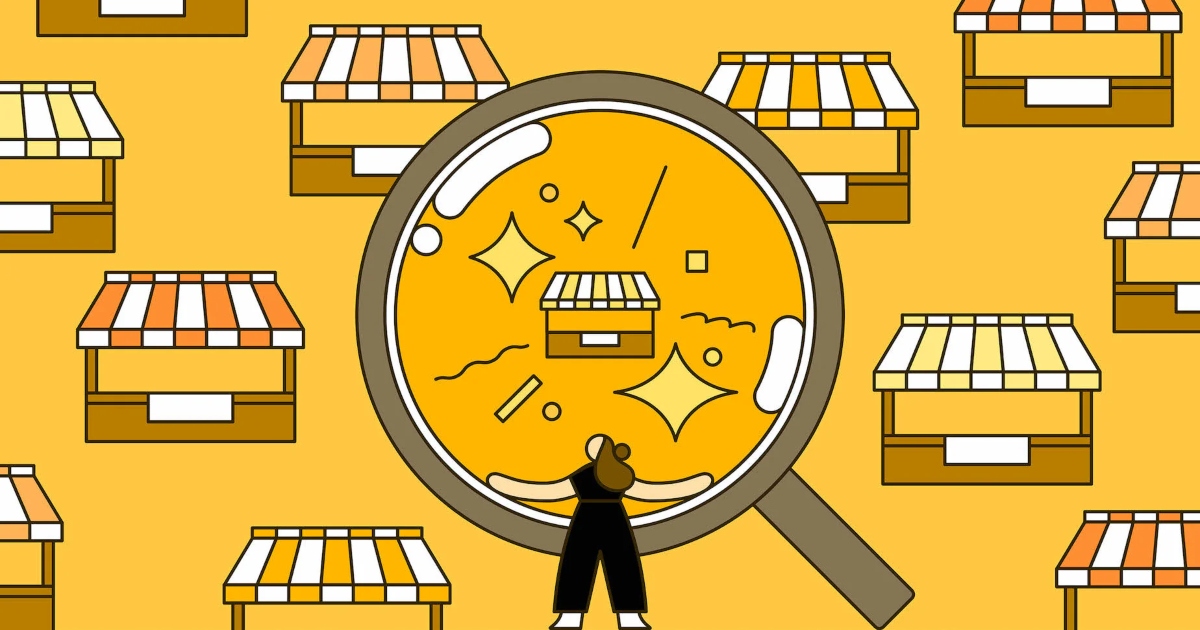
Avoid overly saturated niches (phone cases, basic apparel) and focus on underserved audiences or emerging trends. For example, sustainable products, niche hobby items, or specialized tools for specific professions generate better margins and less competition than mainstream products.
Analyze seasonal demand patterns. Winter products (heaters, sweaters) spike in cold months. Back-to-school items surge July-August. Gaming products peak during holidays. Timing your launch with seasonal demand accelerates customer acquisition and initial cashflow.
2. Choose a monetization method
Ghost commerce offers multiple monetization approaches. Choose based on your capital, timeline, and audience:
Dropshipping involves adding markup to supplier prices. You sell products at retail prices, suppliers fulfill at wholesale prices. Margins range from 30-50%. Ideal for high-volume, low-margin businesses. Platforms: AliExpress, Zendrop, AutoDS, CJDropshipping.
Print-on-Demand (POD) lets you customize products with designs. Suppliers print, pack, and ship only what customers order. Margins range from 40-70%. Ideal for creative entrepreneurs with design skills. Platforms: Printful, Merch by Amazon, Teespring, Redbubble.
Amazon FBA involves listing products on Amazon and using Fulfillment by Amazon. Amazon handles all logistics. Margins range from 20-40%. Ideal for reaching Amazon’s massive traffic. Requires product approval and competition analysis.
Affiliate Marketing involves recommending products and earning commissions without handling fulfillment. Margins range from 5-50% depending on program. Ideal for building authority and passive income. Platforms: Amazon Associates, ShareASale, CJ Affiliate.
Arbitrage involves buying from wholesalers at low prices and reselling at markup on marketplaces. Margins range from 20-60%. Requires initial capital and inventory management. Platforms: eBay, Amazon, Facebook Marketplace.
3. Create content (faceless-style)
Ghost commerce thrives on high-quality, product-focused content created without showing your face. Content replaces brand personality as your competitive advantage.
Product demonstration videos show products in action. Use TikTok, Instagram Reels, or YouTube Shorts formats. Show before-and-after results, unexpected product uses, or humor. These videos generate organic viral reach and organic traffic to your store.
Problem-solution content frames your product as the answer to a specific problem. Example: “5 ways to organize small spaces” featuring your organizational product. This educational content attracts intent-rich viewers ready to purchase.
Unboxing and reviews build trust without showing your face. Film products being unboxed, describe quality and features, share honest feedback. User-generated content from customers works equally well or better than creator-produced content.
Text-based content via blogs, email newsletters, and social captions educate customers on product benefits. Optimize for search engines using relevant keywords. Solve customer problems through content that naturally leads to your products as solutions.
Comparison content shows how your products compare to alternatives. Create honest comparisons that highlight unique benefits. This content captures high-intent customers ready to purchase.
4. Promote and scale
Ghost commerce scaling relies on paid advertising and content marketing to reach customers at scale:
Paid advertising through TikTok, Facebook, Instagram, Google, and Snapchat generates immediate traffic. Start with small budgets ($5-$10/day), test different creatives and audiences, then scale winners. Focus on cost per acquisition (CPA) below 20-30% of product price.
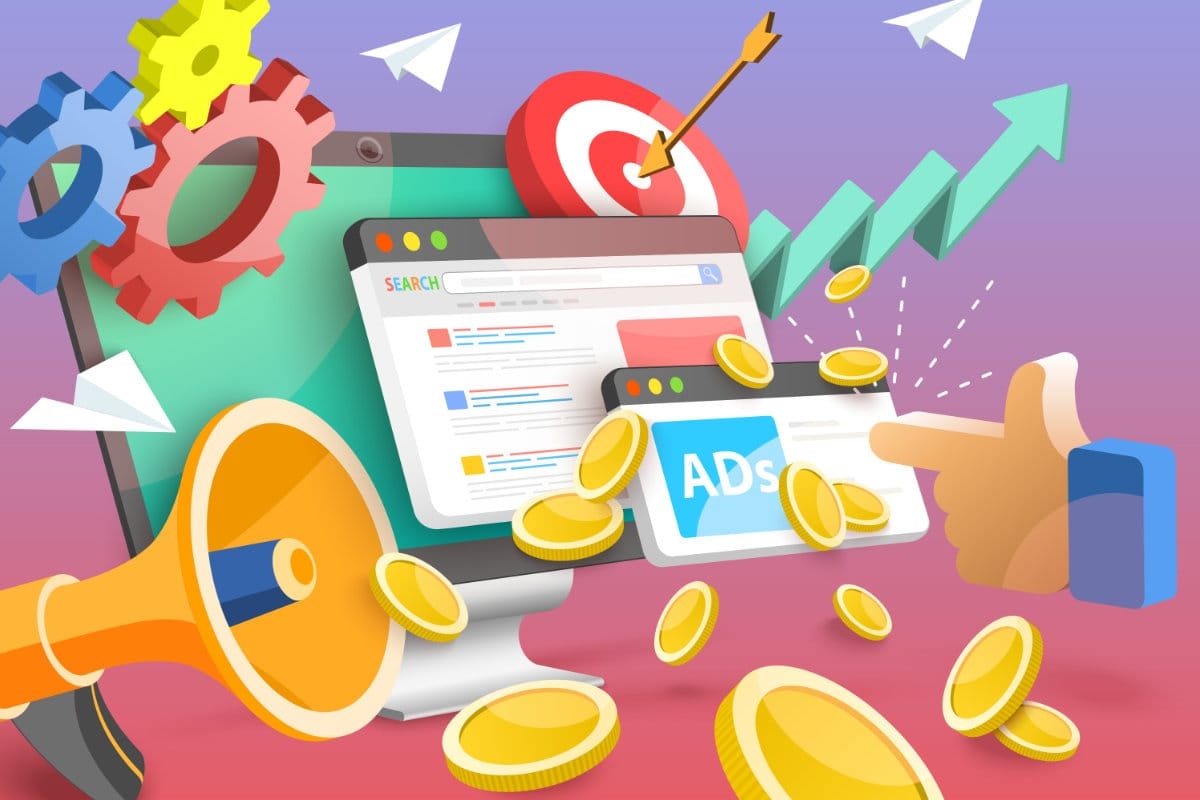
Organic content marketing builds free traffic through blog posts, YouTube videos, and social media posts. Content compounds over time, generating continuous passive traffic and sales. Invest 20% of your time in organic traffic as you scale paid ads.
Influencer partnerships with micro-influencers (10K-100K followers) in your niche provide authentic endorsements to engaged audiences. Micro-influencers often charge $50-$500 per post, offering better ROI than macro-influencers.
Email marketing builds a owned audience immune to algorithm changes. Capture emails through lead magnets or post-purchase follow-ups. Email generates highest lifetime value (CLV) per customer.
Retargeting campaigns show ads to website visitors who didn’t purchase. Retargeting converts 2-3x better than cold traffic, lowering overall acquisition costs.
Scale by doubling marketing budgets once you achieve consistent positive ROI. Expand to new audiences, geographic regions, and traffic sources as primary channels mature.
Pros and cons of ghost commerce
Pros of ghost commerce
Low startup costs: Minimal upfront investment since no inventory purchase or storage is required. Launch a ghost commerce store for $500-$2,000 versus $5,000-$50,000+ for traditional ecommerce. This low barrier enables rapid experimentation and multiple store launches.
No inventory management: All product fulfillment is handled by suppliers. You never store, handle, or ship products. This eliminates warehouse costs, inventory obsolescence risk, and overstocking waste. Focus your energy on marketing and sales instead of logistics.
Work from anywhere: Location independence allows operation from home, vacation spots, digital nomad hubs, or anywhere with internet. No need for physical offices, retail locations, or warehouse facilities. Travel while running profitable businesses.

24/7 sales potential: Online stores never close, enabling continuous order flow even while you sleep. Automation handles customer inquiries, order processing, and fulfillment without your involvement. Customers purchase across all time zones globally.
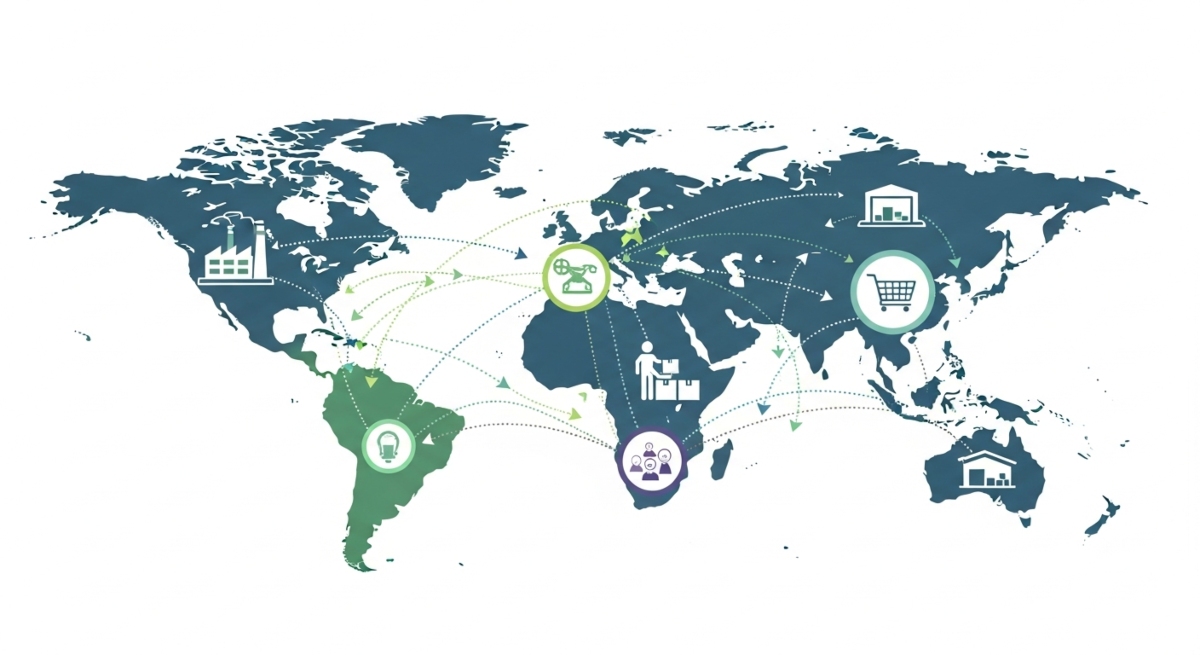
Scalability: Easily scale business using automation tools and multiple sales channels. Add products in seconds, expand to new platforms instantly, and manage growing volume without proportional increases in operational overhead. One product can generate sales across 5+ channels simultaneously.
Global reach: Ability to sell products worldwide without geographic restrictions. Access global suppliers for any product, and ship to customers in 195+ countries. Geographic arbitrage (buying cheap, selling expensive in wealthy markets) maximizes profits.
Passive income opportunity: Once systems are set up, income can be generated passively with ongoing maintenance. Automated email campaigns, retargeting ads, and organic content generate sales with minimal active work. Many ghost commerce entrepreneurs run multiple stores spending just 5-10 hours weekly per store.
Cons of ghost commerce
Low profit margins: Since you’re not controlling production, you can only add a small markup, leading to fierce price competition and thinner profits. Dropshipping margins typically range from 20-40%, much lower than traditional retail (50-70%). Reaching profitability requires higher volume or optimization.
High competition: Low barriers to entry mean many sellers offer similar products, creating a crowded market and “race to the bottom” on pricing. Your competitors launch similar products within weeks, forcing continuous innovation to stay ahead.
Lack of control over product quality: You don’t see or handle the products, so quality issues from suppliers can directly harm your brand’s reputation. Receiving defective batches, inconsistent quality, or damaged shipments damages customer trust and increases refund rates.
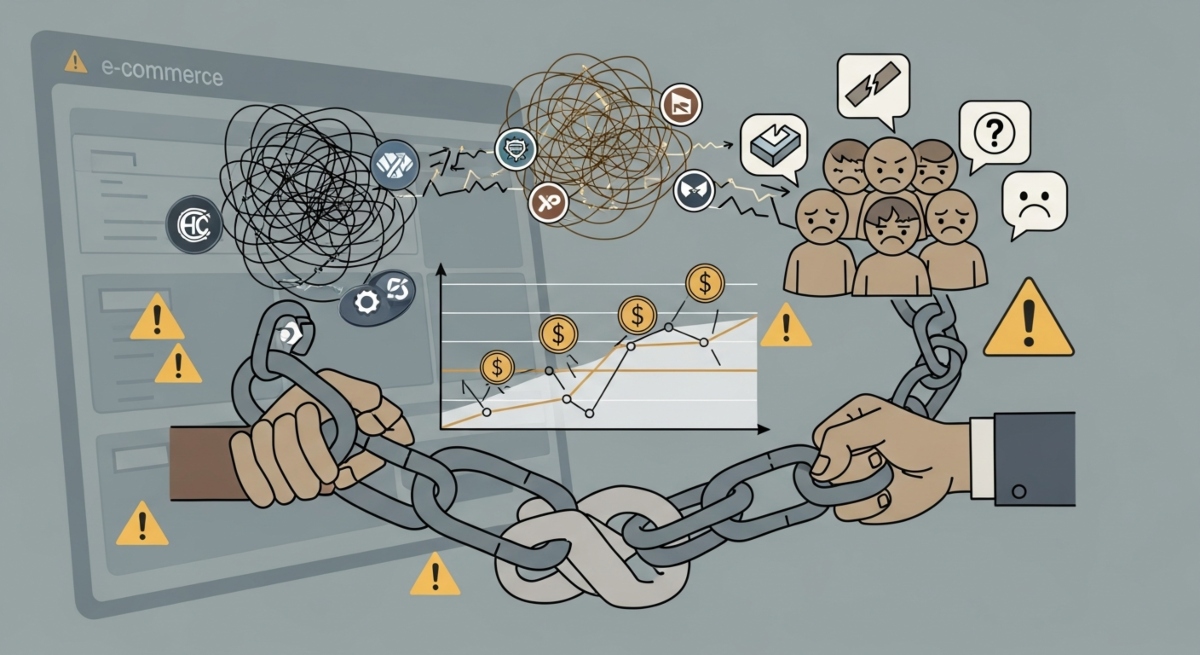
Limited branding and customization: It’s hard to build a unique brand when suppliers handle packaging and shipping. Supplier branding can overshadow yours. White-labeling options exist but cost more, reducing margins further. Your competitive advantage comes from marketing, not product differentiation.
Dependence on suppliers: Stockouts, shipping delays, or errors by your supplier directly impact your customer service and business. You’re reliant on their performance. Supplier communication delays, quality issues, or sudden policy changes create crises you can’t directly control.
Customer service challenges: Handling returns, defects, and delays becomes complex, requiring efficient processes to manage customer expectations. You manage complaints about products you never saw, from customers you can’t meet face-to-face.
Reputation risk: Any mistake by a supplier or shipping partner can damage your brand’s credibility and customer trust. A single bad delivery experience or defective product triggers negative reviews, hurting future sales.
Data privacy and fraud risks: Handling customer data introduces responsibility. Data breaches, insecure payment processing, or handling of sensitive information can lead to legal issues, fines, and customer lawsuits. GDPR, CCPA, and other regulations require compliance.
7 critical phases for launching your ghost commerce business
Phase 1: Validate your business idea before investing
Before building anything, validate that your ghost commerce concept has genuine market demand. Survey potential customers in niche communities (Reddit, Facebook groups, Discord) asking if they’d buy your proposed products. Research competitor success metrics by analyzing their social media followers, engagement rates, and customer reviews.

Launch a simple landing page offering your product concept with email signup to gauge interest. If you can’t attract 100+ email signups with minimal marketing spend, your idea likely lacks demand. This validation phase costs under $100 but saves thousands in wasted inventory and marketing.
Phase 2: Build your operational infrastructure
Set up the technical and business foundation before listing products. Register your business legally (LLC recommended for liability protection), obtain an EIN from the IRS, and set up a business bank account separate from personal finances. This demonstrates professionalism to suppliers and simplifies accounting.
Choose your selling platform architecture: Will you list on marketplaces (Amazon, eBay, Etsy) for immediate traffic? Build a Shopify store for brand control and customer data ownership? Use both simultaneously for maximum reach? Each approach has different setup times, costs, and traffic requirements.
Integrate accounting software (QuickBooks, FreshBooks) to track revenue, expenses, and taxes automatically. Set up analytics tracking (Google Analytics, Facebook Pixel) to measure marketing performance and customer behavior.
Phase 3: Build supplier relationships strategically
Don’t just pick random suppliers; build a vetted supplier network aligned with your business goals. Contact 5-10 potential suppliers in your niche, requesting product catalogs, pricing tiers, minimum order quantities, and lead times. Ask specifically about their quality control processes, return policies, and handling of defective shipments.
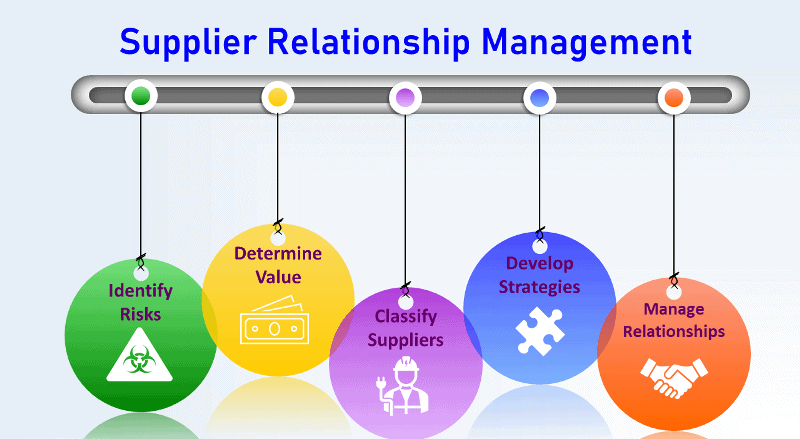
Order small test orders from your top 3 supplier candidates (spending $100-$500 total). Evaluate their responsiveness, packaging quality, product condition, and shipping speed. A supplier’s performance on your first order reveals how they’ll treat your future bulk orders.
Negotiate exclusive pricing agreements with your best suppliers once you’ve proven order volume. Many suppliers offer 10-20% volume discounts for committed monthly purchases. Lock in favorable terms before scaling, which competitors can’t easily replicate.
Phase 4: Build your traffic engine before launching
Ghost commerce succeeds only if you can drive affordable traffic. Don’t build an inventory-heavy store and hope customers appear, build your audience first, then launch products.
Create content in your niche demonstrating expertise and solving customer problems. Launch a TikTok channel, Instagram account, or YouTube channel posting 3-5 pieces of content weekly in your niche. Content isn’t overtly promotional; instead, it educates, entertains, or inspires your target audience. Over 2-3 months, build an audience of 1,000-5,000 engaged followers before launching your store.
Join relevant communities (Reddit, Facebook groups, forums) and provide genuine value, building authority and trust. When you eventually promote products, your audience already trusts you.
Build an email list by offering a valuable lead magnet (free guide, checklist, template) related to your niche. Collect 500-1,000 emails before launch. This owned audience generates free, repeatable traffic via email marketing.
Phase 5: Launch your store with a minimum viable product
Don’t launch with 500 products. Start with 20-50 hand-picked products you’re confident will sell. This focused approach enables deep optimization of product pages, clearer brand positioning, and faster inventory turnover.
Optimize each product page for conversion: professional product images from multiple angles, detailed benefit-focused descriptions highlighting how the product solves customer problems, competitive pricing with clear value proposition, and compelling product titles including benefit keywords.
Implement reviews and testimonials from early customers. Run small promotions or free shipping on initial orders to generate volume and reviews quickly. Reviews are conversion accelerators – stores with 50+ reviews convert 3-5x better than those with zero reviews.
Phase 6: Execute paid traffic campaigns systematically
Once your store converts at 2-3% (meaning 20-30 out of 1,000 visitors purchase), scale paid advertising. Start with small daily budgets ($5-$10/day) across multiple platforms (TikTok Ads, Facebook Ads, Google Shopping), running 3-5 different ad variations simultaneously.
Track cost per acquisition (CPA) rigorously. If your product sells for $50 with 30% margin ($15 profit), you can afford to spend maximum $5 acquiring that customer (leaving $10 profit). Most ghost commerce businesses find profitability at $2-$4 CPA.
Scale winning campaigns by increasing daily budgets 25% weekly. Pause underperforming campaigns immediately. Many ghost commerce operators find one platform (usually TikTok or Facebook) generates 60%+ of their traffic; focus there while maintaining presence across multiple channels.
Phase 7: Optimize and scale systematically
After running paid traffic for 2-4 weeks, analyze performance data ruthlessly. Which products have highest conversion rates? Which traffic sources have lowest CPA? Which customer segments have highest lifetime value?
Kill underperforming products and expand successful ones. If men aged 25-35 buy your product at 2x the rate of other demographics, increase ad spend targeting that segment specifically.
Test price increases: if your product converts at $50, test raising to $55-$60. Even small price increases dramatically improve profitability. A $5 price increase reduces acquisition costs as a percentage of profit from 33% to 25%.
Once you’ve achieved profitability and predictable growth (growing 20%+ monthly), consider adding complementary products, expanding to new niches, or launching additional stores leveraging your proven playbook.
Top 8 best marketing strategies for ghost commerce
Niche down and find reliable suppliers
Start with a specific niche and partner with dropshipping/print-on-demand suppliers for fast fulfillment and quality products. Supplier reliability directly impacts customer satisfaction, returns, and profitability. Vet multiple suppliers before choosing.
Content and SEO
Optimize product pages with high-quality images, videos, detailed descriptions, and relevant keywords to rank on search engines for organic traffic. SEO compounds over time, generating free traffic indefinitely.
Create blog content around keywords your customers search. “How to choose [product]” or “Best [product] for [use case]” articles drive qualified traffic and naturally feature your products.
Social media marketing
Use platforms like TikTok and Instagram to showcase products, engage with users, run contests, and share behind-the-scenes content. Short-form video drives highest engagement and algorithm visibility.
Post 3-5 times daily on TikTok, 1-2 times daily on Instagram. Consistency builds audience faster than sporadic posting.
Influencer marketing
Collaborate with influencers (especially micro-influencers) whose audience matches your niche for broader reach and trust. Micro-influencers (10K-100K followers) offer better ROI than macro-influencers.

Pay for affiliate partnerships where influencers earn commission on sales they generate. This aligns incentives and ensures influencers promote genuinely.
Email marketing
Build email lists to nurture customer relationships, promote new products, and encourage repeat purchases. Email generates highest CLV (customer lifetime value) and ROI.
Send welcome sequence, weekly value content, product recommendations, and exclusive offers. Segment lists by purchase history, engagement, and interests for personalization.
Paid advertising (PPC)
Run targeted ads (e.g., Facebook Ads, TikTok Ads) for quick sales, testing different platforms and creatives. Start with small budgets, test, and scale winners.
Use retargeting to show ads to website visitors who didn’t convert. Retargeting achieves 2-3x better conversion rates than cold traffic.
User-generated content (UGC)
Share customer reviews and content to build social proof and engagement. Customers trust other customers more than brands. Request reviews and showcase them prominently.
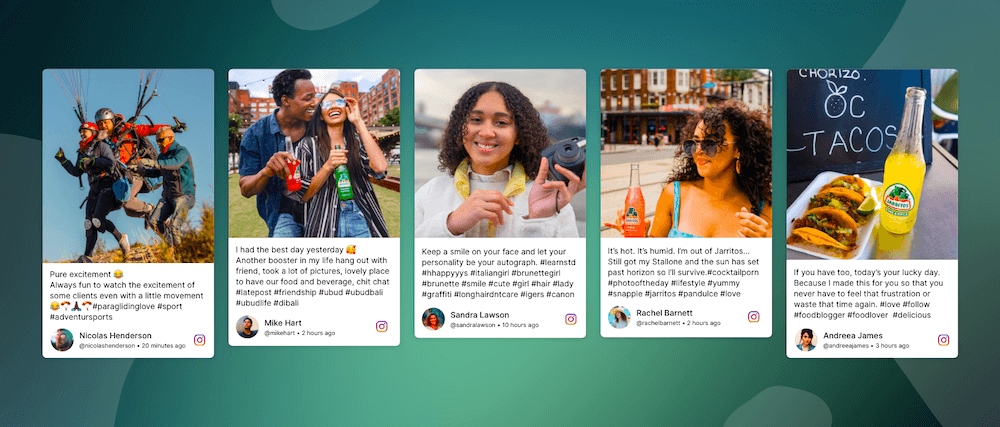
Repost customer photos and videos using your products. This provides authentic content while building customer relationships.
Optimize for conversion
Reduce abandoned carts and ensure mobile-friendliness for a smooth shopping experience. Mobile represents 70%+ of ecommerce traffic. Poor mobile experience kills conversions.
Streamline checkout to 3 steps or fewer. Every additional step increases cart abandonment by 5-15%.
Offer multiple payment options (credit card, PayPal, Apple Pay, Google Pay) to accommodate customer preferences.
Ghost commerce FAQs
What is an example of ghost commerce?
A common example: an entrepreneur buys trending home gadgets from AliExpress suppliers, lists them on Shopify, and promotes via TikTok ads. The store generates $5,000/month in revenue with 40% margins ($2,000 profit) spending just 10 hours weekly. The entrepreneur never touches products—suppliers handle everything.
Another example: a print-on-demand store selling custom t-shirts with niche designs. The entrepreneur creates designs, uploads to Printful, promotes on Instagram and TikTok. Printful handles printing, packing, and shipping. The entrepreneur earns $2,000/month profit with minimal overhead.
Is ghost commerce legal?
Yes, ghost commerce is completely legal. You’re running a legitimate ecommerce business, paying taxes, and handling customer transactions transparently. However, ensure you:
Comply with tax obligations (sales tax, income tax, VAT in your jurisdiction). Register for tax IDs and file returns regularly.
Disclose dropshipping or POD arrangements if required by law (some jurisdictions require transparency).
Honor consumer protection laws (returns, refunds, warranty disclosures).
Don’t misrepresent product sourcing or make false claims about products.
What is ghost dropshipping?
Ghost dropshipping is a subset of ghost commerce where you specifically use dropshipping suppliers. You sell products without holding inventory, suppliers fulfill orders. It’s identical to ghost commerce except you’re emphasizing the dropshipping model specifically.
What’s the profit margin for ghost commerce?
Profit margins vary by business model:
- Dropshipping: 15-20% (high volume required for profitability)
- Print-on-Demand: 20-% (lower volume, higher margins)
- Amazon FBA: 15-30% (depending on product and category)
- Affiliate Marketing: 5-50% (depends on commission structure)
- Arbitrage: 20-60% (depends on supplier and market prices)
Margins decrease as competition increases. First-movers in niches achieve 50%+ margins. Saturated niches achieve 15-25% margins.
How to make money in ghost commerce?
Profitability requires three elements:
(1) Finding products customers want to buy.
(2) Driving traffic cheaply through organic content, SEO, and word-of-mouth.
(3) Optimizing conversion rates to maximize revenue per visitor.
Start with one niche, prove profitability (break-even within 3-4 months), then scale marketing budget. Once one store works, launch additional stores leveraging learnings from the first.
Most successful ghost commerce entrepreneurs achieve 6-figures annually within 12-18 months through multiple stores, each generating $500-$5,000 monthly profit.
Conclusion
Ghost commerce represents a fundamental shift in how entrepreneurs build online businesses. By eliminating inventory, brand identity requirements, and personal involvement, ghost commerce enables rapid experimentation, global scaling, and passive income generation.
The business model works because automation handles repetitive tasks, suppliers manage fulfillment, and marketing drives sales without personal brand-building overhead. Success requires niche selection, traffic generation, and conversion optimization; skills anyone can learn.
Start by choosing a niche with viral potential, validating demand with 5-10 products, and running paid ads to measure profitability. Scale what works and abandon what doesn’t. Within 12 months of consistent effort, most ghost commerce entrepreneurs achieve profitability and passive income.
The barriers to entry have never been lower. What is ghost commerce? It’s the future of ecommerce: efficient, scalable, and accessible to anyone with an internet connection. Start today.