Many shoppers and businesses get confused when tracking orders because fulfillment status is unclear or misunderstood. Knowing what each status truly means helps prevent delays, anxiety and support issues. Explore the full breakdown with BettaMax below.
What does fulfillment status mean?
What does fulfillment status mean is a common question among ecommerce sellers who want better control over their order processing and warehouse efficiency. In simple terms, fulfillment status refers to the stage an order is currently in within the fulfillment workflow. It indicates whether the order has been received, processed, packed or shipped.
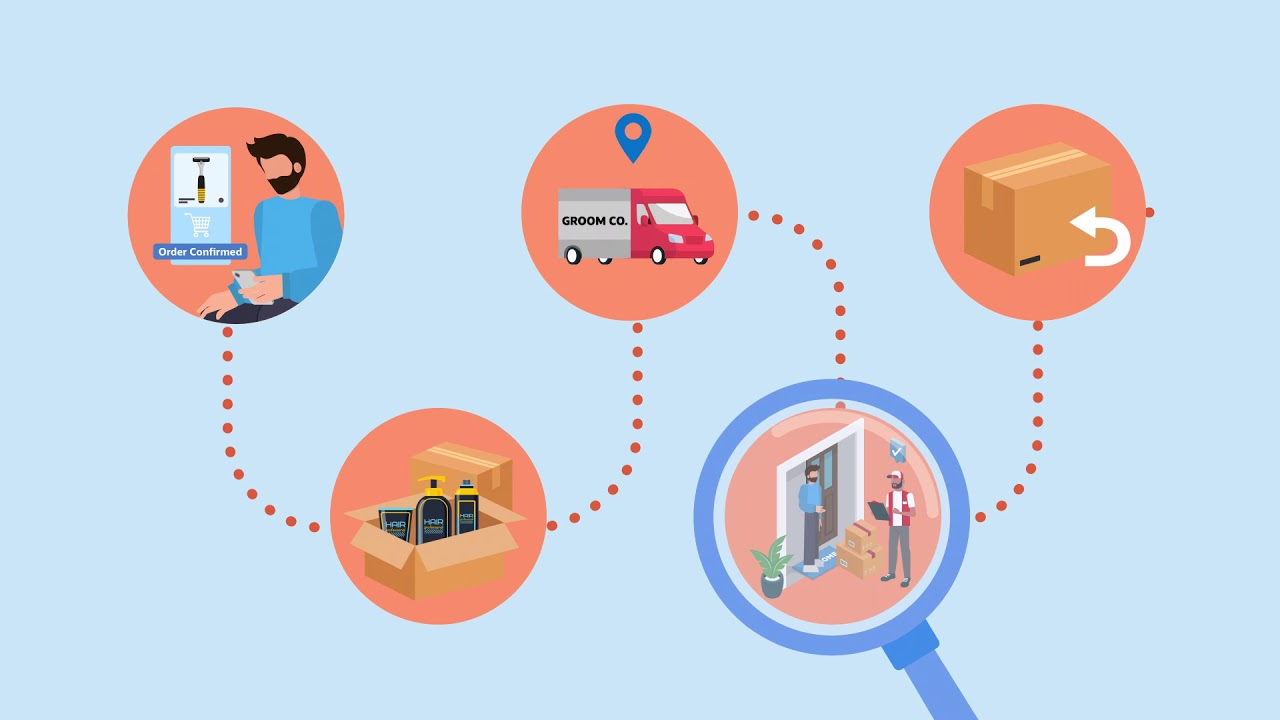
Understanding what does fulfillment status mean helps businesses manage inventory accurately, predict delays and maintain smooth operations. For ecommerce brands, this status also plays a crucial role in setting customer expectations and ensuring transparency throughout the ordering journey.
Why is fulfillment status important?
For businesses
Tracking what does fulfillment status mean allows companies to maintain control over inventory and logistics. By knowing the exact stage of an order, businesses can manage stock levels more effectively, avoid over-ordering and minimize waste. It also enables timely responses to delays, shortages or returns.
Accurate fulfillment status data helps forecast demand, plan reorders and ensure products are available at the right time and in the right location. By understanding what does fulfillment status mean at each stage, businesses can operate more efficiently and reduce operational costs.
For customers
A clear fulfillment status improves communication and enhances the customer experience. Real-time updates reassure customers that their orders are moving through the fulfillment cycle.
It also reduces customer support inquiries because buyers can track their package status themselves. This improves satisfaction and lowers support workload for the business.
7 types of fulfillment statuses you must know
Unfulfilled status meaning
This status indicates that the order has been received but not yet processed. No picking, packing or shipping actions have taken place. It answers the question fulfillment status unfulfilled meaning or what does fulfillment status unfulfilled mean for sellers managing early-stage orders.
Scheduled
Used when an order is queued for future processing, such as preorders or backorders. Inventory allocation may not be completed yet.
On hold
The order is temporarily paused. Common reasons include payment issues, stock inconsistencies or fraud verification.
Awaiting shipment status meaning
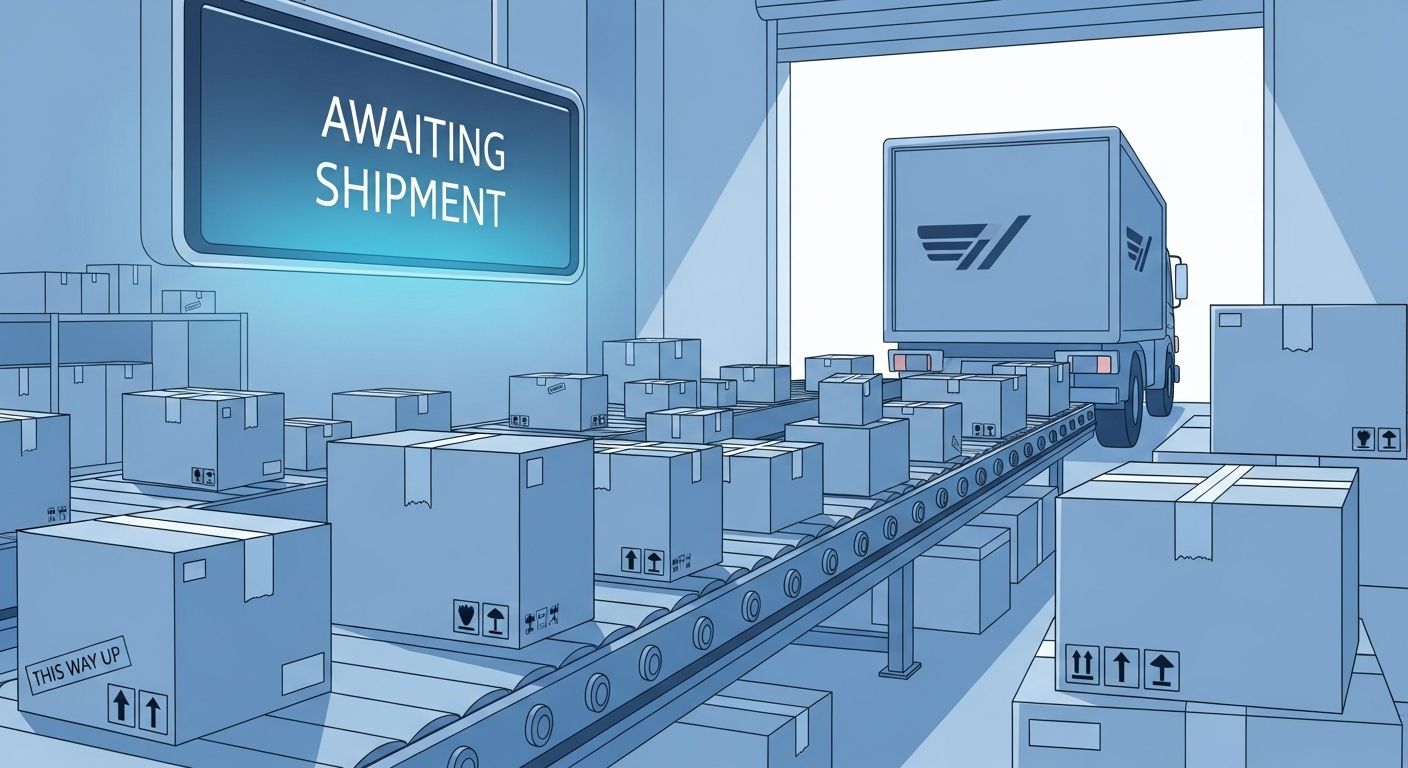
Awaiting fulfillment status means the order has been processed and packed, and is now waiting to be handed to the carrier. It is often searched as awaiting fulfillment order status meaning or what does awaiting fulfillment status mean.
Partially fulfilled
A portion of the order has been shipped while the rest remains pending. This explains fulfillment status partial meaning for orders split across locations or experiencing stock shortages.
Fulfilled
All items have been shipped and tracking details are available.
Completed
The customer has received the package and the fulfillment cycle is fully closed.

Differences between fulfillment statuses and order statuses
Many shoppers and even businesses confuse fulfillment status with order status, leading to misunderstandings about where an order actually stands. Knowing the difference helps prevent wrong assumptions and unnecessary support inquiries.
| Aspect | Fulfillment status | Order status |
| Focus | Physical logistics | Order lifecycle |
| Stages | Unfulfilled, shipped, fulfilled | Pending, paid, canceled |
| Usage | Internal warehouse control | Customer-facing updates |
Fulfillment status reflects the physical handling of products inside the warehouse, while order status reflects payment and customer interaction. Understanding what does fulfillment status mean helps clarify this distinction.
Tools and software to track fulfillment status
Sellers can track fulfillment status using systems such as OMS (Order Management System), WMS (Warehouse Management System), ecommerce platform dashboards and carrier tracking tools. These solutions automate updates, reduce manual entry errors and improve operational visibility..
Top tools for tracking fulfillment status include:
- ShipStation: A widely used shipping and fulfillment platform offering multi-channel order sync, automated label creation and customizable branded tracking pages. Ideal for SMBs and fast-growing ecommerce brands.
- AfterShip: Known for real-time parcel tracking, branded tracking pages and support for more than 1,000 global carriers. Strong for post-purchase experience and delivery visibility.
- Narvar: Focuses on premium post-purchase experience with proactive shipment notifications, delivery timeline updates and streamlined returns management.
- Cin7 (OMS): A robust Order Management System combining inventory control, channel syncing and order routing in one platform. Designed for omnichannel retailers needing centralized fulfillment visibility.
- Brightpearl: An enterprise-grade OMS offering automation, multi-warehouse management, demand forecasting and deep integrations with ecommerce platforms and 3PL partners.
These tools serve businesses of all sizes, providing features like automation, branded tracking, multi-channel order syncing and advanced analytics to ensure fulfillment status is always accurate and up to date.
Common issues with fulfillment statuses and how to resolve them
Orders stuck in pending often indicate stock delays or system sync issues. Overselling occurs when inventory is not updated in real time. Awaiting shipment status delays may result from warehouse bottlenecks or carrier cut-off times. Missing or incomplete data can also cause fulfillment errors. Regular audits and system automation help prevent these problems.
Best practices for managing fulfillment statuses
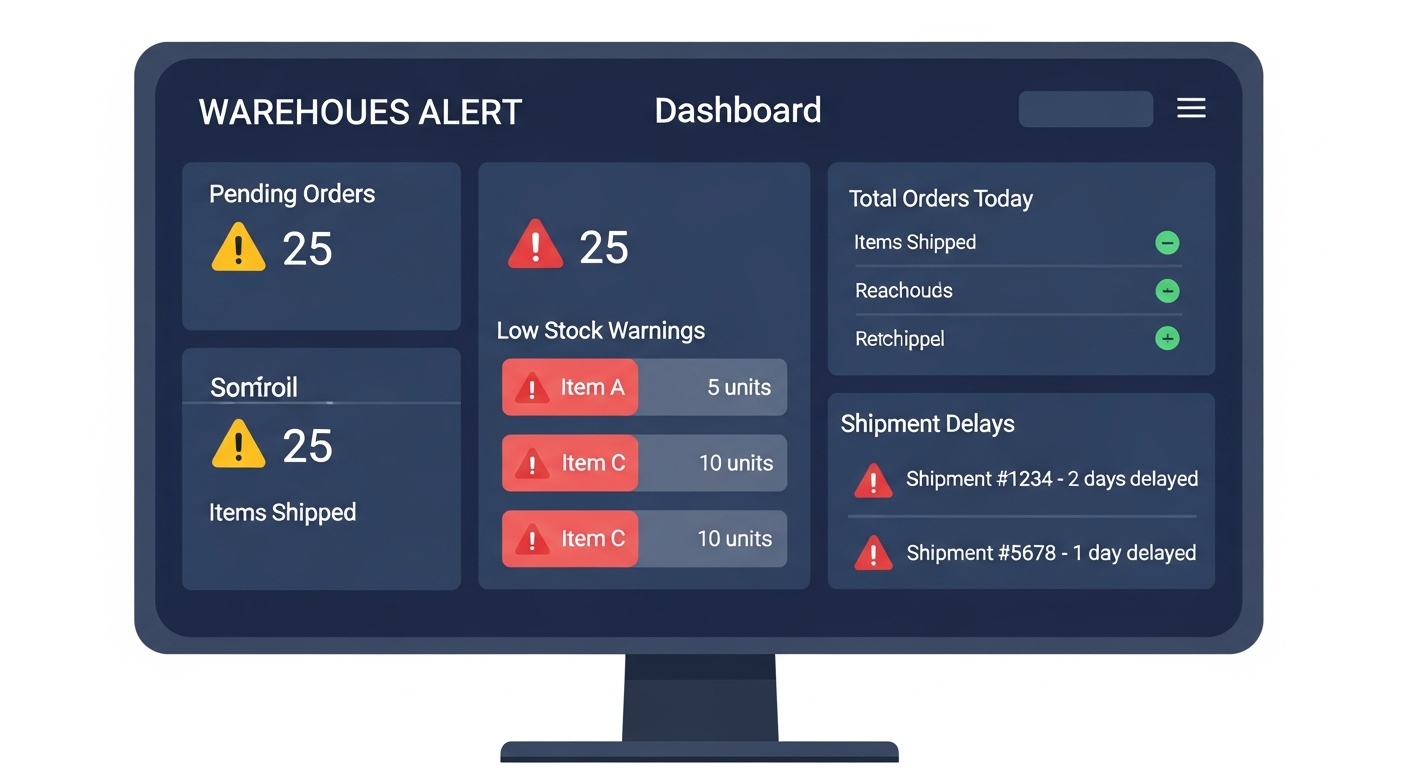
Businesses should automate status updates through integrations, establish SKU-level alerts, synchronize all sales channels, monitor warehouse SLA performance and send proactive email notifications to customers. By consistently reviewing what does fulfillment status mean in their system, companies can optimize workflows and reduce errors.
Conclusion
Understanding what does fulfillment status mean is essential for controlling logistics, improving forecasting, enhancing customer experience and reducing operational friction. When businesses track each status accurately, they gain transparency across the entire order flow, leading to better performance and higher customer satisfaction.