Starting a clothes dropshipping business seems simple until you realize finding reliable suppliers is the hardest part. You need vendors offering quality fabrics, fast shipping, reasonable return policies, and real inventory management. But hundreds claim to be “the best,” leaving you confused about who to actually trust.
This guide reviews 20+ vetted clothes dropshipping suppliers with honest assessments of strengths, shipping times, profit margins, and integration capabilities. Stop wasting time researching random vendors and launch your fashion business with proven suppliers.
Criteria to Consider When Choosing Clothes Dropshipping Suppliers
Product Quality & Variety
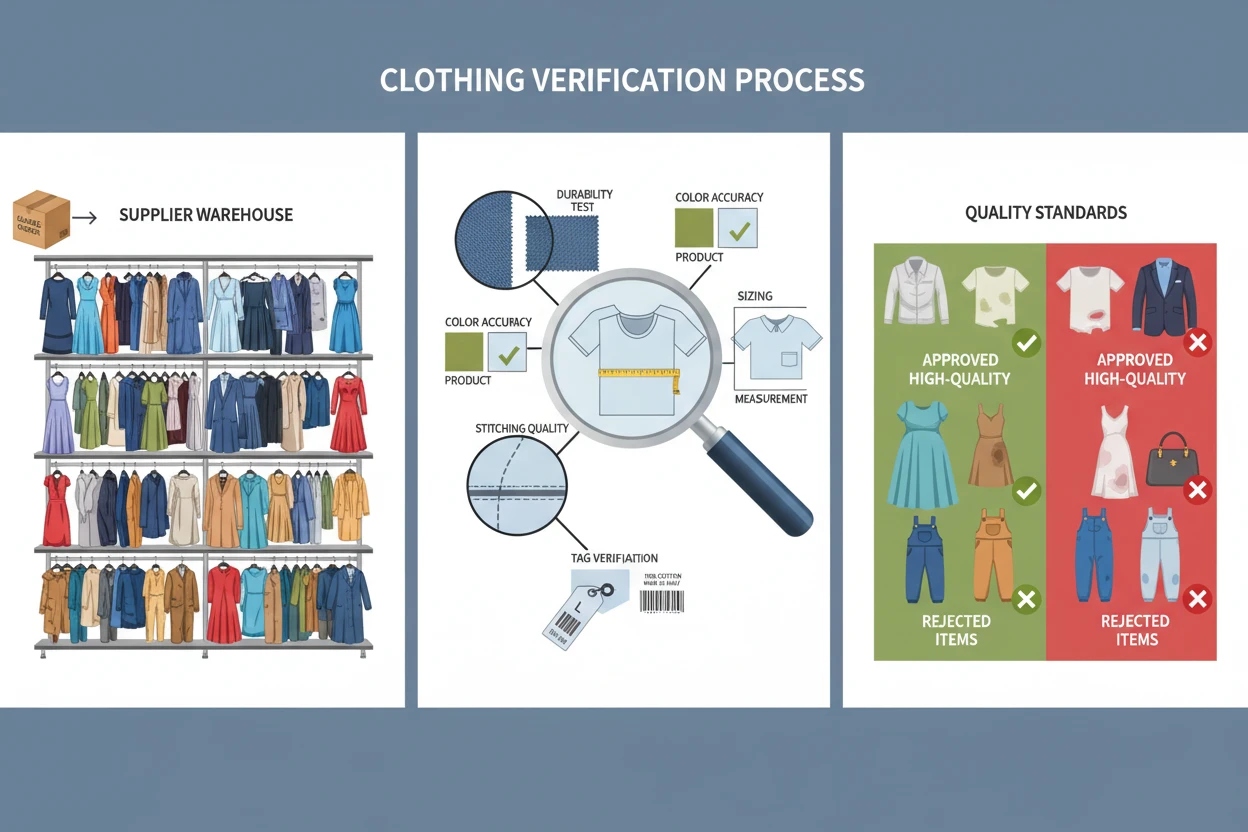
High-quality clothing is non-negotiable for fashion dropshipping. Always order samples before listing products. Verify fabric durability, color accuracy, sizing consistency, and stitching quality. Poor quality leads to high return rates, negative reviews, and damaged reputation.
Look for suppliers offering wide product ranges including different sizes, colors, and styles. This variety helps you serve diverse customer preferences and maintain consistent traffic.
Shipping Times & Locations
Fast shipping directly impacts customer satisfaction and your repeat purchase rate. Ideally, seek suppliers with warehouses in your target market (US, EU, etc.) enabling 48-hour processing with delivery within 7-14 days. Suppliers with only Chinese warehouses often result in 2-4 week delivery times, which reduces customer satisfaction significantly. Location advantage becomes critical as customers expect faster fashion trends.
Return & Refund Policy
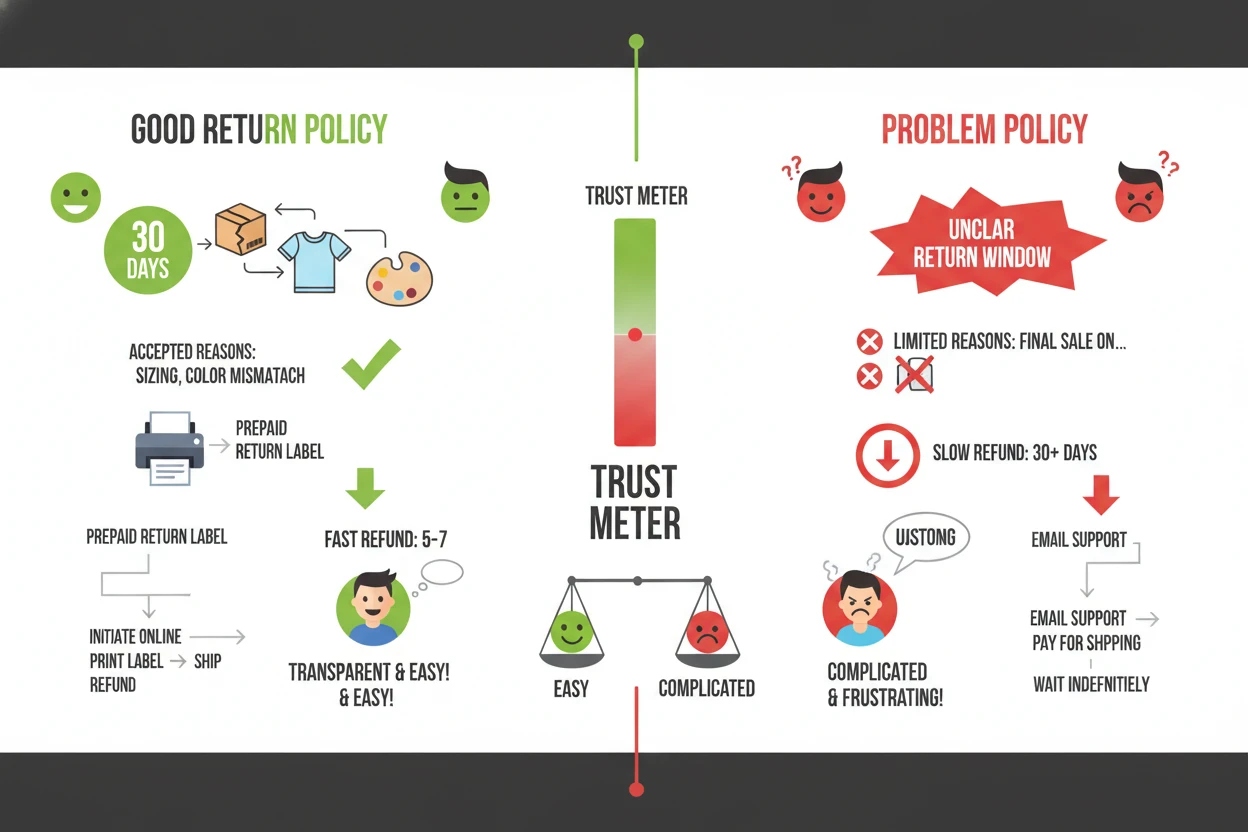
A clear, customer-friendly return policy is essential for building trust. Verify that suppliers accept returns for defective items, sizing issues, and color discrepancies. Understand their refund timeframe and whether they offer prepaid return labels. This clarity helps you manage customer expectations and reduces disputes.
Inventory Management
Real-time inventory tracking prevents embarrassing stockouts. Choose suppliers with robust systems preventing you from selling items currently out of stock. They should update inventory daily and provide alerts when popular items are low. This reliability protects your reputation with customers.
Integration & Technology
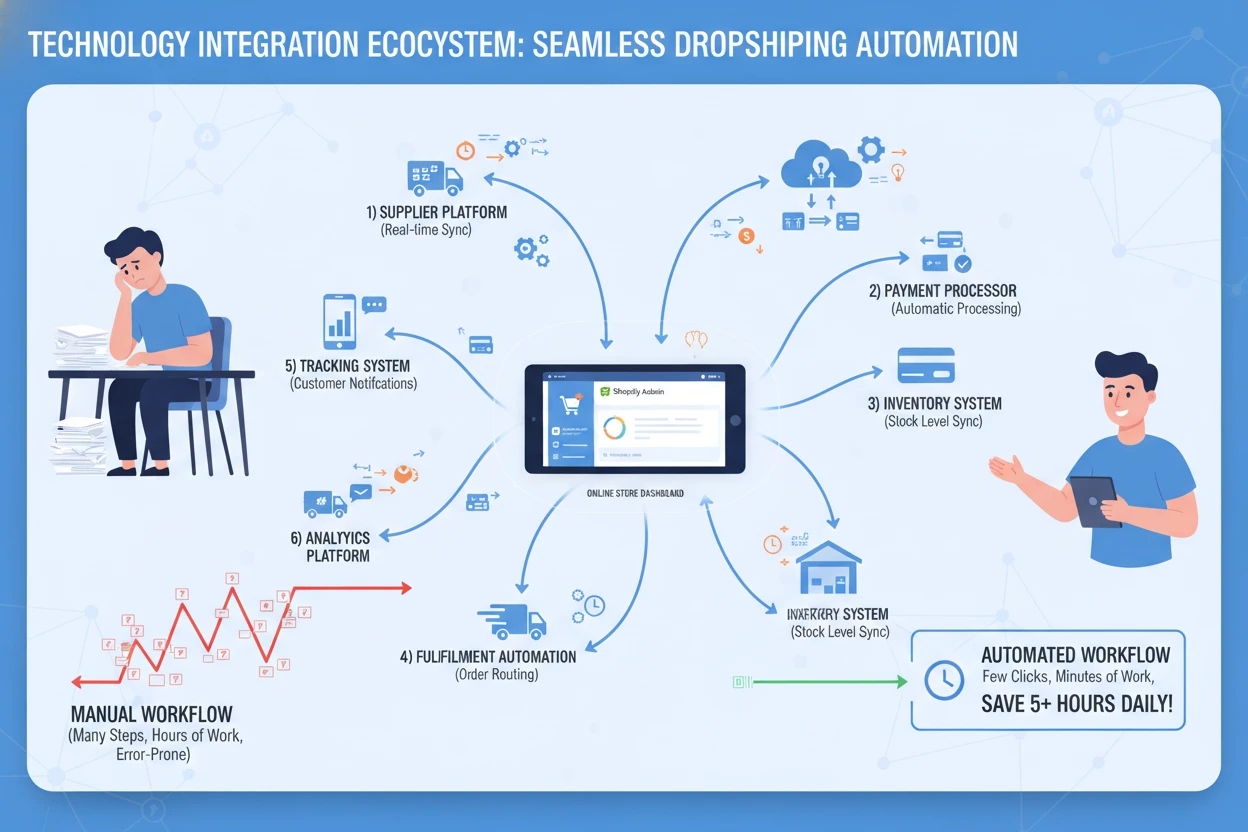
Modern dropshipping requires automation. Select suppliers offering integration with Shopify, WooCommerce, or other platforms via APIs or apps. This enables automatic order syncing, inventory updates, and tracking information flowing directly to your customers without manual intervention.
Pricing & Profit Margins
Analyze each supplier’s pricing carefully. Calculate your profit margin accounting for product cost, shipping fees, payment processing (2.9% + $0.30), and platform fees (Shopify $39/month or Etsy 5% transaction fee). Aim for at least 50-100% markup on products to maintain healthy margins after all expenses. Compare pricing across suppliers to identify cost advantages.
Customer Service & Support
Responsive suppliers are invaluable when issues arise. Test their communication by reaching out with questions before committing. Do they respond within 24 hours? Are they helpful and professional? Good supplier support prevents order fulfillment disasters and customer service nightmares.
Supplier Reputation
Check reviews on independent review sites, seller communities, and supplier forums. Look for detailed feedback about shipping speed, product quality, and responsiveness. Avoid suppliers with consistently negative reviews about quality or shipping delays.
Top 20+ Clothes Dropshipping Suppliers
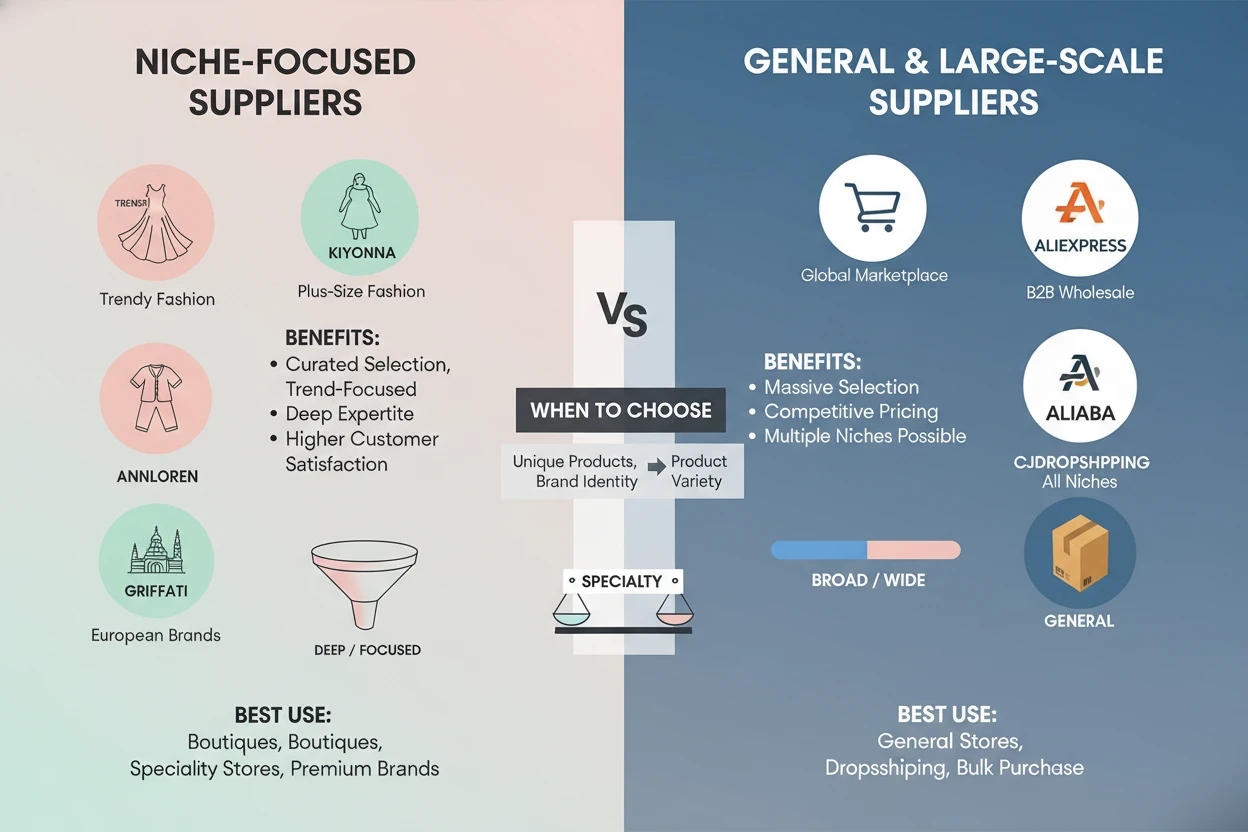
Niche-Focused Fashion Suppliers
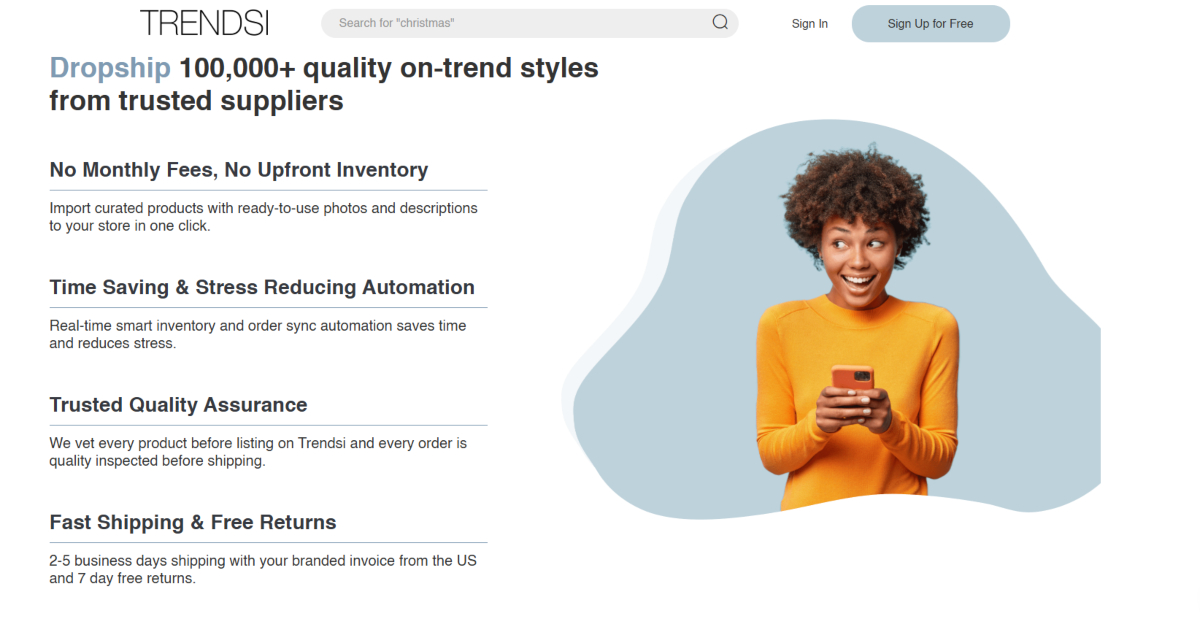
Trendsi specializes in 2-5 day US shipping with high-quality trendy fashion, making it ideal for beginners. Their focus on speed and quality creates excellent customer satisfaction and repeat orders.
BrandsGateway specializes in luxury brand apparel and accessories with authentic designer items. Higher profit margins justify slightly longer shipping times for customers seeking premium fashion.
My Online Fashion Store is US-based with a massive catalog of women’s boutique clothing. Their American warehouse ensures fast shipping and deep inventory across sizes and colors.
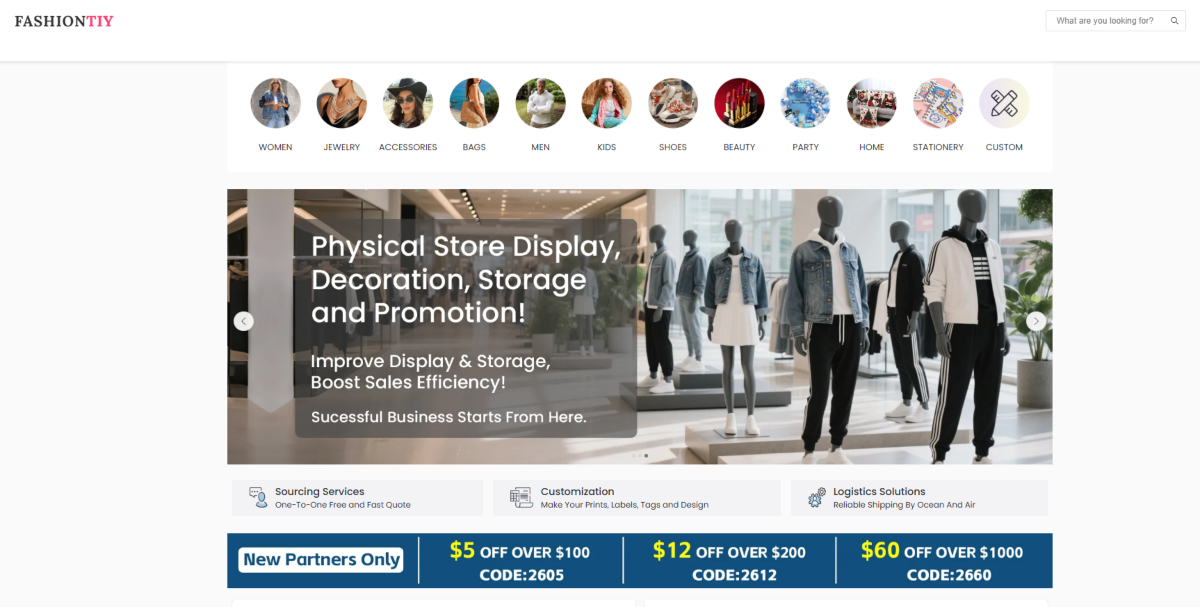
FashionTIY offers competitive pricing for wide clothing variety and accessories. Their bulk options work well for sellers testing multiple products simultaneously.
ChicMe focuses on trendy, affordable women’s fashion with rapid trend updates. Excellent for targeting price-conscious, fashion-forward customers.
Kiyonna specializes exclusively in plus-size apparel, serving an underserved market with dedicated selection. Perfect for niche plus-size dropshipping businesses.
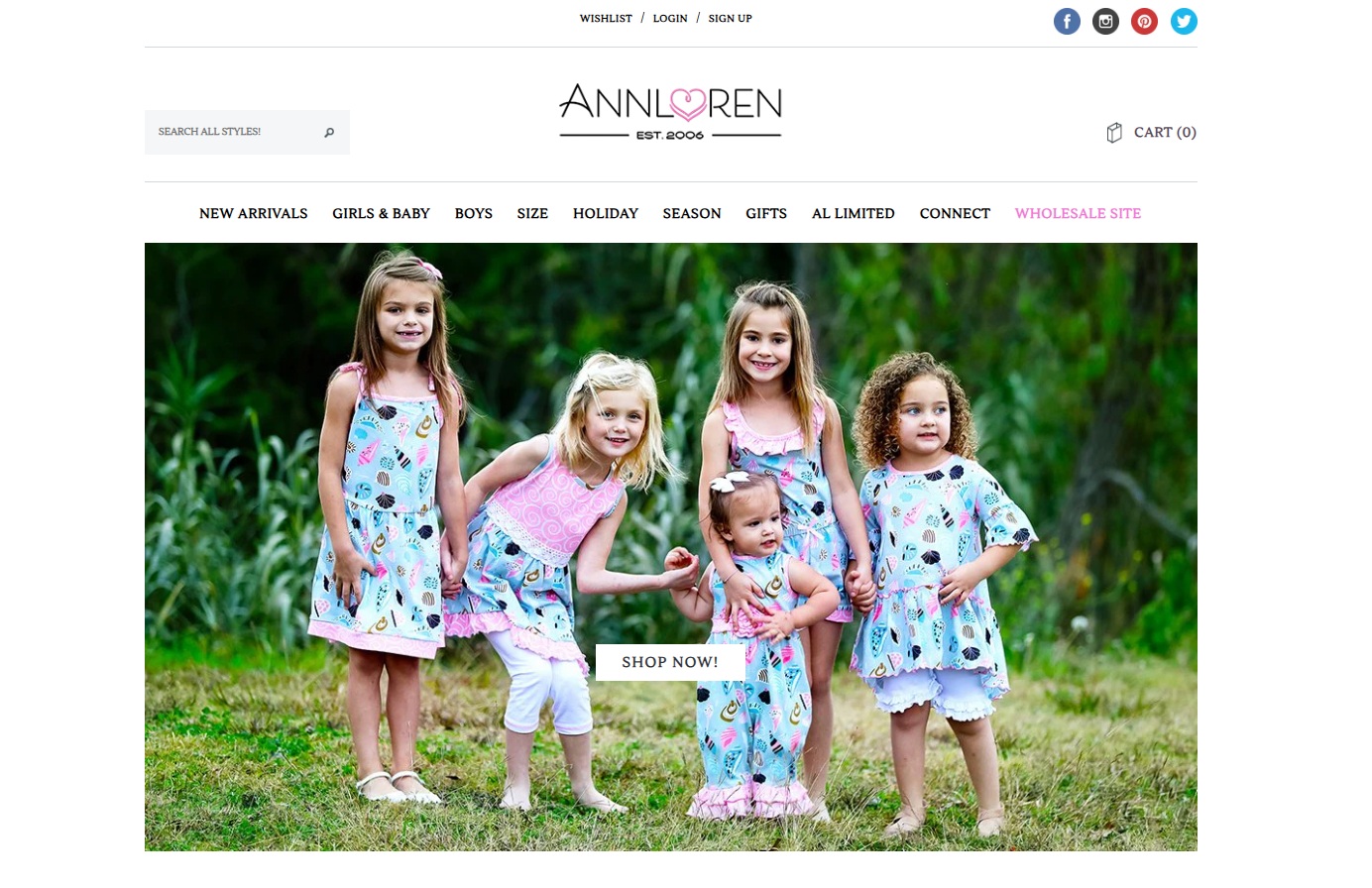
AnnLoren is a children’s clothing specialist offering quality, age-appropriate items with fast processing. Ideal for family and children’s fashion niches.
Tasha Apparel Wholesale is Los Angeles-based focusing on trendy boutique fashion with direct access to manufacturers. West Coast location provides fast shipping to US customers.
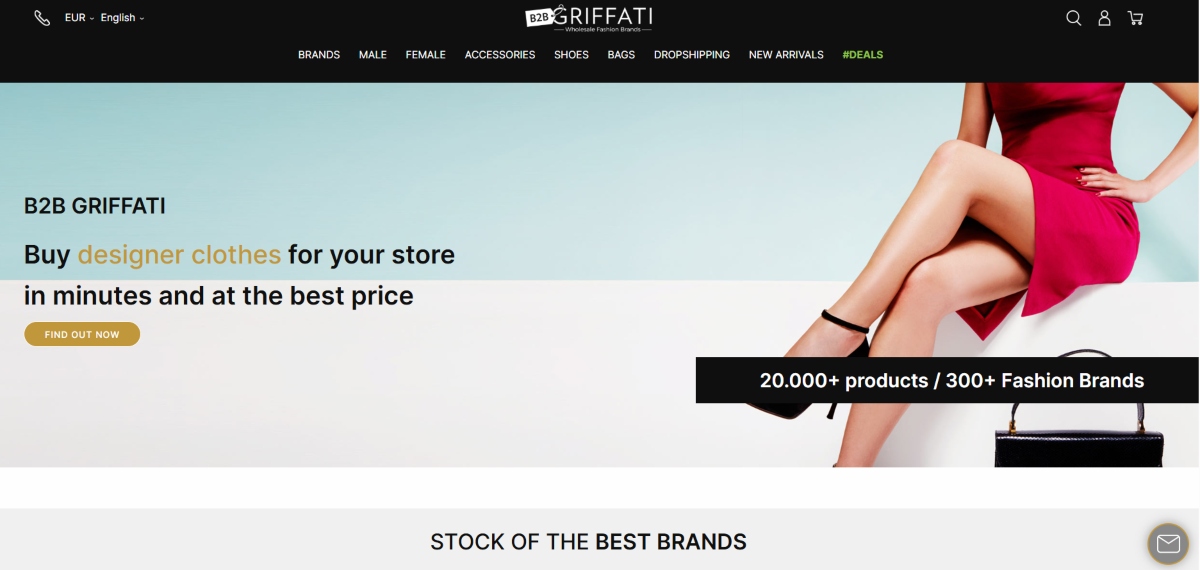
Griffati is a European fashion wholesaler offering quality European styles. Excellent for targeting customers seeking European fashion trends.
BDroppy offers fashion dropshipping with automated catalog management tools, reducing manual work significantly.
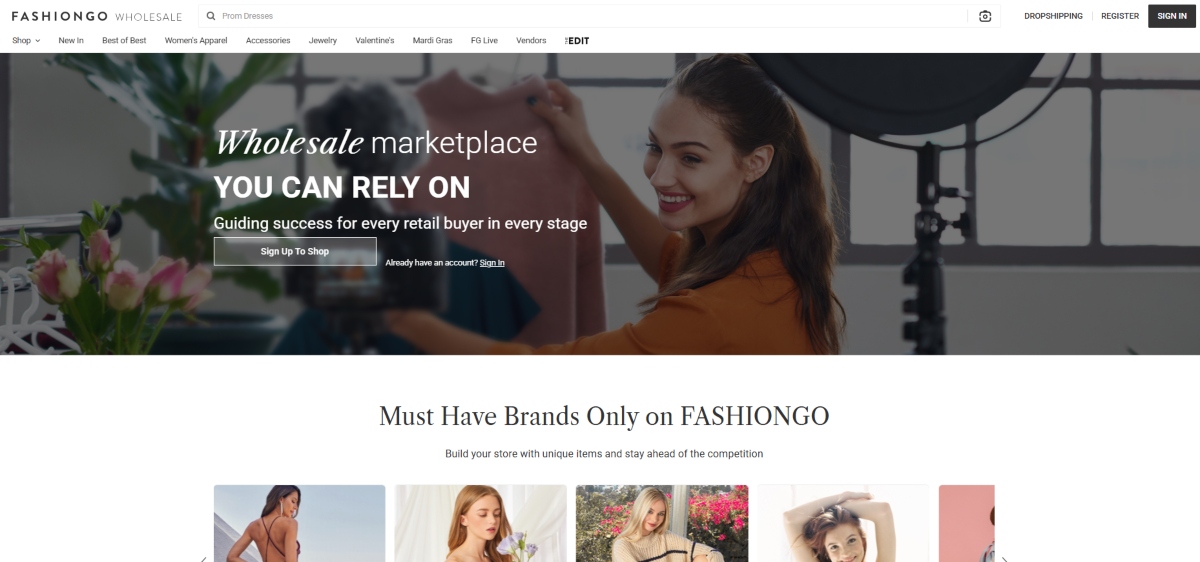
FashionGo is a fashion marketplace for wholesale clothing connecting you with multiple vendors and updated trends.
General & Large-Scale Suppliers
AliExpress offers vast, low-cost options for all clothing niches. Warning: expect 2-4 week shipping and sizing inconsistencies requiring detailed size guides for customers.

CJDropshipping provides warehousing, quality control, and custom branding options. Their fulfillment services enable branded packaging supporting brand building.
Spocket offers vetted suppliers primarily from US and EU with fast shipping. Their verification process eliminates unreliable vendors, saving research time.
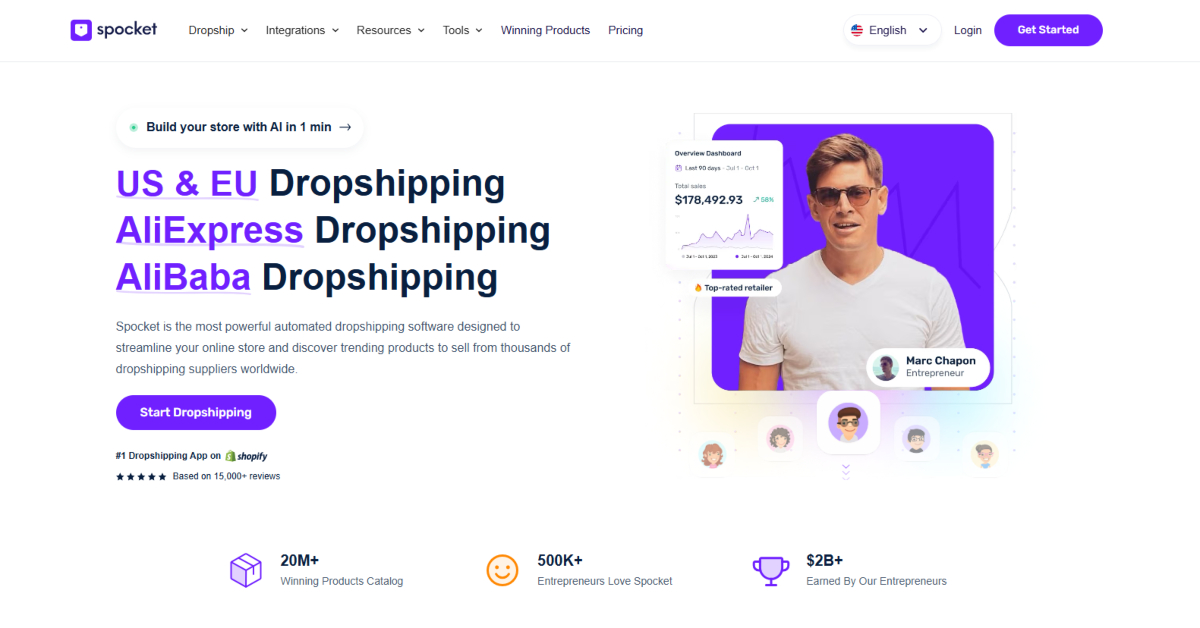
Modalyst specializes in dropshipping from independent brands, appealing to customers seeking unique, designer items. Higher profit margins justify premium positioning.
DropCommerce focuses on premium, fast-shipping products from North American suppliers. Their curated selection ensures quality over quantity.
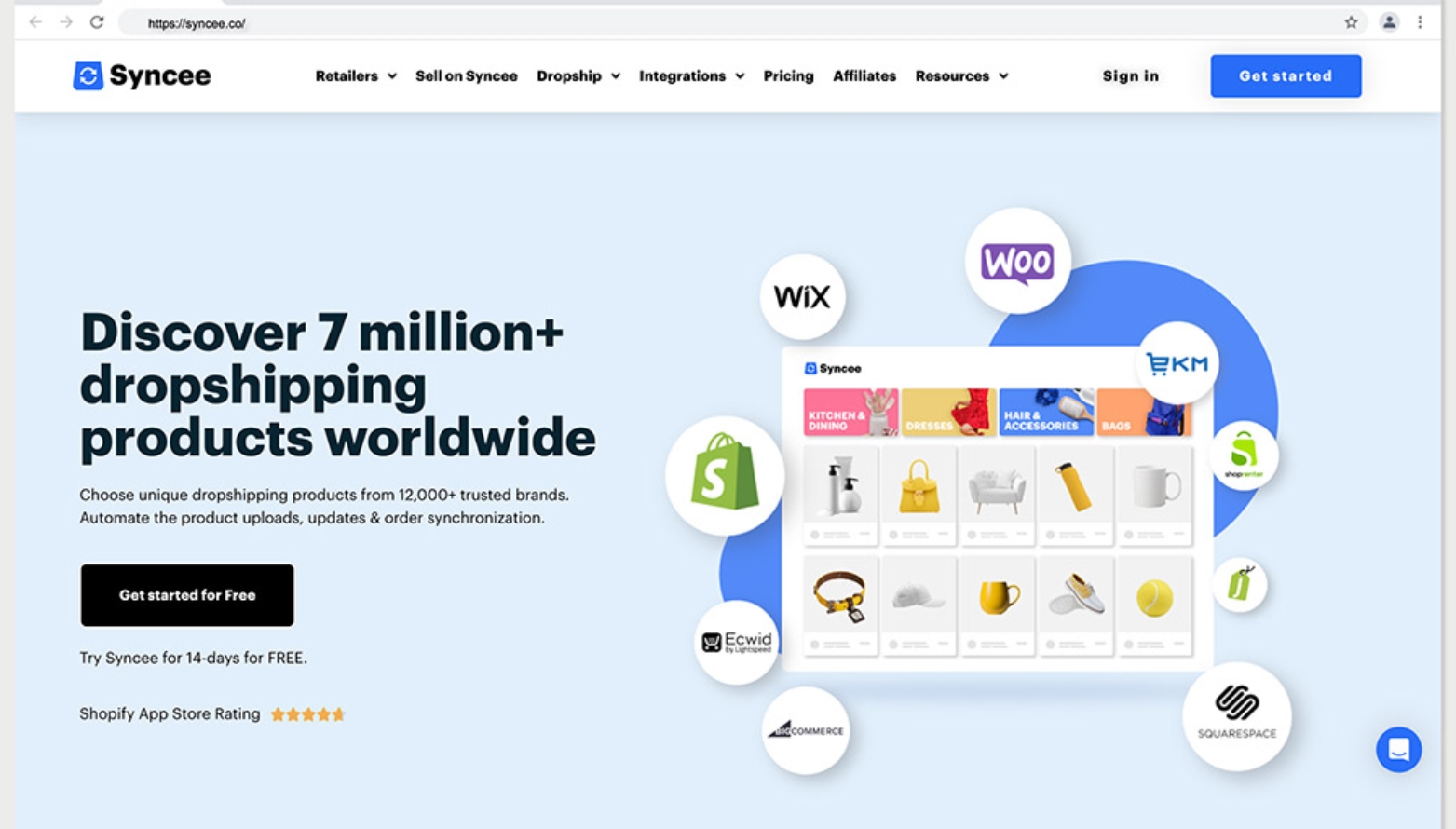
Syncee is a B2B platform with large networks of global suppliers. Their automated catalog synchronization saves hours of manual work.
Alibaba is suitable for bulk sourcing and private labeling when minimum orders aren’t prohibitive. Best for established businesses with sufficient capital.
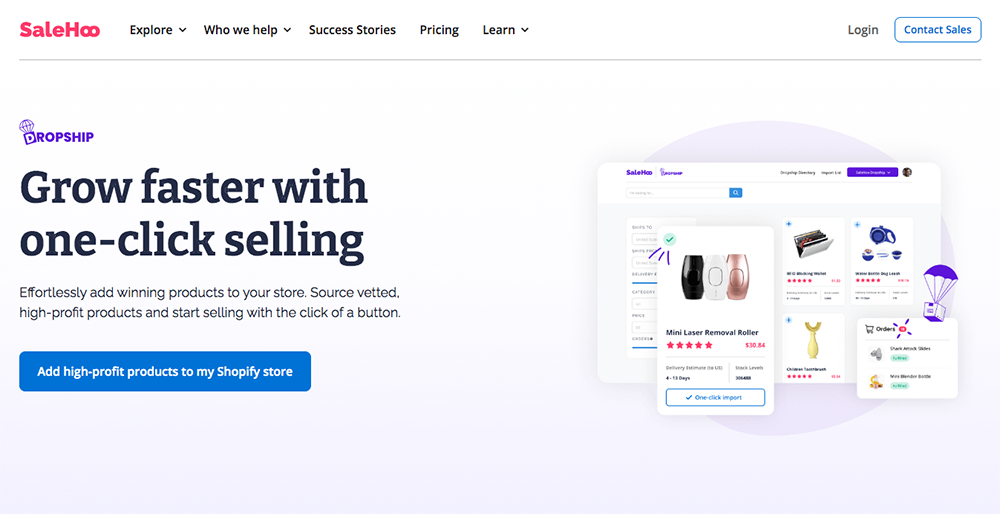
SaleHoo is a directory finding verified high-quality clothing suppliers with detailed reviews from other sellers. Excellent research tool before committing to suppliers.
Wholesale2B offers automated dropshipping tools with pre-integrated clothing suppliers. Eliminates integration setup, accelerating launch.
Sellvia is US-based fulfillment center for clothing offering white-label services. Best for brands wanting quality fulfillment without supplier complications.
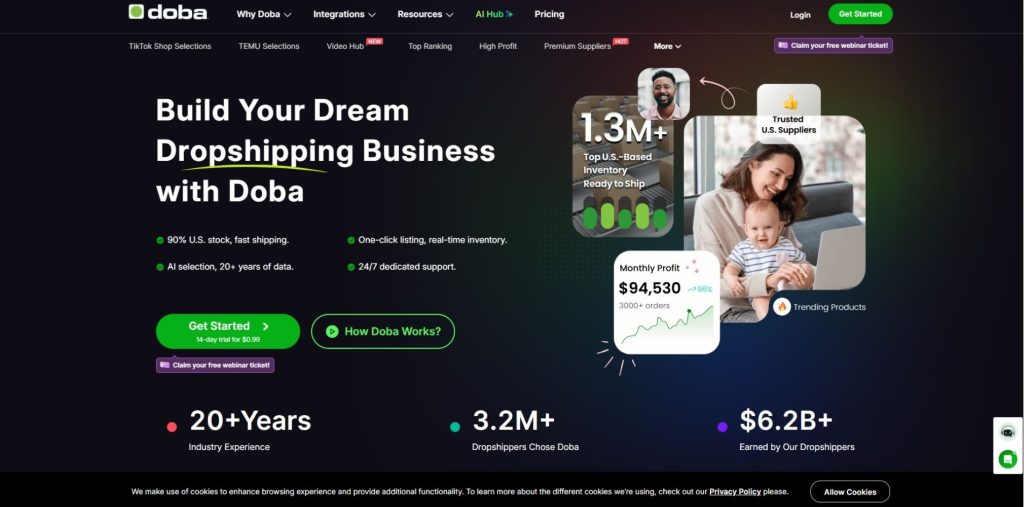
Doba is a marketplace searching for apparel and managing multiple suppliers from one dashboard. Simplifies multi-supplier operations.
Tips to Choose Clothes Dropshipping Suppliers
Order Samples First
Never sell products you haven’t personally seen and tested. Verify fabric quality, sizing accuracy, print quality (for POD), and overall construction. This upfront investment prevents high return rates destroying your profitability.
Prioritize Fast Shipping & Location
Choose suppliers with warehouses near target customers. US warehouse location enabling 5-10 day delivery creates customer satisfaction. Avoid suppliers requiring 3+ week shipping unless targeting price-conscious customers accepting longer delivery.
Check Inventory Management Systems
Ensure suppliers prevent stockouts of popular items. Confirm they update inventory daily and provide alerts when stock runs low.
Review Return Policies Carefully
Understand whether suppliers accept returns for quality issues, sizing problems, and color discrepancies. Clear policies reduce customer service headaches.
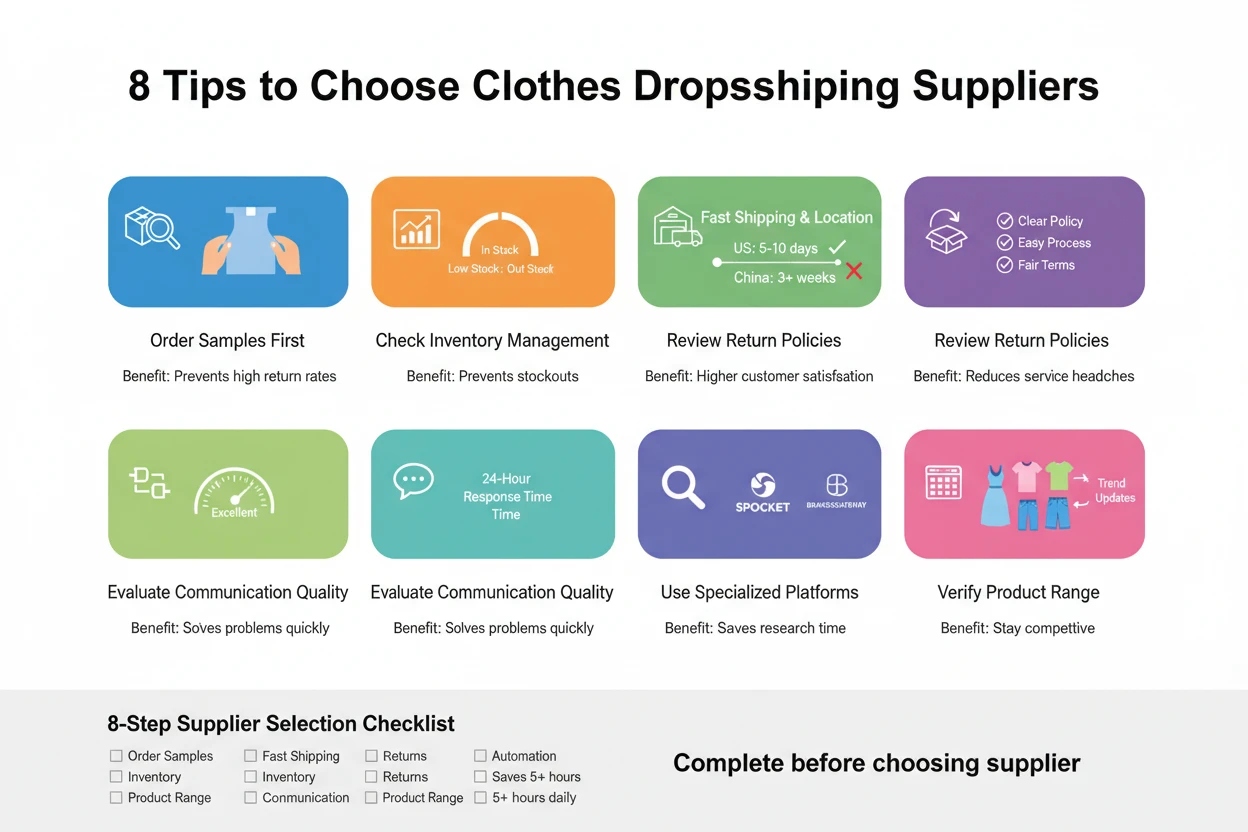
Evaluate Communication Quality
Test responsiveness before committing. Send detailed questions and note response time and professionalism. Responsive suppliers solve problems before they escalate.
Use Specialized Platforms
Use platforms like Trendsi, BrandsGateway, and Spocket to locate reputable suppliers more efficiently than manual research. Platform vetting saves time discovering unreliable vendors.
Check Integration Capabilities
Confirm suppliers offer Shopify apps, WooCommerce plugins, or API access. Integration eliminates manual order fulfillment, reducing errors and saving hours daily.
Verify Product Range & Uniqueness
Ensure suppliers offer good variety and regularly introduce new items. Trend-focused suppliers help you stay competitive in fast-moving fashion markets.
Steps to Start a Dropshipping Clothing Business
Choose a Profitable Niche
Research underserved markets combining personal passion with market demand. Use Google Trends analyzing seasonality and demand. Study TikTok using hashtags like #TikTokMadeMeBuyIt spotting trending products. Passion sustains you through slow periods while demand ensures profitability.
Read more: How To Find The Best Dropshipping Niches

Select Your Sales Platform
Weigh control versus convenience. Shopify provides complete brand control but requires driving traffic through ads. Etsy and eBay provide built-in traffic but charge higher fees (5-6%) and limit branding. Choose based on whether you prioritize brand building (Shopify) or quick customer access (Etsy/eBay).
Source Quality Suppliers
Identify 3-5 potential vendors matching your criteria. Order samples from each, testing quality and shipping speed. Finalize partnerships with suppliers offering best quality/price combinations and reliable communication.
Build Your Store
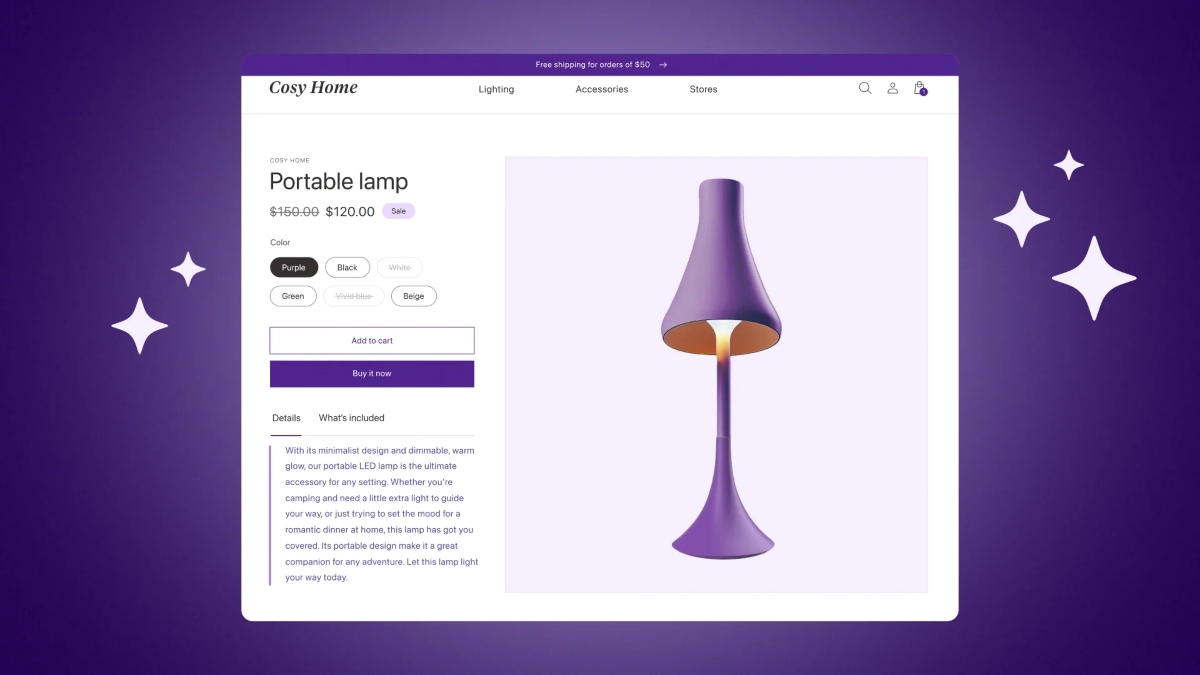
Use Shopify AI Store Builder or manual setup. Optimize product pages with keyword-rich titles, detailed descriptions, high-quality images, and accurate sizing information. Clear sizing charts reduce return rates significantly.
Import Products Strategically
Start with 20-50 bestselling items rather than importing entire catalogs. Focus on winners, avoiding inventory bloat. Use tools like AutoDS automating imports and staying updated with trending products.
Set Competitive Pricing
Research competitor pricing, calculate your costs, and maintain 50-100% markup. Price competitively while protecting margins. Monitor competitor pricing weekly adjusting accordingly.
Automate Order Fulfillment
Use tools syncing orders directly to suppliers, eliminating manual entry errors. Automation saves hours daily while ensuring accurate fulfillment.
Market Your Store
Use paid ads (Facebook, Instagram, Google), content marketing (blog, YouTube), and social media (TikTok, Instagram). Marketplaces require keyword optimization and platform advertising. Own websites require active marketing investment.

Clothes Dropshipping Suppliers FAQs
How do I verify supplier reliability?
Look for positive reviews from multiple sources including independent review sites and seller communities. Order samples under different aliases testing consistency. Check communication responsiveness by reaching out with questions before committing. Reliable suppliers respond within 24 hours with detailed, helpful information.
What are typical shipping times?
Reputable US-based suppliers offer 5-14 day shipping. Chinese suppliers typically require 2-4 weeks. EU suppliers offer 7-21 day shipping. Shipping time directly impacts customer satisfaction, so prioritize faster suppliers over lowest cost.
How are returns handled?
Reliable suppliers accept returns for defective items, sizing issues, and color discrepancies. Confirm they provide prepaid return labels or cover return shipping. Understand refund timeframes ensuring you can issue customer refunds promptly.
Do suppliers offer automation?
Yes, modern suppliers provide Shopify apps, WooCommerce plugins, or API integrations syncing inventory, orders, and tracking automatically. Automation is essential for scaling beyond manual operations.
What should I ask about inventory?
Confirm suppliers have safeguards preventing overselling out-of-stock items. Ask about update frequency (daily ideally) and alert systems notifying you of low stock. This prevents disappointing customers with cancellations.
Are there minimum order requirements?
Some suppliers require minimums (typically 2-5 items per order) while others offer no minimums. Verify before committing as minimums impact your cash flow and initial testing costs.
Do I get product data?
Yes, suppliers typically provide high-quality images, detailed descriptions, and sizing charts for your store. Confirm data quality and whether you can customize descriptions to match your branding.
How do I handle payments?
Suppliers accept various payment methods including credit cards, PayPal, and bank transfers. Larger orders may qualify for dedicated account management and net payment terms. Discuss payment options before launch.
Conclusion
Success in clothes dropshipping depends entirely on supplier selection. Quality products, fast shipping, responsive communication, and reliable inventory management separate profitable businesses from struggling failures. Test suppliers thoroughly with samples before committing. Start with 1-2 best suppliers perfecting operations before expanding. Use automation tools eliminating manual work. Focus on customer service maintaining reputation. Monitor metrics constantly optimizing based on data.
The 20+ suppliers outlined here represent vetted options with proven track records. Research those matching your niche, order samples, and launch with confidence. Clothes dropshipping remains highly profitable for sellers willing to prioritize quality and customer satisfaction above quick money. Choose suppliers supporting your vision, and your clothing business will thrive in 2026’s competitive marketplace.