Choosing the right fulfillment partner can transform your ecommerce business or sink it. Many brands make costly mistakes by selecting top ecommerce fulfillment companies based on price alone, only to face hidden fees, poor accuracy rates, and missed delivery windows. In this guide, BettaMax will reveal the best options and shows you how to avoid critical pitfalls.
What are ecommerce fulfillment companies?
Definition and role in ecommerce logistics
Ecommerce fulfillment companies are third-party logistics providers that manage the entire order fulfillment process on behalf of online retailers. They handle everything from receiving inventory to delivering packages to end customers. These providers act as the backbone of ecommerce operations, enabling brands to focus on sales and marketing while outsourcing complex logistics.
To understand how these providers operate behind the scenes, you can also explore what is a fulfillment center – the core facility powering inventory, picking and packing operations.”
How fulfillment companies handle inventory, picking, packing, and shipping
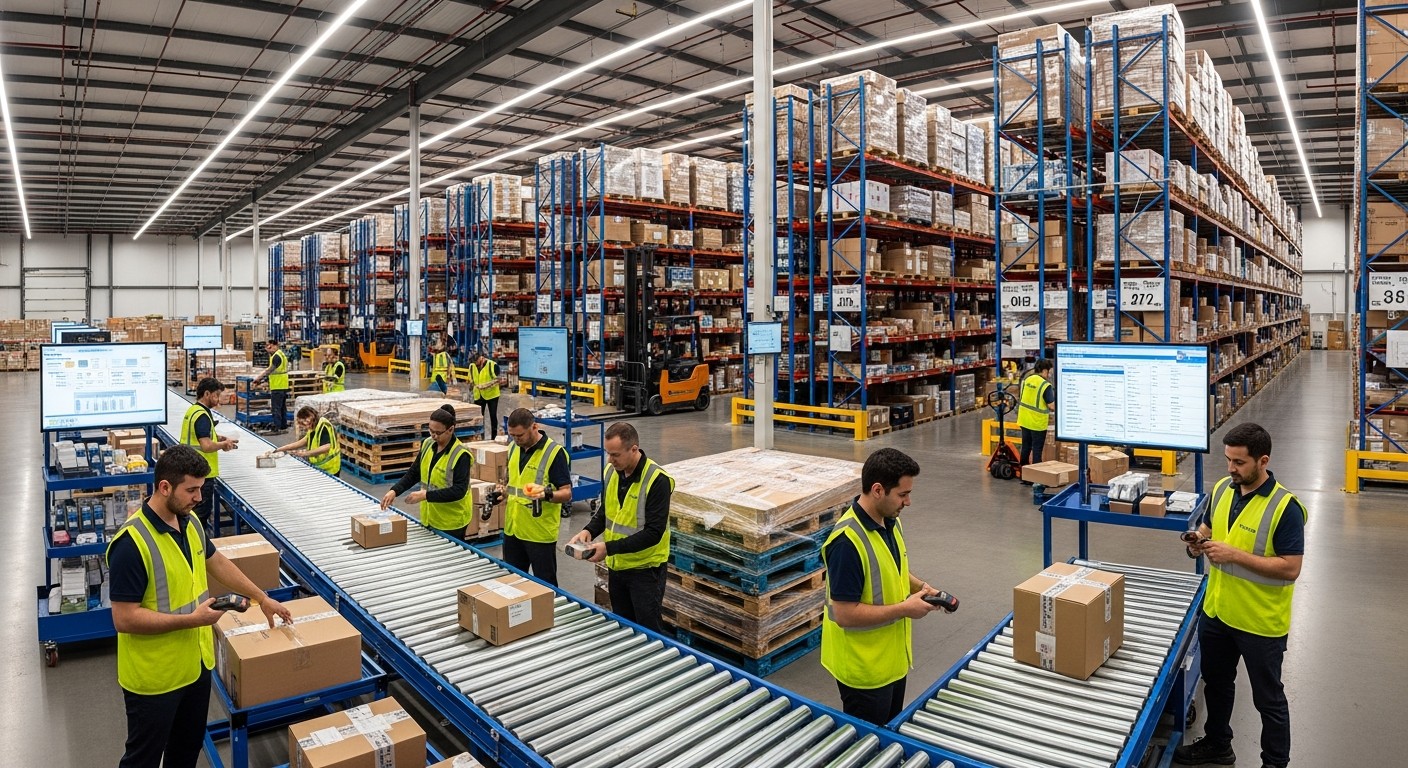
Top ecommerce fulfillment companies operate through a standardized workflow. When inventory arrives, they perform receiving and quality checks. Items are stored in organized warehouses using barcode or RFID systems. When orders come in, associates pick items from shelves, verify accuracy, pack them in branded or standard boxes, and hand them off to carriers. Throughout this process, tracking data is synced in real-time to your ecommerce platform, keeping customers informed every step of the way.
Benefits of working with the best ecommerce fulfillment services
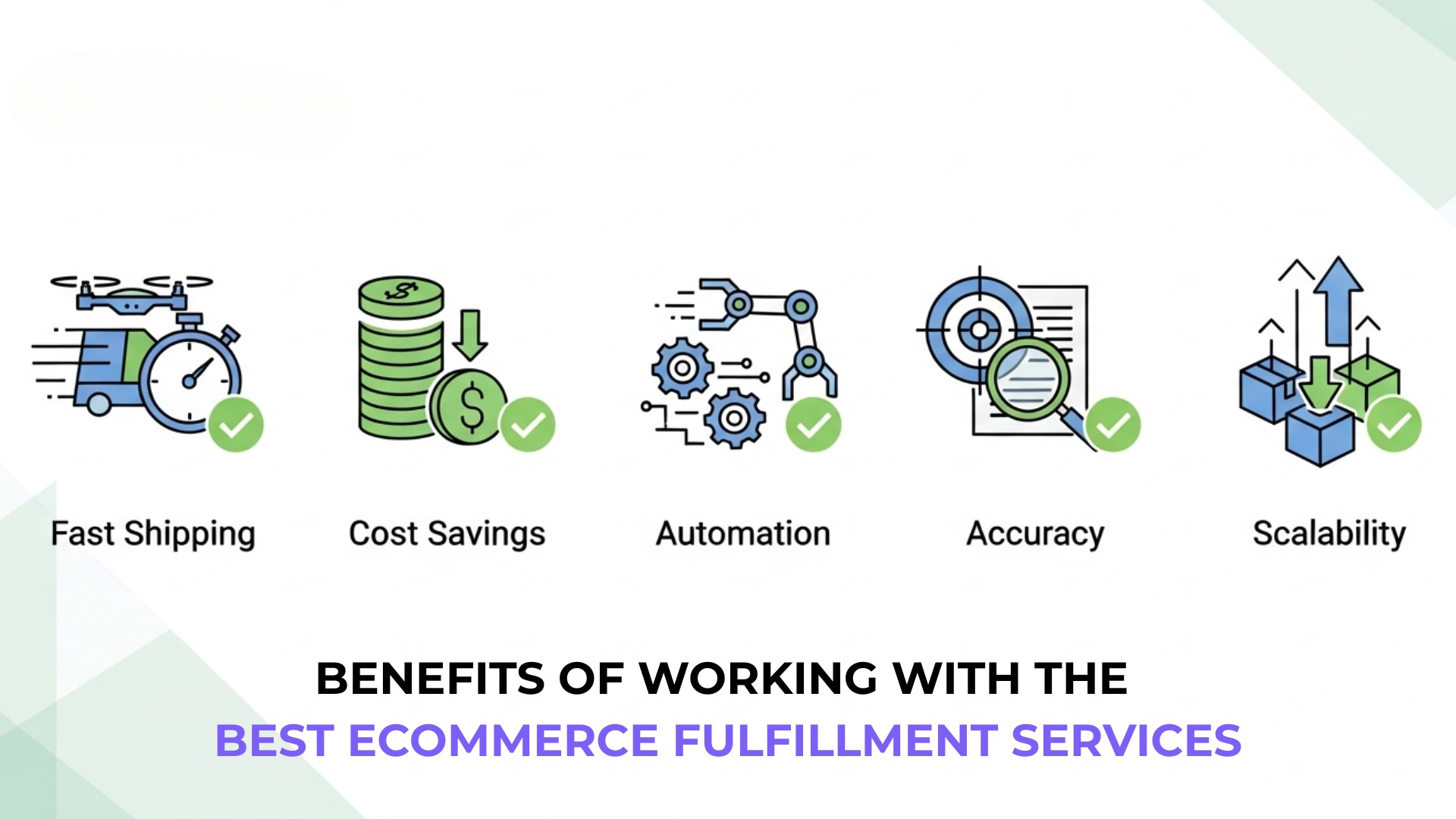
Partnering with the best ecommerce fulfillment companies offers significant advantages. You reduce operational complexity, scale without hiring warehouse staff, access negotiated carrier rates that cut shipping costs by 15-30%, and improve order accuracy through professional systems. Most importantly, you can focus on growth while fulfillment experts handle logistics.
5 reasons why ecommerce fulfillment companies are the best choice for order management
Nationwide or global warehouse networks
Top ecommerce fulfillment companies operate multiple fulfillment centers, reducing shipping distances and speeding up delivery times for customers.
Automation and high accuracy
They use warehouse automation, barcode scanning, and real-time inventory systems, achieving fulfillment accuracy rates above 99%.
Lower shipping costs through volume discounts
These providers negotiate discounted carrier rates with FedEx, UPS, and DHL, helping businesses significantly reduce shipping expenses.
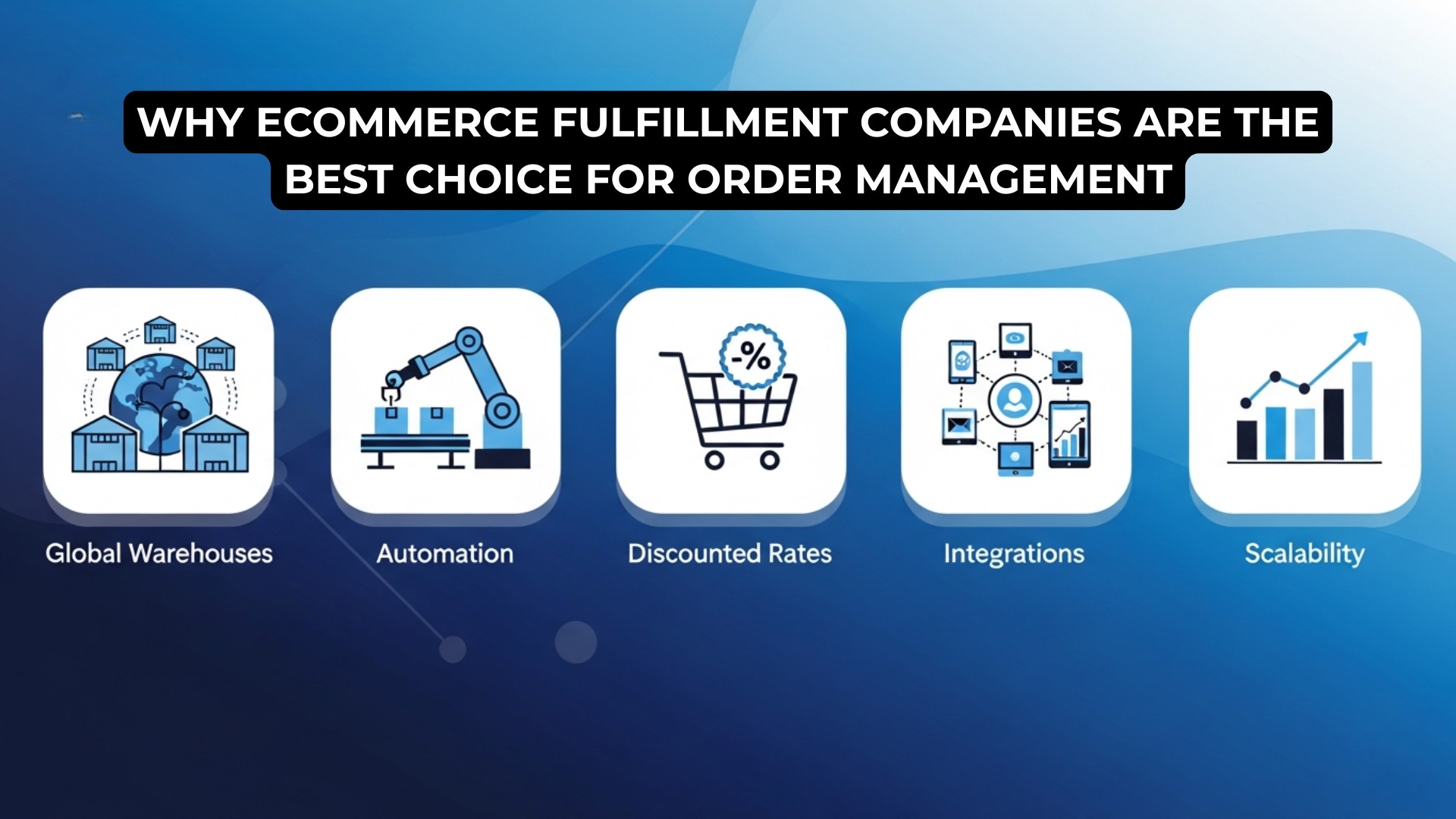
Seamless multi-channel integrations
Best ecommerce fulfillment services connect smoothly with Shopify, WooCommerce, Amazon, TikTok Shop, and 50+ other platforms for synchronized operations.
Effortless scalability
As order volume grows, fulfillment companies scale instantlm, managing seasonal spikes without extra labor, equipment, or long-term commitments.
Top 10 ecommerce fulfillment companies in 2025
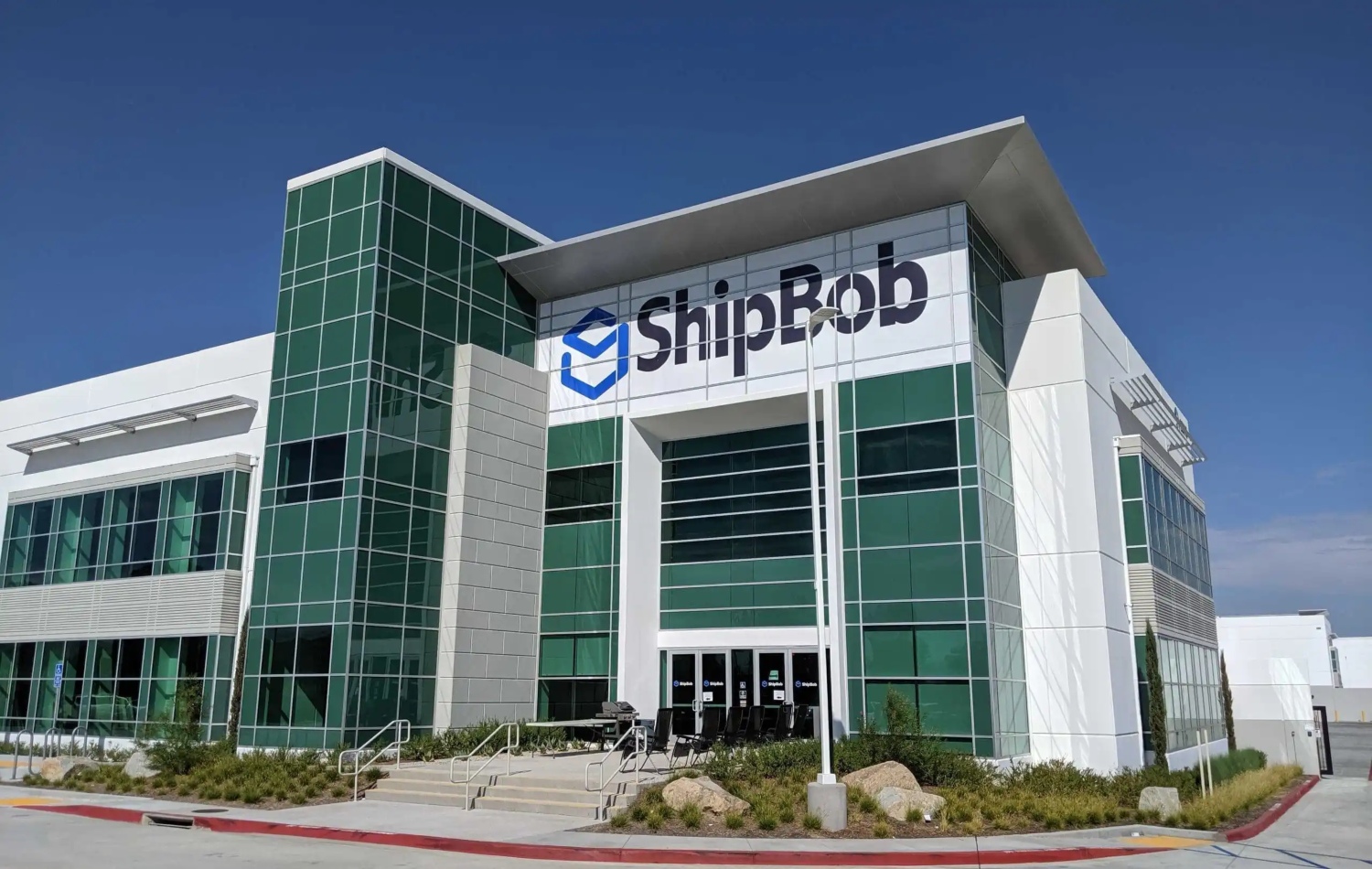
ShipBob
ShipBob is ideal for high-growth D2C brands shipping 500+ monthly orders. Pricing ranges from $0.99 to $1.50 per order with annual storage at $8-12 per cubic foot. Key strengths include transparent pricing, nationwide warehouse network, and 98%+ accuracy. Limitations include minimum order requirements for discounted rates.
Red Stag Fulfillment
Red Stag specializes in large, heavy, and high-value items like furniture and sporting goods. Pricing starts at $2-3 per order with storage negotiable based on volume. Their strengths include expert handling of oversized products and excellent customer support. Best suited for enterprise-level sellers with consistent high volumes.
ShipMonk
ShipMonk serves scaling D2C brands with tiered pricing from $0.50-$1.25 per order. Storage fees range from $2-6 per cubic foot annually. They excel at custom packaging, kitting, and bundling services. Limitations include longer contract terms for premium features.
eFulfillment Service
eFulfillment Service focuses on SMBs and startup ecommerce brands. Pricing is $1-2 per order with affordable storage options. Strengths include no minimum order volume, flexible contracts, and strong integrations with major platforms. Best for businesses under 10,000 monthly orders.
ShipNetwork
ShipNetwork offers regional coverage ideal for brands serving specific geographic areas. Pricing ranges from $1.50-2.50 per order. They provide excellent same-day cutoff times and local carrier partnerships. Best suited for subscription boxes and perishable goods requiring fast handling.
Fulfillment by Amazon (FBA)
FBA is the largest fulfillment provider globally with unlimited network reach. Pricing varies by product size ($2-15+ per unit) plus storage and long-term storage fees. Strengths include Prime eligibility and Amazon’s trusted brand. Limitations include inflexible pricing and penalties for slow-moving inventory.
Speed Commerce
Speed Commerce emphasizes fast fulfillment, processing orders within 4 hours of placement. Pricing starts at $1.50-2.00 per order with competitive storage rates. They’re ideal for brands prioritizing speed and customer satisfaction. Limitations include higher base fees than some competitors.
Buske Logistics
Buske serves mid-market brands with sophisticated inventory management needs. Pricing ranges from $2-3 per order with customizable storage terms. They excel at complex product handling and reverse logistics. Best for businesses with 5,000+ monthly orders and specialized requirements.
We Ship Express
We Ship Express offers budget-friendly fulfillment starting at $0.75-1.25 per order. Their strength lies in affordable pricing and strong regional coverage. Limitations include smaller national warehouse network compared to competitors.
Ottawa Logistics
Ottawa Logistics specializes in Canadian and North American fulfillment with local expertise. Pricing starts at $1.50-2.50 per order with regional storage advantages. They’re ideal for brands serving Canadian markets or requiring North American presence only.
Comparison table: Top ecommerce fulfillment companies
| Provider | Pricing (per order/unit) | Min. volume | Warehouses | Accuracy rate | Integrations | Best for |
|---|---|---|---|---|---|---|
| ShipBob | $0.99 – $1.50 / order | 500 orders/month | 60+ | 98%+ | 50+ ecommerce platforms | Growth-stage ecommerce brands |
| Red Stag Fulfillment | $2 – $3 / order | Negotiable | 2 | 99%+ | Major ecommerce platforms | Heavy, oversized, high-value items |
| ShipMonk | $0.50 – $1.25 / order | 100 orders/month | 12 | 99%+ | 40+ ecommerce platforms | DTC and subscription brands |
| eFulfillment Service | $1 – $2 / order | None | 8 | 97%+ | Shopify, WooCommerce | Small and mid-sized businesses |
| ShipNetwork | $1.50 – $2.50 / order | 1,000 orders/month | 12 | 98%+ | Major ecommerce platforms | Regional fulfillment strategies |
| Fulfillment by Amazon (FBA) | $2 – $15+ / unit | Flexible | 100+ | 99%+ | Amazon-native ecosystem | Amazon sellers of all sizes |
| Speed Commerce | $1.50 – $2 / order | 500 orders/month | 12+ | 99%+ | 40+ ecommerce platforms | Speed-focused ecommerce brands |
| Buske Logistics | $2 – $3 / order | 5,000 orders/month | 37 | 99%+ | Major enterprise platforms | Enterprise and high-volume B2B brands |
| We Ship Express | $0.75 – $1.25 / order | 200 orders/month | 6 | 96%+ | Shopify, WooCommerce | Budget-conscious ecommerce brands |
| Ottawa Logistics | $1.50 – $2.50 / order | 1,000 orders/month | 3 | 98%+ | Major ecommerce platforms | Canada-focused fulfillment needs |
How to compare the best ecommerce fulfillment services
Order accuracy rates
Accuracy is non-negotiable. Request reports showing defect rates over the past 6-12 months. Industry standards are 98-99%+. Ask if accuracy metrics include picking errors, shipping errors, and damage rates. Top ecommerce fulfillment companies publish these metrics transparently.
Warehouse locations and coverage
Map where your customers are located and verify the provider has fulfillment centers nearby. Distributed networks reduce shipping times and costs. Ask about plans to add warehouses in key markets as you scale.
SKU count and product type requirements
Confirm the provider handles your specific product types (fragile, heavy, hazardous, oversized). Ask about SKU limits and whether they charge overages for large product catalogs.
Speed of fulfillment
Request cutoff times for same-day processing and typical shipping windows. Best ecommerce fulfillment services offer 4-24 hour processing with 2-3 day national shipping standards.
Carrier partnerships and rates
Ask which carriers they use (FedEx, UPS, DHL, USPS) and what discounts they negotiate. Providers should offer 15-30% savings versus retail rates.
Technology capabilities
Evaluate their software dashboard, real-time tracking, integration options, and reporting capabilities. Can they handle multi-warehouse distribution, kitting, and custom packaging?
Scalability for high-growth brands
Confirm they can scale with you during seasonal peaks and long-term growth without renegotiating contracts or facing surcharges.
5 tips to choose the right fulfillment company for your business
Determine order volume and growth forecast
Calculate your current monthly order volume and project 12-month growth. This determines which tier of best ecommerce fulfillment companies makes financial sense. Startups under 1,000 orders may benefit from Amazon FBA, while growing brands (1,000-10,000 orders) thrive with ShipBob or ShipMonk.
Map where most customers are located
Identify customer concentration by geography. Use this to prioritize fulfillment partners with warehouses in those regions. Top ecommerce fulfillment services with distributed networks serve customers faster and cheaper.
Check system integrations with your ecommerce platforms
Verify the provider integrates with your primary sales channels (Shopify, WooCommerce, Amazon, TikTok Shop). Poor integrations create manual work and errors.
Match service capabilities with your product type
Confirm the provider specializes in your product category. If selling heavy furniture, Red Stag is better than general providers. If handling fragile electronics, verify their packaging standards.
Compare pricing structures transparently
Request detailed quotes including all fees: per-order handling, storage, returns, shipping subsidy, and platform fees. Avoid providers with hidden charges that appear after onboarding.
7 essential questions to ask before choosing a fulfillment partner
Do you handle returns and reverse logistics?
Returns are complex. Verify the provider manages the entire return process: receiving, inspecting, restocking, and issuing credits. Ask about return processing timelines.
What’s your accuracy rate?
Request documented accuracy metrics for the past 12 months. Ask how they define accuracy (picking, packing, shipping damage).
Do you support custom packaging and kitting?
If your brand requires custom inserts, tissue, or kitting services, confirm the provider offers these at reasonable rates. Best ecommerce fulfillment companies handle customization seamlessly.

What are your cutoff times for same-day shipping?
Ask about daily order cutoff times that qualify for same-day processing. Late cutoffs limit your competitive advantage.
Do you support multi-warehouse distribution?
If you operate across regions, confirm they can split inventory across multiple facilities and handle inter-warehouse transfers.
What integrations are included?
Get a complete list of platform integrations. Confirm your ecommerce platform is supported natively (not via third-party apps with additional fees).
What are the total costs, including hidden fees?
Request itemized pricing for handling, storage, returns, shipping discounts, and any platform or account management fees. Top ecommerce fulfillment companies provide transparency.
Read more: How to calculate fulfillment cost per order? Full guide & Formula
When should a business start using a fulfillment company?
Order volume thresholds
Once you exceed 500-1,000 monthly orders, outsourcing becomes financially justified. Your savings on labor, space, and shipping outweigh fulfillment fees.
Shipping delays and customer complaints
If you’re missing delivery windows or receiving complaints about packaging, fulfillment outsourcing improves quality and reliability.
Lack of storage space
If you’re struggling to store inventory or paying premium warehouse rent, best ecommerce fulfillment services provide affordable, scalable space.
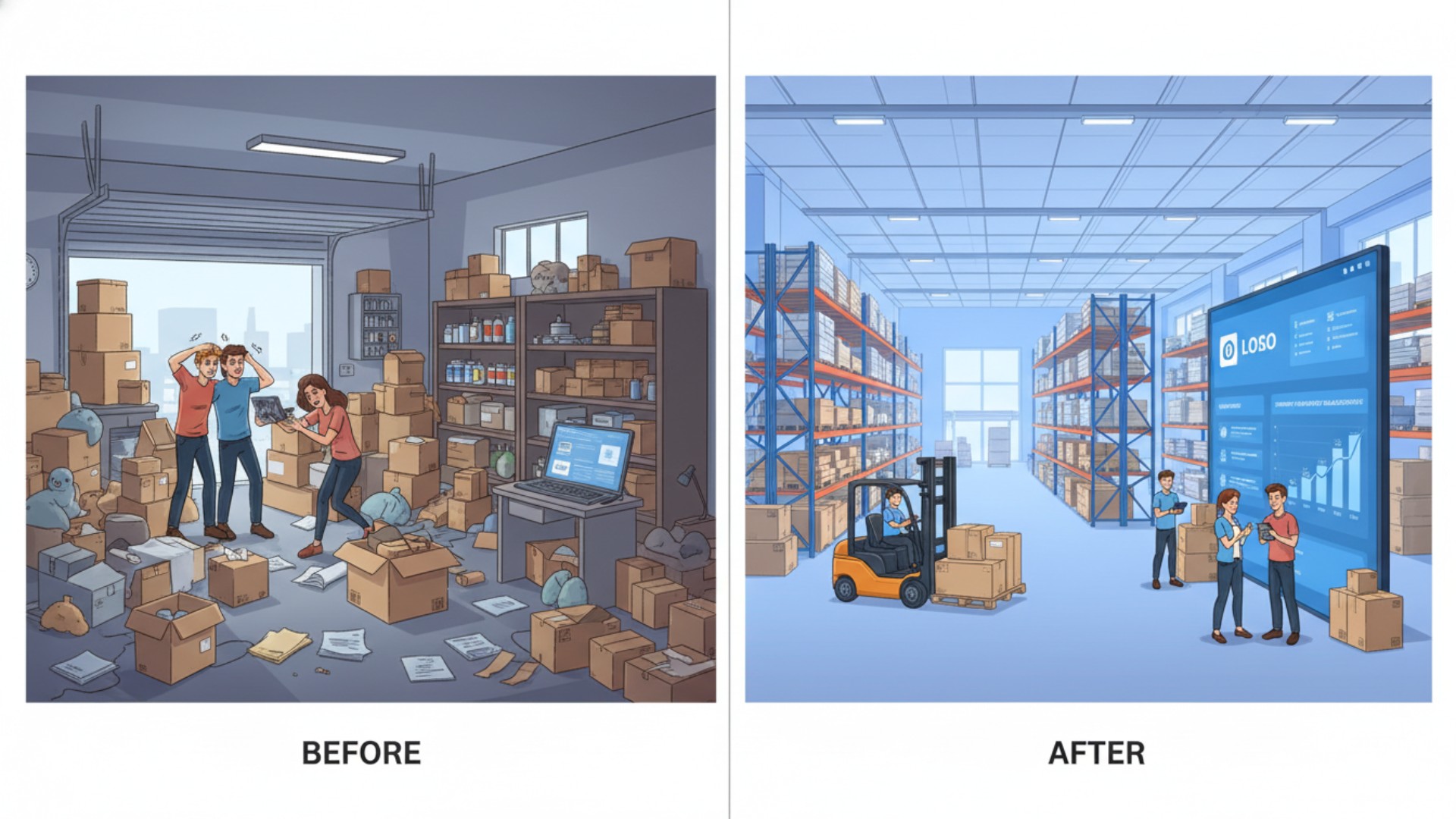
High labor or operational complexity
If hiring, training, and managing warehouse staff consumes resources, outsourcing frees your team to focus on growth activities.
Conclusion
Selecting the right fulfillment partner is one of the most impactful decisions for your ecommerce business. Top ecommerce fulfillment companies like ShipBob, ShipMonk, and Red Stag offer distinct advantages depending on your scale, product type, and growth stage. Startups should consider best ecommerce fulfillment services optimized for SMBs, while scaling brands benefit from providers with distributed networks and advanced integrations.
Use the comparison table and questions in this guide to evaluate candidates thoroughly. Request demos, check references, and negotiate terms before committing. The best ecommerce fulfillment companies invest in accuracy, technology, and customer support, not just competitive pricing.
Ready to find your perfect fulfillment partner? Compare providers side-by-side, request quotes from your top 3 candidates, and ask for trial periods before signing contracts.