A good supplier doesn’t just deliver products that they ensure fast shipping, reliable inventory, quality items, and smooth order fulfillment.
Whether you’re just getting started or looking to scale your business, knowing the best Shopify dropshipping suppliers can save you time, reduce headaches, and help boost customer satisfaction and repeat sales.
Factors Define a Reliable Shopify Dropshipping Supplier
Instead of focusing on price alone, experienced Shopify sellers evaluate suppliers based on several core criteria. These factors determine whether a supplier can support growth without creating operational risks.
Key elements include:
- Consistent product quality across all orders
- Fast and predictable shipping timelines
- Built-in automation with Shopify compatibility
- Transparent pricing that protects profit margins
- Responsive customer support and long-term stability
Reliable suppliers maintain stable product quality, ship orders on time, integrate smoothly with Shopify, offer transparent pricing, and provide responsive support when issues arise. These core factors separate short-term suppliers from long-term business partners.
1. Consistent product quality across all orders
Consistent product quality is one of the most important factors when working with a dropshipping supplier. A reliable supplier delivers the same level of quality across every order, not just the first sample. Inconsistent quality often results in customer complaints, negative reviews, and refund requests that can quickly damage a Shopify store’s reputation.
Experienced sellers usually test multiple samples and monitor customer feedback to ensure that product materials, packaging, and functionality remain stable over time. Long-term consistency is what separates trustworthy suppliers from short-term sourcing options.
2. Fast and predictable shipping timelines
Shipping speed directly affects customer satisfaction, but predictability matters just as much as speed. A reliable dropshipping supplier clearly communicates processing times, shipping methods, and realistic delivery windows so store owners can set accurate expectations from the start.
In practice, shipping timelines vary significantly depending on warehouse location and destination market:
- US warehouses: Orders fulfilled from US-based warehouses typically arrive within 2-5 business days for domestic customers. This option is ideal for stores targeting the US market, offering fast delivery and lower risk of delays.
- EU warehouses: Suppliers with fulfillment centers in the EU usually deliver within 3-7 business days across major European countries. These warehouses help sellers avoid customs delays and improve delivery consistency within the region.
- Asia-based warehouses (China, Southeast Asia): Standard shipping from Asia often takes 7-15 business days, depending on the carrier and destination. While slower, this option is still common due to lower product costs and wide product availability.
- Global or multi-location fulfillment: Suppliers with multiple warehouses allow store owners to route orders to the closest fulfillment center. Delivery times typically range from 3-10 business days, depending on stock availability and destination.
Clear delivery timelines help reduce customer inquiries, prevent chargebacks, and improve overall trust. When customers know exactly when to expect their orders, they are far more likely to complete purchases and return for future orders.
3. Built-in automation with Shopify compatibility
Automation is a key factor in scaling a Shopify dropshipping store without increasing manual workload. A reliable supplier should connect directly with Shopify and handle most fulfillment tasks automatically, reducing the risk of errors as order volume grows.
What seamless Shopify automation usually includes:
- Automatic order syncing
- Real-time tracking updates
- Inventory and price syncing
- Bulk order processing
Why automation matters for store owners:
- Less time spent on manual order management
- Fewer fulfillment mistakes and customer complaints
- Faster order processing and status updates
- A smoother, more professional customer experience
Suppliers with strong Shopify automation allow store owners to focus on marketing, branding, and growth rather than daily operational tasks.
4. Transparent pricing that protects profit margins
Transparent pricing helps Shopify sellers maintain healthy profit margins as their stores scale. Some suppliers may look affordable at first, but hidden fees, high shipping costs, or mandatory subscriptions can quickly reduce real profits.

Reliable suppliers clearly display product prices, shipping fees, and any platform costs upfront. This makes it easier to calculate accurate margins, price products correctly, and avoid unexpected cost increases later.
Tip: Always calculate your real cost per order including product price, shipping, and fees before choosing a dropshipping supplier.
5. Responsive customer support and long-term stability
Even with reliable systems, issues can still occur. What matters is how quickly a supplier responds and resolves problems. Responsive customer support helps store owners handle order delays, product issues, and customer inquiries efficiently.
Long-term stability is equally important. Suppliers with a proven track record, clear policies, and professional support teams are more likely to remain reliable partners as your Shopify store grows.
7 Best Shopify Dropshipping Suppliers (2026)
Not all dropshipping suppliers are built for Shopify in 2026. Faster delivery expectations, automation demands, and tighter margins mean choosing the wrong partner can stall growth before it starts.
1. AliExpress / DSers
AliExpress is one of the largest global marketplaces for sourcing low-cost and trending products, making it a popular starting point for Shopify dropshipping businesses. With millions of suppliers across categories such as home goods, gadgets, fashion, and accessories, AliExpress offers unmatched product variety and price flexibility.

DSers acts as the official AliExpress integration for Shopify, transforming what would otherwise be a manual process into a scalable fulfillment system. Through DSers, store owners can import products, place bulk orders, sync tracking numbers, and manage multiple suppliers directly from their Shopify dashboard. This combination allows sellers to test products quickly, validate demand, and scale without upfront inventory costs.
While AliExpress and DSers provide powerful tools for efficiency and growth, the model requires careful supplier selection and realistic shipping expectations. When used strategically, it remains one of the most accessible entry points into dropshipping and a practical solution for stores focused on product testing and volume sales.
Pros
- Huge product selection across almost every niche
- Very low product costs for testing and scaling
- Official Shopify integration via DSers
- Bulk ordering and automated fulfillment support
Cons
- Shipping times vary by supplier
- Product quality is inconsistent
2. Spocket
Spocket is a dropshipping platform built around speed, quality, and reliability rather than sheer product volume. Instead of sourcing mainly from Asia, Spocket connects Shopify sellers with vetted suppliers based in the US and EU, making it a strong choice for stores that prioritize faster delivery and a more premium customer experience.
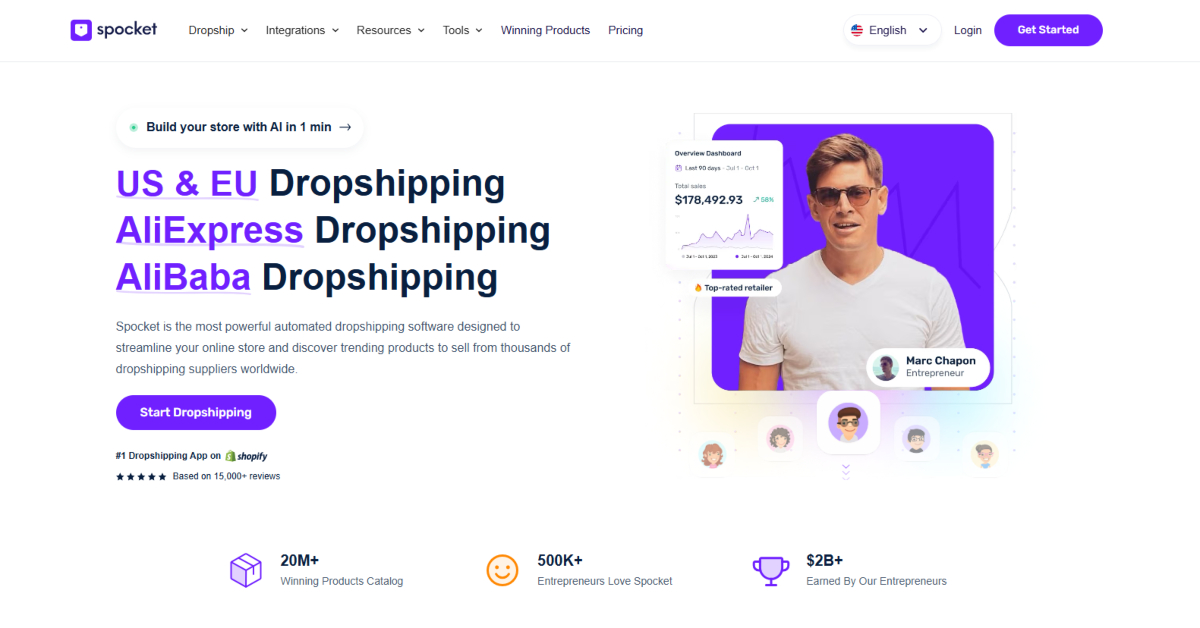
The platform integrates smoothly with Shopify, allowing sellers to import products, automate order fulfillment, and sync tracking information with minimal setup.
Because many Spocket suppliers offer domestic or regional shipping, delivery times are significantly shorter, helping stores reduce refunds, chargebacks, and customer support friction. This makes Spocket especially suitable for branded stores, higher-priced products, and audiences with strong delivery expectations.
While Spocket may not compete with AliExpress on price or catalog size, it compensates with better consistency, clearer supplier communication, and more predictable fulfillment performance.
Pros
- Fast shipping from US and EU suppliers
- Higher product quality and consistency
- Strong Shopify integration and automation
- Suitable for premium or branded stores
Cons
- Smaller product catalog compared to AliExpress
- Higher product costs reduce margin flexibility
- Most useful features require a paid plan
3. CJdropshipping
CJdropshipping positions itself as more than a product sourcing platform. It operates as a full-service fulfillment solution, combining product sourcing, private warehousing, order processing, and shipping under one system. For Shopify sellers looking to move beyond basic AliExpress workflows, CJdropshipping offers a more controlled and scalable alternative.
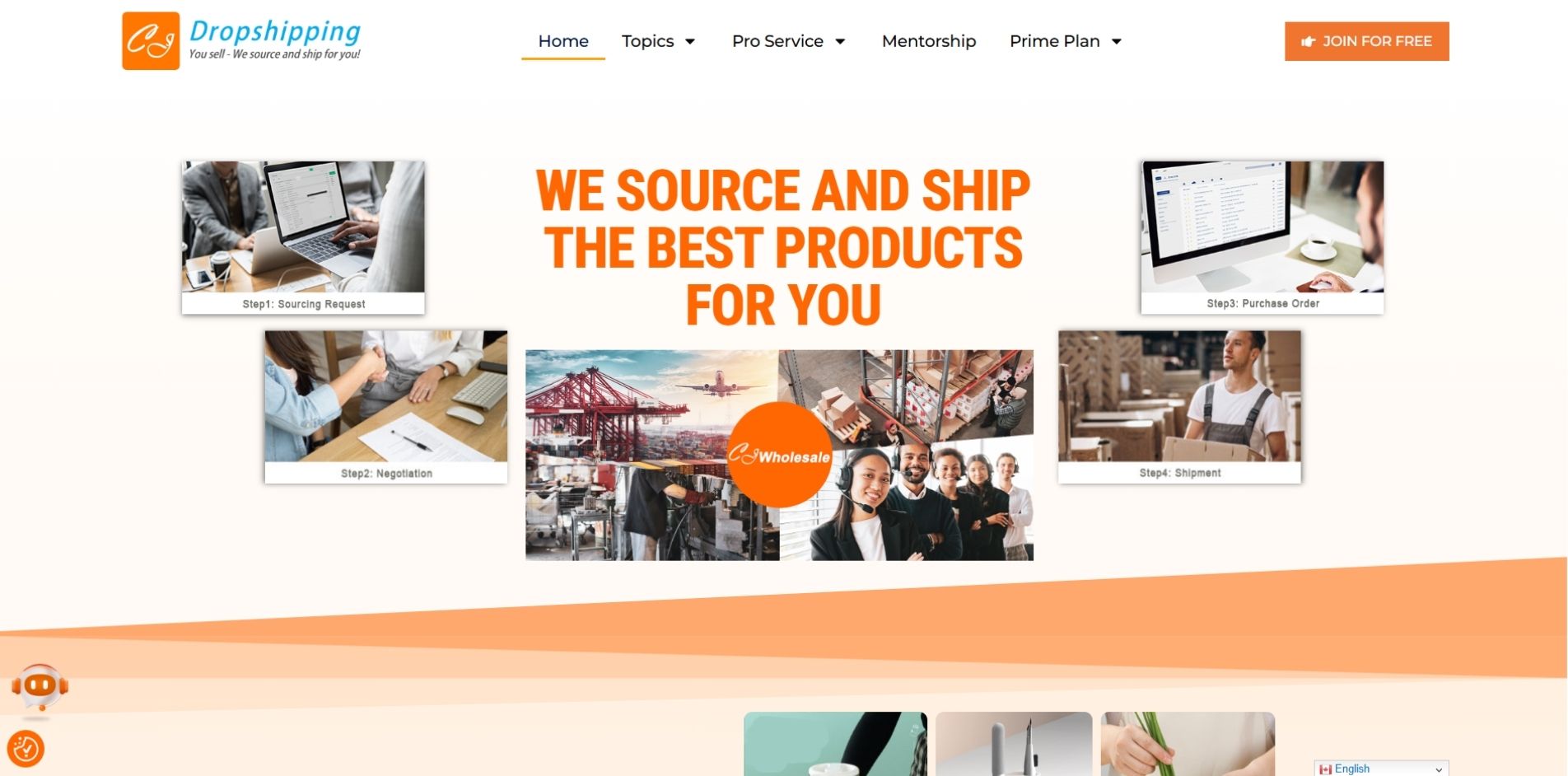
One of CJ’s biggest advantages is its ability to source products directly from manufacturers and store inventory in regional warehouses. This setup often results in faster and more consistent shipping compared to ordering directly from AliExpress suppliers. With built-in Shopify integration, sellers can automate fulfillment, track inventory across warehouses, and manage growing order volumes without increasing manual workload.
CJdropshipping is particularly well-suited for stores that have already validated products and need better logistics support as they scale.
Pros
- All-in-one sourcing, warehousing, and fulfillment
- Faster shipping than direct AliExpress in many cases
- Strong Shopify automation and order management
- Supports scaling with private inventory options
Cons
- Interface can feel complex for beginners
- Product pricing may be higher than AliExpress
4. Zendrop
Zendrop is a dropshipping platform designed to simplify fulfillment while improving product quality compared to standard AliExpress suppliers. It focuses on helping Shopify sellers source reliable products, automate order processing, and maintain consistent delivery without dealing with multiple vendors.
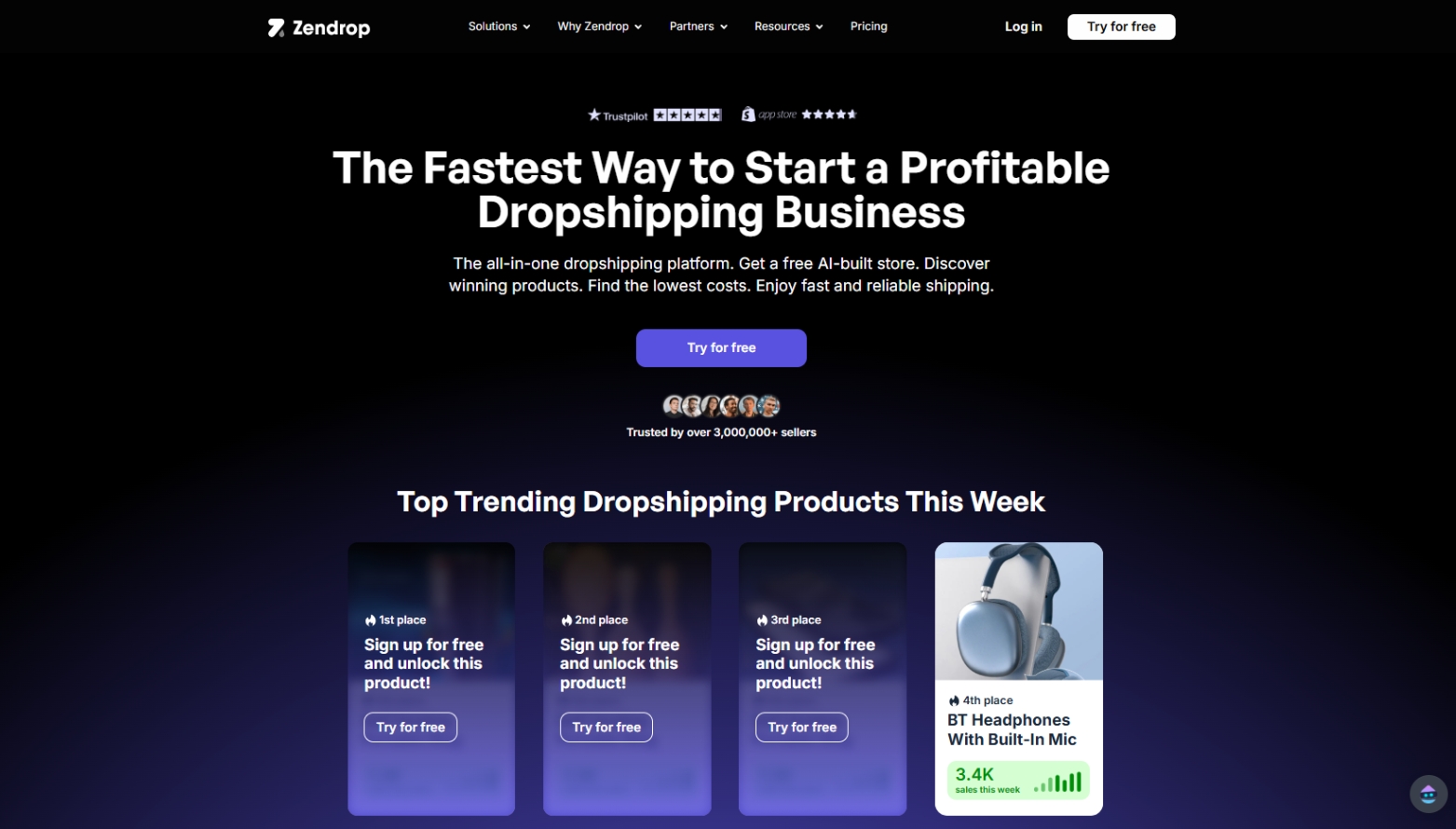
With native Shopify integration and built-in branding options, Zendrop is especially attractive for beginners and growing stores that want a cleaner workflow, more predictable fulfillment, and fewer quality-related issues as order volume increases.
Pros
- Beginner-friendly platform with simple setup
- More reliable product quality than standard AliExpress
- Built-in Shopify automation and fulfillment tools
- Branding options available for growing stores
Cons
- Product prices are higher than AliExpress
- Smaller catalog compared to open marketplaces
- Advanced features require a paid plan
5. Printful / Printify
Printful and Printify are leading print-on-demand platforms that allow Shopify sellers to create and sell custom-designed products without managing inventory.
Instead of sourcing ready-made items, sellers upload their own designs and only pay for production when an order is placed, making POD ideal for branded stores, creators, and niche audiences.
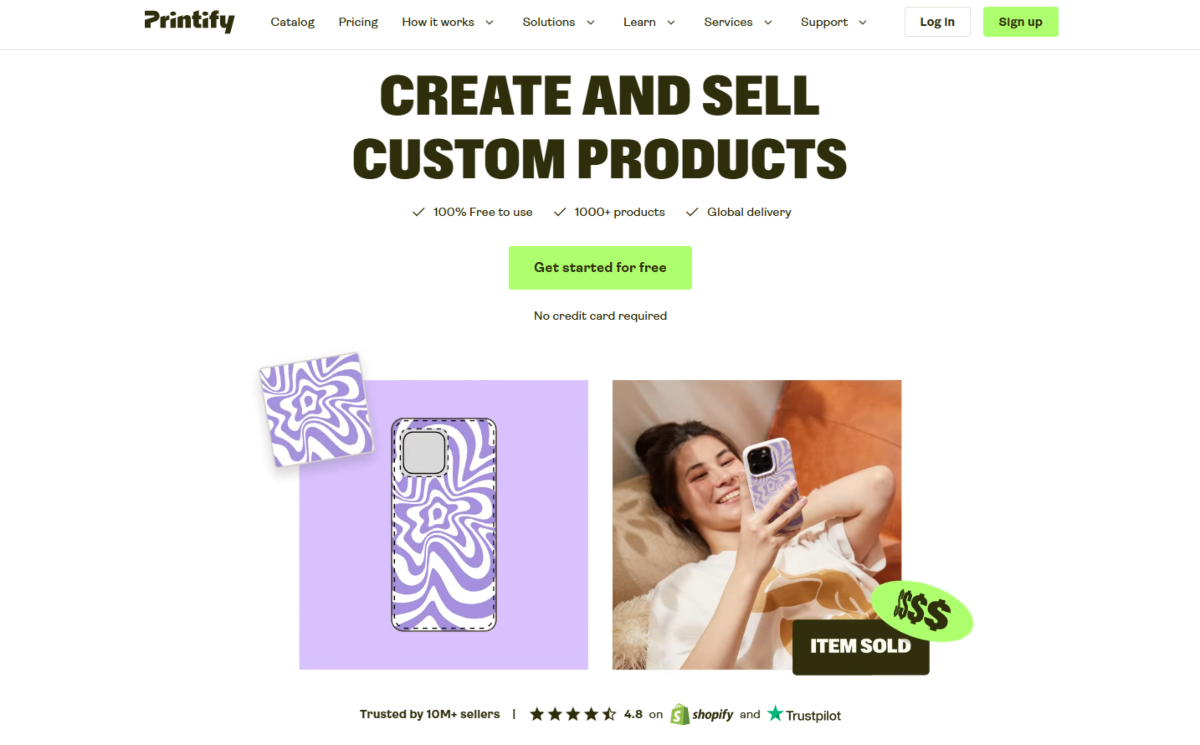
Both platforms offer strong Shopify integrations that automate order routing, printing, and shipping. With products like t-shirts, hoodies, mugs, posters, and accessories, Printful and Printify enable stores to focus on design, marketing, and community building rather than fulfillment logistics.
Pros
- No inventory or upfront stock costs
- Full control over custom designs and branding
- Strong Shopify apps with automated fulfillment
- Ideal for creators and niche brands
Cons
- Higher production costs reduce margins
- Longer fulfillment times than ready-made products
- Not suited for price-sensitive markets
6. SaleHoo
SaleHoo is not a traditional dropshipping fulfillment platform. Instead, it functions as a supplier directory and product research tool designed to help Shopify sellers connect with pre-vetted wholesalers and reliable dropshippers.
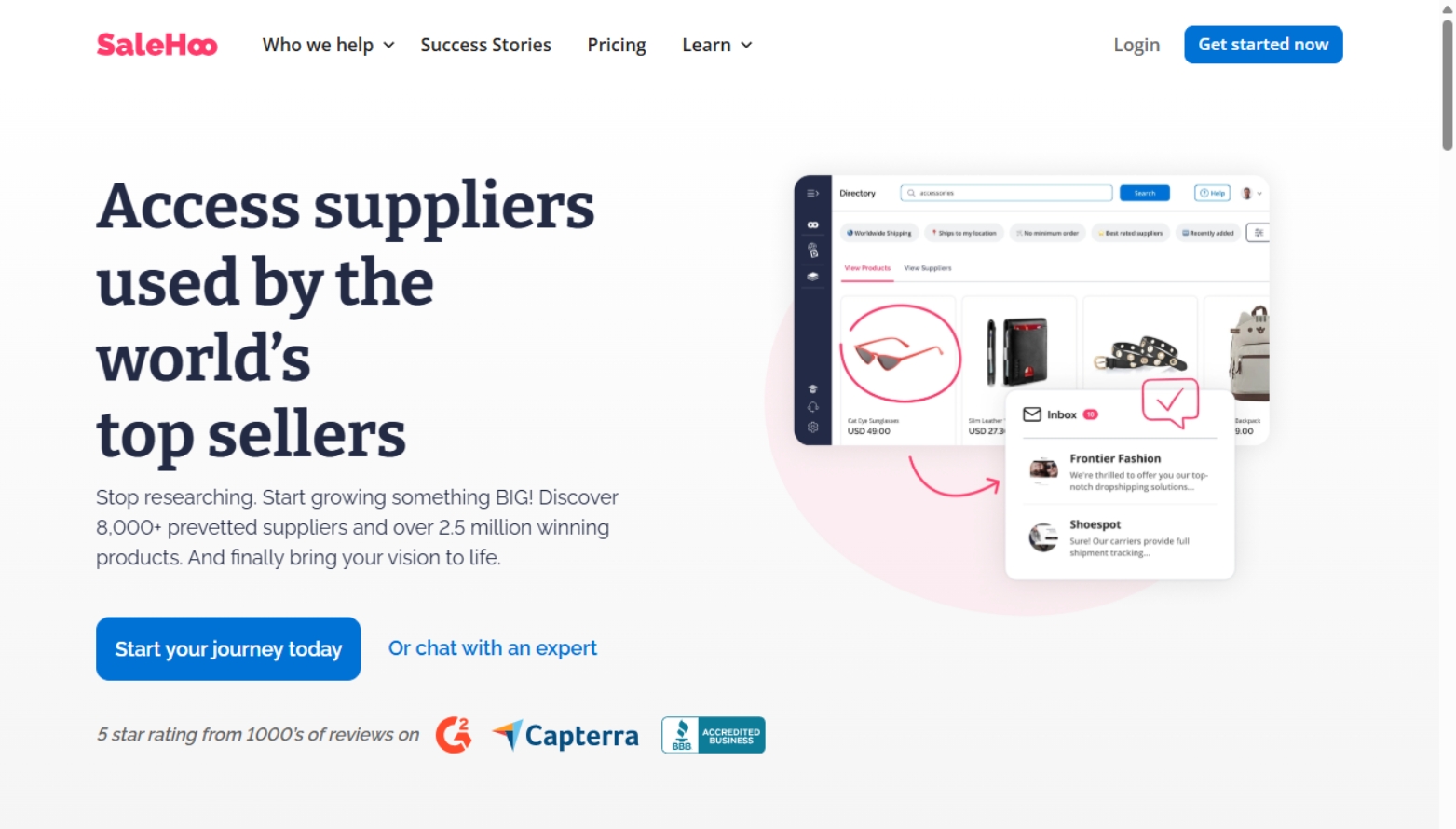
Its main value lies in reducing the risk of working with unknown or low-quality suppliers.
By offering access to verified suppliers, market research data, and product demand insights, SaleHoo helps store owners make more informed sourcing decisions before committing to a supplier.
This makes it especially useful for sellers who want higher-quality products, more stable partnerships, and better long-term supplier relationships rather than quick trend testing.
Pros
- Access to vetted and verified wholesalers
- Reduces risk of unreliable suppliers
- Useful market research and product insights
- Suitable for long-term sourcing strategies
Cons
- Not a direct fulfillment or automation platform
- Requires manual outreach to suppliers
- Subscription-based access
7. Shopify Collective
Shopify Collective is Shopify’s own curated marketplace that connects store owners with vetted brands willing to dropship their products.
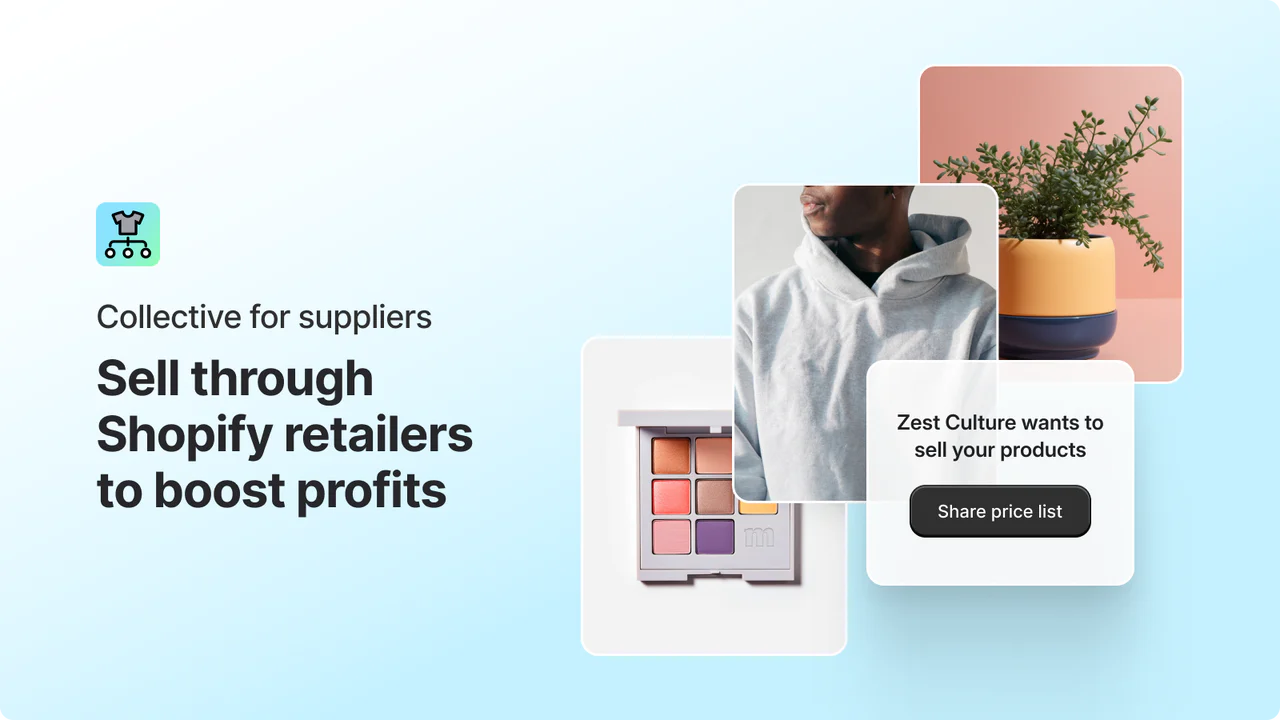
Instead of searching external directories or marketplaces, sellers can discover and partner with suppliers directly inside the Shopify ecosystem.
Because all partners on Shopify Collective are approved brands already using Shopify, the platform removes much of the uncertainty around quality, communication, and order handling. Product imports, order routing, and payouts are handled natively, making it easier to manage partnerships without relying on third-party tools.
Shopify Collective is especially well suited for stores focused on brand collaboration, premium products, and long-term trust rather than mass product testing.
Pros
- Native Shopify integration with no extra apps
- Vetted brands and higher trust level
- Simple supplier discovery within Shopify
- Ideal for premium and brand-focused stores
Cons
- Smaller product selection compared to open marketplaces
Choosing the Right Supplier for Your Shopify Store
Selecting the right supplier is not just a technical decision. It directly affects product quality, shipping speed, customer satisfaction, and how easily your Shopify store can scale over time.
1. Match the supplier with your niche
Not all suppliers perform well across every product category. Choosing a supplier that specializes in your niche often results in better product quality, more accurate descriptions, and smoother communication.
Suppliers with niche experience usually understand:
- Customer expectations within that category
- Common quality issues and how to avoid them
- Pricing standards in the market
This expertise helps your store appear more professional and trustworthy.
2. Evaluate shipping times and fulfillment locations
Shipping speed has a major impact on conversion rates and repeat purchases. Before committing to a supplier, review their shipping methods, delivery timelines, and warehouse locations.
3. Test product quality before scaling
Before scaling ads or increasing order volume, always order product samples. Testing ensures the product meets your standards for quality, durability, and packaging.
Tip: Product sampling helps you identify quality issues early, assess packaging and branding potential, and significantly reduce refunds and negative reviews before scaling your store.
Tips to Maximize Profits with Shopify Dropshipping Suppliers
Profit in dropshipping is rarely lost at the marketing stage. It is usually lost behind the scenes – through poor product choices, inefficient processes, and mismatched customer expectations. Optimizing your supplier workflow is one of the fastest ways to protect margins and scale with less risk.
Before listing any product, sampling should be treated as a non-negotiable step.
Seeing the product in real life often reveals issues that photos and descriptions cannot show. Packaging quality, material durability, and delivery speed all influence how customers perceive your brand. A single bad batch can cost far more in refunds and negative reviews than the cost of ordering samples upfront.
- Misleading product images
- Fragile or low-quality materials
- Slow or inconsistent shipping
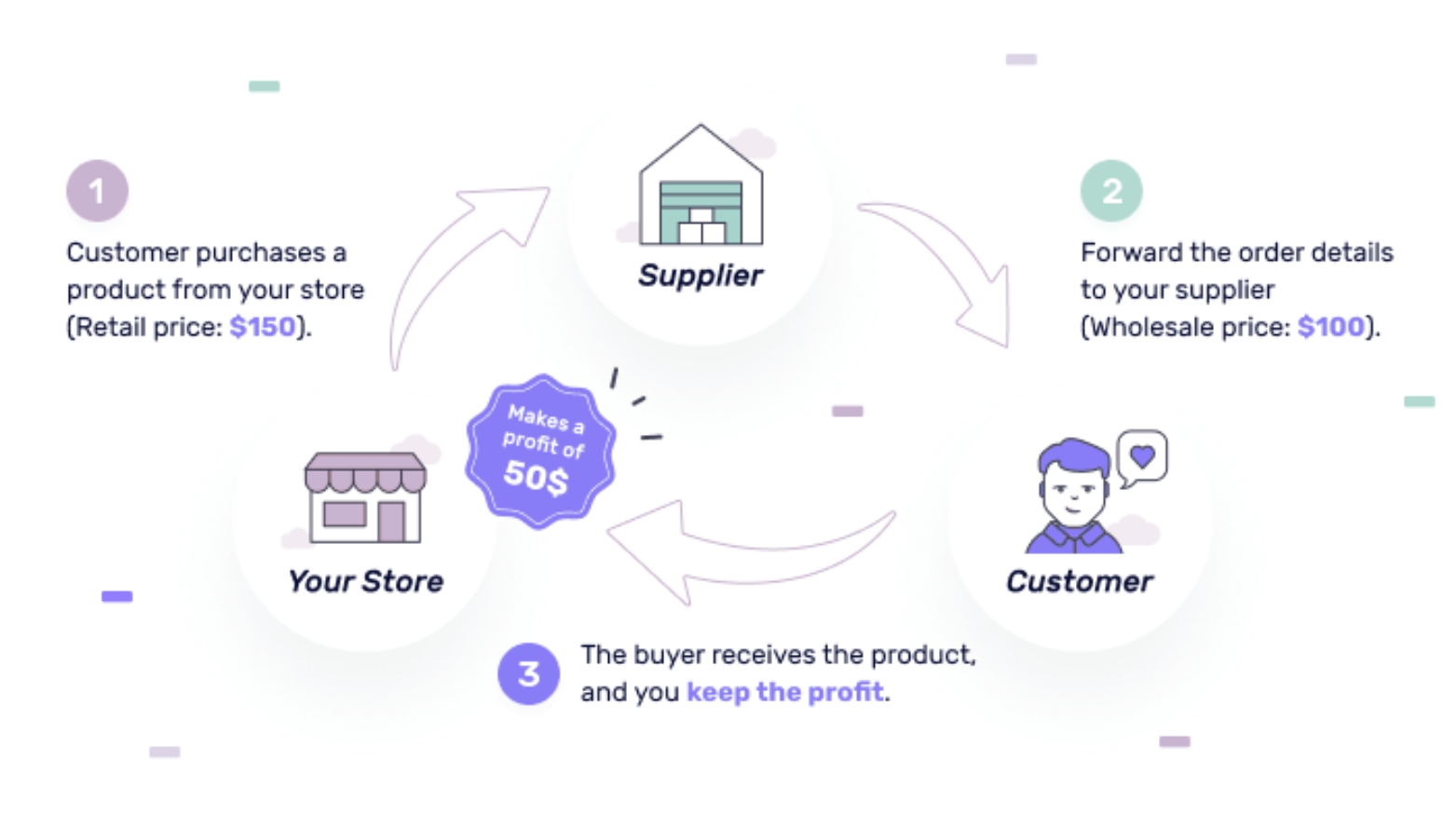
Automation becomes critical once order volume increases. Manual order handling works in the early stages, but it quickly turns into a bottleneck.
The right automation setup ensures orders move from Shopify to your supplier without delays, tracking updates flow back automatically, and inventory stays accurate. This keeps operations clean while allowing you to scale traffic and sales confidently.
Where automation creates real leverage:
- Faster order fulfillment without extra staff
- Fewer human errors during peak sales
- More time spent on marketing and optimization
Clear policies are another hidden profit lever. When shipping times and return rules are vague, customers assume the worst. When they are clearly explained, customers are more patient and less likely to dispute charges. Transparency filters out problematic buyers and attracts customers who value reliability over impulse purchases.
Customer trust is built through consistency, not promises. Accurate product descriptions, realistic delivery timelines, and responsive communication shape how customers judge your store. Even when issues happen, a store that communicates clearly is far more likely to retain customers and avoid chargebacks.
Recommended Top Shopify Dropshipping Suppliers by Category
Not all dropshipping suppliers serve the same purpose. Some excel at automation, others focus on speed, product quality, or niche sourcing. Below is a category-based breakdown to help you quickly match the right supplier with your business goals.
| Category | Recommended Suppliers | Best For | Key Strengths |
|---|---|---|---|
| Best Overall (Automated Fulfillment) | Zendrop, CJ Dropshipping | Scaling stores, automation-first sellers | Shopify-native integration, automated fulfillment, branding & private label support |
| Best US/EU Products (Quality & Speed) | Spocket, Syncee, DropCommerce | Premium & mid-range brands | 2–5 day regional shipping, higher product quality, reliable local suppliers |
| Best for AliExpress (Efficiency) | DSers | AliExpress-based stores | Bulk order processing, supplier mapping, inventory sync, official AliExpress partner |
| Best for Fashion & Apparel | Trendsi, Modalyst | Boutique & fashion-focused stores | Trend-driven catalogs, consistent sizing, US-based fulfillment options |
| Best for Large Catalogs & Specialized Goods | SaleHoo, Doba, Wholesale2B | Niche or multi-category stores | Vetted wholesalers, wide product selection, wholesale pricing access |
| Best for Print on Demand (POD) | Printful, Printify | Creators & brand-first stores | Custom products, no inventory risk, strong branding & print quality |
| Best for Finding Niche Suppliers | Alibaba | Private label & custom products | Custom manufacturing, bulk pricing, long-term supplier relationships |
Conclusion
In Shopify dropshipping, suppliers quietly determine how far a store can grow. Fast marketing may bring traffic, but consistent fulfillment, predictable shipping, and reliable operations are what turn sales into real profit. Stores that succeed long term are not the ones chasing every new supplier, but the ones building stable systems with partners they can trust. When your supplier workflow is solid, scaling becomes simpler, risks decrease, and profitability becomes far more predictable.
FAQ about Dropshipping Supplier on Shopify
1. Which dropshipping supplier is best for Shopify beginners?
For beginners, suppliers with easy Shopify integration, simple automation, and clear pricing are usually the best choice. Platforms like AliExpress, Spocket, or CJdropshipping allow new sellers to test products quickly without complex setup or high upfront costs.
2. Can I use multiple dropshipping suppliers in one Shopify store?
Yes, many Shopify stores work with multiple suppliers. This approach helps expand product selection and reduce dependency on a single source. However, it’s important to manage shipping times and product quality carefully to maintain a consistent customer experience.
3. How fast should shipping be for a successful dropshipping store?
There is no single perfect shipping time, but predictability matters more than speed. Domestic fulfillment usually delivers within 2–5 business days, while international shipping often ranges from 7–15 days. Clear communication of delivery timelines is key to avoiding customer complaints.
4. Do I really need to order samples before selling?
Ordering samples is strongly recommended. It allows you to verify product quality, packaging, and shipping speed before scaling. Sampling helps prevent refunds, negative reviews, and customer trust issues once your store starts generating volume.
5. Are paid dropshipping suppliers worth the cost?
Paid suppliers can be worth it if they offer faster shipping, better quality control, or stronger automation. While free platforms are useful for testing, paid suppliers often provide more stability and scalability for long-term growth.
6. How do I avoid unreliable dropshipping suppliers?
To avoid unreliable suppliers, look for clear pricing, consistent reviews, responsive customer support, and proven Shopify integration. Testing with small orders before scaling is one of the most effective ways to reduce risk.