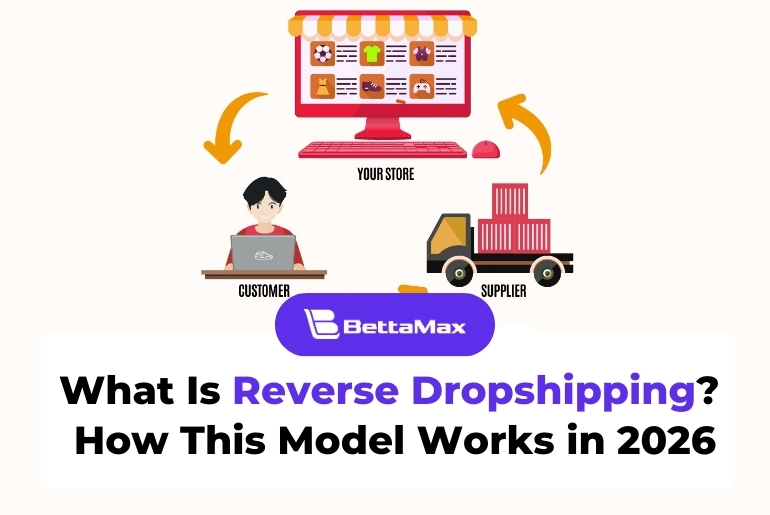
Many dropshippers struggle with low margins, intense competition, and unreliable suppliers. Reverse dropshipping offers a different approach: selling higher-quality products from trusted local brands to international markets.
This guide explains how the model works and how you can build a more profitable ecommerce business in 2026.
What Is Reverse Dropshipping?
Reverse dropshipping is a business model where entrepreneurs source premium, high-quality products from local, regional, or domestic suppliers rather than overseas manufacturers. Instead of selling cheap products from China to global audiences, reverse dropshippers curate quality items from established suppliers in their own countries or developed regions, then market these products to international audiences willing to pay premium prices for superior quality and fast delivery.
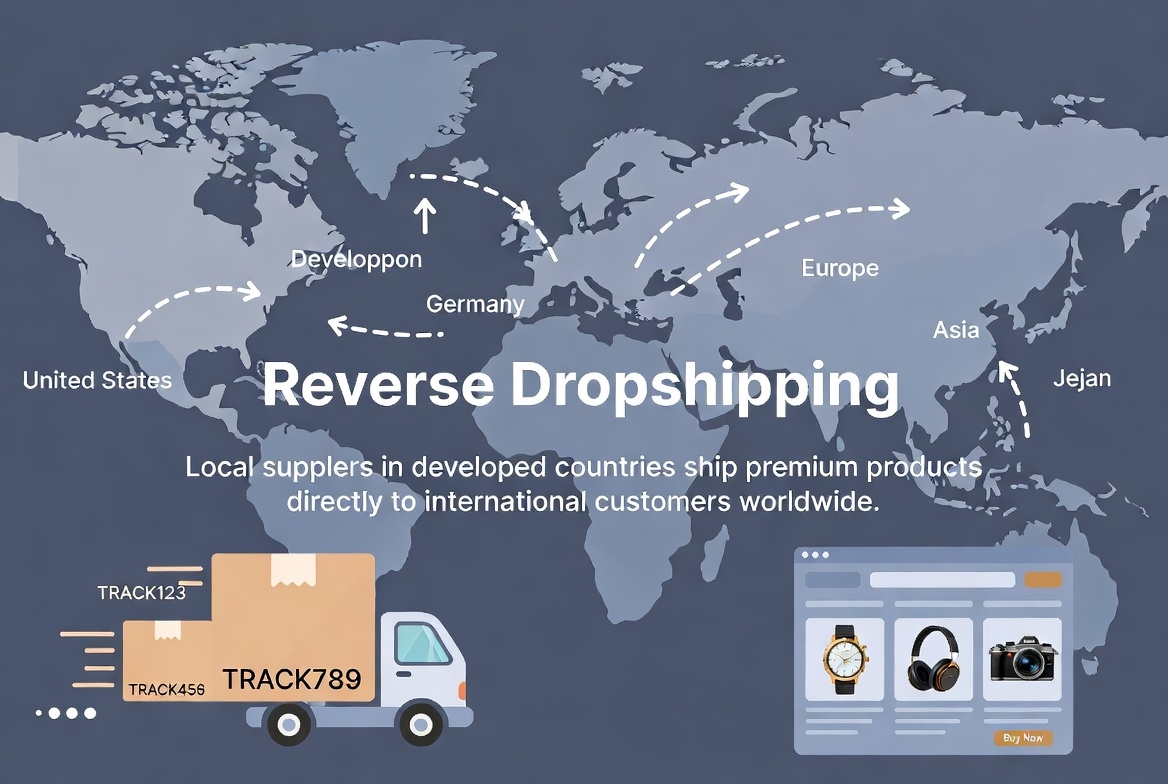
The fundamental difference from traditional dropshipping is the direction of product sourcing and the target market positioning. Traditional dropshipping typically sources from cheap overseas suppliers seeking global mass-market audiences through price competition. Reverse dropshipping sources from quality local suppliers and markets to premium segments valuing quality, speed, and brand authenticity over price.
Why Is It Called Reverse Dropshipping?
The “reverse” label reflects the inverted approach to sourcing and positioning. Traditional dropshipping sources from cheap overseas suppliers to sell globally at competitive prices. Reverse dropshipping reverses this by sourcing locally to serve premium niches paying higher prices for quality. The supply chain flows in reverse direction – from local suppliers outward to international customers; and the profit strategy reverses from volume-based to margin-based positioning.
How Does Reverse Dropshipping Differ From Traditional Dropshipping?
Understanding the fundamental differences between these models clarifies why reverse dropshipping offers superior opportunities for differentiation and profitability:
Product Quality: Traditional dropshipping focuses on affordable, often lower-quality products from overseas manufacturers. Customers expect basic functionality at minimal cost. Reverse dropshipping emphasizes premium quality from established domestic suppliers. Customers expect excellence and are willing to pay accordingly.
Pricing Strategy: Traditional dropshipping competes on low prices. Thin margins require high volume. Reverse dropshipping commands premium pricing. Healthy margins support profitability even with modest sales volumes.
Shipping Speed: Traditional dropshipping involves lengthy shipping times from overseas, often three to four weeks. Reverse dropshipping uses domestic suppliers enabling rapid delivery, typically three to seven days. Speed becomes competitive advantage and customer satisfaction driver.
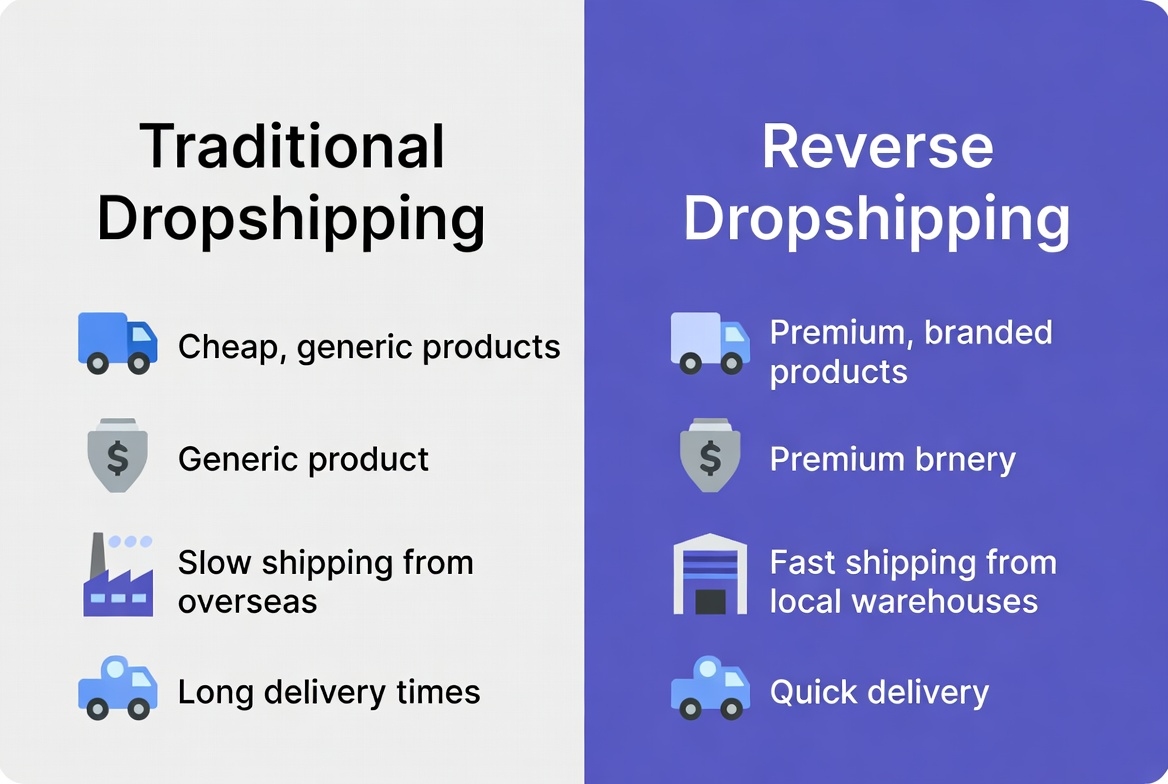
Brand Positioning: Traditional dropshipping emphasizes product availability and convenience. Customers view sellers as mere intermediaries. Reverse dropshipping builds authentic brand experiences. Customers perceive sellers as curators of quality products aligned with values.
Target Markets: Traditional dropshipping targets price-conscious, mass-market audiences. Reverse dropshipping targets premium segments valuing quality, speed, sustainability, and authenticity. These audiences actively seek alternatives to mass-produced cheap imports.
Supplier Relationships: Traditional dropshipping maintains transactional relationships with numerous overseas suppliers. Reverse dropshipping builds deeper partnerships with fewer, more reliable suppliers. Quality consistency and service improve dramatically.
Why Reverse Dropshipping Is A Game-Changer
Reverse dropshipping addresses fundamental problems plaguing traditional dropshippers while capitalizing on shifting consumer preferences:
Access To Niche Markets: Premium, quality-focused customer segments actively seek alternatives to cheap dropshipped products. These customers value craftsmanship, sustainability, and local sourcing. Reverse dropshipping provides direct access to these high-value customer segments underserved by traditional dropshippers.
Lower Competition: While traditional dropshipping faces intense competition with thousands of sellers offering identical cheap products, reverse dropshipping operates in less crowded niches. Premium quality and curated selections create differentiation that price competition cannot match.
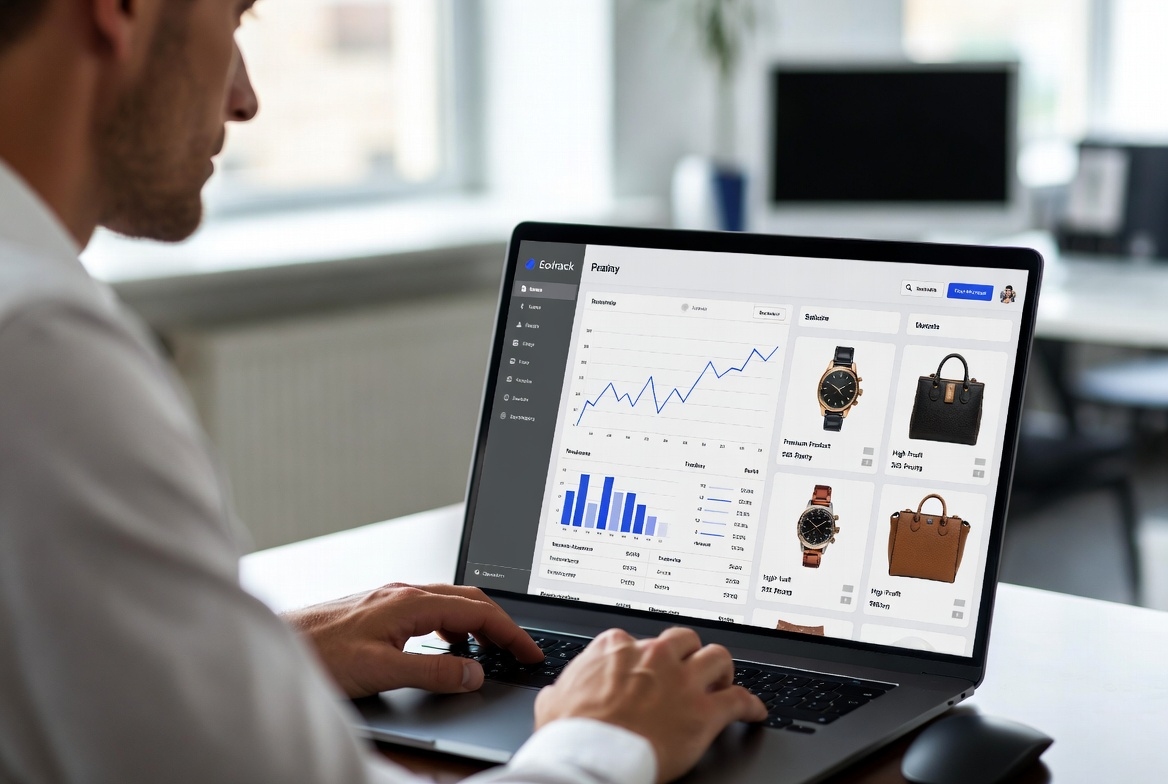
Perceived Value: Customers perceive premium products from quality suppliers as inherently more valuable than cheap imports. This perception justifies higher prices and creates stronger customer loyalty. Buyers view purchases as investments in quality rather than disposable commodities.
Customer Loyalty: Premium customers develop stronger loyalty toward brands aligning with their values. Repeat purchases and referrals increase substantially when customers perceive genuine quality and authentic curation.
Profit Margins: Healthy margins of fifty to one hundred percent or higher support sustainable, profitable businesses without requiring massive sales volumes. A profitable reverse dropshipping business can generate more revenue than traditional dropshipping stores with ten times the volume.
Popular Reverse Dropshipping Products
Smart Home Devices and Technology
Premium smart home systems from established manufacturers appeal to tech-savvy, quality-focused consumers. Retail prices from one hundred to five hundred dollars support healthy margins. These products drive repeat purchases as customers expand smart home ecosystems.
High-End Fashion Accessories
Designer handbags, premium belts, and luxury accessories command substantial markups. Quality craftsmanship and brand authenticity appeal to fashion-conscious customers willing to invest in quality pieces. These products maintain strong resale value.
Organic and Natural Beauty Products
Eco-conscious consumers actively seek organic skincare and beauty products. Premium organic lines retail for thirty to eighty dollars. Growing environmental awareness drives increasing demand from sustainability-focused segments.
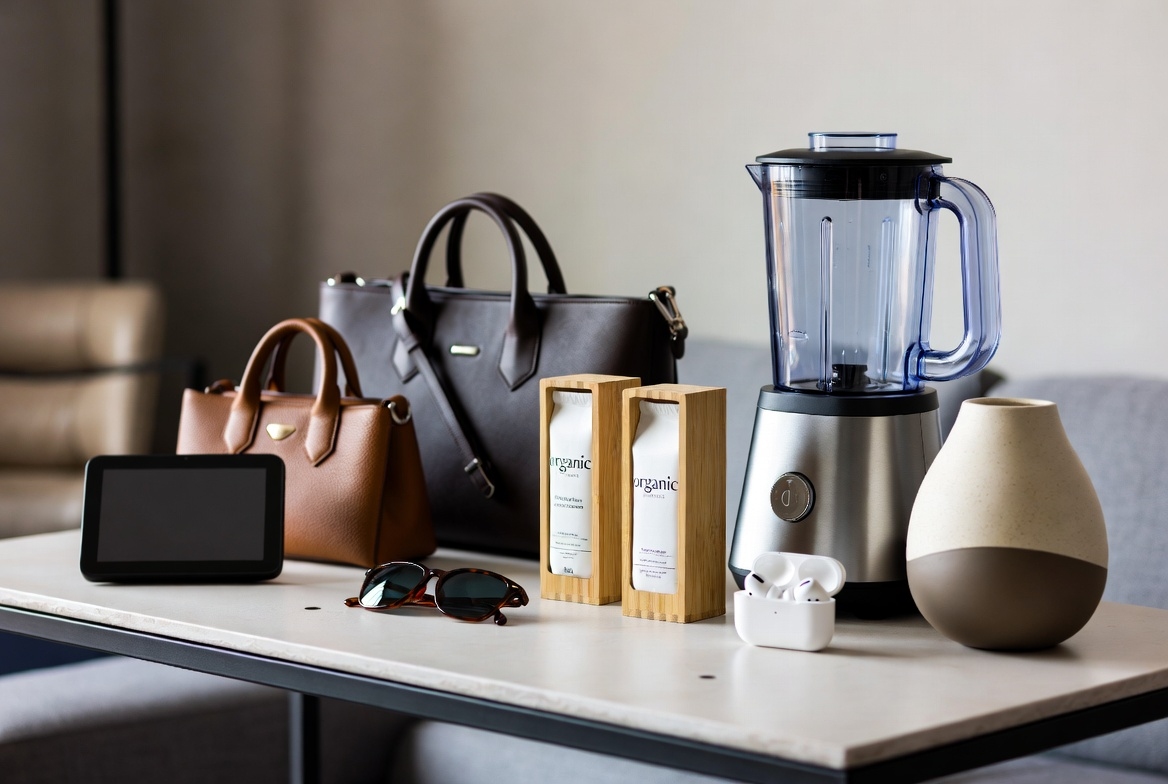
Premium Kitchen Appliances
High-end kitchen equipment from established manufacturers appeals to cooking enthusiasts. Retail prices from one hundred to five hundred dollars support attractive margins. These customers invest in quality and durability.
Sustainable Fashion Items
Eco-friendly clothing from quality manufacturers appeals to environmentally conscious consumers. Premium sustainable brands command substantial markups. Growing demand from younger demographics drives strong sales.
Professional Photography Equipment
Quality cameras, lenses, and accessories appeal to photography enthusiasts and professionals. These products command substantial markups and attract serious buyers. Photography communities provide targeted marketing channels.
Specialty Coffee Machines
Premium coffee equipment from quality manufacturers appeals to coffee enthusiasts. Retail prices from two hundred to one thousand dollars support excellent margins. Coffee culture drives consistent demand.
Wireless High-Quality Earbuds
Premium audio equipment from established brands commands strong markups. Quality sound appeals to music enthusiasts and professionals. Brand loyalty drives repeat purchases and recommendations.
Advanced Skin Care Devices
Professional-grade skincare tools retail for one hundred to five hundred dollars. Growing interest in preventative beauty drives demand. Tech-forward consumers view these as worthwhile investments.
Home Exercise Equipment
Premium fitness equipment from quality manufacturers appeals to serious athletes. Retail prices from three hundred to two thousand dollars support excellent margins. Health consciousness drives consistent demand.
Electric Bicycles
Premium e-bikes retail for one thousand to four thousand dollars. Growing interest in sustainable transportation drives strong demand. These customers value quality engineering and durability.
Luxury Bedding Sets
Premium organic cotton or silk bedding appeals to comfort-focused consumers. Retail prices from three hundred to one thousand dollars. Quality bedding commands premium pricing.
Portable Solar Panels
Eco-friendly energy solutions appeal to sustainability-focused customers. Premium systems retail for three hundred to one thousand dollars. Growing environmental awareness drives increasing demand.
Designer Home Décor
Curated décor from quality manufacturers appeals to interior design-focused consumers. These products command substantial markups. Home improvement trends provide marketing opportunities.
How To Start A Reverse Dropshipping Business
Step 1: Identify Your Target Market
Define the specific customer segment you will serve. Are you targeting eco-conscious consumers, quality-focused affluent buyers, specific hobby communities, or premium lifestyle segments? Clear target market definition enables focused product selection and marketing.
Step 2: Conduct Market Research
Research high-quality products your target market actively seeks. Analyze competitor websites, read customer reviews, monitor industry trends, and join relevant communities. Identify underserved niches where quality-focused customers struggle to find reliable sources.
Step 3: Find Reliable Suppliers
Identify established domestic suppliers in your chosen niche. Research their reputation, quality standards, return policies, and wholesale pricing. Build relationships with multiple suppliers ensuring supply reliability and competitive pricing.
Step 4: Build Your Online Store
Create a professional Shopify store emphasizing quality, curation, and brand story. Use high-quality product photography showcasing craftsmanship. Write compelling descriptions emphasizing quality, materials, and benefits. Build trust through transparency about sourcing and supplier relationships.
Step 5: Set Strategic Pricing
Price products based on perceived value, not just cost-plus markup. Premium customers prioritize quality over price. Research competitor pricing for similar quality products. Test pricing through analytics and conversion data.
Step 6: Develop Your Marketing Strategy
Target premium customer segments through channels where they congregate: Instagram for design-conscious consumers, specialty forums for enthusiast communities, Pinterest for home and lifestyle segments. Create content around quality, sustainability, and craftsmanship. Partner with influencers in your niche.
Benefits Of Reverse Dropshipping
Profit Margins: Reverse dropshipping enables profit margins of fifty to one hundred fifty percent compared to fifteen to thirty percent in traditional dropshipping. This profitability supports sustainable, scalable businesses.
Quality Assurance: Domestic suppliers offer superior quality consistency, reliability, and customer service compared to overseas manufacturers. Product returns and customer dissatisfaction decrease substantially.
Shipping Speed: Domestic sourcing enables rapid delivery (three to seven days) versus three to four weeks with overseas suppliers. Speed becomes competitive advantage and customer satisfaction driver.
Brand Building: Reverse dropshipping emphasizes curation and brand positioning. You build authentic brand identity rather than functioning as anonymous reseller. Customer loyalty and repeat purchases increase.
Niche Dominance: Lower competition in premium niches allows establishing market leadership. Your store becomes go-to source for quality products in your category.
Challenges Of Reverse Dropshipping And How To Overcome Them
Logistics and Customs
International shipping involves customs procedures and potential delays.
Solution: Research regulations thoroughly, work with experienced shipping providers, build buffer time into delivery estimates, and be transparent with customers about international shipping.
Supplier Dependability
Domestic suppliers sometimes prioritize direct retail relationships over wholesale partnerships.
Solution: Build strong relationships, negotiate favorable terms, maintain backup suppliers, and communicate expectations clearly.
Cultural Sensitivity in Marketing
Marketing to international audiences requires cultural awareness. Product positioning and messaging must resonate across different cultures.
Solution: Research target markets thoroughly, adapt marketing messaging culturally, and avoid assumptions about preferences.

Higher Shipping Costs
International shipping costs erode margins significantly.
Solution: Source locally to target markets, negotiate volume discounts with suppliers, use consolidated shipping methods, and price products accounting for realistic shipping costs.
Customer Expectations
Premium customers have higher expectations for quality, service, and communication.
Solution: Deliver exceptional customer service, handle problems immediately, maintain transparent communication, and exceed expectations consistently.
5 Common Mistakes To Avoid
Neglecting User Experience: Premium customers notice poor website design, confusing navigation, and slow loading times. Investment in professional design and user experience testing pays substantial returns.
Failing to Focus on Specific Niche: Attempting to serve all premium customers fails. Clear niche focus enables better product selection, targeted marketing, and brand positioning.
Poor Supplier Management: Inadequate communication with suppliers and lack of contingency planning create fulfillment problems. Build strong supplier relationships, maintain backup suppliers, and communicate proactively.
Insufficient Market Research: Launching without understanding target customer preferences and pain points wastes marketing resources. Thorough market research prevents costly mistakes.
Weak Brand Story: Premium customers care about brand values and sourcing story. Generic brand positioning undermines premium positioning. Develop compelling brand narrative emphasizing quality, values, and curation.
Is Reverse Dropshipping Profitable In 2026?
Yes, reverse dropshipping remains highly profitable in 2026. The combination of healthy margins (fifty to one hundred fifty percent), growing demand for quality products, increasing consumer skepticism of cheap imports, and rising environmental consciousness creates favorable conditions. A focused reverse dropshipping business can generate five hundred to five thousand dollars monthly revenue with modest sales volumes.
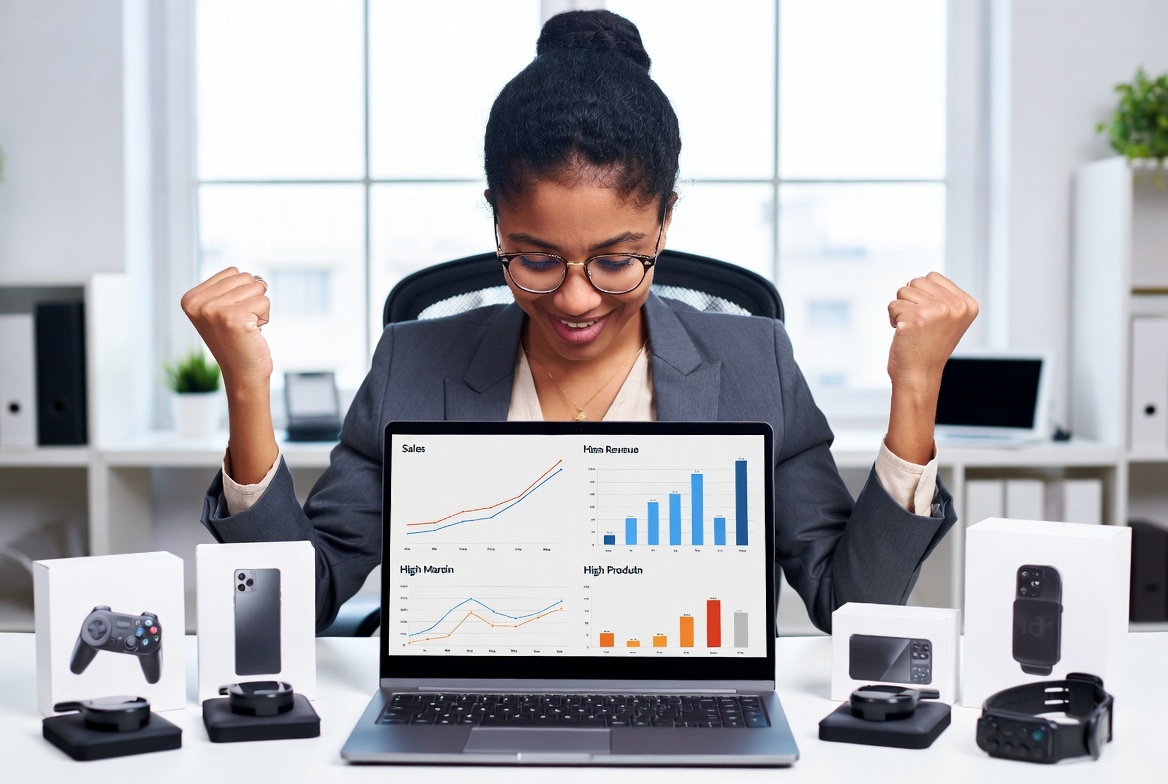
Profitability depends on niche selection, product quality, supplier relationships, marketing effectiveness, and customer service excellence. Businesses emphasizing quality, authenticity, and community building achieve strongest profitability.
Reverse Dropshipping Frequently Asked Questions
What Is Reverse Dropshipping?
Reverse dropshipping is a business model sourcing premium products from domestic or quality international suppliers, then marketing them to premium customer segments willing to pay higher prices for quality, speed, and authenticity.
Is Reverse Dropshipping Legal?
Yes, reverse dropshipping is completely legal. You purchase products from suppliers and resell them, identical to traditional retail. Ensure compliance with tax, business licensing, and consumer protection laws in your jurisdiction.
How Can I Ensure Success When Reverse Dropshipping?
Focus on quality, build strong supplier relationships, conduct thorough market research, develop clear brand positioning, target specific niches, provide exceptional customer service, and invest in professional presentation. Success comes from execution excellence, not luck.
What Countries Are Best For Reverse Dropshipping?
Developed countries with established domestic suppliers and high-quality manufacturing excel. USA, Canada, UK, Germany, Japan, and Scandinavian countries offer premium suppliers. Target customers in developed nations valuing quality and willing to pay accordingly.
What Is The Difference Between Dropshipping And Reverse Dropshipping?
Traditional dropshipping sources cheap products from overseas suppliers, competing on low prices with thin margins. Reverse dropshipping sources quality products from domestic suppliers, competing on value with healthy margins. Reverse offers better profitability and brand differentiation.
How Much Capital Do I Need To Start Reverse Dropshipping?
Most reverse dropshipping businesses launch with five hundred to two thousand dollars: Shopify store setup, domain, design, initial product photography, and marketing. Low startup costs make reverse dropshipping accessible despite premium positioning.
Conclusion
Reverse dropshipping represents a sophisticated evolution of traditional e-commerce addressing fundamental limitations while capitalizing on shifting consumer preferences toward quality, sustainability, and authenticity. In 2026, the combination of growing demand for premium products, increasing consumer skepticism of cheap imports, and rising environmental consciousness creates exceptional opportunities for entrepreneurs willing to emphasize quality over volume.
Success in reverse dropshipping requires clear niche focus, quality supplier relationships, professional brand positioning, and exceptional customer service. These businesses generate healthier margins, stronger customer loyalty, and greater satisfaction than traditional dropshipping while requiring modest sales volumes.
Launch your reverse dropshipping business by identifying a premium customer niche, sourcing quality products from reliable suppliers, building a professional store emphasizing brand values, and marketing authentically to target customers. The premium product market continues expanding, creating space for numerous profitable businesses competing on quality and value rather than price alone.