Knowing if Amazon dropshipping is legal is key for starting or keeping an online business going. In this detailed guide, we’ll cover Amazon’s dropshipping rules, talk about the risks, and share tips for 2026.
What is Amazon Dropshipping?
Amazon dropshipping is a popular, low-risk way for online sellers to grow without holding any inventory. Instead of buying products upfront or managing a warehouse, sellers list items on Amazon and only purchase them after a customer places an order.
It’s a simple model that lets you focus on marketing, sales, and customer experience while the supplier handles the storage and shipping.
For many new entrepreneurs, Amazon dropshipping is a practical way to test products, build a store, and join the e-commerce space without needing a huge budget. It’s lean, flexible, and built for fast experimentation.
The Basic Dropshipping Model Explained
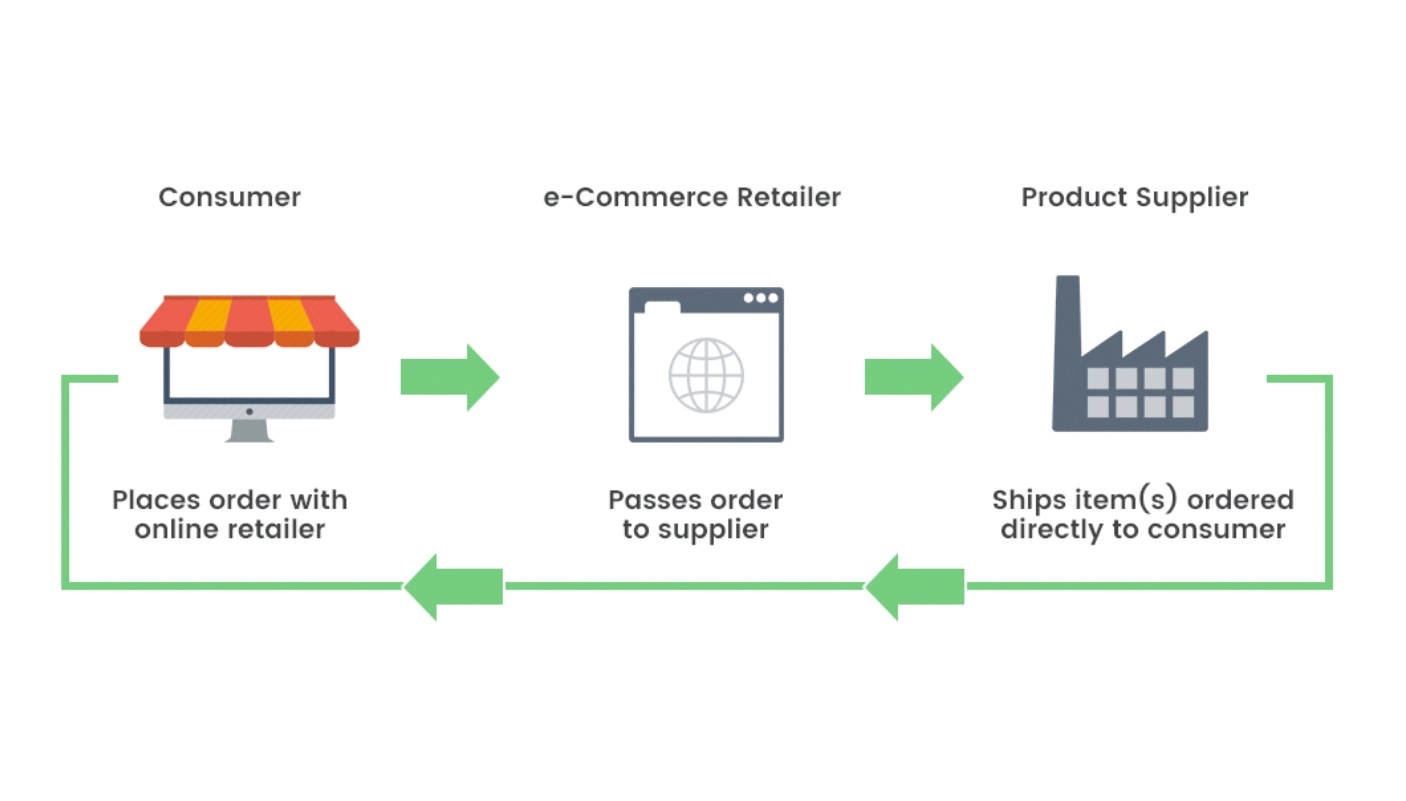
The dropshipping model revolves around three main players: the supplier, the seller, and the customer. The seller lists products on Amazon even though they don’t physically own any inventory. When a customer buys an item, the seller purchases it from a third-party supplier. The supplier then packs and ships the product directly to the customer.
- The seller lists products on Amazon without holding any inventory.
- When a customer places an order, the seller buys the product from a third-party supplier.
- The supplier then ships the product directly to the customer.
This setup removes the need for storage space, inventory risks, and upfront investing. Sellers can spend more time building their brand, improving listings, and scaling their online business without worrying about physical stock.
How Dropshipping Works Specifically on Amazon
Dropshipping on Amazon follows the same basic structure as traditional dropshipping, but the platform places much stricter rules on how sellers must operate. Amazon wants customers to have a consistent shopping experience, so it controls every part of the process from packaging to documentation to how sellers identify themselves.
To dropship on Amazon the right way, you must be the official seller of record.
This is one of Amazon’s most important requirements. It means you are legally and publicly responsible for the product, the customer experience, and the entire transaction. Your business name must appear anywhere the customer sees seller information. This includes invoices, packing slips, shipping labels, and any communication related to the order.
Amazon sets strict rules to ensure customers receive a consistent and professional shopping experience. Because of that, sellers must follow specific packaging and branding requirements:
- Amazon requires all orders to follow its packaging and branding standards.
- Even when the supplier ships the product, the package must look like it was sent directly by you.
- No supplier information is allowed on invoices, packing slips or shipping labels.
- Every part of the order must show your business name and branding, not the supplier’s.
Another core rule is the removal of all third-party identifiers. Amazon doesn’t allow boxes with another store’s logo, invoices showing wholesale prices, or paperwork that reveals where the item truly came from. If anything hints that someone else fulfilled the order, Amazon considers it a policy violation.
Because of these guidelines, successful Amazon dropshippers need to work with suppliers who understand Amazon’s requirements and can ship products in a neutral, unbranded way. Reliable suppliers should allow custom packing slips, fast processing times, and clean documentation.
Is Amazon Dropshipping Legal?
Amazon dropshipping is legal, but it comes with important guidelines. Many new sellers confuse Amazon’s policies with actual legal requirements, so understanding both is key.
1. Amazon’s Official Stance on Dropshipping
Amazon allows dropshipping as long as sellers follow the platform’s rules. You must be the seller of record, list yourself on all documentation, and remove any supplier details from invoices or packaging. Amazon wants the customer to clearly see who the real seller is.
2. Legal vs. Policy Compliance
Dropshipping itself is not illegal, but violating Amazon’s policies can lead to serious consequences account reviews, suspensions, or permanent bans. On the legal side, sellers must deal with taxes, product authenticity, and other regulatory issues. Amazon also has strict guidelines for packaging, shipping timelines, and customer service.
Understanding the difference between the law and Amazon’s internal policies helps sellers operate safely and avoid trouble.
Amazon’s Dropshipping Policy in 2026 (Updated)
Amazon keeps changing, and its 2026 dropshipping policy shows exactly where the platform is heading. The company is putting even more weight on customer trust, accurate fulfillment, and making sure every seller competes fairly. If you’re dropshipping on Amazon in 2026, understanding these changes is not optional. It’s the foundation for staying compliant and keeping your account healthy.
Key Policy Updates Since 2023
Amazon has made several major adjustments over the past few years, and each one affects how dropshippers operate today.
One of the most important changes is Amazon’s push for shipping accuracy. The platform now expects sellers to hit much higher standards for tracking reliability and on-time delivery. This shift came after a rise in customer complaints about late packages and inconsistent carrier updates.
Another big update is the enhanced seller verification process.
Amazon is now far stricter with new and existing dropshippers. The goal is to filter out sellers who use non-compliant suppliers or sell products that are not authentic. This verification step can involve document checks, supply-chain validation, and performance reviews.
These updates signal a clear message: Amazon only wants serious, transparent, and reliable dropshippers on the platform
Current Rules for Dropshippers in 2026
To stay compliant, sellers must follow Amazon’s core dropshipping rules. These aren’t suggestions. They’re mandatory requirements.
You must present yourself as the seller of record, meaning your name or brand must appear on every invoice, packing slip, and external packaging.
Amazon does not allow suppliers to appear anywhere in the customer experience.
Sellers are also required to provide accurate shipping and tracking information. Any delay, mismatch, or unreliable tracking can quickly lead to performance warnings.
Amazon continues to enforce strict packaging guidelines, expecting sellers to deliver products cleanly, consistently, and without any third-party branding.
And finally, Amazon expects fast, responsive customer service. Slow replies or unresolved issues can hurt your account faster than before.
You can think of the rules in simple terms:
- You must look like the real seller
- You must ship accurately
- You must track correctly
- You must support customers quickly
Case Studies: Legal Challenges Faced by Amazon Dropshippers
Dropshipping on Amazon can look simple from the outside, but real sellers often face problems tied to compliance, documentation, and supplier reliability. These challenges can quickly affect account health if they’re not handled correctly.
A common issue many sellers face is missing or incomplete tracking updates.
One dropshipper saw their account suspended after Amazon flagged a series of orders with unreliable tracking numbers. Customers reported delays, and Amazon’s system marked the seller as failing its delivery performance metrics.
To solve the issue, the seller took two key actions:
- They improved communication with their supplier, requesting daily tracking updates and requiring proof of shipment.
- They switched to verified carriers approved by Amazon so every package could be scanned properly and tracked in real time.
After providing evidence of the fixes, the seller eventually regained access to their account.
Another example involves cases where sellers unknowingly worked with suppliers shipping items with the supplier’s branding on the box.
This violated Amazon’s “seller of record” requirement, leading to a policy violation warning. Only after changing to a compliant fulfillment partner and documenting packaging procedures did the seller restore their standing.
Successful dropshippers usually share a few habits:
- They stay updated on Amazon’s policy changes
- They keep clean, organized documentation
- They verify every supplier’s packing, shipping, and tracking standards
- They take performance metrics seriously and act fast when something looks off
- These steps dramatically reduce risks and help sellers maintain long-term account health.
Conclusion
Running a dropshipping business on Amazon isn’t just about listing products. It requires a solid understanding of Amazon’s policies and the legal rules that shape how sellers operate.
FAQ: Common Questions About Amazon Dropshipping in 2026
1. Is Amazon dropshipping legal?
Yes, it’s legal. But it’s only legal when you follow Amazon’s dropshipping policy exactly as written. That means you must appear as the seller of record, use compliant suppliers, and avoid anything that could mislead customers.
2. What are the key requirements I need to follow?
To stay compliant, Amazon expects you to meet several core standards. These rules aren’t optional, and breaking even one of them can affect your account health.
You must follow:
- Correct packaging and labeling that shows you as the seller
- Invoice requirements, meaning no supplier-branded paperwork
- Accurate and on-time tracking updates
- Fast, reliable customer service that meets Amazon’s response-time metrics
- Authentic product sourcing with proof when requested
Each requirement is tied directly to customer trust, which Amazon treats as a top priority.
3. How do I stay compliant in the long term?
Successful sellers treat compliance as an ongoing habit.
To stay safe, you should:
- Review Amazon policy updates regularly
- Keep detailed records of invoices, product sources, and supplier communication
- Monitor account health metrics weekly
- Adapt quickly when Amazon introduces new rules
The sellers who stay proactive are the ones who last.