In this guide, you’ll learn exactly how to start dropshipping step by step, understand how the model works in practice, and avoid common mistakes that beginners often make.
What is a Dropshipping Business?
A dropshipping business is an eCommerce model where you sell products online without holding inventory. You list products in your store, and when a customer places an order, you purchase the item from a supplier who ships it directly to the customer.
In this model, you earn profit from the difference between your selling price and total costs, while focusing on marketing, pricing, and customer support. Dropshipping offers a low-cost way to start an online business but still requires active management to ensure a good customer experience.
Is Dropshipping really right for you?
Dropshipping is not a shortcut to easy money. It is simply one way to run an ecommerce business, and it only works well when it matches your skills, expectations, and resources. Before starting, it’s important to be honest about whether this model fits your situation.
At its core, dropshipping is best suited for people who want to focus on marketing and sales, not product creation or logistics. Because you don’t hold inventory or manage shipping, you can launch with relatively low upfront costs. In most cases, all you need is a laptop, an internet connection, and access to suppliers.
Key conditions to decide:
- You are willing to focus on marketing first
- You want a low upfront investment model
- You are comfortable selling non-exclusive products
- You can accept limited product control
- You are prepared to manage customer support
However, this low barrier to entry comes with real tradeoffs. You usually have less control over product quality, packaging, and shipping speed. Since many sellers can list the same products, competition is often high, and standing out requires strong branding and marketing execution.
If your goal is to test products quickly, build marketing systems, and don’t rely on selling a unique or patented product, dropshipping can be a practical starting point.
How does Dropshipping actually work?
Dropshipping works through a simple, step-by-step process where the seller never handles inventory. Here’s how it functions in practice:
- You set up an online store and list products sourced from a supplier.
- A customer places an order and pays the retail price on your website.
- You forward the order details to your supplier and pay the wholesale cost.
- The supplier packages and ships the product directly to the customer.
- You track the shipment, provide customer support, and handle refunds or issues if they arise.
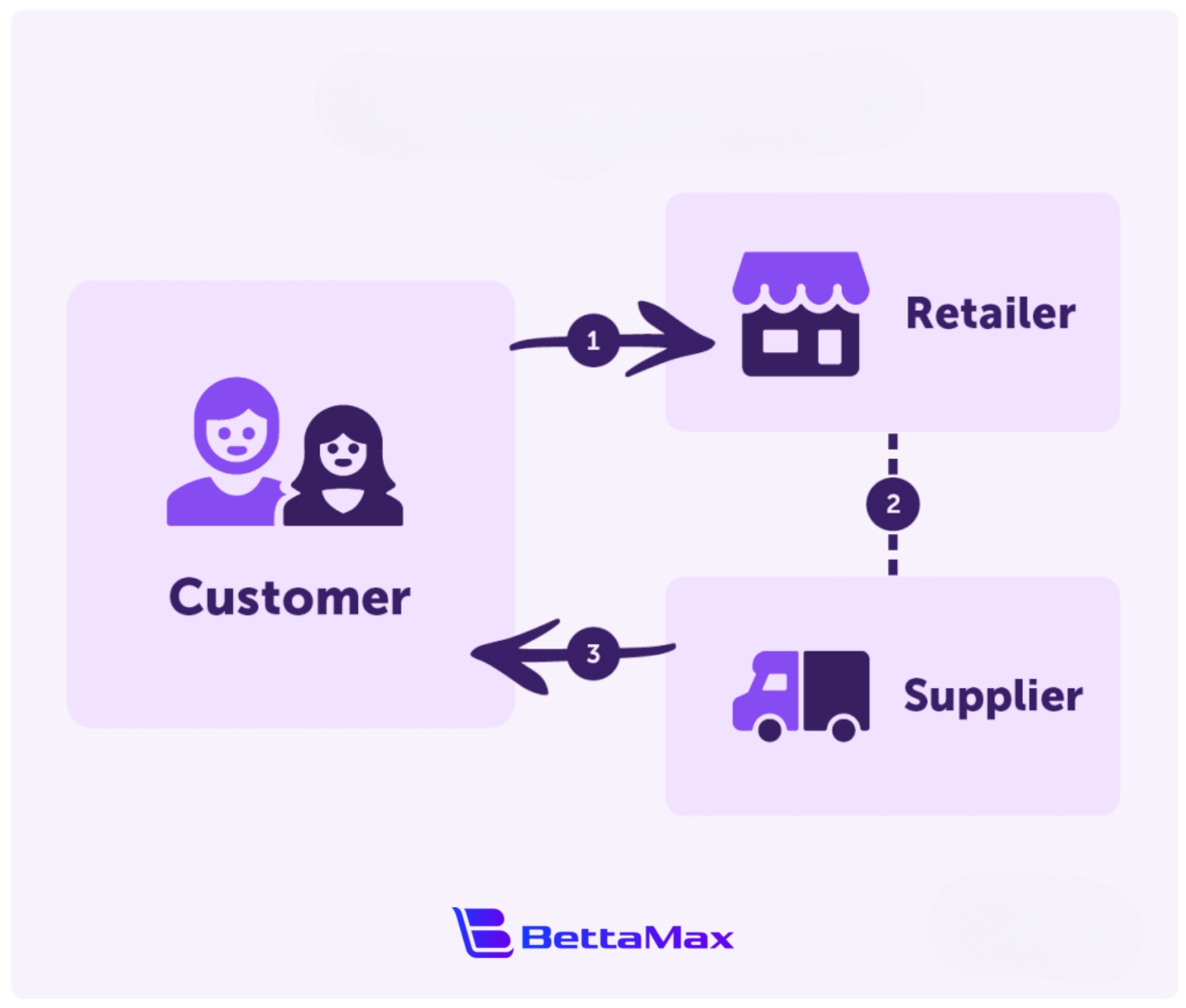
In short, you manage the front end of the business (marketing, pricing, and customer experience), while the supplier handles the back end (inventory, packing, and shipping).
How to Start a Dropshipping Business (7 Essential Steps)
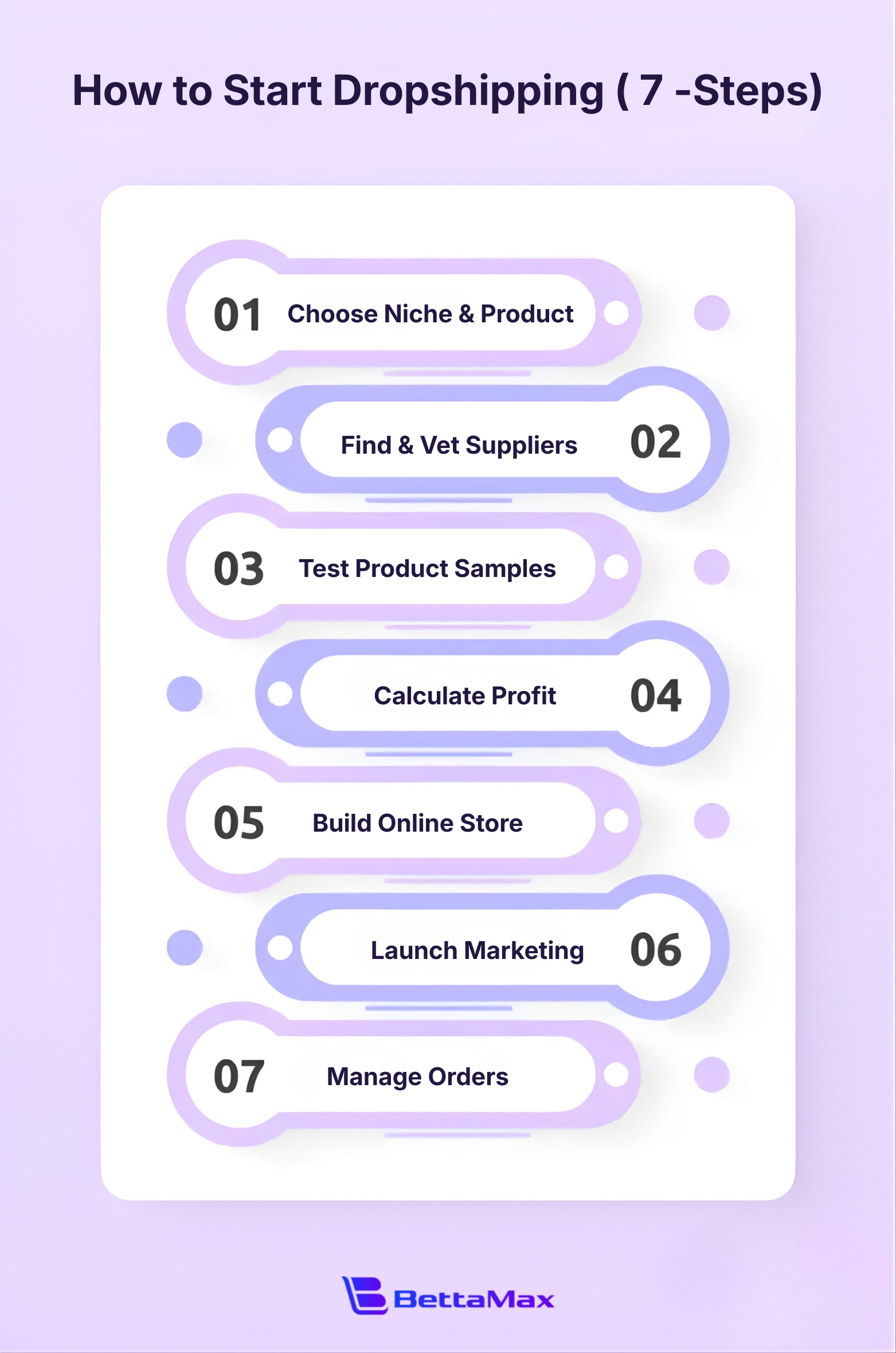
Starting a dropshipping business follows a simple structure, but each step plays an important role in long term success. Before going into detailed explanations, here is a high level overview of the basic steps involved.
- Choose a product niche
- Find and vet suppliers
- Test product quality with samples
- Set pricing and calculate margins
- Build your online store
- Launch marketing channels
- Handle orders and customer support
1. Choose niche & product
Once you decide to launch a dropshipping store, your first real challenge is understanding where the market opportunity lies. Market research helps you evaluate customer demand, competition, and buying behavior so you can choose a niche that offers long-term potential instead of short-term hype.
When choosing a niche, focus on a clearly defined group of customers who share similar needs, preferences, or lifestyles. A narrower focus helps you select the right products, communicate your value more clearly, and create more effective marketing campaigns.
When choosing products for a dropshipping niche, it’s important to focus on items that fit the model well. Evergreen products with consistent, year-round demand are generally safer than trend-based items. Lightweight, non-fragile products are also ideal, as they are easier and cheaper to ship and less likely to result in delivery issues or
What makes a strong dropshipping niche?
A profitable niche usually combines three elements: a clear audience, a specific problem or interest, and consistent demand. Products within these niches are easier to position and less likely to compete directly with mass-market retailers.
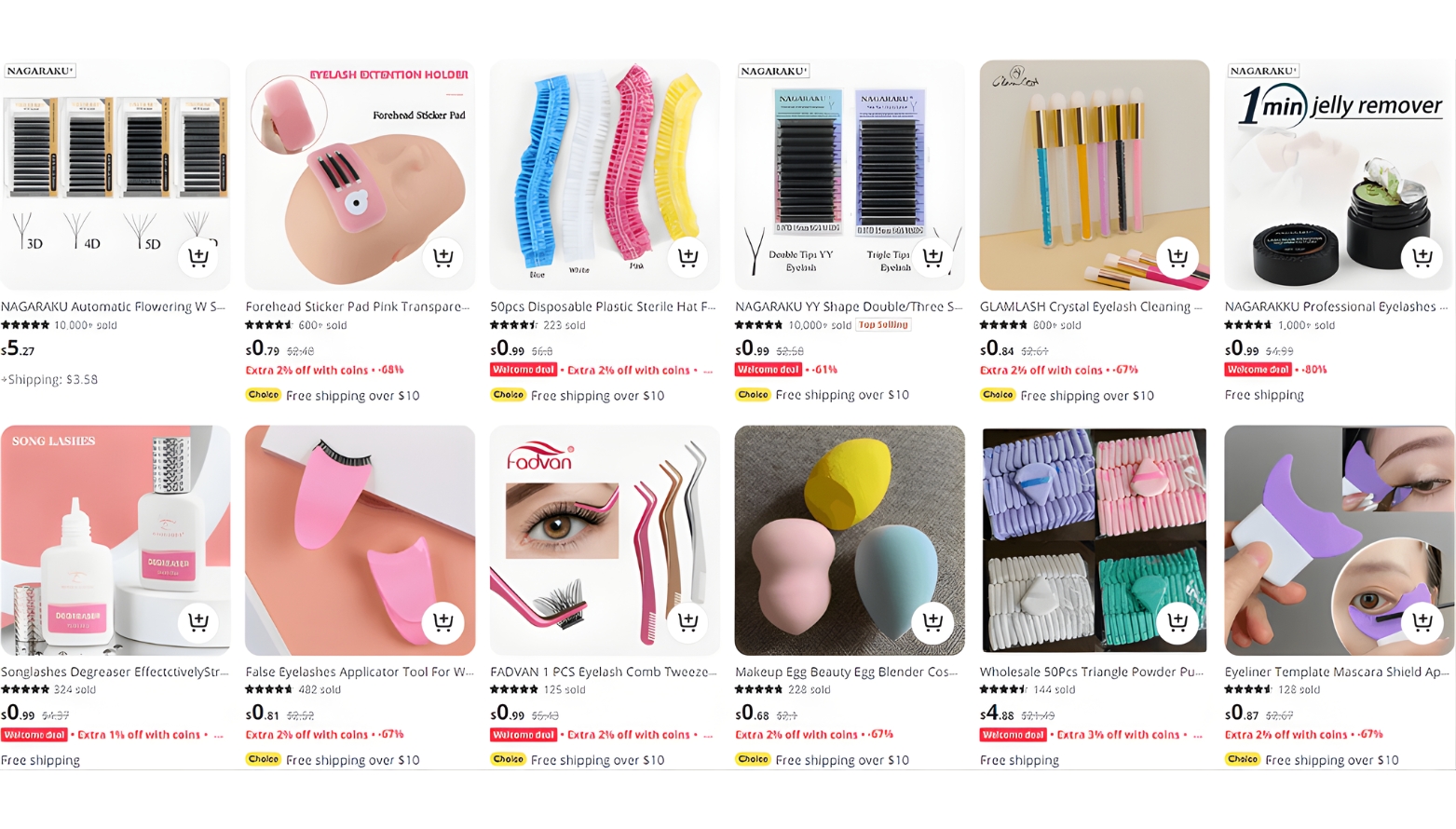
Examples of well-defined niche products include:
- Premium leather wallets designed for minimalist lifestyles
- Natural and organic skincare for environmentally aware buyers
- Personalized meal prep containers for fitness-focused consumers
- Eco-friendly fashion accessories for style-conscious shoppers
Products that solve a specific problem or serve a clear purpose tend to convert better, especially when marketed through ads or content. In addition, non-branded or white-label-friendly products give you more flexibility to build your own brand without competing directly on price with major retailers.
Identifying profitable niches through keyword research
Keyword research reveals what potential customers are actively looking for online. Instead of relying on assumptions, search data shows real interest and buying intent across different product categories.
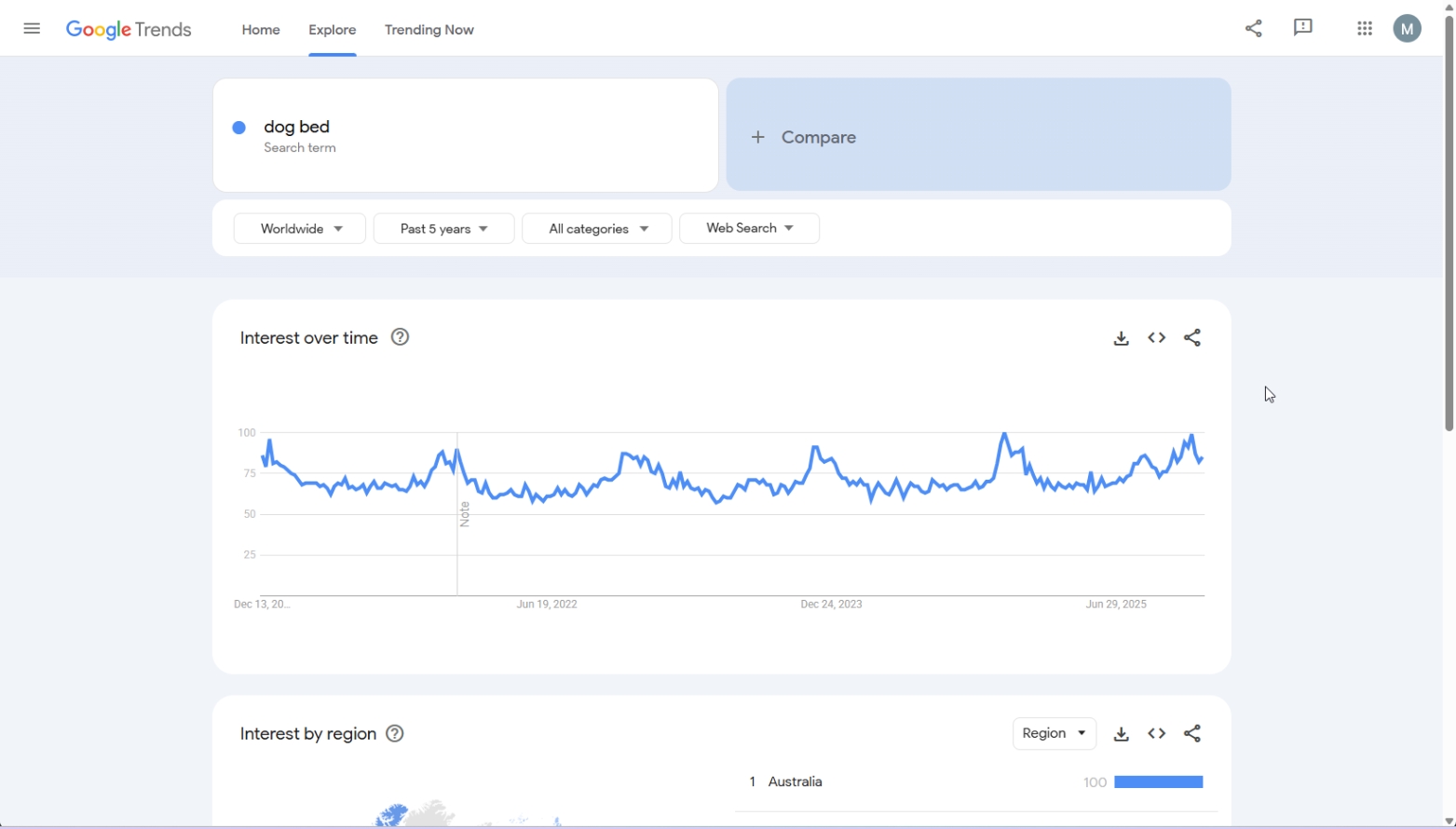
When evaluating a niche, it’s important to look beyond short-term spikes. Focus on search patterns over time to identify products with stable or growing demand, which indicates a healthier market for long-term growth.
Tools to find the winning product
| Tool | Purpose | What It Shows | Key Benefits for Dropshipping |
|---|---|---|---|
| GG Trends | Analyze market interest over time | Search interest trends, growth/decline, seasonality | Helps identify long-term demand, avoid short-lived trends, compare multiple niches |
| Dropship.io | Product & competitor research | Winning products, competitor stores, sales signals, product ads | Helps discover trending and validated products, analyze competitors, and identify profitable niches faster |
| Ahrefs | Keyword & demand research | Monthly search volume, competition level, related keywords | Measures market size, evaluates competition, supports SEO and content planning |
| Tradelle | Product discovery & trend analysis | Trending products, sales signals, social media engagement data | Helps identify viral products early, track trend momentum, and validate product demand before scaling |
2. Find and vet reliable suppliers
Reliable suppliers are the backbone of any successful dropshipping business. Even with strong marketing and great products, poor suppliers can lead to late deliveries, low quality items, refunds, and chargebacks. Taking time to properly vet suppliers reduces risk and improves customer satisfaction.
Instead of relying on a single source, it is often better to evaluate multiple suppliers before making a decision.
Where to find dropshipping suppliers
There are many platforms where you can find dropshipping friendly suppliers. Each option comes with different strengths and trade offs.
Common supplier sources include:
- AliExpress for low cost products and wide selection
- Alibaba for working directly with manufacturers and private label options
- CJdropshipping for better quality control and branding services
- Zendrop for US focused suppliers and faster shipping
- Spocket for US and EU based products
- SaleHoo for vetted wholesale suppliers
- Printify or Printful for print on demand products
For beginners, platforms that offer integration with ecommerce tools can simplify order processing.
Evaluate product quality and consistency
Product quality directly affects reviews, returns, and repeat customers. Never assume quality based on photos or descriptions alone.
To evaluate quality:
- Order multiple samples from different suppliers
- Compare materials, packaging, and functionality
- Check whether quality is consistent across batches
Selling low quality products may generate short term sales but damages long term brand trust.
3. Request and test product samples
Before selling any product, it is important to order samples from your supplier. This allows you to evaluate product quality, packaging, and actual shipping time. Testing samples helps ensure that what customers receive matches what is advertised on your store.
4. Calculate Pricing and Profit Margins
Pricing is one of the most common reasons dropshipping businesses fail. Many beginners focus only on the product cost and ignore hidden expenses, which leads to thin margins or losses once ads and refunds are factored in.
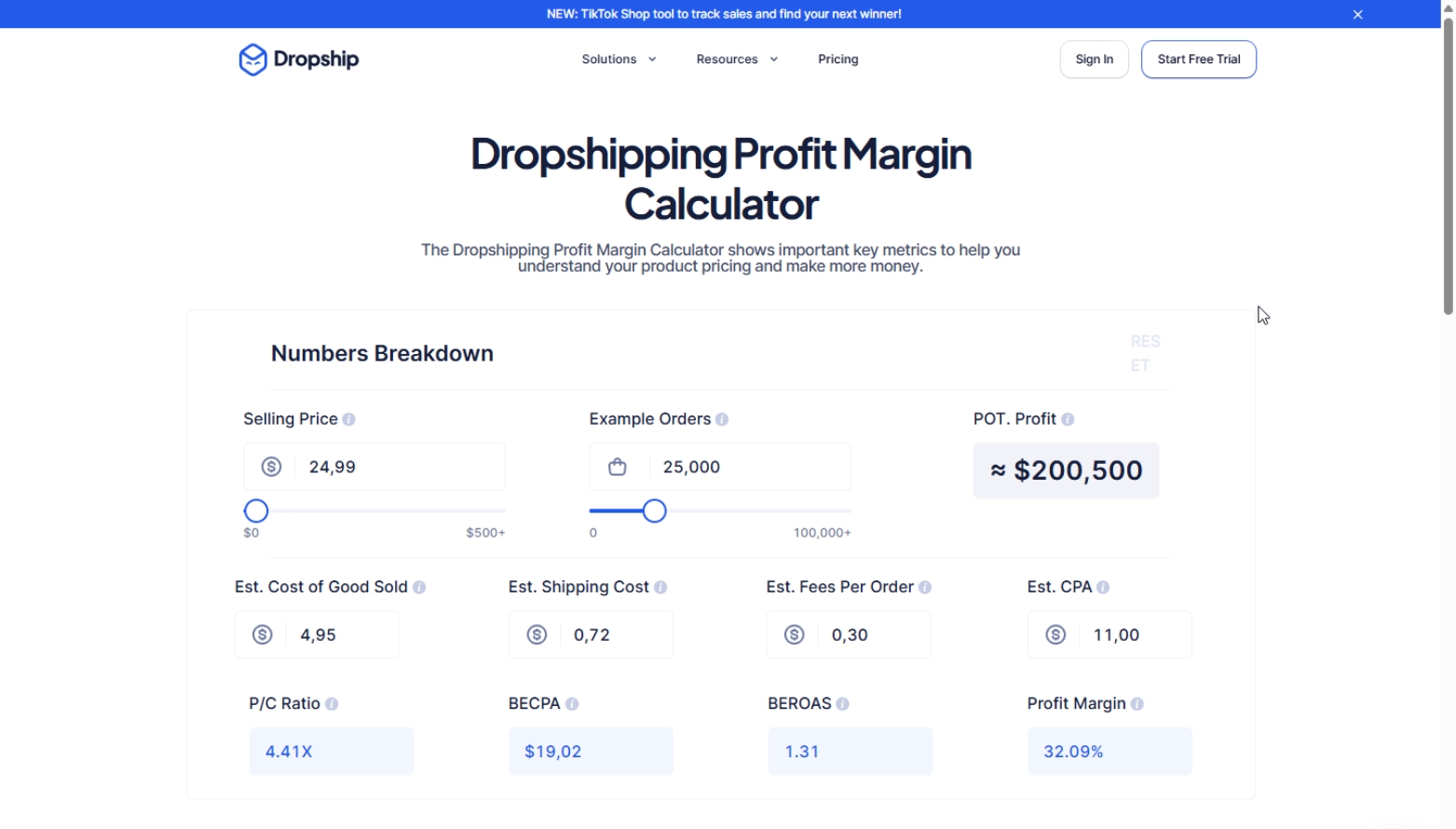
To price products correctly, you need to understand total cost per order, not just the supplier price. Your selling price should cover all costs and still leave room for profit.
Main costs to include when pricing dropshipping products
Below is a simplified example of typical cost breakdowns in percentage terms. Actual numbers vary by niche and traffic source, but this gives a realistic framework.
| Cost Component | Typical % of Sale Price | Description |
|---|---|---|
| Product cost (COGS) | 30% – 45% | Price paid to supplier for the product |
| Shipping & fulfillment | 5% – 15% | Shipping fees, handling, packaging |
| Advertising & marketing | 15% – 30% | Paid ads, influencer fees, promotions |
| Payment processing fees | 2% – 4% | Stripe, PayPal, credit card fees |
| Refunds & chargebacks | 2% – 5% | Returns, failed deliveries, disputes |
| Platform & app fees | 1% – 3% | Store apps, subscriptions |
| Net profit | 5% – 20% | What you keep before income tax |
This table helps set realistic expectations. If your product pricing cannot support these costs, it may not be viable long term.
How to approach pricing strategically
Instead of competing only on low prices, focus on value. Clear positioning, better product presentation, faster shipping, and trust signals allow you to price higher while maintaining conversions.
Always test pricing in small increments and monitor profit per order rather than total revenue.
Helpful tools to calculate margins
Several tools can help you estimate pricing and profitability more accurately:
- Shopify Profit Margin Calculator for quick margin checks
- Oberlo Dropshipping Profit Calculator for beginner friendly estimates
- Dropshipping Profit Margin Calculator for wholesale and dropshipping scenarios
Using a calculator or spreadsheet early helps prevent scaling unprofitable products.
5. Build Your Online Store
Building your online store is the step where your dropshipping business becomes visible to customers. This store acts as the central hub for your entire operation, receiving traffic from ads, social media, and search engines, and turning that traffic into sales.
Although products can be sold through marketplaces or social platforms, having your own ecommerce website provides the highest level of control over branding, pricing, customer data, and conversions. Marketplaces offer built-in traffic but limit branding and increase competition, while social commerce is effective for discovery and impulse buying but works best when connected to a website for checkout. For long-term growth, your website should be the primary sales channel, supported by other platforms rather than replaced by them.
Different ways to sell products online
There are several common methods to launch an online store:
- Your own ecommerce website: This is the preferred option for building a brand and maximizing conversions. A website allows full control over pricing, design, customer data, and marketing strategies.
- Online marketplaces: Platforms like Amazon, eBay, and Etsy provide built in traffic but limit branding and customer ownership. Fees are also higher, and competition is intense.
- Social commerce: Selling through platforms such as Instagram, TikTok, or Facebook is useful for discovery and impulse purchases, but these channels work best when connected to a website for checkout.
For most long term businesses, marketplaces and social platforms should support your website, not replace it.
Why a website is the priority for conversions
A well-built website allows you to control the entire customer journey, from the first click to the final checkout. This level of control improves trust, reduces friction, and increases average order value.
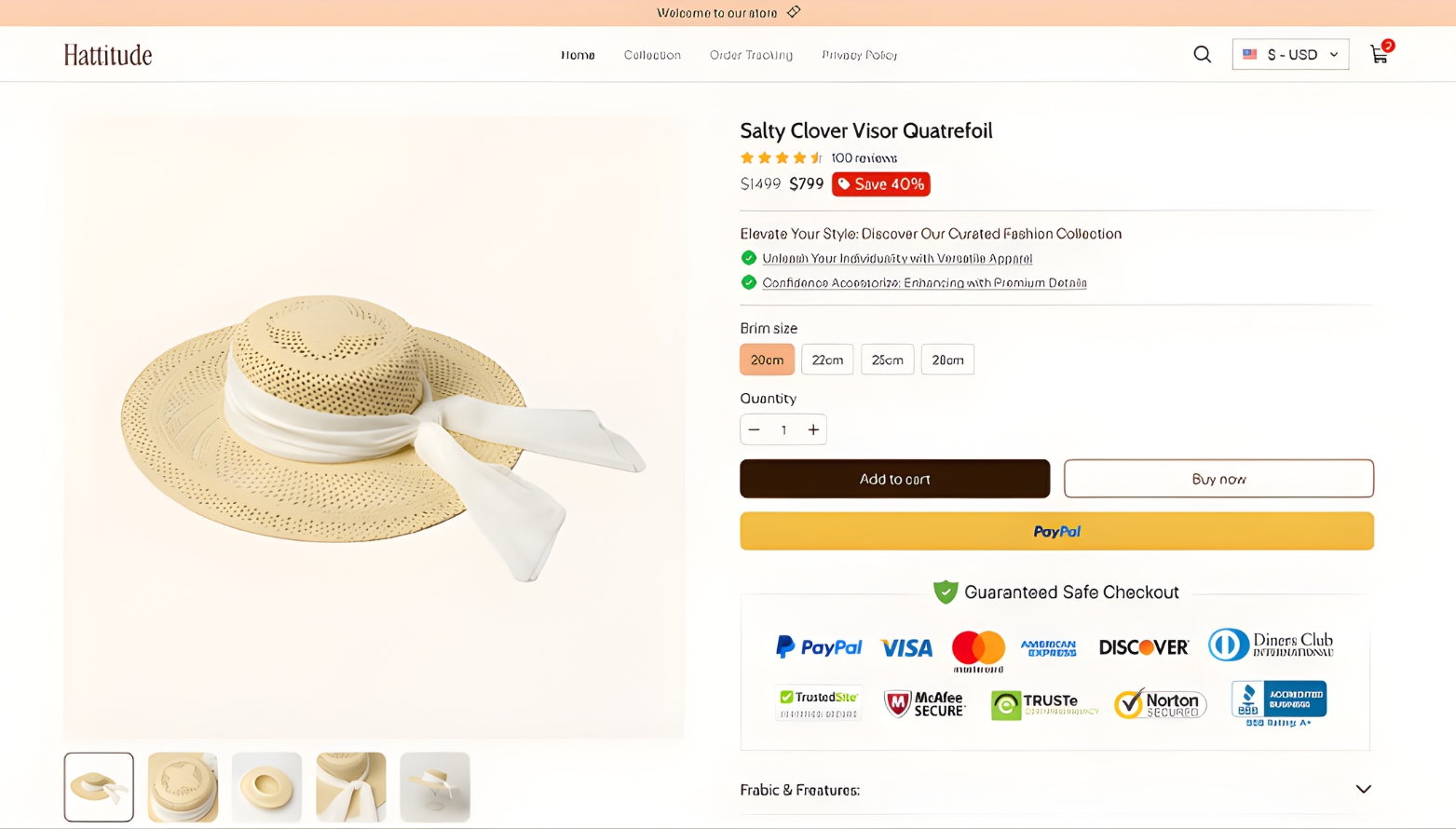
High-converting dropshipping websites typically share a few essential characteristics. Product pages focus on benefits rather than just features, loading speed is fast across all devices, and the design is mobile-friendly. Clear shipping, return, and refund policies reduce buyer hesitation, while secure payment methods and trust signals reassure customers at checkout.
Key elements of a high converting dropshipping website include:
- Clear product pages with benefits focused copy
- Fast loading speed and mobile friendly design
- Transparent shipping, return, and refund policies
- Secure payment options and trust signals
Owning your website also enables long-term growth strategies such as email marketing, retargeting ads, and continuous conversion rate optimization—advantages that marketplaces simply don’t offer.
Popular platforms to build a dropshipping store
Many platforms make it easy to launch a professional store without technical skills. Some widely used options include:
- Shopify – The most popular ecommerce platform globally, known for ease of use and app integrations
- WooCommerce – A flexible option for WordPress users who want full customization
- BigCommerce – Suitable for growing stores that need scalability
- Wix eCommerce – Beginner friendly with built in design tools
- BettaMax – An all in one ecommerce platform designed for dropshipping, offering store setup, product sourcing, fulfillment, and automation in one system
Platforms like BettaMax are especially helpful for beginners, reducing setup complexity and making it easy to manage your dropshipping business from one centralized dashboard. Start your free trial today and see how simple it is to launch your store.
6. Launch Marketing Channels
Once your store is live, the next step is driving targeted traffic. Marketing is what turns a dropshipping store from a website into a business. Instead of spreading yourself too thin, start with one or two channels and focus on learning what works before expanding.
Each marketing channel attracts a different type of customer and requires a different approach.
(i) Paid advertising
Paid ads are one of the fastest ways to generate traffic and test product demand. Platforms like social media ads and search engine ads allow precise targeting and quick feedback.
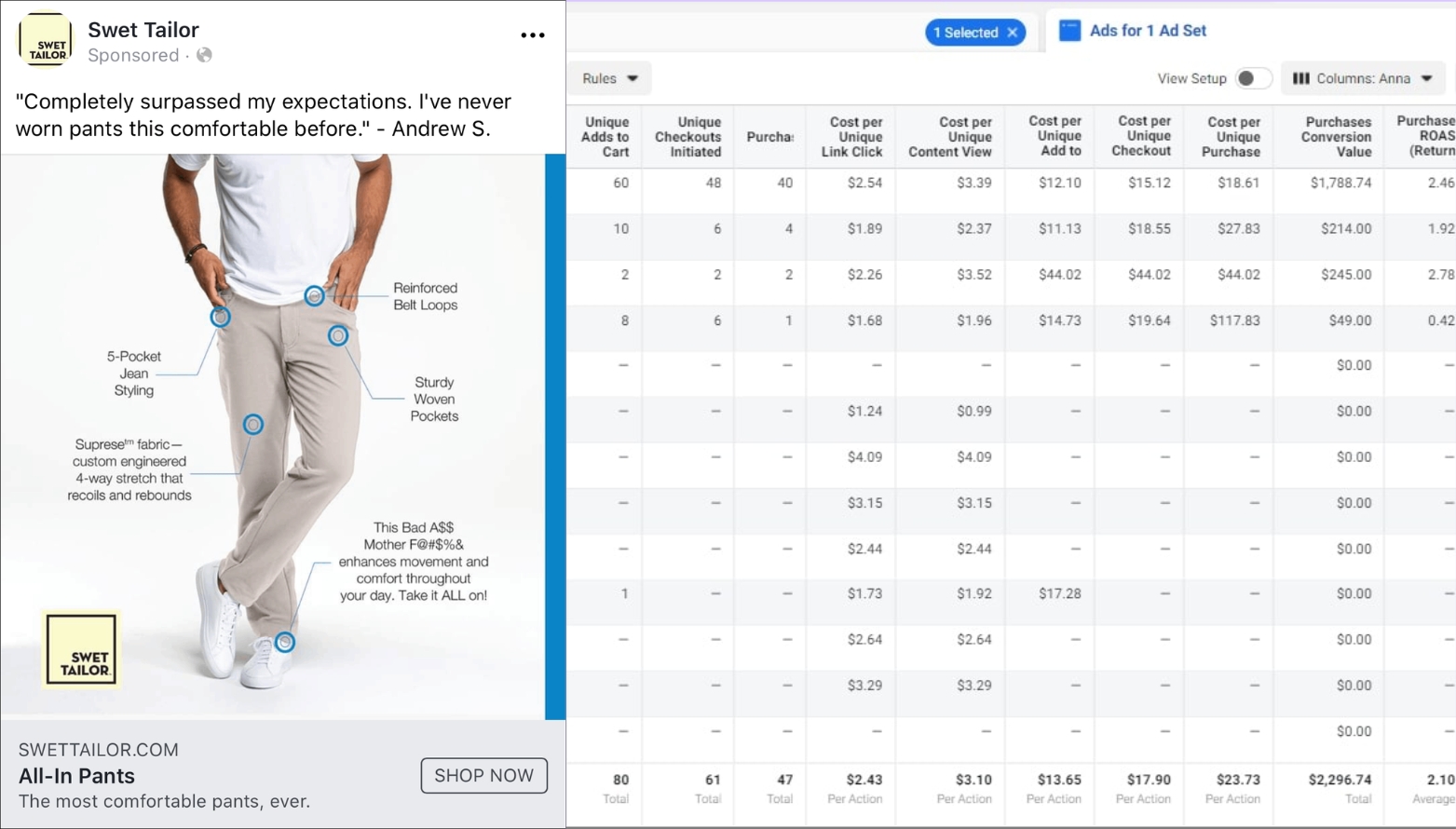
Paid advertising works best when:
- Product pages are optimized for conversions
- You test multiple creatives and audiences
- You closely track cost per click and cost per purchase
Because ad costs can rise quickly, constant testing and optimization are essential.
(ii) Organic traffic through SEO and content
Organic traffic is slower to build but more sustainable long term. SEO driven content helps attract customers who are actively searching for solutions.
This approach includes:
- Writing product focused blog content
- Optimizing product and category pages
- Building informational content around your niche
Organic traffic reduces dependency on paid ads and improves overall profitability over time.
(iii) Short form video platforms
Short form video platforms are powerful for product discovery and visual storytelling. These channels are especially effective for demonstrating how a product works or showing before and after results.

Short videos help:
- Build trust quickly
- Generate engagement and shares
- Drive low cost traffic to your store
Consistency matters more than production quality in the early stages.
(iv) Email marketing
Email marketing helps you build long term relationships with customers. It is one of the most cost effective channels once you start collecting leads.
Email can be used to:
- Follow up with visitors who did not purchase
- Announce promotions or new products
- Encourage repeat purchases
Even small email lists can generate meaningful revenue when used properly.
(v) Test, measure, and optimize continuously
Marketing is not a one time setup. Track performance, identify what converts, and adjust your strategy based on data.
7. Manage orders and customer support
Managing orders and customer support is essential to keeping a dropshipping business running smoothly. Once a customer places an order, the seller is responsible for ensuring the order is processed correctly and delivered as expected, even though the supplier handles shipping.
Orders should be forwarded to the supplier promptly, and shipment progress should be monitored closely. Providing tracking information and proactively communicating delays helps reduce customer frustration and prevents disputes.
Customer support is handled entirely by the seller. Customers expect quick responses, clear explanations, and fair solutions when issues arise. Transparent policies for shipping, returns, and refunds play a major role in building trust.
Is Dropshipping Still Worth Doing in 2026?
As we approach 2026, dropshipping continues to be a significant segment of the global ecommerce landscape, with the market expected to grow substantially. Industry estimates project the dropshipping market could be worth over $476 billion by 2026, reflecting strong demand and expansion of online retail overall.
This growth is not accidental. Lower barriers to entry, minimal upfront inventory costs, and the scalability of online storefronts help new sellers launch businesses faster than traditional retail models. With the right products and marketing strategies, some entrepreneurs are earning consistent profits and even scaling into six-figure businesses.

However, profitability in dropshipping is not automatic. Average profit margins typically range from around 15% to 40%, and these figures can shrink once you factor in advertising, platform fees, and payment processing costs.
Because dropshippers usually don’t control inventory or pricing, success depends heavily on branding, niche selection, customer experience, and effective traffic acquisition.
Looking ahead, several market trends in 2026 suggest where the best opportunities will be:
- AI-powered tools are reshaping product research, pricing optimization, and customer insights, helping sellers identify profitable products faster and tailor offers to individual shoppers.
- Social commerce continues to drive impulse purchases, with platforms like TikTok and Instagram becoming meaningful sources of low-cost traffic and direct sales.
- Sustainable and niche-focused product segments are gaining traction as consumers increasingly value personalization and eco-conscious brands.
- Subscription models and repeat purchase strategies are emerging as ways to increase lifetime customer value beyond one-off sales.
At the same time, the competitive landscape is tougher than a few years ago. Many sellers enter the model without adequate research or differentiation, which drives down prices and compresses margins. While the market itself continues to expand, only a fraction of stores remain profitable long-term without strong product strategies, reliable fulfillment partners, and disciplined marketing execution.
In summary, dropshipping still holds profit potential in 2026, but the business has evolved. It rewards sellers who:
- Focus on evergreen demand and niche audiences
- Use data-driven strategies and automation tools
- Build brand credibility and repeat customer relationships
If approached as a real ecommerce business rather than a quick money scheme, dropshipping can remain a valuable and profitable online business model in 2026 and beyond.
Conclusion
Starting a dropshipping business is not about shortcuts or quick wins. It’s about choosing the right niche, understanding your market, building a trustworthy store, and executing marketing consistently. When done correctly, dropshipping offers a flexible and low-risk way to enter ecommerce without the burden of inventory or complex logistics.
FAQs about starting a Dropshipping Business
1. Do I need money to start dropshipping?
Yes, but the upfront cost is relatively low. You mainly need budget for a domain, an ecommerce platform, apps, and initial marketing or ads. You don’t need to buy inventory in advance.
2. Is dropshipping beginner-friendly?
Dropshipping is one of the most accessible ecommerce models for beginners. However, it still requires effort in market research, marketing, and customer support to succeed.
3. How much can you realistically make with dropshipping?
Income varies widely depending on niche selection, marketing skills, and execution. Some stores struggle to break even, while others scale to consistent monthly profits once they find a winning product and audience.
4. How long does it take to see results?
Most beginners need several weeks to a few months to test products and marketing channels before seeing consistent sales. Dropshipping is not an overnight success model.
5. Do I need to register a business to start dropshipping?
In many cases, you can start as an individual. However, registering a business becomes important as you scale, especially for taxes, payment providers, and supplier relationships.
6. Can I run a dropshipping business part-time?
Yes. Many people start dropshipping part-time while learning and testing. As the business grows, it often requires more time to manage marketing, orders, and customer support.
7. What are the biggest mistakes beginners make?
Common mistakes include choosing overly competitive niches, relying on trending products only, underestimating ad costs, and ignoring customer experience.