Finding the right dropshipping suppliers is the foundation of your entire business. A reliable supplier ensures quality, fast shipping, and customer satisfaction. A bad supplier destroys your reputation, loses sales, and wastes time on firefighting. Yet many dropshippers rush this critical decision, costing themselves thousands in lost revenue and damaged credibility.
This guide reveals exactly how to find dropshipping suppliers, identifies red flags to avoid, and provides proven sourcing strategies that work in 2026.
What are dropshipping suppliers and companies?
A dropshipping supplier (also called a wholesaler or manufacturer) is a company that holds inventory and fulfills orders on your behalf. Instead of you buying products in bulk and storing them, suppliers sell directly to your customers using your branding.
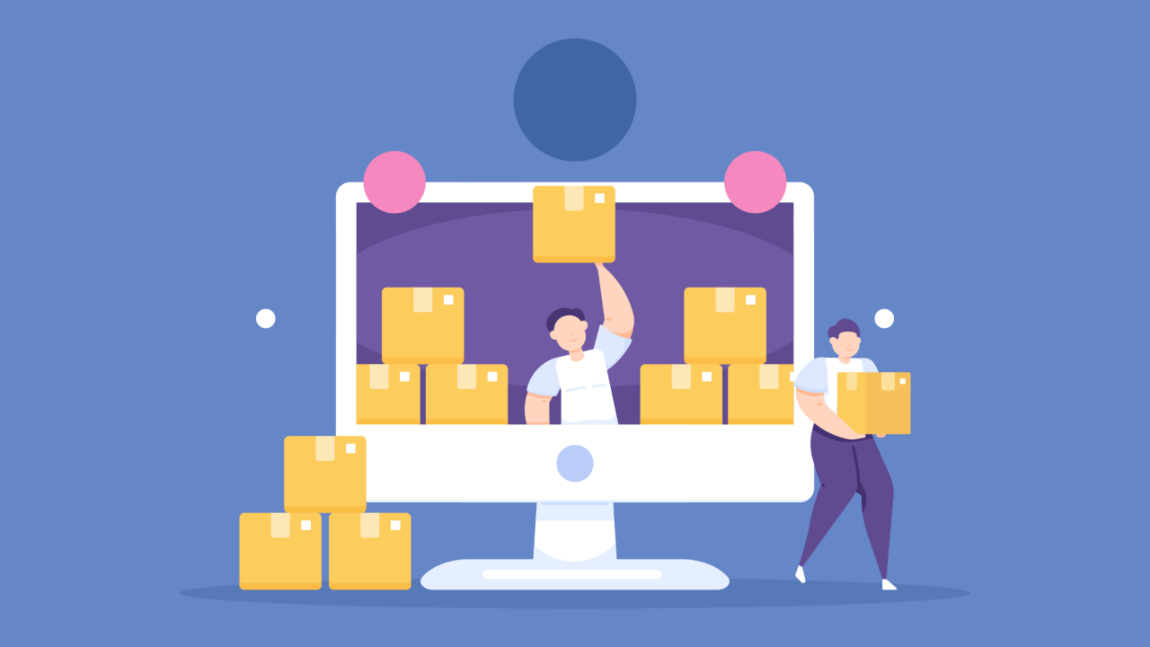
How it works: Customer orders → You forward order to supplier → Supplier ships to customer → You keep the profit margin. You never touch the product.
Dropshipping suppliers range from individual retailers on AliExpress to dedicated B2B companies offering premium services. The key differentiator: their reliability, communication, and product quality directly impact your business success.
5 reasons why finding the right dropshipping suppliers matters
1. Brand reputation protection
Customers blame you for supplier mistakes. Slow shipping, damaged goods, poor packaging, quality issues are elements damage your brand reputation, even though you didn’t cause them. A reliable supplier protects your brand image by delivering quality products consistently.
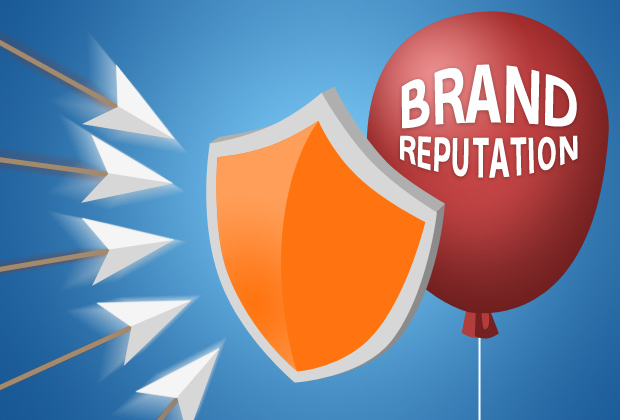
Impact: One bad experience leads to negative reviews, refund requests, and lost customers. Multiple incidents destroy credibility permanently.
2. Customer satisfaction and loyalty
High-quality products combined with fast, reliable delivery create satisfied customers who leave positive reviews, refer friends, and make repeat purchases. Your supplier’s performance directly determines customer lifetime value.
Impact:
Good suppliers = 4-5 star reviews, repeat customers, word-of-mouth growth.
Bad suppliers = 1-2 star reviews, refund requests, negative feedback.
3. Sales and profitability
Consistent stock availability prevents missed sales. Efficient order fulfillment reduces shipping delays. Fair pricing maintains healthy profit margins. A solid supplier ensures you capitalize on every sales opportunity.
Impact: Stock-outs lose sales. Slow fulfillment loses customers. Inflated supplier costs crush margins. Right supplier = maximized revenue.
4. Business stability and scalability
A dependable supplier provides stability needed for sustainable growth. They handle returns efficiently, communicate proactively about issues, and support your scaling. A problematic supplier creates constant crises preventing growth.

Impact: Reliable suppliers enable 20-30% monthly growth. Bad suppliers create 80% of your problems, limiting growth to 5%.
5. Focus on what matters: growth
A trustworthy supplier handles fulfillment while you focus on marketing, sales, and strategy. Bad suppliers require constant attention, firefighting and renegotiation, wasting your most valuable resource: time.
Impact: Good supplier = 10 hours/week on growth. Bad supplier = 20+ hours/week troubleshooting.
5 key factors to look for in a dropshipping supplier
1. Product quality and consistency
Request samples from potential suppliers. Test quality yourself. Verify they maintain consistent standards across orders. Poor quality leads to returns, refunds, and negative reviews; finally leading to destroy profitability immediately.
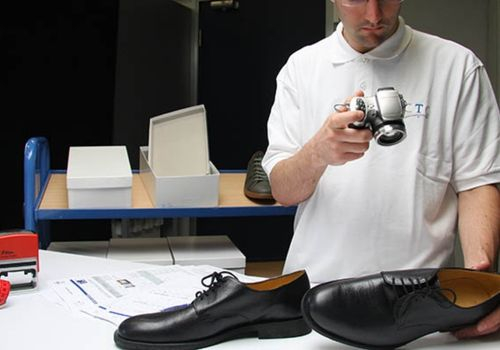
Red flag: Supplier refuses to send samples or samples arrive damaged/low quality.
2. Reliable shipping and tracking
Verify they offer trackable shipping to your primary markets. Check average shipping times. Confirm costs are reasonable. Fast, trackable shipping satisfies customers and prevents complaints.
Benchmark: Standard shipping should take 5-15 days domestically, 15-30 days internationally.
3. Real-time inventory visibility
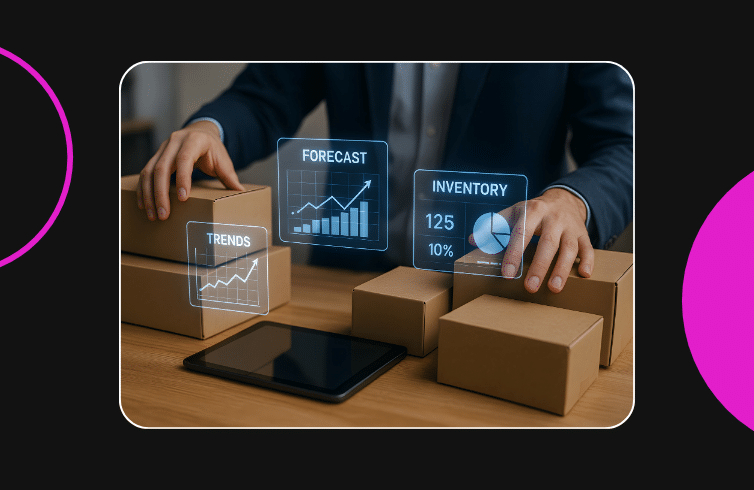
Require access to real-time stock levels. Selling out-of-stock items creates customer anger, refunds, and cancellations. You need visibility to manage inventory accurately.
Check: Do they provide API integration showing current stock? Can you access inventory dashboards?
4. Clear return and refund policies
Understand their return process completely. Who pays return shipping? How long do refunds take? What’s the defect tolerance? Clear policies prevent disputes and customer anger.
Standard: Suppliers should accept returns within 30 days, refund within 14 days, and cover shipping for defective items.
5. Responsive communication and support
Test responsiveness before committing. Email them questions. How fast do they respond? Are answers helpful? Poor communication creates constant friction and delays.

Test: Send inquiry. If they don’t respond within 24 hours, move to next option.
Red flags to avoid when choosing dropshipping suppliers
1. No verifiable business address or presence
Legitimate suppliers have physical addresses, registered businesses, and verifiable backgrounds. Suppliers with only email addresses, no business registration, or vague locations are high-risk for scams or unreliability.
Check: Search business registration databases. Verify address on Google Maps. Look for official business website.
2. Poor or no communication
Suppliers ignoring emails, providing vague answers, or being hard to reach will plague your business. Unresponsive communication is the #1 complaint among dropshippers.
Test: Send 2-3 detailed questions. If responses are slow or unhelpful, move on.
3. Hidden fees and surprise charges
Legitimate suppliers are transparent about all costs: product price, shipping, packaging, handling fees. Suppliers revealing additional fees after commitment are deceptive and will cost you.
Verify: Get written quotes detailing every cost. No surprises.

4. Unrealistic pricing that seems too good
Prices significantly below market rates signal either low quality, scams, or hidden fees. Extremely cheap products often have quality issues resulting in high return rates destroying profitability.
Benchmark: Research market prices. Suppliers 20-30% below market warrant scrutiny.
5. Lack of brand authorization or counterfeit concerns
Some suppliers sell counterfeit or unauthorized products. Selling counterfeits exposes you to legal liability. Verify suppliers have proper authorizations and sell authentic products.
Check: Ask for proof of authorization from manufacturers. Request product certifications.
6. No customer reviews or verifiable track record
Suppliers with zero reviews, unverifiable history, or hidden backgrounds are risky. Established suppliers have visible track records and customer feedback.
Research: Search Google, Trustpilot, industry forums for supplier reviews. Established suppliers should have 50+ positive reviews.
7. Refusal to send product samples
Reputable suppliers offer samples to verify quality. Refusing samples suggests either low quality, something to hide, or low commitment to partnerships.
Standard: Most suppliers offer 1-3 free or low-cost samples. If they refuse, walk away.
How to find the best dropshipping suppliers: 6 proven methods
Method 1: Start with basic internet search
Begin by searching “[Your Niche] dropshipping suppliers” or “[Product Category] wholesale suppliers.” This surfaces established suppliers, reviews, and alternatives.
Process:
- Google your niche + “dropshipping suppliers”
- Visit top results (supplier websites, directories)
- Shortlist 10-15 potential suppliers
- Research each: reviews, pricing, shipping times
- Contact 3-5 with questions
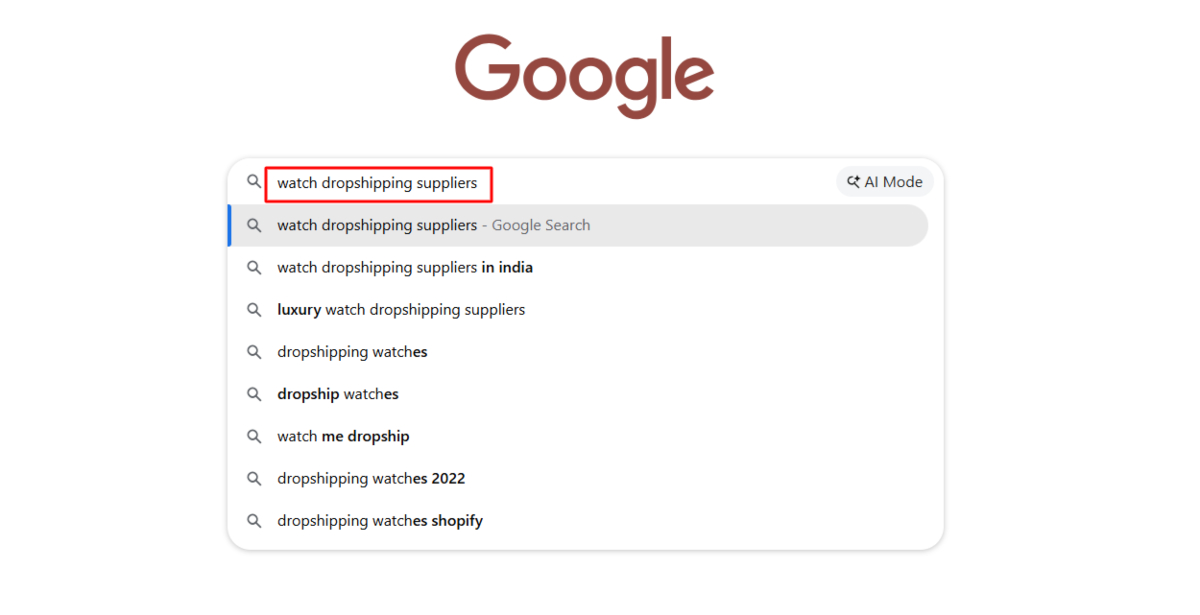
Time investment: 2-3 hours Cost: Free
Method 2: Attend industry trade shows
Trade shows connect you directly with suppliers, let you inspect products physically, and negotiate terms face-to-face. Quality of relationships built far exceeds online interactions.
Popular trade shows:
- Canton Fair (China)
- Hong Kong Electronics Fair
- Las Vegas Market
- Atlanta International Gift & Home Furnishings Market
Time investment: 2-5 days + travel Cost: $500-$2,000 (travel, entry fees)
Method 3: Ask for referrals within your network
Other entrepreneurs, fellow dropshippers, and industry contacts often have trusted supplier relationships. Referrals are lower-risk than cold outreach.
Process:
- Ask friends, mentors, online communities: “Who do you use for [product category]?”
- Contact referred suppliers mentioning referral source
- Negotiate based on trusted recommendation

Time investment: 1-2 hours Cost: Free
Method 4: Search online marketplaces
Platforms like Alibaba, Global Sources, and Made-in-China host thousands of verified suppliers. Marketplace vetting reduces scam risk.
Best platforms:
- Alibaba.com: Largest B2B marketplace, millions of suppliers, extensive vetting
- Global Sources: Curated suppliers, trade shows, trade publications
- TradeKey: Supplier verification, secure transactions
- EC21: Asian suppliers, quality verification
Time investment: 3-5 hours Cost: Free browsing, some verification fees ($20-50)
Method 5: Check online supplier directories
Specialized directories list vetted suppliers organized by category, location, and specialization. Directories reduce noise and surface only established suppliers.
Best directories:
- Forrst & Co: Curated supplier database for different industries
- SaleHoo: Directory with 8,000+ verified suppliers
- Modalyst: Premium supplier network with quality standards
- Tundra: Curated catalog of dropshipping suppliers
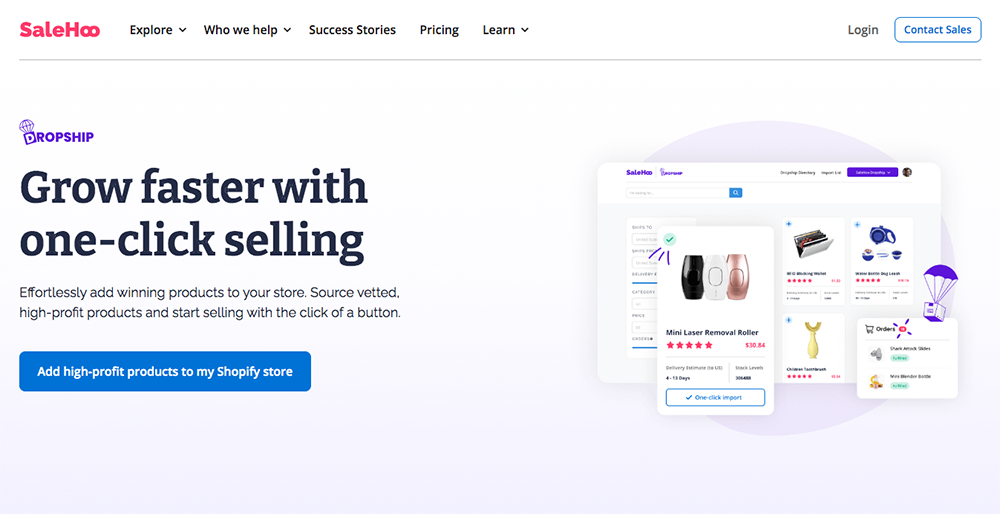
Time investment: 1-2 hours Cost: Free-$100/month (depending on directory)
Method 6: Leverage supplier intelligence platforms
Advanced platforms analyze supplier data, compare pricing, track shipments, and provide risk assessments. These streamline evaluation significantly.
Top platforms:
- Dropship.io: Analyzes TikTok/Facebook ads to identify winning products and suppliers
- AliExpress: Direct supplier access with reviews and ratings
- Oberlo: Integrated supplier sourcing within Shopify
- Spocket: US and EU-based suppliers with quality focus
Time investment: 2-3 hours Cost: Free-$50/month
Top reliable dropshipping suppliers by category
| Category | Best Suppliers | Why They Work |
|---|---|---|
| Electronics | Alibaba (verified sellers), Global Sources | Large inventory, competitive pricing, quality assurance |
| Fashion | Spocket, Alibaba (fashion vendors) | US/EU suppliers for fast shipping, trend-responsive |
| Home & Decor | Alibaba, Global Sources, TradeKey | High-quality manufacturers, customization options |
| Health & Beauty | GMP-certified Alibaba suppliers, Modalyst | Regulatory compliance, product safety |
| Accessories | Alibaba, EC21, TradeKey | Cost-effective, diverse options, quick turnaround |
How to find dropshipping suppliers: FAQs
How to find dropshipping suppliers in India?
India has massive textile and manufacturing sectors. Search “India dropshipping suppliers [your niche]” or browse Alibaba’s India-based vendors. IndiaMART is India’s primary B2B marketplace. Verify GST registration and check reviews carefully because India has both excellent and unreliable suppliers.
How to find dropshipping suppliers on Amazon?
Amazon itself doesn’t list business-to-business suppliers. However, you can identify products selling well on Amazon, reverse-search the manufacturer, then contact them for dropshipping partnerships. Alternatively, research suppliers making similar products through Alibaba or Global Sources, then verify they have Amazon-compatible fulfillment.
How to find dropshipping suppliers online for free?
Alibaba free browsing, Google searches, Reddit communities (r/dropshipping), supplier directories with free plans, and industry forums provide free research. Many suppliers respond to free inquiries. Free research takes longer but costs nothing.
How to find dropshipping suppliers on Reddit?
r/dropshipping and r/ecommerce communities share supplier recommendations, reviews, and warnings. Search specific niches (“best laptop suppliers,” “fitness product vendors”). Trust comments from active community members with post history.
How to find dropshipping suppliers for free?
Google searches, Alibaba browsing, Reddit, supplier directories with free tiers, and direct outreach to manufacturers cost nothing. The investment is time, not money. Free sourcing requires more vetting but entirely feasible.
How to find dropshipping suppliers in USA?
Search “USA dropshipping suppliers [niche].” Use Spocket (US/EU focus), Google searches, industry directories. US suppliers offer faster shipping but typically higher costs. Verify business registration and physical addresses.
How to find dropshipping suppliers on Alibaba?
Search your product category. Filter by “Trade Assurance” (verified sellers), “Response Rate” (responsive suppliers), and supplier ratings. Message 5-10 suppliers with detailed questions. Request quotes and samples. Verified sellers on Alibaba have vetting backstop.
Conclusion
Finding the right dropshipping suppliers determines your business success. Invest time in vetting, ask detailed questions, request samples, and verify track records. A reliable supplier compounds value month after month through consistent quality, fast shipping, and responsive support.
Start with Method 1 (internet search) for quick exploration. Graduate to Method 4 (marketplaces) or Method 6 (intelligence platforms) for serious sourcing. Take 1-2 weeks, evaluate 5-10 suppliers, and commit to 2-3 reliable partners.
The right supplier unlocks your growth. The wrong supplier destroys your business. Choose wisely.
Ready to source? Start on Alibaba or Spocket today. Message 5 suppliers with your detailed requirements. Request samples. Compare responses and pricing. Your ideal supplier is waiting.