The home decor industry is booming, and home decor dropshipping has emerged as one of the most accessible and profitable e-commerce niches. With the global home decor market valued at over $400 billion and growing, entrepreneurs are seizing the opportunity to build profitable online businesses without managing physical inventory.
This comprehensive guide covers everything you need to know about starting a successful home decor dropshipping business, from identifying the best suppliers to selecting trending products that customers actively search for and purchase.
Is Home Decor a Good Niche for Dropshipping?
Yes, home decor is a highly recommended and profitable niche for dropshipping, and here’s why successful entrepreneurs continue to choose this space.
Consistent Year-Round Demand
Home decor products enjoy steady customer demand throughout the year. Unlike seasonal niches that peak during specific periods, home decor maintains consistent interest across all seasons. People continuously refresh their living spaces, prepare for holidays, and invest in home improvements, creating reliable sales opportunities regardless of the time of year.
Broad Appeal Across Demographics
Home decor appeals to diverse customer demographics. Whether targeting college students furnishing their first apartments, young professionals upgrading their homes, or established homeowners redecorating, home decor products reach wide audiences. This demographic diversity reduces your dependency on any single customer segment and allows you to test and scale across multiple market segments.
Potential for High Markups
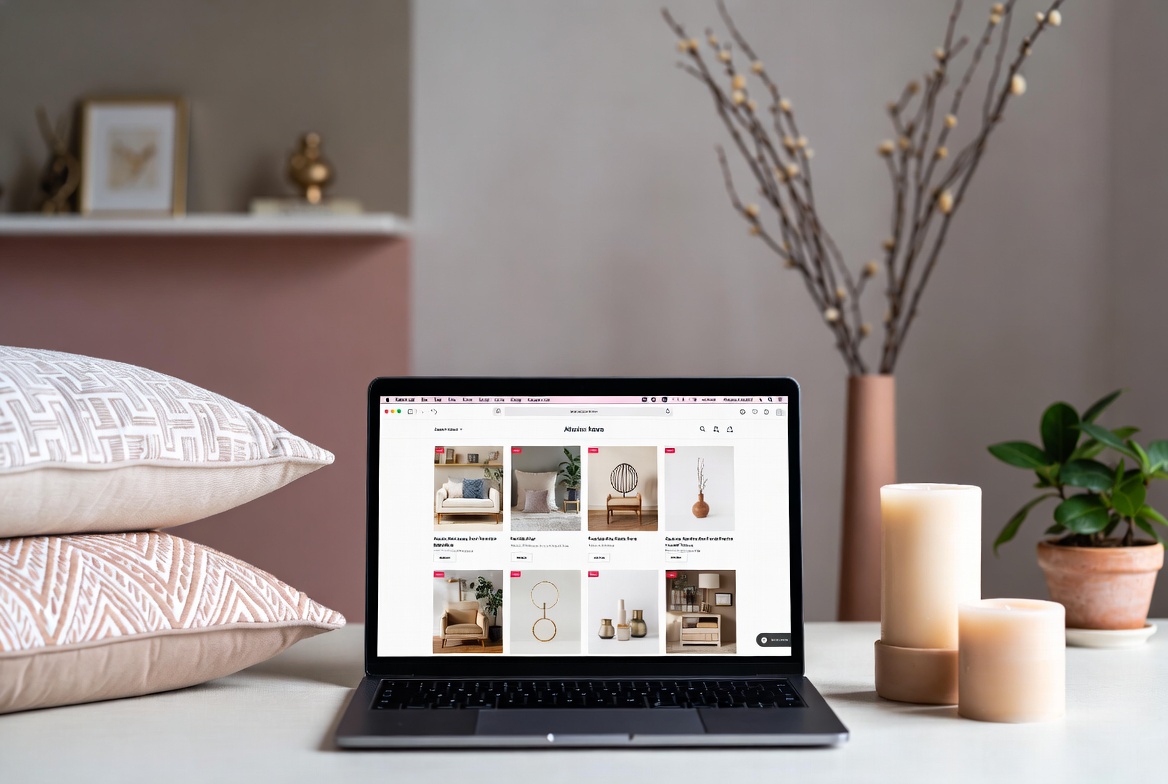
Home decor dropshipping offers excellent margin opportunities. While wholesale costs for home decor items remain relatively affordable, retail prices can support significant markups. Unique or trending items especially command premium pricing. A throw pillow costing $3 to $5 wholesale can retail for $15 to $25 or more, delivering 200 to 400 percent markup potential.
Visual Marketing Advantage
Home decor aligns perfectly with visual marketing platforms that drive e-commerce sales. Instagram and Pinterest users actively seek home decor inspiration and directly shop from visual content. The aesthetic nature of home decor products makes them ideal for influencer marketing, user-generated content, and visually-driven advertising campaigns that convert at high rates.
Standing Out from Competition
While home decor dropshipping is popular, this doesn’t mean the market is saturated for niche players. Success requires niching down rather than selling generic home decor broadly. Entrepreneurs who focus on specific styles, audiences, or product categories differentiate themselves from intense competition. Boho enthusiasts, minimalist design followers, and luxury home seekers represent underserved niches within the broader home decor market.
Examples of successful niche positioning include:
- Boho home decor specialists targeting aesthetic-conscious millennials
- Minimalist decor stores appealing to Marie Kondo followers
- Luxury home accents for affluent homeowners
- Eco-friendly sustainable home decor for environmentally conscious consumers
- Modern industrial decor for contemporary design enthusiasts
- Vintage and retro home furnishings for nostalgia-driven customers
The key to home decor dropshipping success is identifying a specific style, aesthetic, or customer segment where you can build authority and differentiate from generic competitors.
Top Home Decor Dropshipping Suppliers
Finding reliable home decor dropshipping suppliers is critical for business success. Different suppliers excel in different areas, so many successful entrepreneurs work with multiple suppliers to offer diverse product selection while maintaining quality standards.
CJDropshipping for Broad Selection
CJDropshipping stands out as one of the largest dropshipping platforms, offering an extensive home decor catalog covering everything from wall art to functional furniture pieces. Their platform provides access to thousands of suppliers, competitive wholesale pricing, and integration with major e-commerce platforms like Shopify.
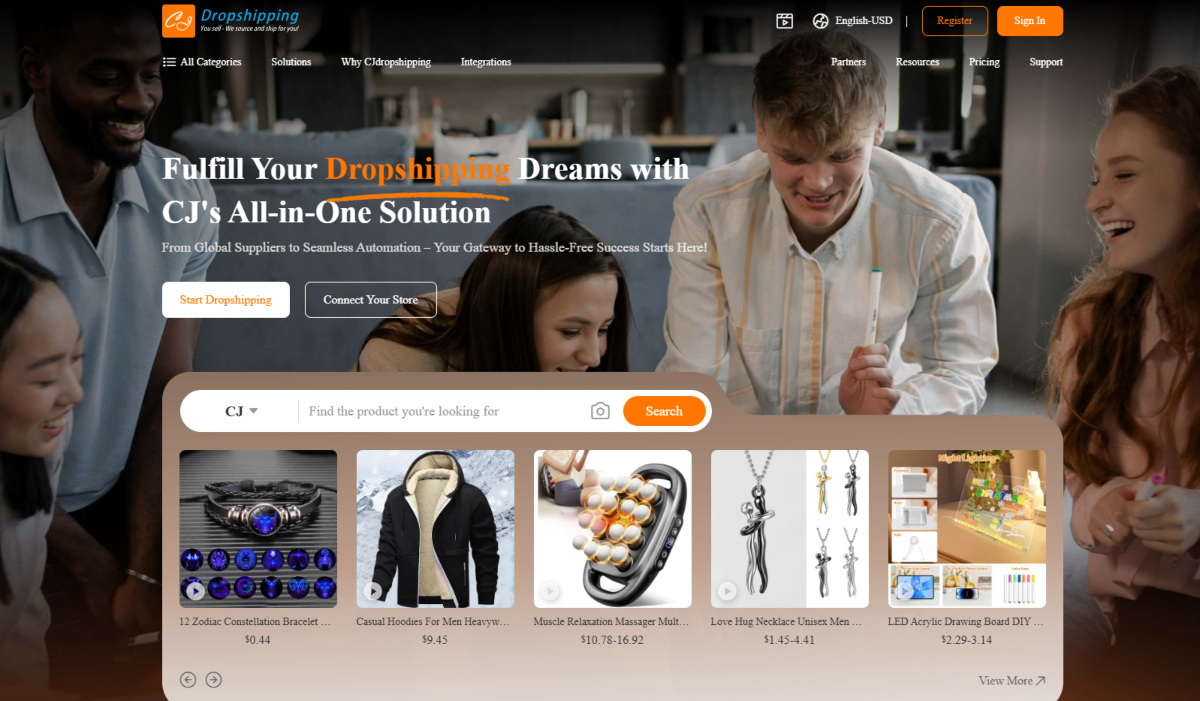
CJDropshipping’s strength lies in variety and affordability, though you’ll need to carefully vet individual suppliers for quality consistency.
AliExpress for Cost-Effective Products
AliExpress remains one of the most affordable sources for home decor dropshipping, with wholesale prices that allow for significant markups. You can find virtually any home decor item on AliExpress, from budget-friendly decorative pieces to higher-end furniture accents.

The platform’s main drawback involves longer shipping times from China, typically ranging from 15 to 45 days. Despite shipping delays, many dropshippers use AliExpress for inventory testing before committing to larger quantities.
AutoDS for Automation and Efficiency
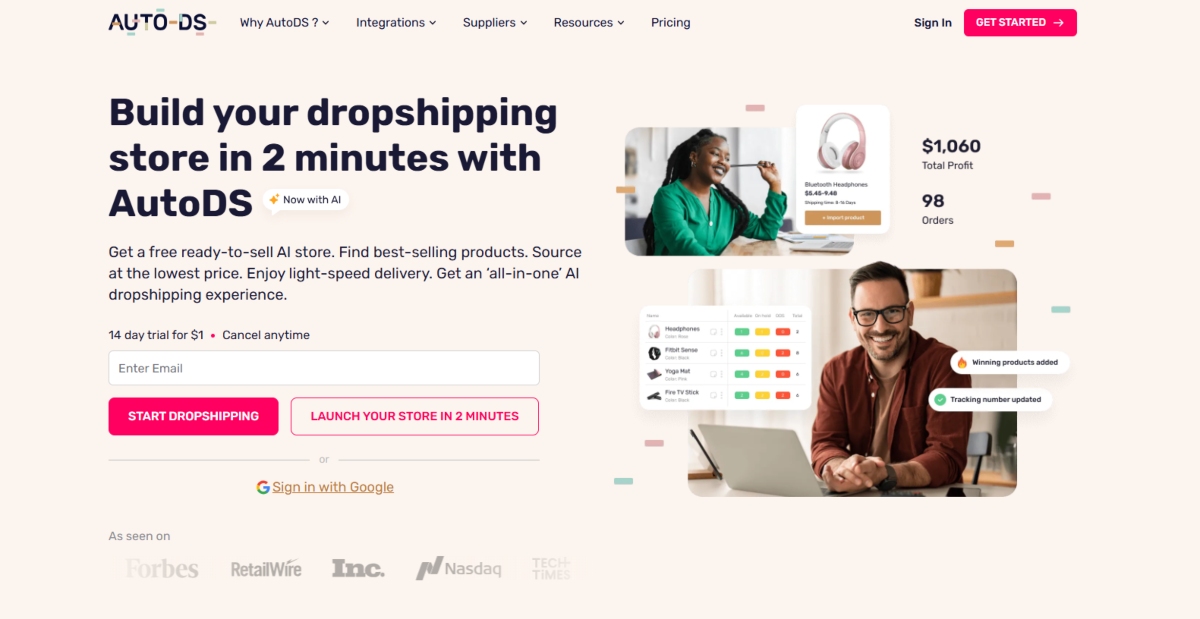
AutoDS automates much of the dropshipping process, connecting your store directly to suppliers and automating order fulfillment. Their platform reduces manual work significantly and allows you to focus on marketing and customer service rather than order management. AutoDS is particularly useful for high-volume dropshipping operations.
TopDawg for Fast US-Based Shipping
TopDawg specializes in US-based home decor dropshipping with significantly faster shipping times than international suppliers. Their fulfillment centers store inventory domestically, enabling next-day or two-day shipping to American customers. This shipping speed advantage justifies slightly higher wholesale costs and appeals to customers who value rapid delivery.
Benzara for Unique and Trendy Items
Benzara focuses on unique, trend-forward home decor products that appeal to style-conscious consumers. Their catalog emphasizes contemporary designs, statement pieces, and items that photograph well for Instagram and Pinterest. Benzara works well for entrepreneurs targeting younger demographics and aesthetically-driven customers willing to pay premium prices for distinctive pieces.
Aspire Home Accents for Premium Quality
Aspire Home Accents specializes in higher-end home decor products with superior quality and design. If you’re positioning your store as a premium home decor brand, Aspire’s curated selection of quality items supports that positioning. Their products typically command higher retail prices while maintaining strong margins.
Syncee for Multi-Supplier Management
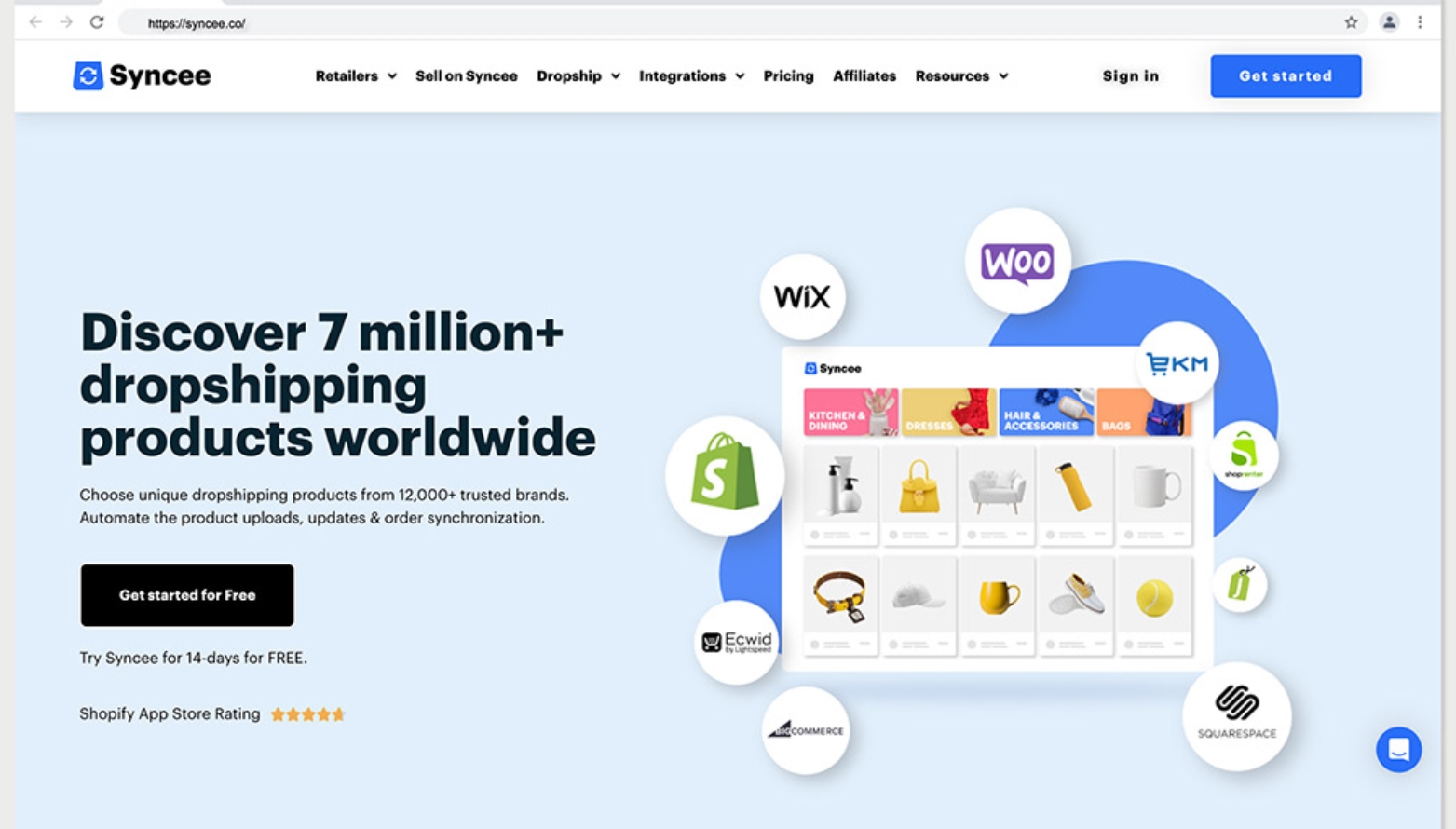
Syncee acts as a management platform connecting you with multiple suppliers simultaneously. Instead of managing relationships with individual suppliers separately, Syncee centralizes inventory, pricing, and order management. This platform is ideal for dropshippers working with three or more suppliers.
AppScenic for Seamless Integration
AppScenic specializes in Shopify integration for home decor dropshipping. Their platform simplifies the process of importing products, managing inventory, and fulfilling orders directly through your Shopify store. AppScenic reduces the technical complexity of managing multiple suppliers.
SaleHoo for Vetted Supplier Directory
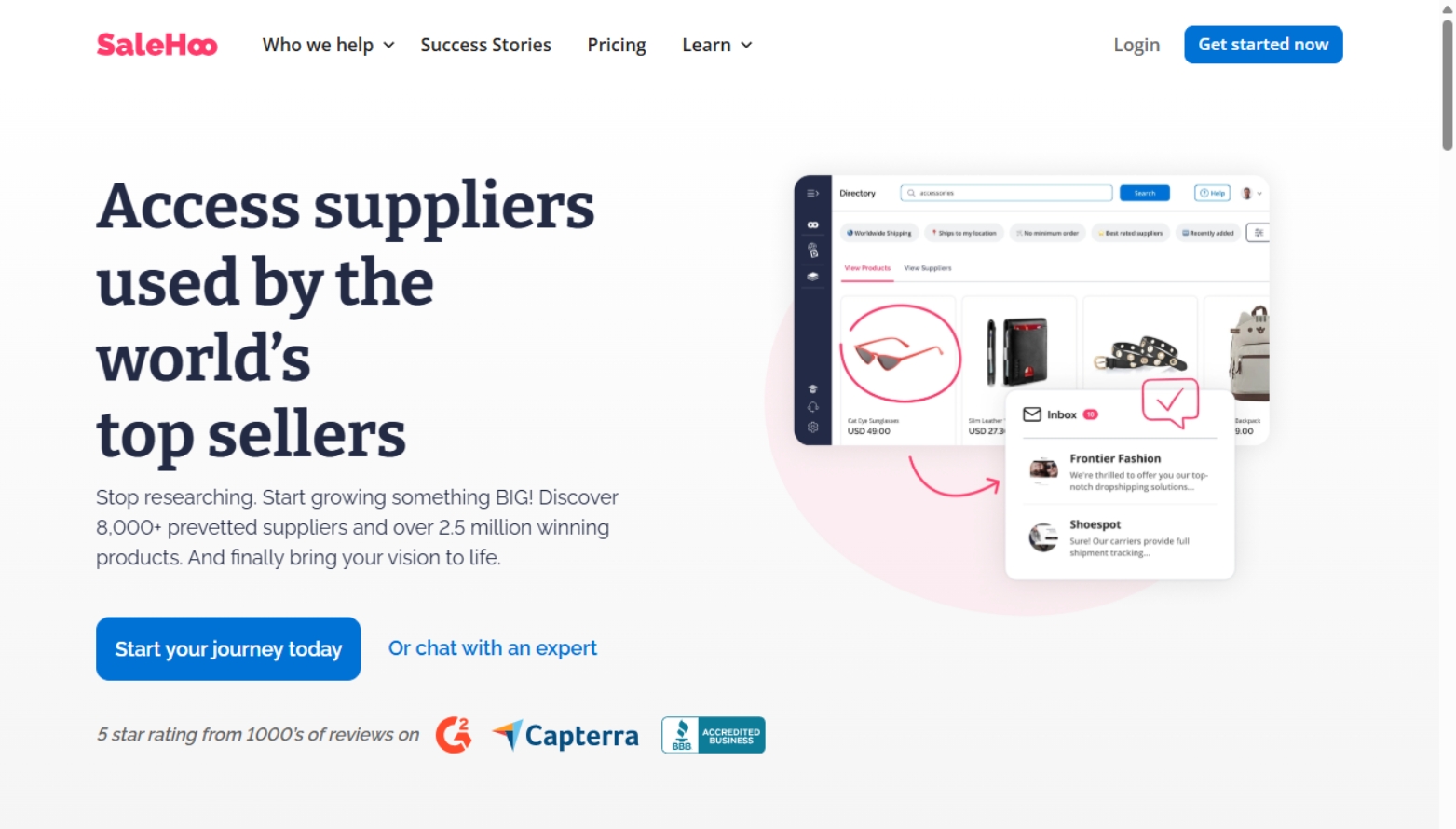
SaleHoo operates as a directory of vetted dropshipping suppliers, including numerous home decor specialists. Rather than sourcing suppliers independently, SaleHoo provides pre-vetted options with review systems and quality standards. Their membership model offers community access and supplier recommendations.
Printify and Printful for Print-On-Demand Items
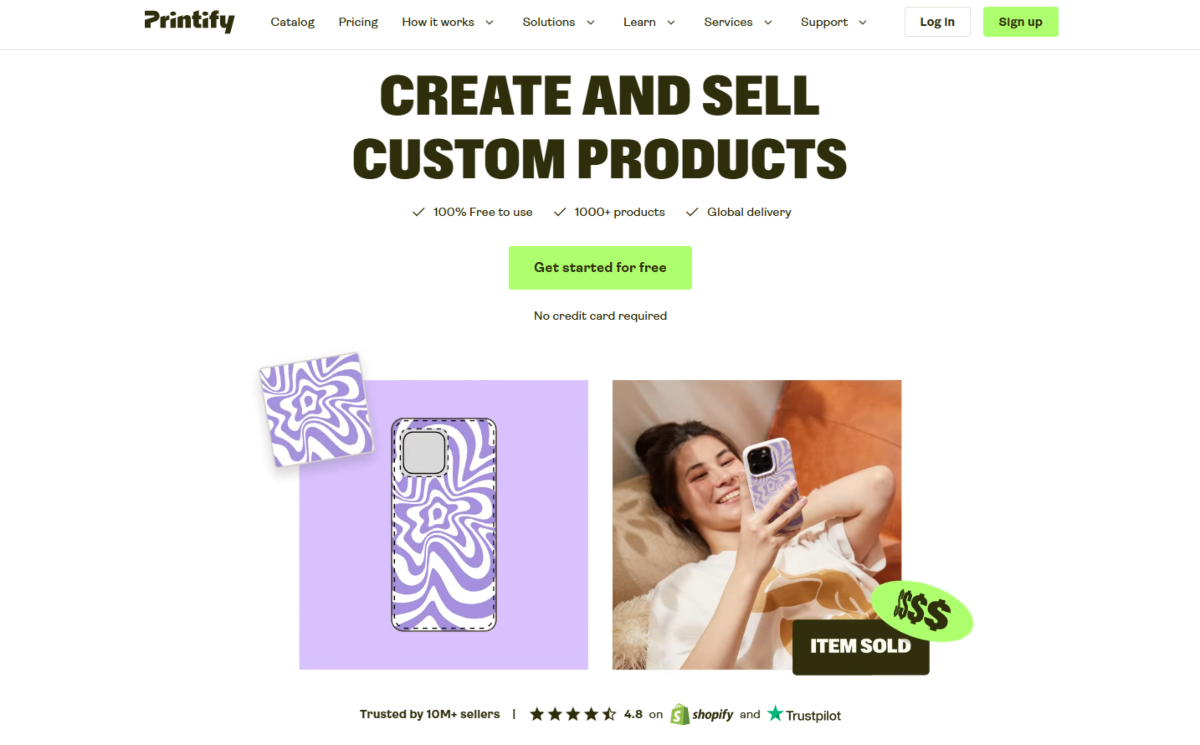
For entrepreneurs selling custom or personalized home decor items like throw pillows, wall art, or blankets, Printify and Printful offer excellent print-on-demand solutions. These platforms handle production and shipping directly, requiring zero inventory on your end. They’re ideal for unique, branded home decor items.
Wayfair and Amazon Integration Platforms
Large retailers like Wayfair and Amazon offer massive home decor catalogs, and integration platforms allow you to resell their products through your own store. This approach provides access to tens of thousands of home decor items with established demand validation. However, competition tends to be intense when dropshipping from these platforms.
Top Trending Home Decor Products to Sell
Understanding which home decor products customers actively search for and purchase is essential for product selection and profitability. Home decor trends shift regularly, but certain categories maintain consistent demand while others represent emerging opportunities.
Wall Decor Products
Wall decor represents one of the highest-demand categories in home decor dropshipping. Customers continually refresh their wall displays, making wall products consistently profitable.
Canvas prints featuring trendy artwork, photographs, and motivational quotes appeal to diverse audiences. Large canvas prints command premium pricing and work well for interior design themes. Tapestries offer affordable wall coverage and appeal especially to younger customers and renters. Bohemian tapestries and indie artwork designs remain consistently popular.
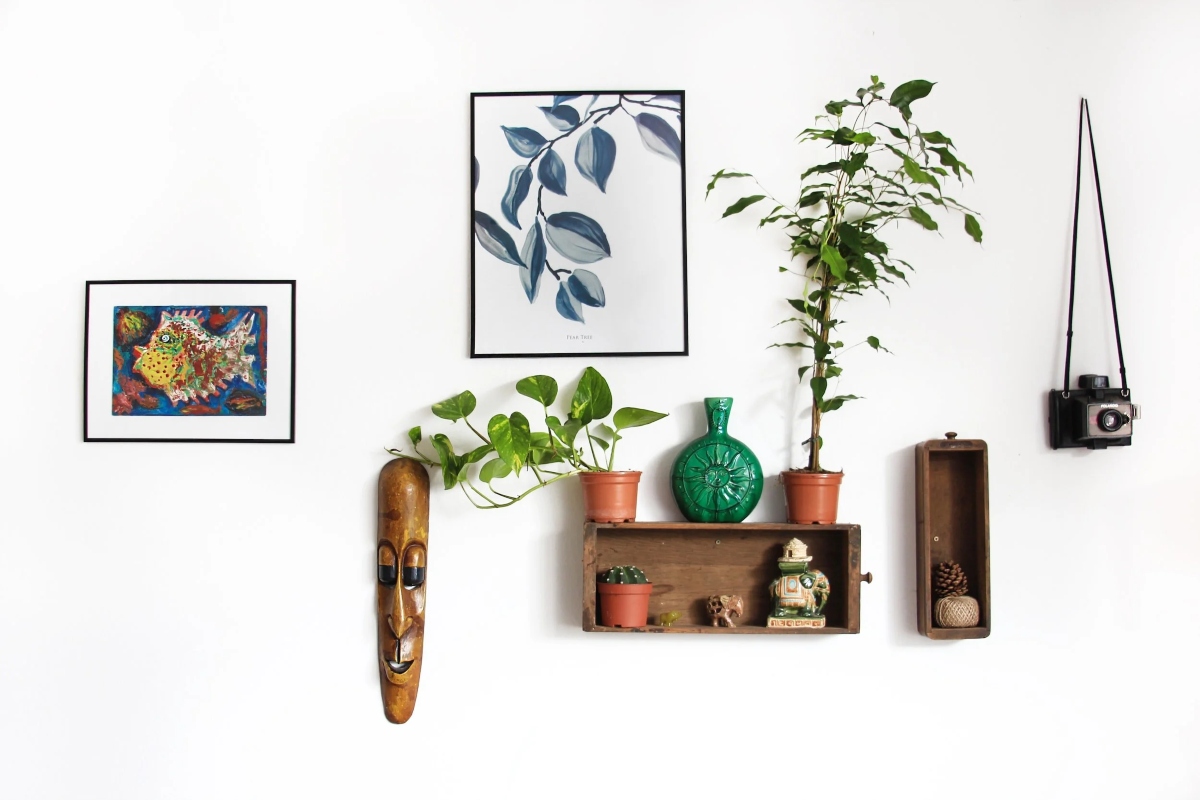
Metal signs featuring trendy phrases, business names, or artistic designs appeal to business owners, homeowners, and gift buyers. Wall decals provide non-permanent wall decoration options, particularly appealing to renters. Large mirrors serve both functional and decorative purposes, and oversized statement mirrors represent high-ticket items with strong margins.
Lighting Products
Modern lighting transforms spaces and commands premium pricing, making it highly profitable for dropshipping.
LED strips create ambient lighting effects and appeal to gaming enthusiasts, bedroom decorators, and business owners. Motion-sensor lights serve functional purposes while offering aesthetic appeal. Fairy lights create cozy atmospheres and maintain perennial popularity. Modern table and floor lamps, including bedside lamps with USB charging and minimalist floor lamps, combine functionality with style.
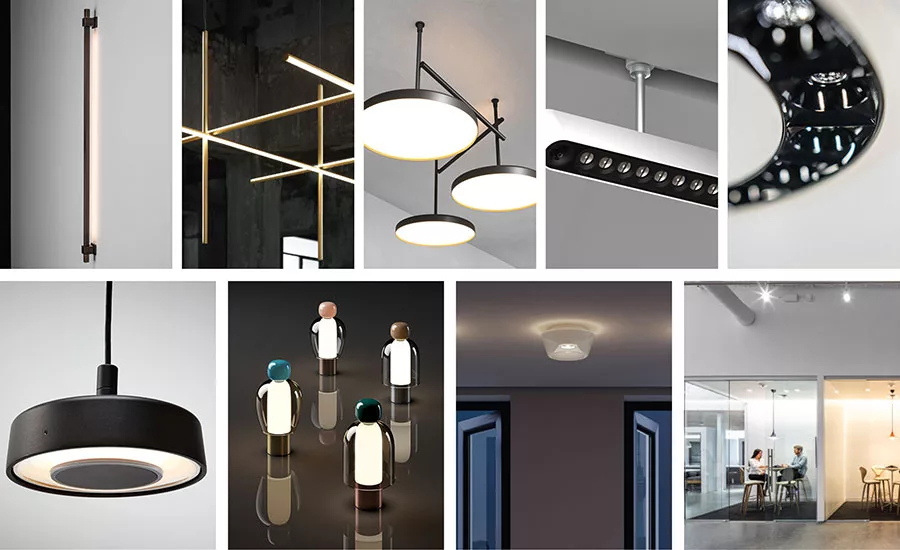
Pendant lights, hanging fixtures, and statement lighting pieces represent higher-ticket items that photograph exceptionally well for Instagram and Pinterest marketing.
Textile Products
Soft furnishings create comfort and style, and many customers regularly update textiles.
Throw pillows in various patterns, colors, and textures are extremely popular. Customers purchase multiple pillows to refresh their spaces seasonally. High-quality, aesthetically-designed throw pillows support strong margins. Weighted blankets have emerged as a trending category, combining comfort with wellness positioning.
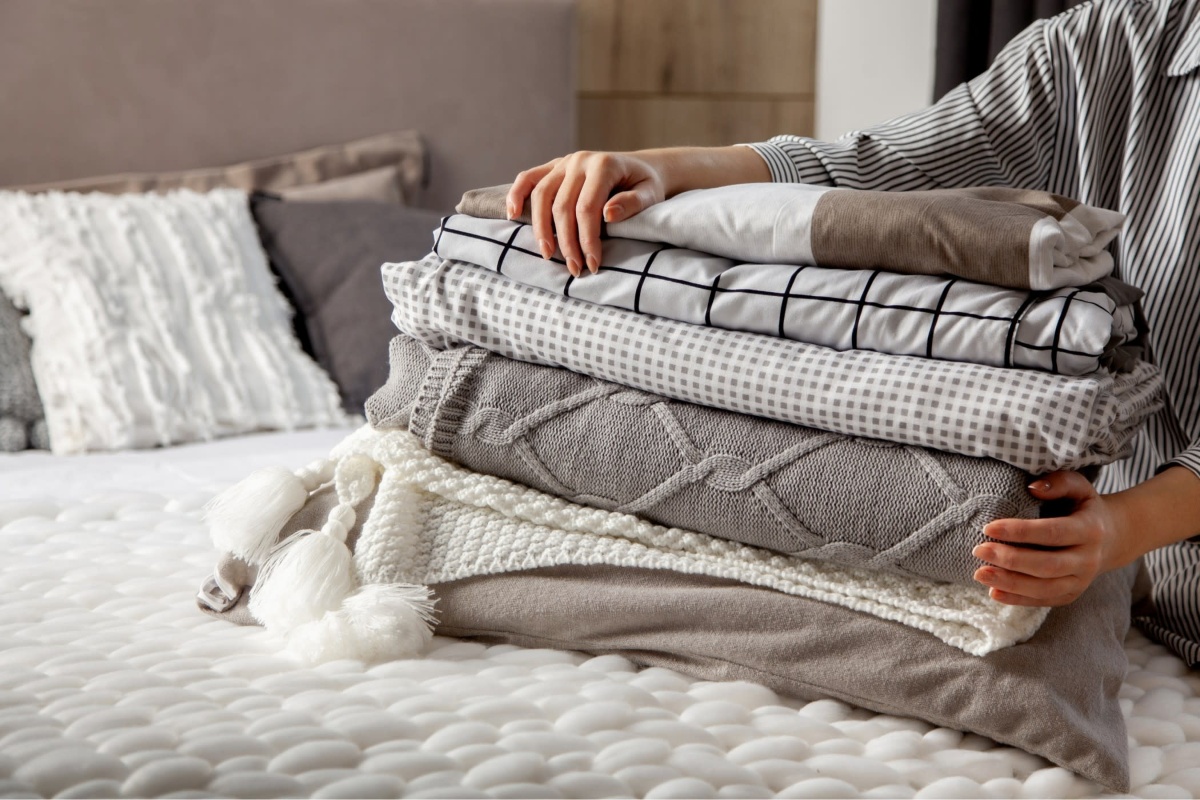
Textured rugs in various patterns, materials, and sizes remain consistent sellers. Customers seek statement rugs that define spaces and support interior design themes.
Storage and Organization Products
The organization trend continues strong, driven by minimalism and functionality-focused design.
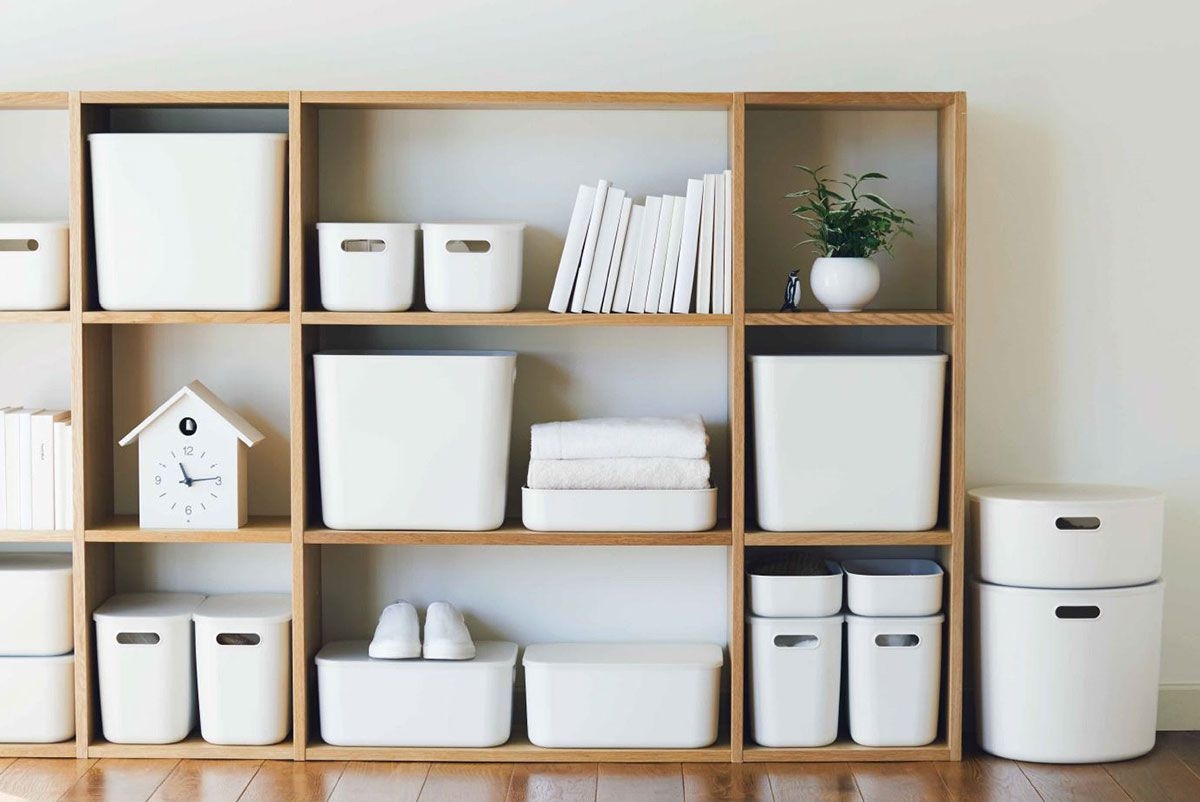
Decorative baskets for storage offer functionality with aesthetic appeal. Wooden trays organize and beautify nightstands, coffee tables, and shelving. Wall-mounted shelves combine storage with display opportunities. Storage ottomans provide hidden storage while functioning as seating or coffee tables.
Plants and Vases
The indoor plant trend remains strong, though live plants present dropshipping challenges.
Faux greenery solves the live plant problem, offering the aesthetic without care requirements. High-quality, realistic artificial plants and flowers appeal to busy professionals and plant-lovers alike. Stylish ceramic vases and minimalist planters complement both real and artificial greenery while standing alone as decorative pieces.
Candles and Holders
Candles and candle accessories represent a consistently profitable category with high margins.

Aesthetic candles in trendy scents, colors, and designs appeal to gift buyers and personal use customers. Concrete and minimalist candle holders provide modern, Instagram-worthy decor. Candle accessories including candle warmers and unique holders add variety to your product selection.
High-Value Statement Furniture Accents
Beyond typical decorative items, statement furniture pieces represent higher-ticket opportunities with excellent margins.
Mid-century modern armchairs command premium pricing and appeal to design-conscious customers. Coffee tables with built-in storage combine functionality with style. TV stands with integrated LED lighting represent statement furniture pieces that transform entertainment spaces.
Portable LED Lights
Portable LED solutions address functional needs while offering aesthetic appeal. Magnetic LED lights, rechargeable sensor lights for closets and hallways, and portable emergency lights serve practical purposes while supporting higher margins than standard decor items.
Bath Mats and Bathroom Accessories
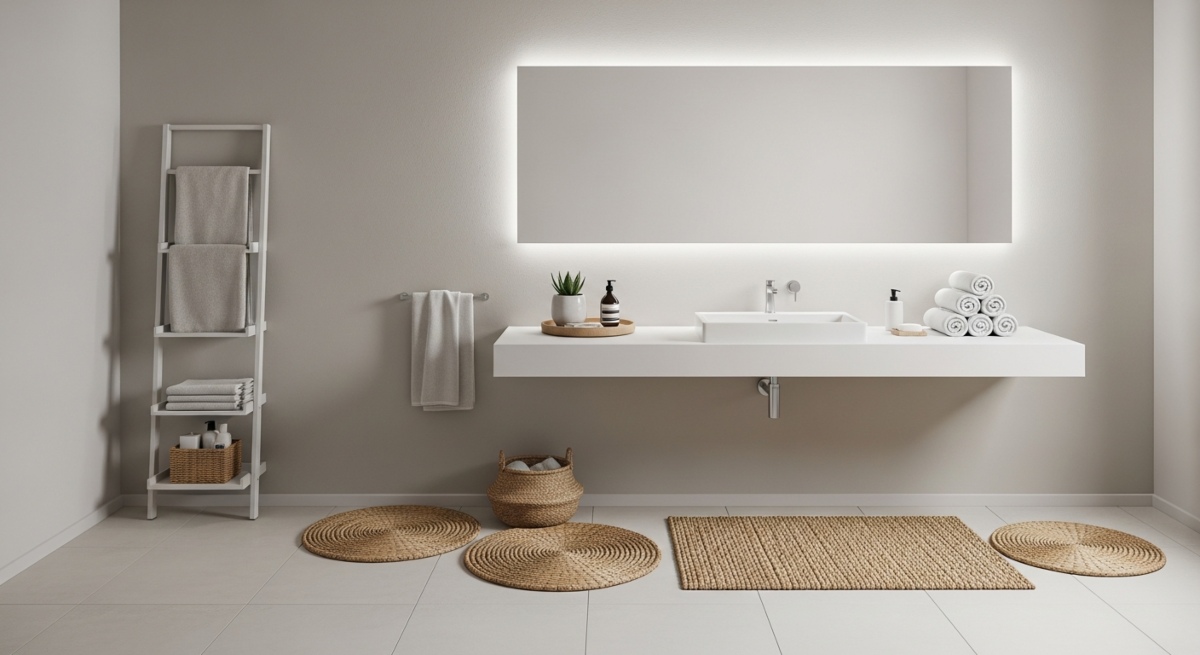
Bath mats with unique designs, non-slip features, and quality construction remain consistent sellers. Bathroom accessories including soap dispensers, toothbrush holders, and towel racks round out bathroom-focused product selection.
Tips for Successful Home Decor Dropshipping
Success in home decor dropshipping requires more than finding products and suppliers. Strategic implementation of proven tactics dramatically increases profitability and competitive advantage.
Niche Down for Differentiation
Rather than selling generic home decor, select a specific style, aesthetic, or customer demographic and build your brand around that niche. A store specializing in boho home decor, minimalist design, or luxury accents will outperform a generic home decor store in most markets.
Narrow niching allows you to create targeted marketing messages, build customer loyalty, and command premium pricing from customers specifically seeking your aesthetic.
Emphasize Visual Marketing
Home decor is inherently visual, making Instagram and Pinterest essential marketing channels. Invest in high-quality product photography, styling inspiration content, and user-generated content campaigns. Create lifestyle images showing products in beautifully decorated spaces rather than plain product shots.
Reels and video content showing home transformation before and after scenarios perform exceptionally well. Consider collaborating with interior design influencers and home aesthetic accounts.
Build a Cohesive Brand Aesthetic
Successful home decor stores present a cohesive visual brand across all touchpoints. Your website, product selection, photography, and marketing materials should all reflect a consistent aesthetic and brand story. This cohesion builds customer trust and justifies premium pricing.
Optimize Product Descriptions with Keywords
Write detailed product descriptions that answer customer questions while incorporating relevant keywords for SEO. Include dimensions, materials, care instructions, and style compatibility information. Descriptions should paint a picture of how the product fits into a customer’s home.
Offer Bundled Collections
Increase average order value by creating themed collections. Bundle complementary products, for example, a “boho bedroom set” combining throw pillows, tapestry, and fairy lights. Bundles encourage customers to purchase multiple items while simplifying their decision-making process.
Provide Excellent Customer Service
In dropshipping, customer service becomes your primary competitive advantage since you don’t control manufacturing or shipping. Respond quickly to inquiries, handle returns generously, and exceed customer expectations. Excellent service builds customer loyalty and generates positive reviews that drive future sales.
Test Trending Products Strategically
Home decor trends evolve continuously. Establish a product testing process where you add new trending items in small quantities. Monitor performance and scale successful products while removing underperformers. This approach reduces the risk of being stuck with unpopular inventory.
Leverage Social Commerce
Platforms like Instagram Shop and Pinterest Shopping enable direct product sales from social media. Set up shopping features on your social accounts to reduce friction in the purchasing process. Many home decor shoppers discover and purchase products directly from social platforms.
Partner with Reliable Suppliers
Quality inconsistency from unreliable suppliers damages your brand reputation. Build relationships with suppliers who prioritize quality, offer reasonable return rates, and communicate transparently. Start with small orders to test supplier reliability before scaling.
Invest in SEO and Content Marketing
Create blog content around home decor trends, design tips, and styling guides. Answer customer questions like “How to decorate a small apartment” or “Modern farmhouse design ideas.” This content attracts organic search traffic and establishes your brand as an authority.
Home Decor Dropshipping FAQs
Is Dropshipping Home Decor Profitable?
Yes, home decor dropshipping is highly profitable when executed strategically. The niche offers margins ranging from 200 to 400 percent on many items, consistent year-round demand, and broad customer appeal. However, profitability depends on niching effectively, selecting quality suppliers, implementing strategic marketing, and providing excellent customer service.
Many home decor dropshippers report monthly revenues ranging from $2,000 to $10,000+ within six to twelve months of launching their stores. Success requires treating dropshipping as a legitimate business rather than a get-rich-quick scheme.
Can You Make $2,000 a Month Dropshipping Home Decor?
Absolutely. Many home decor dropshippers make $2,000 monthly within three to six months of launching. Achieving this income level requires approximately 40 to 60 sales monthly at average order values of $35 to $50. With proper product selection, niche targeting, and marketing implementation, $2,000 monthly is achievable for committed entrepreneurs.
Success factors include selecting trending products, implementing multi-channel marketing combining SEO, social media, and paid advertising, and continuously optimizing based on performance data.
What is the Most Profitable Item to Dropship?
Profitability varies based on margins, demand, and competition. Within home decor, high-margin items that consistently perform well include:
Statement furniture accents like mid-century armchairs and designer coffee tables command high prices with strong margins. Modern lighting fixtures, particularly LED pendant lights and statement lamps, offer excellent margin potential. Luxury textiles including high-end throw pillows, designer blankets, and premium rugs support premium pricing. Custom or print-on-demand items like personalized wall art, custom throw pillows, and branded home goods offer competitive advantages through differentiation.
The “most profitable” item for your store depends on your niche, target audience, and marketing capabilities. Test multiple products to determine what resonates with your specific customer base.
What Should You Name Your Home Decor Dropshipping Store?
Effective store names clearly communicate your niche and brand positioning. Examples of strong names include:
For boho specialists: “Bohemian Sanctuary,” “Boho & Beyond,” “Tribal Haven” For minimalist designs: “Minimal Living,” “The Minimalist Home,” “Clean Spaces Co.” For luxury positioning: “Luxe Home Collective,” “Premium Living Studio,” “Elegant Spaces” For sustainability focus: “Eco Home Studio,” “Sustainable Living Co.”
Strong names are memorable, easy to spell, communicable over the phone, and available as domain names and social media handles. Avoid generic names like “Home Decor Store” in favor of branded names that communicate your unique positioning.
Read more: 200+ dropshipping business name ideas to shine in 2026
How Long Does Shipping Take for Home Decor Dropshipping?
Shipping times vary significantly based on supplier location. AliExpress suppliers typically ship from China, taking 15 to 45 days. US-based suppliers like TopDawg offer 1 to 3 day shipping. European suppliers generally require 7 to 14 days.
Successfully managing customer expectations involves clearly displaying estimated shipping times during checkout and communicating proactively if delays occur. Many successful dropshippers combine multiple suppliers with different shipping speeds to offer customers options.
Do I Need a Business License to Start Home Decor Dropshipping?
Requirements vary by location. Most jurisdictions require business registration, tax identification numbers, and sales tax collection for e-commerce businesses. Consult with local business authorities or a business attorney to ensure full compliance.
Operating without required licenses and tax compliance creates legal and financial risks that outweigh any short-term savings.
How Do I Handle Returns and Refunds in Dropshipping?
Establish clear return policies that balance customer satisfaction with business viability. Many successful dropshippers offer 30-day returns for defective items while charging return shipping to customers for change-of-mind returns.
Build supplier relationships where they handle defective items, eliminating unnecessary costs. Excellent initial product quality reduces return rates substantially.
What Marketing Channels Work Best for Home Decor Dropshipping?
Most successful home decor dropshippers use multi-channel marketing combining:
Instagram and Pinterest for visual product discovery and inspiration content. Facebook ads targeting home enthusiasts and interior design followers. SEO and blog content answering customer questions. Email marketing to build customer lists for repeat purchases and promotions. TikTok content featuring home transformations and styling tips. Influencer collaborations with interior design and lifestyle accounts.
Testing different channels identifies which generate the best ROI for your specific store and audience.
How Much Money Do I Need to Start Home Decor Dropshipping?
Home decor dropshipping requires minimal startup investment compared to traditional retail. Most entrepreneurs launch with $500 to $1,500 covering:
Shopify store setup: $29 to $299 monthly. Domain name: $10 to $15 annually. Initial product sourcing and testing: $100 to $300. Marketing budget for initial traffic generation: $200 to $1,000.
Starting small and reinvesting profits into scaling marketing efforts reduces financial risk and allows for sustainable business growth.
Conclusion
Home decor dropshipping represents one of the most accessible and profitable e-commerce niches for aspiring entrepreneurs. The combination of consistent demand, broad customer appeal, strong margin potential, and visual marketing alignment creates ideal conditions for business success.
Success requires selecting quality suppliers, niching your brand for differentiation, implementing strategic marketing across multiple channels, and continuously optimizing based on performance data. While profitability isn’t guaranteed, committed entrepreneurs following proven strategies regularly achieve $2,000 to $10,000+ monthly income from home decor dropshipping.
Start by selecting your niche, identifying 3 to 5 quality suppliers, and launching your store with carefully selected products. Build your audience through content marketing and social media, test products systematically, and scale what works. The home decor dropshipping opportunity awaits entrepreneurs ready to execute strategically and provide excellent customer service.