This guide explains how fulfillment centers work, why they matter for small businesses in 2026, how to choose the right partner and which providers are best suited for small and startup brands.
What is a fulfillment center
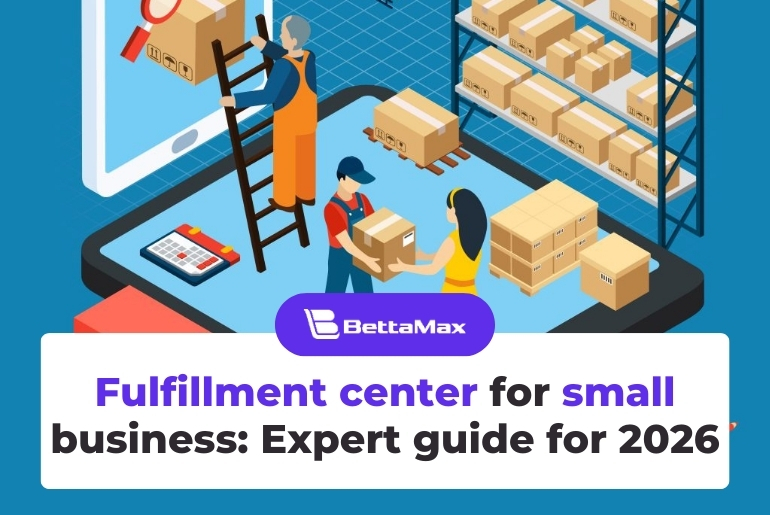
A fulfillment center is a specialized logistics facility that stores inventory and handles order processing on behalf of ecommerce businesses. This includes receiving products, inventory storage, picking items, packing orders, shipping parcels, and often managing returns.
For a deeper explanation, read the full guide here: What is a fulfillment center? Definitions, how it works and why it matters

Unlike traditional warehouses that focus on long-term storage, fulfillment centers are designed for fast order turnaround and high order frequency. They are optimized for direct-to-consumer shipping rather than bulk distribution.
7 reasons why small businesses need the right fulfillment center in 2026
A well-matched fulfillment center for small business helps founders reduce operational pressure, control costs, and maintain service quality as order volume increases.
Cost efficiency without fixed overhead
Small businesses avoid long-term leases, warehouse staff salaries, equipment purchases, and software investments. Fulfillment centers spread these costs across many clients, lowering the effective cost per order.

Scalability without operational risk
Order spikes during promotions or seasonal peaks no longer require hiring temporary staff or expanding storage space. Fulfillment centers scale capacity dynamically as order volume grows.
Focus on core business growth
By outsourcing fulfillment, small teams can focus on product development, marketing, and customer experience instead of daily logistics operations.
Faster and more affordable shipping
Most fulfillment centers operate multiple warehouse locations near major population centers. This shortens delivery distance, reduces shipping zones, and lowers carrier costs.
Access to advanced fulfillment technology
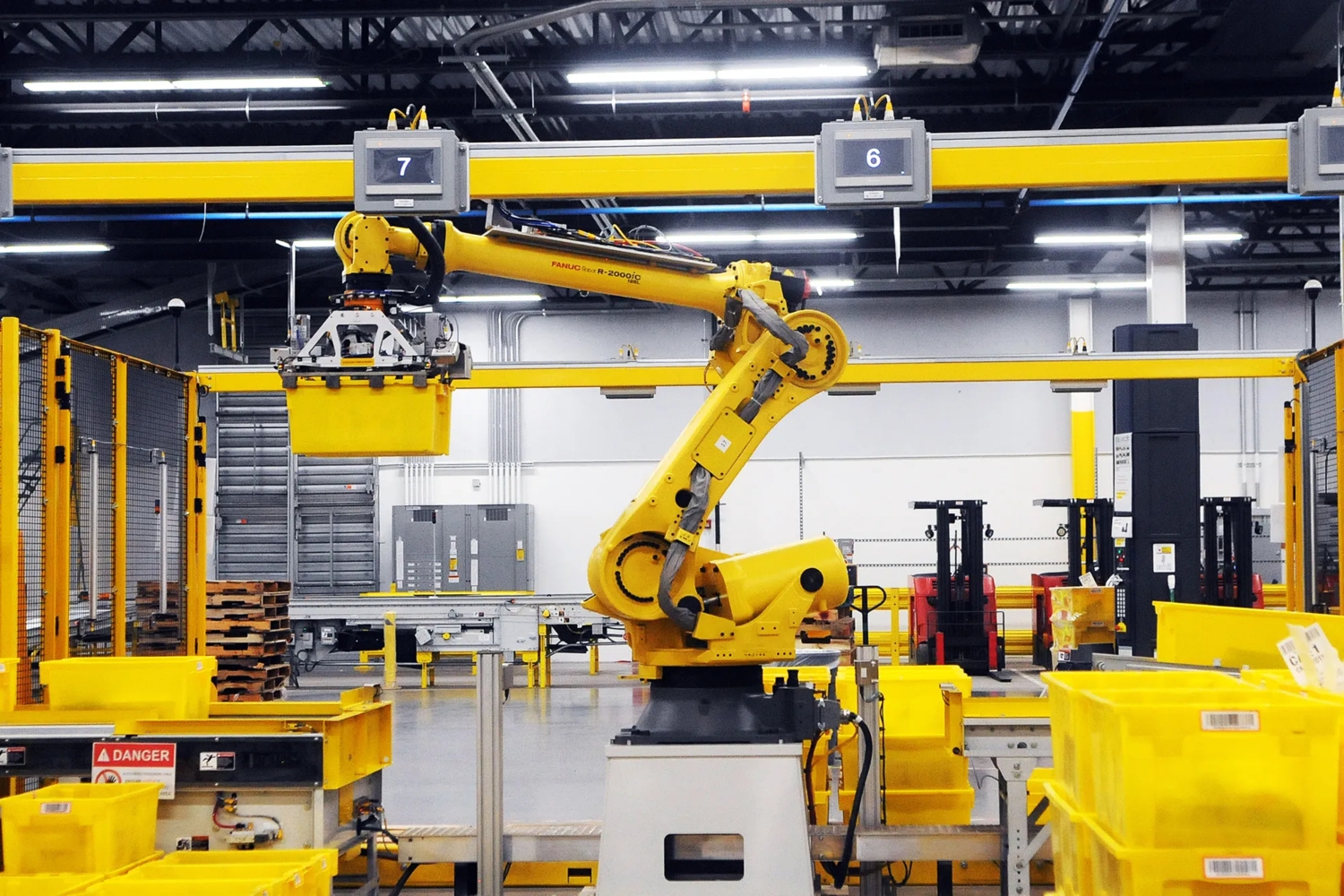
Small businesses gain access to WMS systems, real-time inventory tracking, automated order routing, and performance analytics without capital investment.
Improved customer experience
Higher pick accuracy, faster delivery, and transparent tracking reduce customer complaints and returns while increasing repeat purchases.
Specialized expertise and services
Fulfillment partners bring operational experience and offer value-added services such as kitting, custom packaging, subscription assembly, and reverse logistics.
How to choose the right fulfillment partner in 2026
Understand your operational baseline
Know your average order volume, SKU count, order size, and shipping destinations before engaging with any provider.
Conduct a fulfillment needs audit
Identify pain points such as delayed shipping, inventory inaccuracies, high labor costs, or lack of space.
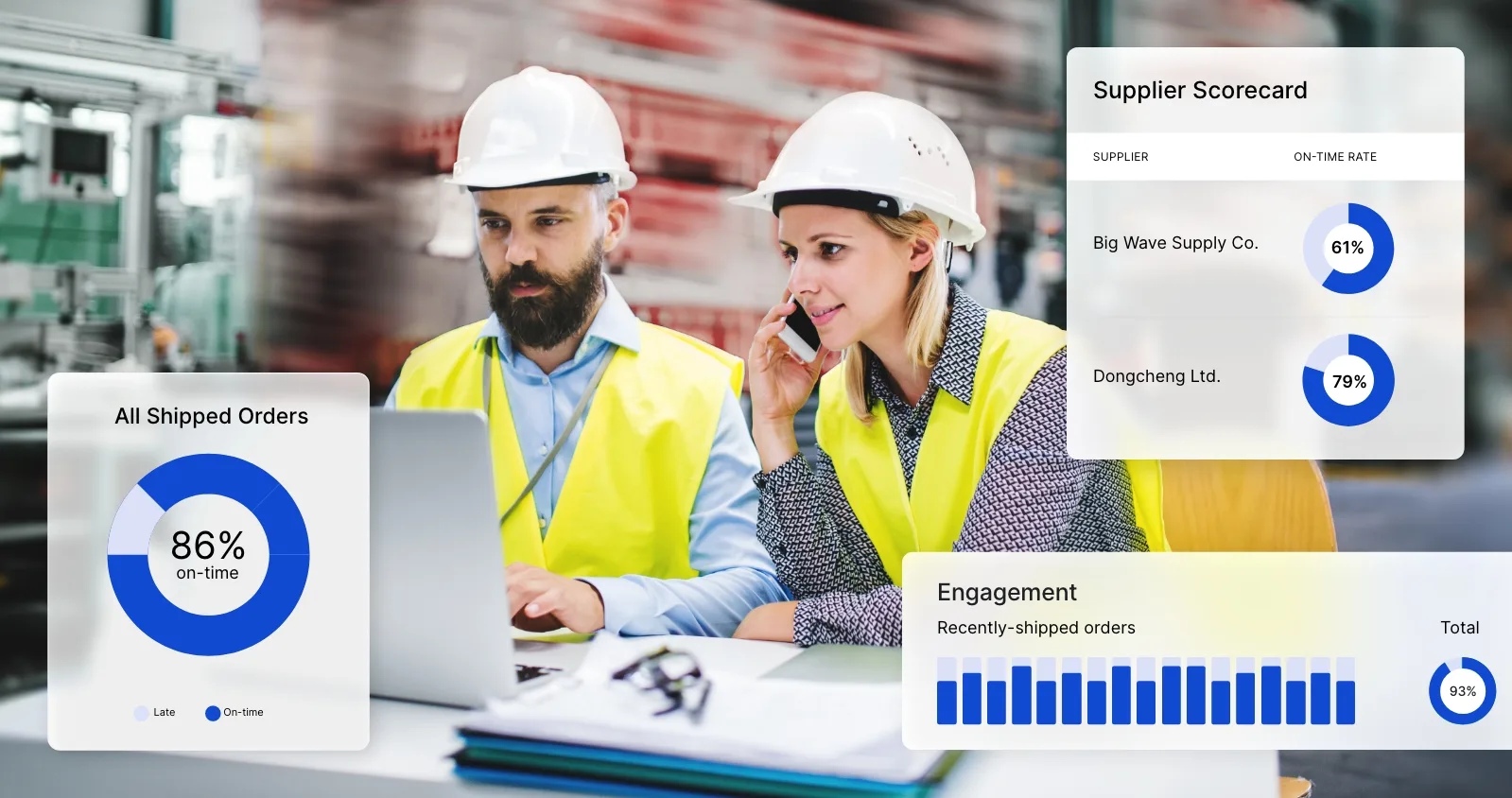
Evaluate experience and reputation
Look for fulfillment partners with proven experience in your product category and business size.
Consider geographic distribution
Warehouse proximity to your customer base directly impacts delivery speed and shipping cost.
Look for transparent pricing models
Request itemized pricing for receiving, storage, pick and pack, shipping, returns, and platform fees.
Review technology and integrations
Ensure seamless integration with your ecommerce platforms such as Shopify, WooCommerce, Amazon, or marketplaces.
Assess scalability and customization
Your fulfillment partner should support growth, seasonal peaks, and optional services without forcing contract renegotiations.
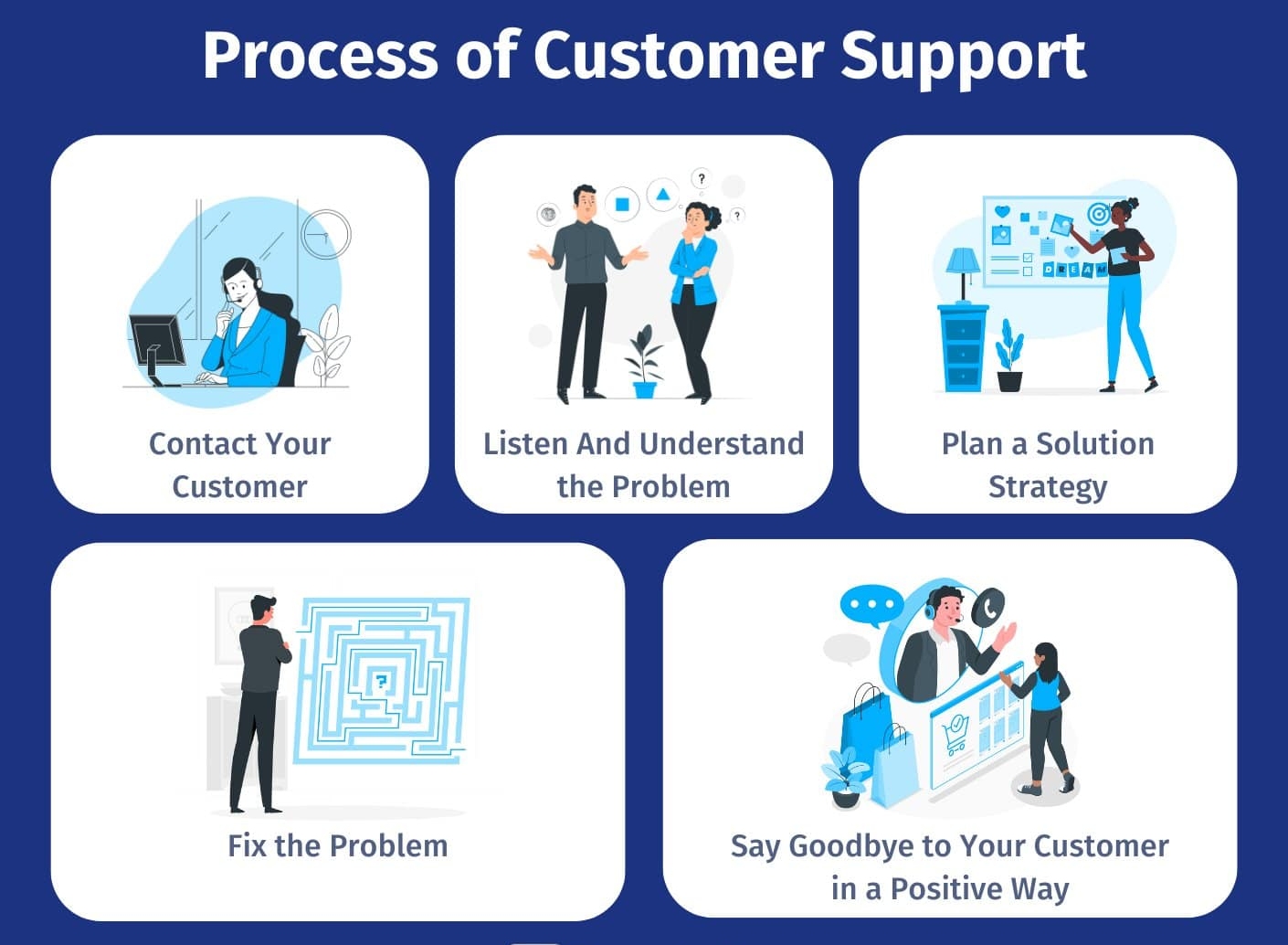
Understand customer support structure
Dedicated account managers and clear escalation paths are critical for small businesses.
Evaluate value-added services
Kitting, branded packaging, inserts, and subscriptions may become important as your brand evolves.
Review returns management capabilities
Returns are costly. A good partner handles inspections, restocking, and reporting efficiently.
Top 10 best fulfillment centers for small businesses (expert picks).
Based on expert analysis and real-world SMB use cases, the following list highlights each fulfillment center for small business that offers the best balance of cost control, scalability, and operational reliability.
For a broader comparison of providers, see: Top 10 best ecommerce fulfillment companies in 2026
ShipBob
ShipBob is one of the most widely used fulfillment providers for small and fast-growing ecommerce businesses. With a large network of fulfillment centers across the US, Europe, and Asia, ShipBob helps brands reduce shipping times by positioning inventory closer to customers.

Pros
- Nationwide and international warehouse network
- Strong integrations with Shopify, WooCommerce, Amazon, and marketplaces
- User-friendly dashboard with real-time inventory tracking
Cons
- Less cost-effective for very low order volumes
- Additional fees for advanced kitting or customization
Why it fits small businesses
ShipBob is ideal for small businesses scaling beyond in-house fulfillment and looking for a reliable, tech-driven fulfillment center for small business growth.
Red Stag Fulfillment
Red Stag Fulfillment is known for handling large, heavy, and high-value products with exceptional accuracy. It is especially popular among ecommerce businesses selling furniture, appliances, and oversized goods.

Pros
- Extremely high accuracy rates (often 99%+)
- Specialized handling for bulky or fragile items
- Strong customer support and performance reporting
Cons
- Higher base pricing compared to general providers
- Not optimized for lightweight or low-margin products
Why it fits small businesses
Small businesses selling oversized or premium products benefit from Red Stag’s expertise, reducing costly returns and damaged shipments.
Fulfillment by Amazon (FBA)
Fulfillment by Amazon (FBA) allows sellers to store inventory in Amazon’s fulfillment centers and leverage Prime shipping. Amazon handles storage, picking, packing, shipping, and customer service.
Pros
- Access to Amazon Prime customers
- Extremely fast delivery speeds
- Massive global fulfillment infrastructure
Cons
- Limited branding and customization options
- Storage penalties for slow-moving inventory
Why it fits small businesses
FBA works well for small businesses focused on Amazon sales that prioritize speed and visibility over brand control.
FedEx Corp
FedEx offers fulfillment and logistics services backed by one of the world’s largest shipping networks. Its fulfillment solutions are often integrated with broader transportation and supply chain services.
Pros
- Global shipping and logistics expertise
- Reliable delivery performance
- Strong carrier infrastructure
Cons
- Less ecommerce-focused software compared to modern 3PLs
- Can be expensive for smaller brands
Why it fits small businesses
FedEx is suitable for small businesses with international shipping needs or those already using FedEx extensively for transportation.
Shopify Fulfillment Network (SFN)
Shopify Fulfillment Network is built specifically for Shopify merchants, offering seamless integration and simplified order management.
Pros
- Native integration with Shopify stores
- Simple inventory and order synchronization
- Fast delivery within major markets
Cons
Limited availability outside the Shopify ecosystem
Smaller network compared to standalone 3PLs
Why it fits small businesses
SFN is ideal for Shopify-based small businesses that want a tightly integrated fulfillment solution without complex setup.
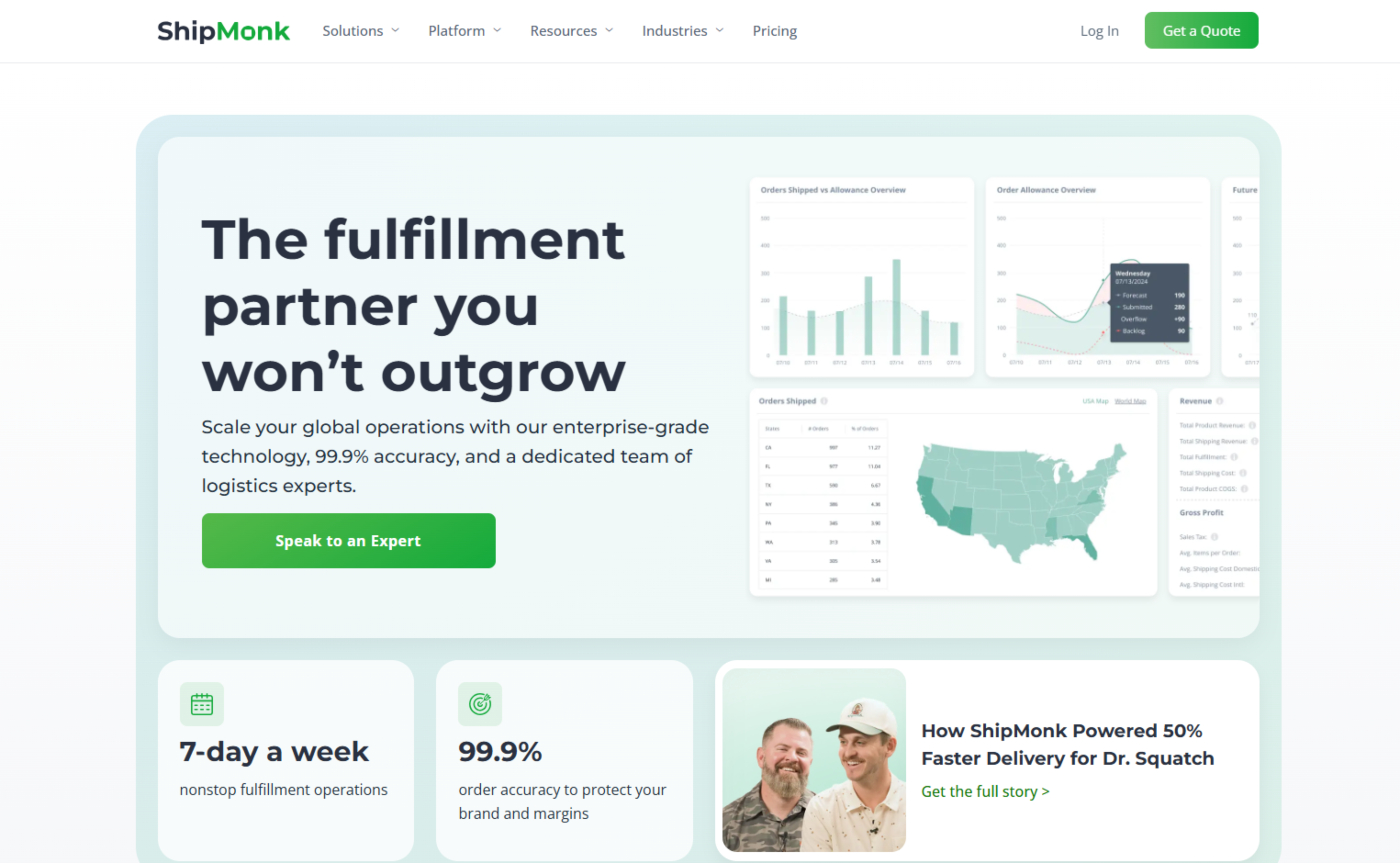
ShipMonk
ShipMonk provides flexible fulfillment solutions for DTC brands, with strong support for kitting, bundling, and subscription boxes.
Pros
- Tiered pricing suitable for growing businesses
- Custom packaging and kitting services
- Good platform integrations
Cons
- Advanced features may require longer contracts
- Interface can be complex for beginners
Why it fits small businesses
ShipMonk is a strong choice for small businesses planning to scale and add more complex fulfillment workflows over time.
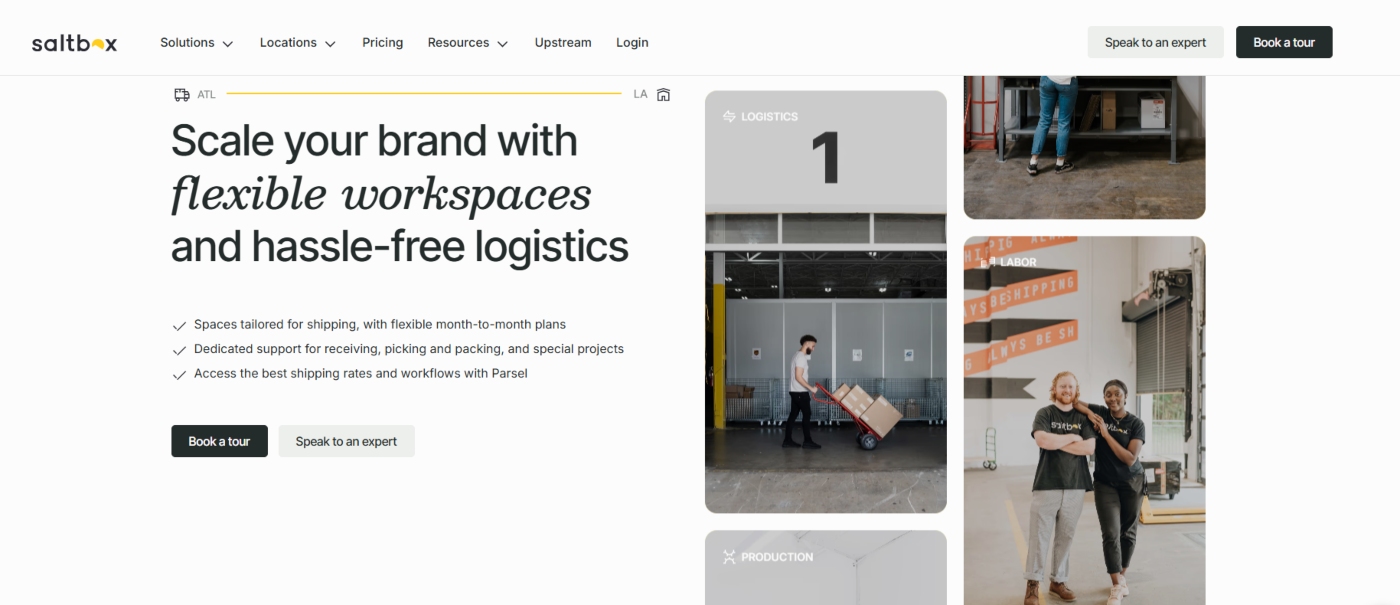
Saltbox
Saltbox combines fulfillment services with flexible warehouse space, creating a hybrid model between self-fulfillment and 3PL outsourcing.
Pros
- Flexible warehouse leasing model
- Community-focused support for entrepreneurs
- Good for hands-on fulfillment control
Cons
- Limited geographic coverage
- Not fully hands-off like traditional 3PLs
Why it fits small businesses
Saltbox suits small businesses that want more control over inventory while still benefiting from professional fulfillment infrastructure.
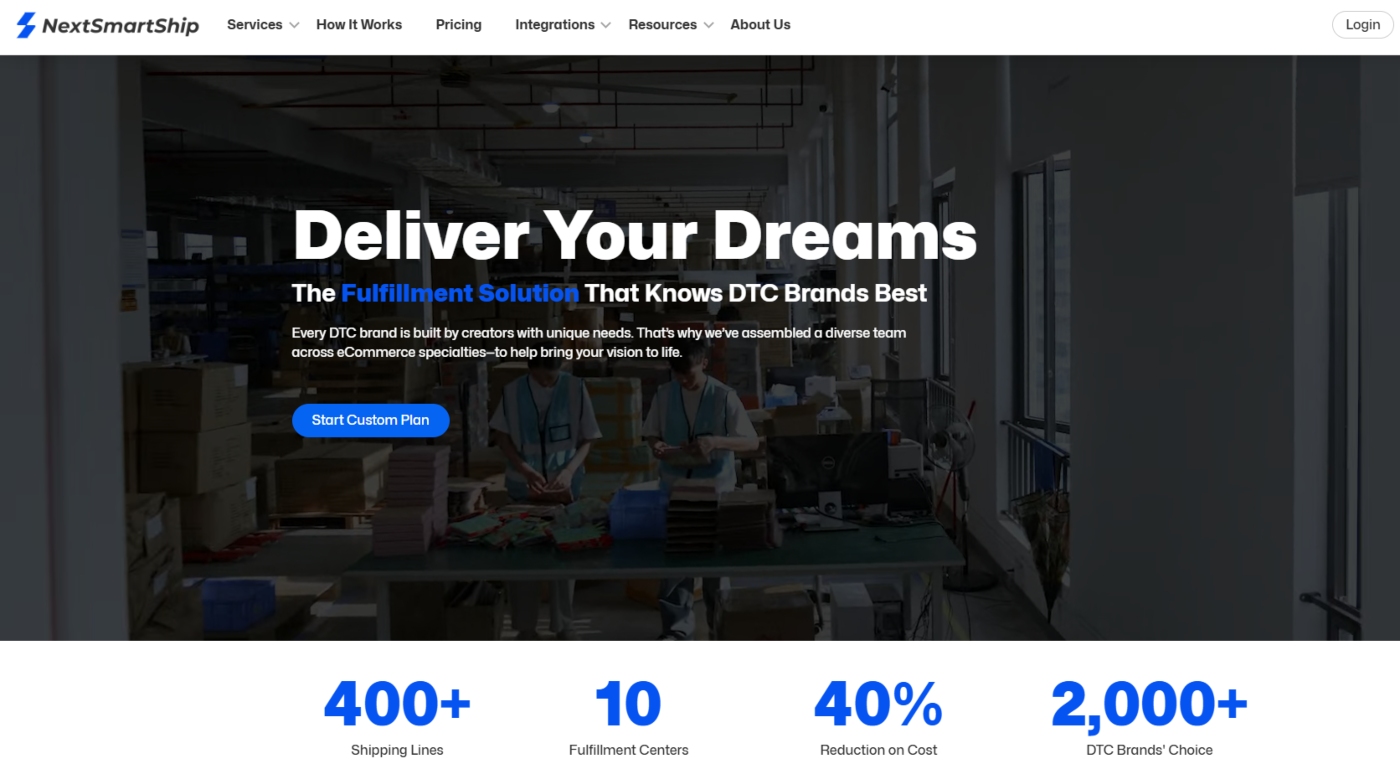
NextSmartShip
NextSmartShip focuses on cross-border and international ecommerce fulfillment, particularly for brands shipping from Asia to global markets.
Pros
- Strong international and cross-border expertise
- Competitive shipping rates for global orders
- Good support for DTC brands selling worldwide
Cons
- Less suitable for purely domestic fulfillment
- Limited brand recognition compared to US-based 3PLs
Why it fits small businesses
NextSmartShip is ideal for small businesses expanding into international markets without building their own global logistics network.
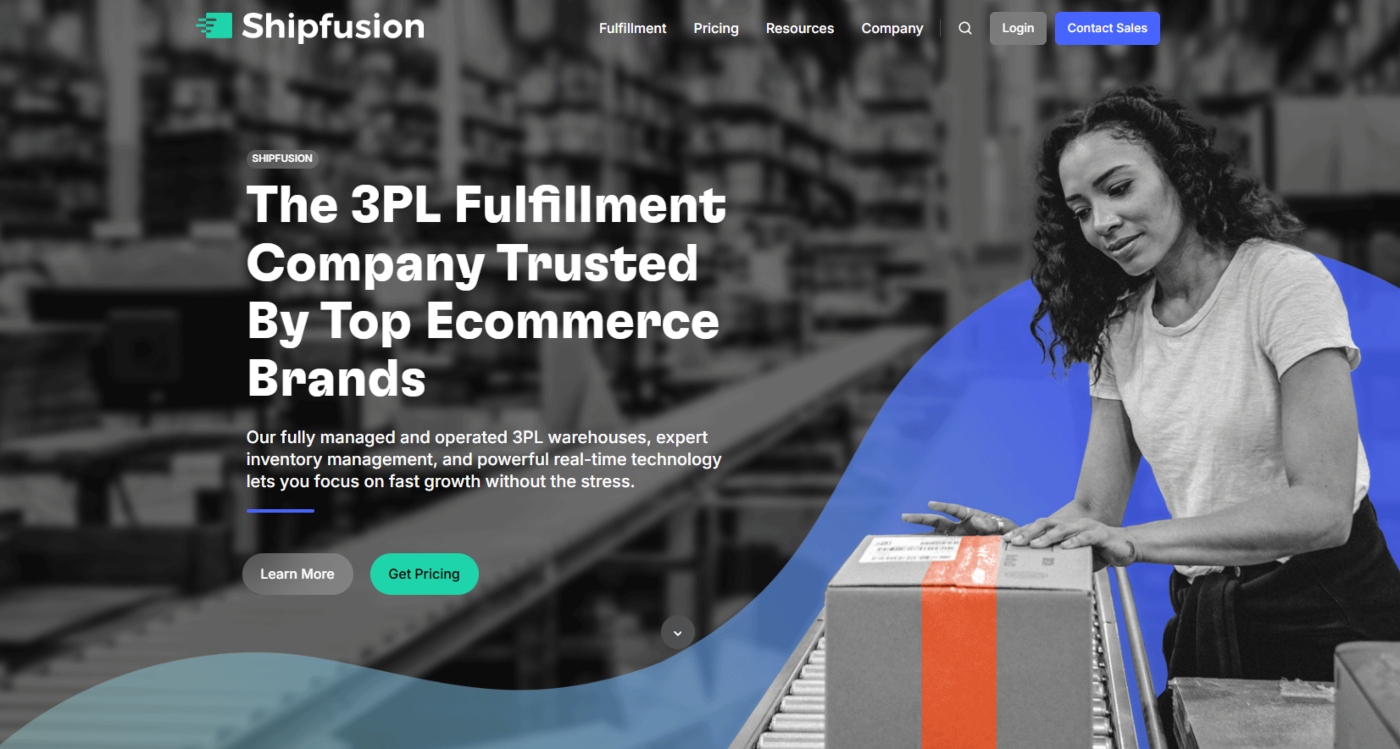
Shipfusion
Shipfusion provides fulfillment services with an emphasis on accuracy, security, and advanced inventory management.
Pros
- High order accuracy
- Strong warehouse security and compliance
- Good reporting and analytics
Cons
- Pricing can be higher for low volumes
- Smaller warehouse network
Why it fits small businesses
Shipfusion is a good fit for small businesses selling regulated, high-value, or sensitive products that require reliable handling.
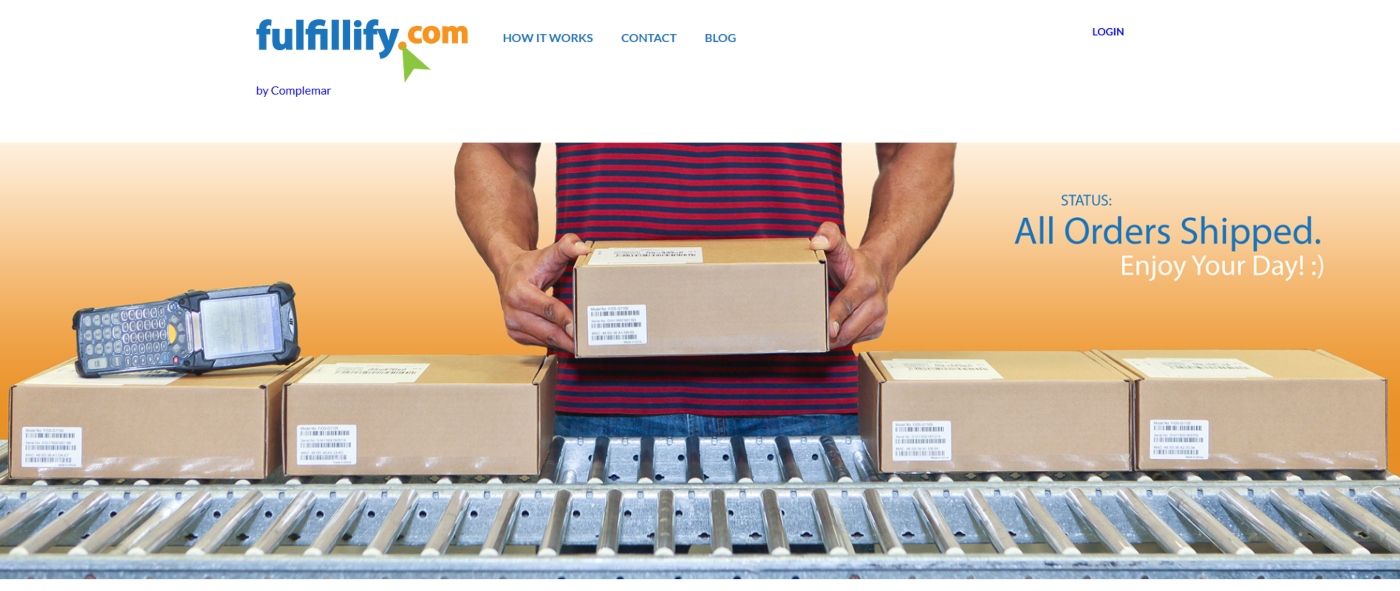
Fulfillify
Fulfillify is a US-based fulfillment provider focused on simplicity and flexibility for ecommerce brands.
Pros
- Straightforward onboarding
- Competitive pricing for small to mid-sized brands
- Reliable standard fulfillment services
Cons
- Fewer advanced automation features
- Limited international coverage
Why it fits small businesses
Fulfillify works well for small businesses looking for a dependable fulfillment center for small business operations without unnecessary complexity.
FAQs about fulfillment center for small business
When should a small business use one
When logistics consumes too much time, order volume increases, errors grow, or faster shipping becomes critical.
Will the fulfillment center integrate with my ecommerce platform
Most modern providers integrate with Shopify, WooCommerce, BigCommerce, Amazon, and more.
How much does it cost to use a fulfillment center
Costs include storage, pick and pack, packaging, and shipping. Rates vary by volume and product type.
How do I track inventory in real time
Most fulfillment centers offer dashboards synced with your ecommerce system.
Can I use a fulfillment center for international sales
Yes. Many providers support cross-border shipping and customs handling.
Conclusion
Choosing the right fulfillment center for small business is a strategic decision that directly affects growth, profitability, and customer experience. As competition intensifies in 2026, small businesses that outsource fulfillment intelligently gain speed, flexibility, and operational resilience.
By understanding your needs, comparing providers carefully, and selecting a partner aligned with your growth stage, fulfillment becomes a competitive advantage rather than a bottleneck.