This guide covers everything you need to succeed in dropshipping shoes in 2026: whether the niche is profitable, which shoe categories perform best, the top suppliers for US and global markets, a step-by-step setup guide, and the legal pitfalls to avoid. Whether you are starting your first dropshipping store or adding shoes to an existing catalog, this is the resource that will help you get it right.
Is Dropshipping Shoes Profitable in 2026?
Yes. Dropshipping shoes is profitable in 2026 for sellers who approach the niche with the right product selection, supplier relationships, and marketing strategy. The category has several structural advantages that make it particularly well-suited to the dropshipping model. Tracking dropshipping trends shows footwear consistently performing among the top eCommerce categories year over year, with no sign of slowing.
Let’s look at the numbers. A pair of women’s fashion sneakers sourced from a dropshipping supplier at $18 to $25 can retail comfortably at $55 to $80. Athletic running shoes sourced at $35 to $50 can command $95 to $140 at retail. Luxury fashion footwear sourced through specialized suppliers can support even wider margins. Gross margins in the shoe dropshipping niche typically range from 40% to 60% on fashion and lifestyle footwear, which compares favorably with most other apparel and accessories categories.
The main challenges specific to shoe dropshipping are sizing complexity, return rates, and counterfeit risk. Shoes are a size-sensitive product: a customer who orders the wrong size will return it, which generates operational cost and friction. This is why optimizing your dropshipping profit margin in this niche requires building accurate, detailed size guides into every product listing and choosing suppliers whose size charts are reliable and consistent.
Return rates for shoes online average 20 to 25%, which is higher than general merchandise but lower than clothing. The key to managing this is product presentation quality: accurate size charts, detailed product descriptions, multiple angles of photography, and clear material specifications all reduce return-driven friction and protect your margin.
Profitability Snapshot Shoe Dropshipping Margins
Fashion sneakers: buy at $18-25, sell at $55-80 (55-65% gross margin). Athletic shoes: buy at $35-50, sell at $95-140 (50-60% margin). Luxury footwear: margins vary but per-unit profit can be substantial with the right supplier.
6 Best Shoe Categories for Dropshipping in 2026
Not all footwear categories are equally suited to dropshipping. The best choices combine high demand, manageable sizing complexity, strong visual appeal for social media marketing, and supplier availability. Here are the categories consistently generating the best results:
1. Women’s Fashion Sneakers and Casual Shoes
Women’s fashion footwear is the highest-volume, highest-demand segment in shoe dropshipping. Casual sneakers, slip-ons, platform shoes, and fashion boots all perform strongly across Facebook, Instagram, TikTok, and Pinterest. The category benefits from frequent trend cycles that create new product opportunities, and the target demographic (women 18 to 45) is among the most active online shoppers in any category.
Best sub-categories: chunky platform sneakers, aesthetic lace-up boots, minimalist slip-ons, color-block athletic shoes. The visual nature of fashion footwear makes it ideal for paid social advertising and influencer marketing. For more on social-first product ideas for fashion-forward niches, our product ideas guide covers related apparel opportunities that pair naturally with shoe dropshipping.
2. Men’s Athletic and Performance Shoes
Men’s athletic footwear, including running shoes, cross-training shoes, and sport-specific footwear, is a large and growing category driven by the continued expansion of health and fitness culture. The demographic skews toward men 20 to 45 who are active online and willing to pay premium prices for performance credibility. Accurate product information is essential for this sophisticated, size-conscious buyer.
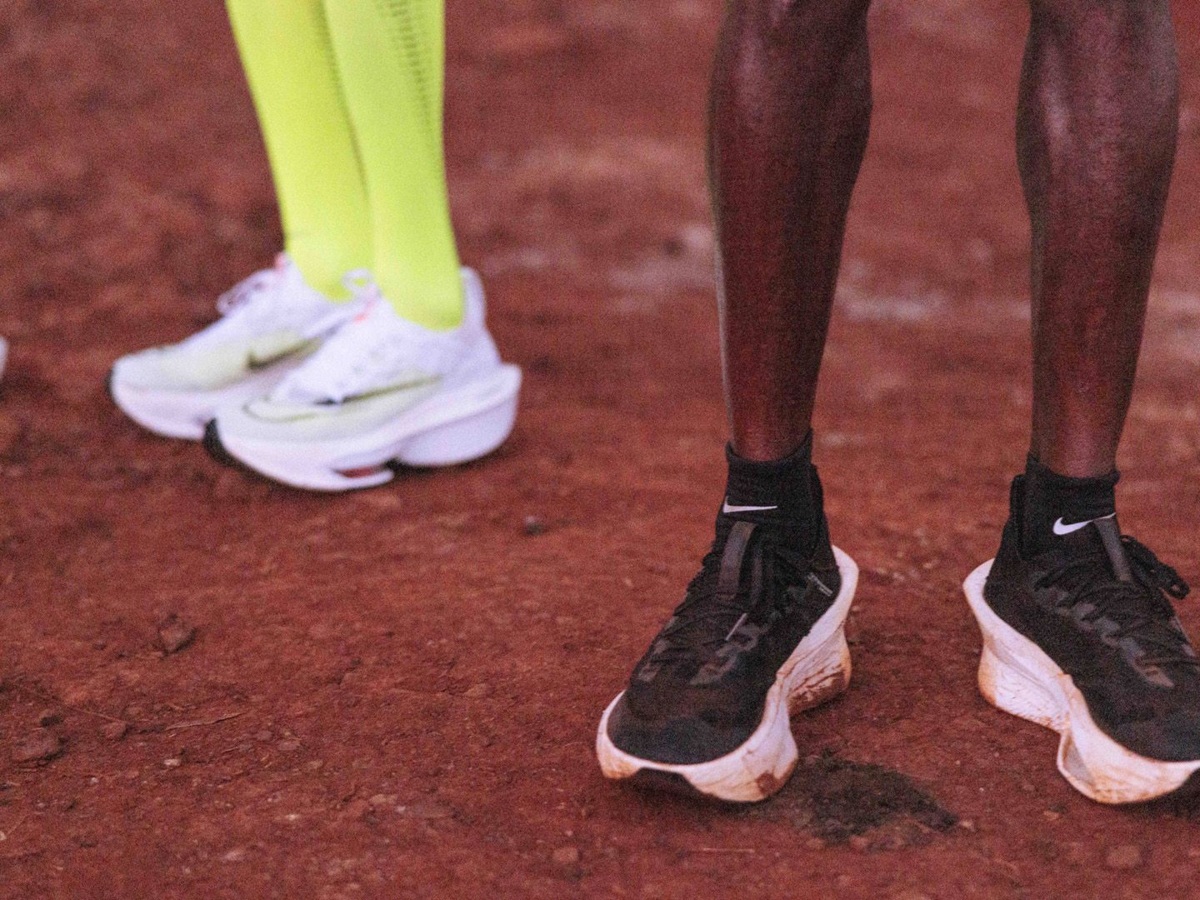
Best sub-categories: running shoes with cushioning features, minimalist training shoes, hiking-oriented sneakers, and outdoor trail shoes. This category pairs naturally with dropshipping fitness products for stores building a broader fitness and active lifestyle catalog.
3. Unisex and Lifestyle Sneakers
Unisex lifestyle sneakers occupy the sweet spot between fashion and function that drives the highest conversion rates in shoe dropshipping. Styles inspired by retro athletic aesthetics, street culture, and minimalist design have broad appeal across genders and age groups. They are easier to market than gender-specific categories because a single ad can reach a wider audience.
Best sub-categories: canvas sneakers, clean white leather-look sneakers, retro running-inspired silhouettes, and slip-on canvas. These styles have low seasonal dependency, making them suitable for always-on product listings rather than seasonal campaigns.
4. Kids’ Shoes
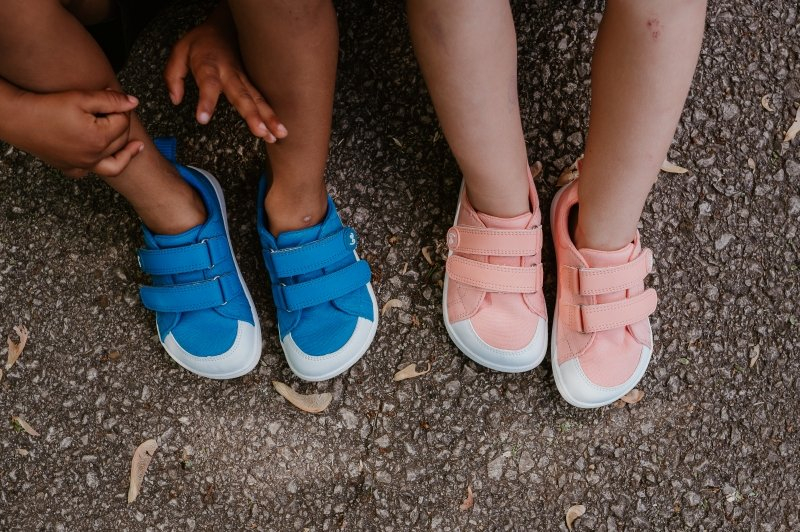
Children’s footwear is an evergreen category with year-round demand, driven by the need for growing children to replace shoes regularly. The emotional purchase triggers for parents (safety, comfort, school requirements) create high-intent buying behavior. Kids’ shoes have simpler size structures than adult footwear, which reduces return complexity. The category benefits from school season peaks in August and September and holiday gift-giving spikes.
5. Work Boots and Occupational Footwear
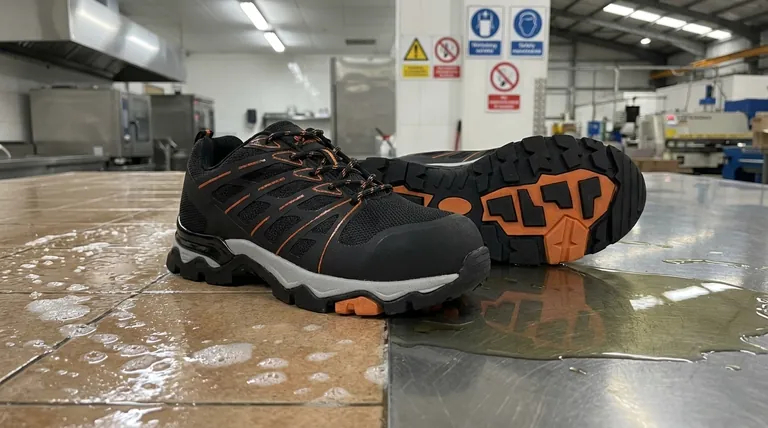
Work boots and safety footwear serve buyers with a functional need rather than a fashion preference, creating equally strong purchase motivation. The target customer knows exactly what they need, searches with high intent, and is generally less price-sensitive than fashion buyers when the product credibly delivers the required safety or comfort specification. Margins in this segment are strong and competition from pure fashion-focused dropshippers is lower.
6. Sandals and Seasonal Footwear
Sandals, flip-flops, and warm-weather casual footwear generate strong seasonal peaks and benefit from highly visual marketing opportunities. The simpler construction of sandals compared to closed-toe shoes often means lower wholesale pricing and better margin potential. One-size-fits-most styles with adjustable straps reduce sizing complexity significantly.
Shoe Dropshipping: Product Categories to Avoid
Not all footwear is appropriate for dropshipping. Certain categories carry legal, logistical, or reputational risks that are disproportionate to their potential profit:
- Counterfeit branded shoes: Never source or sell shoes represented as Nike, Adidas, New Balance, Gucci, Louis Vuitton, or any other protected brand without authorization. Counterfeit goods are illegal in all major markets. Platform bans, account suspensions, and legal action are real consequences.
- Replica or inspired-by designer shoes: Even shoes that are not explicitly branded but clearly copy the distinctive design of a protected product can infringe trademark or design patent rights. Courts in the US and EU have consistently ruled against sellers of replica footwear regardless of labeling.
- Shoes without proper safety certifications: Children’s shoes in the US must comply with the Consumer Product Safety Improvement Act (CPSIA). Work safety footwear must meet ASTM or equivalent standards if marketed for safety use. Selling non-compliant footwear in these categories creates legal liability.
- High-complexity custom sizing footwear: Custom orthotics, medical footwear, and highly specialized athletic shoes (ski boots, cycling cleats) require expertise in fitting and carry high return rates when sizing guidance is absent.
Legal Warning Branded Footwear
Selling counterfeit Nike, Adidas, Jordan, Gucci, or any other branded shoe is illegal in all major markets. Shopify, Amazon, and eBay actively enforce against this and will permanently ban accounts found selling fake branded goods. Work only with verified suppliers who can confirm the legal status of their inventory.
The 10 Best Dropshipping Shoes Suppliers in 2026
Supplier selection is the foundation of a profitable shoe dropshipping operation. Key criteria: fast shipping to your target market, consistent sizing matching the stated size charts, high-resolution product photography, zero MOQ, and a clear returns policy. Apply these criteria rigorously, and read our guide on how to find winning dropshipping products to understand how to validate specific shoe products before committing advertising budget.
1. CJDropshipping – Best Overall for Variety and Global Fulfillment
CJDropshipping is one of the most widely used global dropshipping platforms and carries an extensive footwear catalog spanning women’s fashion shoes, men’s athletic footwear, children’s shoes, sandals, and boots. It operates warehouses in the US, UK, EU, Canada, and China, enabling faster delivery to major markets than pure China-based suppliers.
Shipping to US: US warehouse: 3 to 7 days; China: 7 to 15 days
MOQ: None
Pricing: Free to join; per-product pricing
Integrations: Shopify, WooCommerce, eBay, Amazon, Etsy, TikTok Shop
Best for: Sellers wanting a large shoe catalog with flexible warehouse options and full platform integration
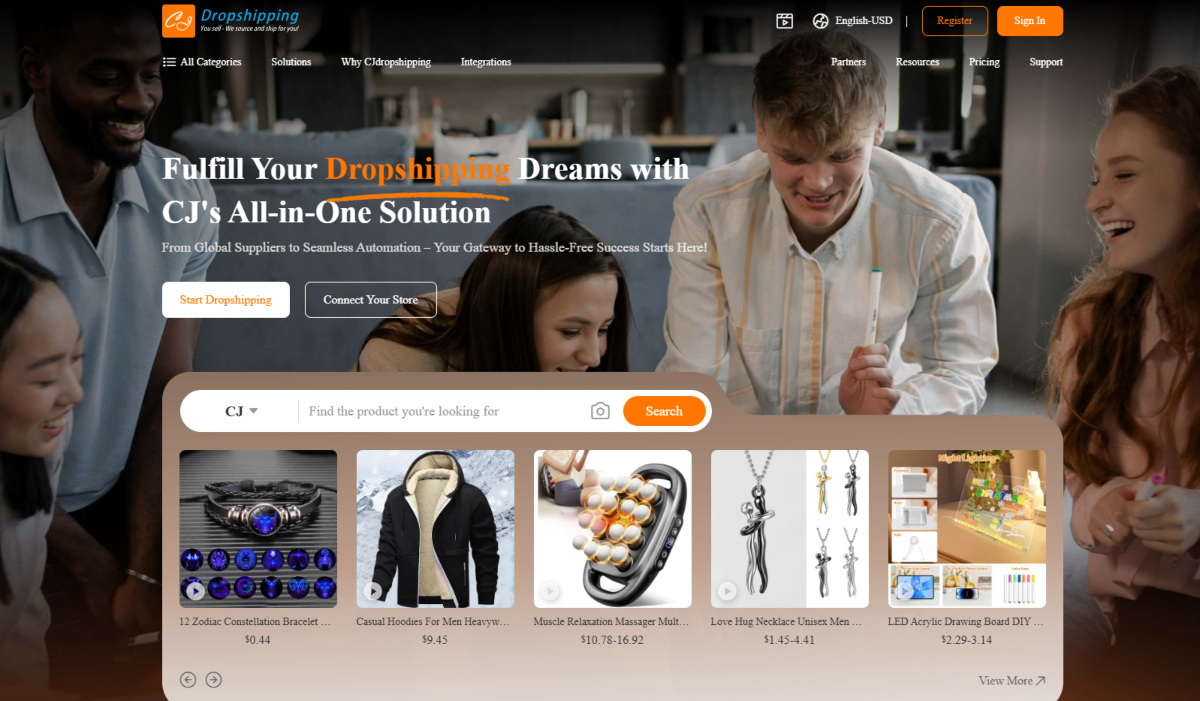
CJDropshipping’s footwear catalog quality varies across suppliers, so thorough product sampling before scaling is essential. The platform supports custom packaging and private labeling at relatively low minimums, making it viable for sellers building a distinct shoe brand identity. For US-focused stores, routing orders through CJ’s US warehouse inventory dramatically improves delivery competitiveness.
2. Spocket – Best for Quality-Vetted Shoes from US and EU Suppliers
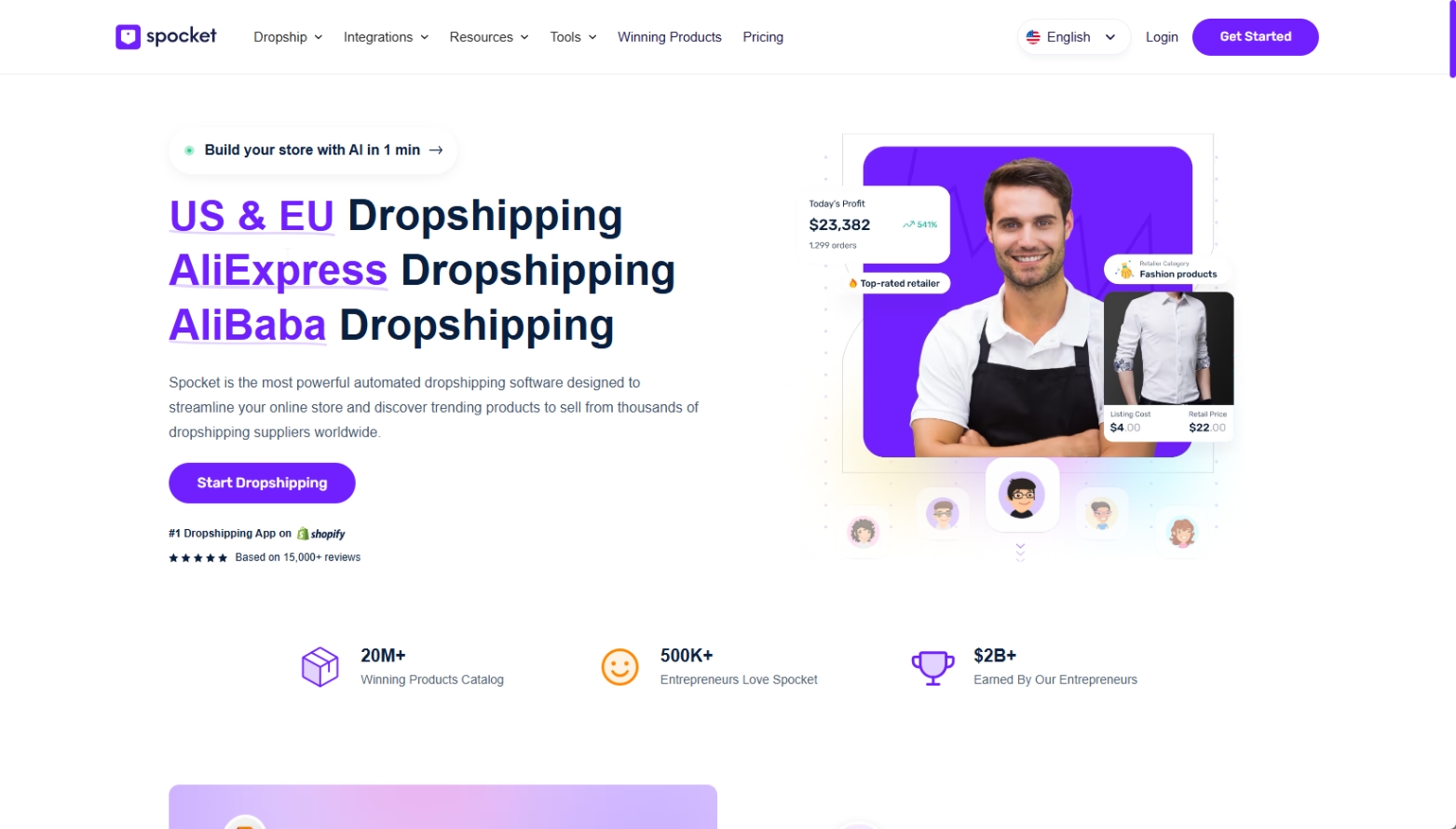
Spocket’s curated supplier network includes footwear suppliers based in the US and EU, making it the strongest option for sellers targeting North American and European customers who expect fast, reliable delivery. Product quality standards on Spocket are consistently higher than on open-catalog platforms.
Shipping to US: 2 to 7 days from US suppliers; EU suppliers 5 to 10 days
MOQ: None
Pricing: Starter free; Basic $39.99/month; Pro $59.99/month
Integrations: Shopify, WooCommerce, Wix, BigCommerce, Squarespace
Best for: Quality-focused stores targeting US and EU customers who demand fast shipping and reliable product quality
Spocket’s branded invoicing feature allows your customers to receive packages branded to your store, which is valuable for building brand recognition in the footwear niche. The subscription cost is justified for stores generating consistent order volume. The free tier provides access to a limited catalog to test before upgrading.
3. AliExpress via DSers – Best for Low-Cost Testing Across the Widest Catalog
AliExpress remains the largest source of dropshipping footwear globally, with hundreds of thousands of shoe listings across every category, style, and price point. When used via the DSers automation platform, it enables efficient order routing, supplier management, and Shopify integration.
Shipping to US: 7 to 20 days standard; expedited options available
MOQ: None
Pricing: Free; DSers free tier covers up to 3 stores
Integrations: Shopify, WooCommerce via DSers
Best for: Testing new shoe styles at low cost before committing to higher-volume dedicated suppliers
AliExpress is best used as a product testing platform rather than a long-term primary supplier for scaling stores. Once a shoe style has been validated through initial sales, sourcing it through a dedicated supplier with US warehouse capabilities dramatically improves delivery times. See our complete AliExpress dropshipping guide for best practices on supplier vetting and product selection.
4. BrandsGateway – Best for Luxury and Designer Footwear
BrandsGateway is the leading supplier for dropshippers who want to sell genuine luxury branded footwear. It carries authenticated shoes, boots, and sneakers from recognized European luxury brands at wholesale prices, giving dropshippers access to inventory with the brand equity and perceived value to command significant markups.
Shipping: International via DHL; typically 5 to 10 business days globally
MOQ: None
Pricing: Monthly subscription from approximately $295/month
Integrations: Shopify, WooCommerce, Wix, BigCommerce
Best for: Sellers targeting affluent buyers who want authentic luxury branded footwear with strong margin potential
BrandsGateway’s authentication process ensures all inventory is genuine, which is critical in the luxury footwear segment where counterfeit risk is highest. The subscription cost requires validated demand to justify, but the per-unit margin on luxury shoes is strong enough to break even at relatively low order volumes.
5. Zendrop – Best for Fast US Fulfillment with Shopify Automation
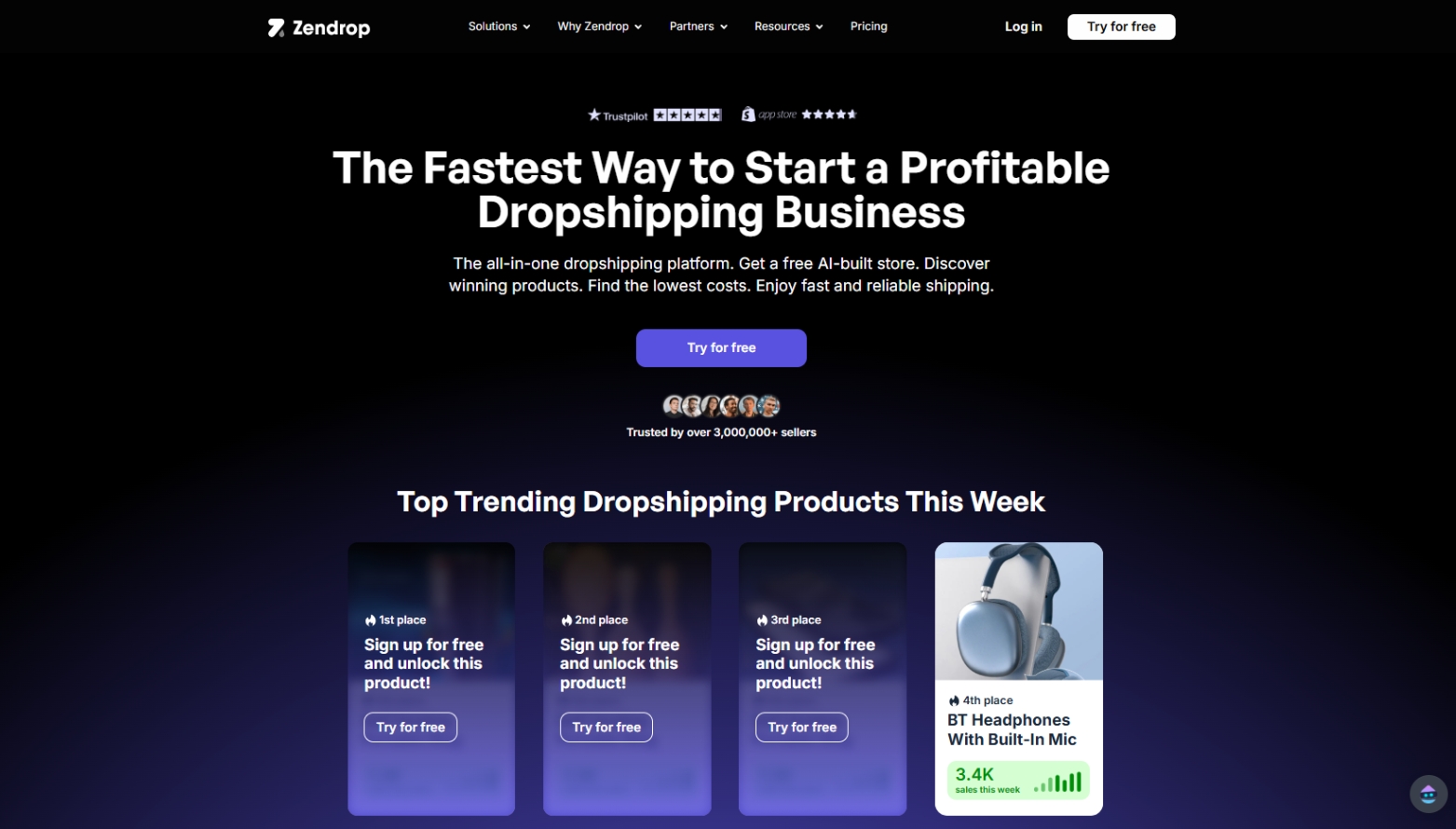
Zendrop has built a strong reputation for fast fulfillment and Shopify-native automation. Its footwear catalog covers lifestyle sneakers, casual shoes, and fashion boots, with US warehouse fulfillment available on select inventory for competitive domestic delivery times.
Shipping to US: Average 5 to 8 days via Uni Express; US warehouse ships in 2 to 5 days
MOQ: None
Pricing: Free tier; Pro at $49/month; Plus at $79/month
Integrations: Shopify (primary); WooCommerce available
Best for: Shopify sellers who want fast, automated shoe fulfillment with minimal setup complexity
Zendrop’s automation capabilities make it particularly effective for scaling shoe stores where manual order processing would create bottlenecks. Its US fulfillment option for footwear reduces delivery times to a level that competes with Amazon, which is increasingly a baseline expectation for US online shoppers.
6. DHGate – Best for Budget Fashion Footwear at Volume
DHGate is a Chinese B2B marketplace with extensive footwear listings covering fashion sneakers, boots, heels, and casual shoes at highly competitive wholesale pricing. It is best suited to sellers targeting the budget and fast-fashion footwear segment where low entry prices and high volume are the primary profit drivers.
Shipping to US: 10 to 20 days standard; expedited options via DHL/FedEx
MOQ: Low minimums on some items; single-unit dropshipping available on most
Pricing: Free to register
Integrations: CSV export; limited native platform integrations
Best for: Budget-fashion shoe stores targeting price-sensitive buyers where volume offsets thin margins
DHGate’s low pricing creates room for aggressive retail pricing strategies, but product quality consistency requires careful supplier vetting. Ordering samples from any new DHGate shoe supplier before listing their products is essential. Slower shipping times from China are a limitation for stores competing on delivery speed.
7. Banggood – Best for Niche Athletic and Outdoor Footwear
Banggood is a China-based eCommerce supplier with a well-developed dropshipping program covering athletic shoes, hiking boots, casual sneakers, and specialty outdoor footwear. It offers competitive pricing and Shopify/WooCommerce integration.
Shipping to US: 7 to 20 days; US warehouse available for select items
MOQ: None for registered dropshipping accounts
Pricing: Free to register; tiered discounts for higher order volumes
Integrations: Shopify, WooCommerce via Banggood dropshipping program
Best for: Sellers focusing on niche athletic, outdoor, or specialty footwear at competitive price points
Banggood’s niche athletic footwear catalog includes categories like water shoes, trail runners, minimalist barefoot shoes, and gym trainers that are underrepresented on more generalist platforms. For sellers building a fitness or outdoor lifestyle store, Banggood’s shoe catalog complements a broader active lifestyle product range.
8. Syncee – Best Multi-Supplier Platform with Vetted Footwear Brands
Syncee aggregates footwear from multiple vetted US, EU, and Canadian suppliers through a single platform, giving sellers access to a curated selection of brands and manufacturers without managing individual supplier relationships.
Shipping: Varies by supplier; US and EU suppliers typically deliver in 3 to 10 days
MOQ: Varies; most dropshipping suppliers have no minimum
Pricing: Basic free; Growth $29/month; Business $79/month
Integrations: Shopify, WooCommerce, BigCommerce, Wix, Squarespace
Best for: Sellers wanting access to vetted US and EU shoe brands through a single integration
Syncee’s platform-level vetting reduces the time required to assess individual suppliers. For shoe dropshippers who want to offer multiple footwear styles across different brand aesthetics, Syncee enables multi-supplier sourcing through a single interface, simplifying inventory management and order routing significantly.
9. Worldwide Brands – Best Verified Directory for Niche Shoe Suppliers
Worldwide Brands is a supplier directory with over 16 million verified wholesale products. Its footwear section includes niche categories such as dance shoes, vintage-inspired footwear, specialty occupational shoes, and boutique fashion brands not accessible on mainstream platforms.
Shipping: Depends on individual supplier; North American suppliers typically ship in 3 to 10 days
MOQ: Varies by supplier
Pricing: One-time access fee of approximately $299
Integrations: Directory-based; depends on individual suppliers found
Best for: Sellers seeking niche footwear categories not available on mainstream dropshipping platforms
Worldwide Brands’ one-time fee model makes it cost-effective for sellers who need access to specialized suppliers over the long term. The verification process ensures all listed suppliers are legitimate businesses. For niche categories like dance shoes, western boots, or specialty athletic footwear, Worldwide Brands often surfaces suppliers impossible to find through standard searches.
10. Printful – Best for Custom and Branded Shoe Dropshipping
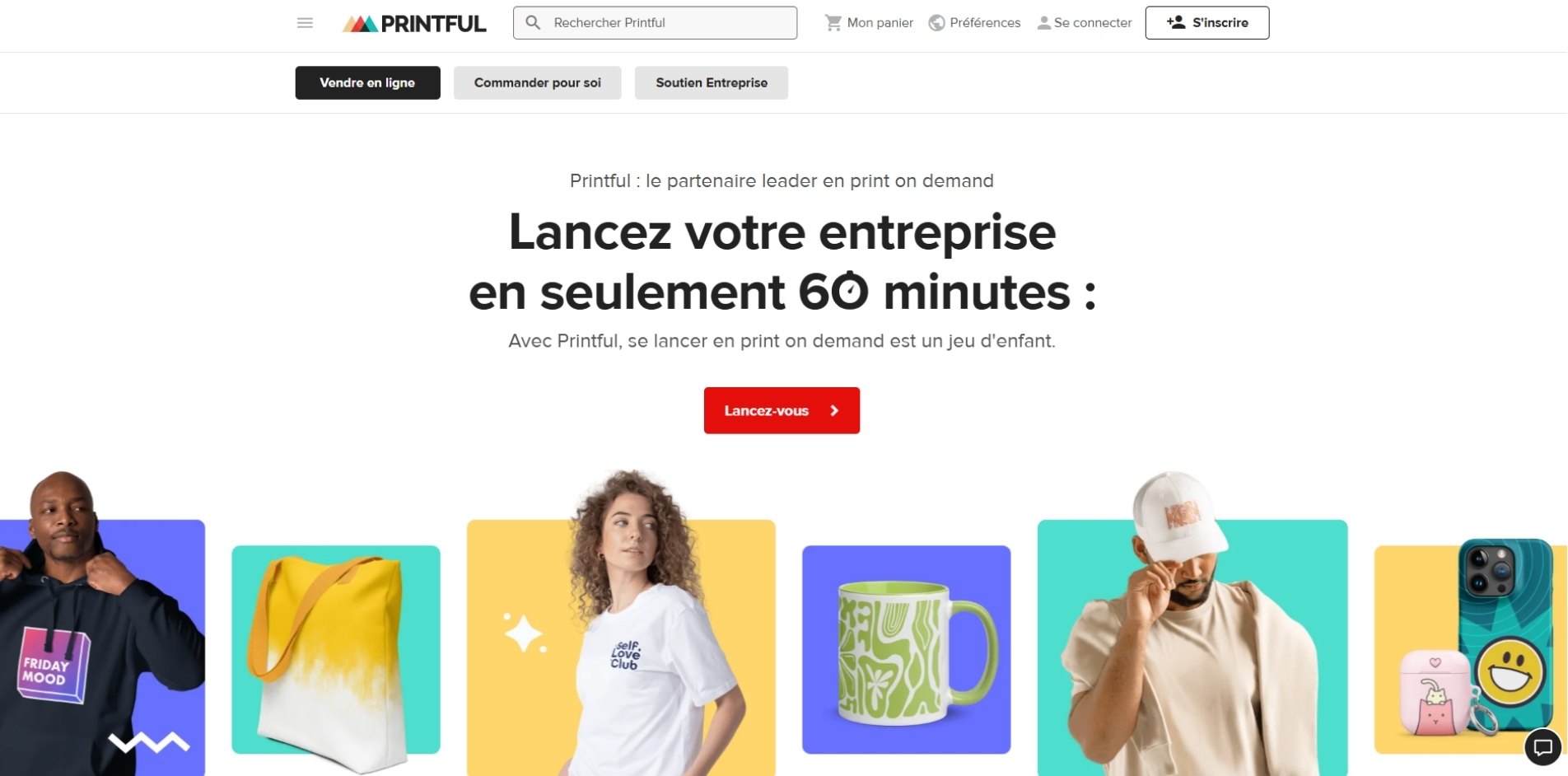
Printful offers print-on-demand shoe options including custom sneakers and slip-ons that can be branded with original designs. For sellers building a fashion brand or targeting the custom footwear segment, Printful provides a zero-inventory path to custom shoe products with domestic fulfillment capability.
Shipping to US: 2 to 5 business days from US fulfillment centers
MOQ: None; truly single-unit production
Pricing: Free to use; per-product pricing
Integrations: Shopify, WooCommerce, Etsy, Amazon, eBay
Best for: Sellers building a custom or branded footwear line with original designs and zero inventory risk
Printful’s custom shoe catalog is narrower than its apparel range, but for sellers building a genuine footwear brand rather than reselling existing styles, the print-on-demand model eliminates inventory and sizing risk entirely. It pairs naturally with custom t-shirt and apparel dropshipping for stores building a full branded lifestyle collection.
Dropshipping Shoes Suppliers: Comparison Table
| Supplier | Shipping (US) | MOQ | Pricing | Best For |
| CJDropshipping | 3-15 days | None | Free | Wide catalog, global warehouses |
| Spocket | 2-7 days | None | $0-$99.99/mo | Quality US/EU vetted shoes |
| AliExpress/DSers | 7-20 days | None | Free | Low-cost testing, vast catalog |
| BrandsGateway | 5-10 days | None | ~$295/mo | Luxury designer footwear |
| Zendrop | 5-8 days | None | $0-$79/mo | Fast US fulfillment, Shopify |
| DHGate | 10-20 days | Low | Free | Budget fashion shoes, volume |
| Banggood | 7-20 days | None | Free | Niche athletic/outdoor shoes |
| Syncee | 3-10 days | Varies | $0-$79/mo | Vetted US/EU multi-supplier |
| Worldwide Brands | 3-10 days | Varies | $299 one-time | Niche specialty footwear |
| Printful | 2-5 days | None | Free + per unit | Custom branded sneakers |
How to Start a Shoe Dropshipping Business in 2026: Step by Step
Step 1: Define Your Shoe Niche
The footwear market is enormous, which means competing without specialization is a losing strategy. The most profitable shoe dropshipping stores focus on a specific niche: women’s fashion sneakers, kids’ school shoes, work boots, luxury designer footwear, custom printed sneakers, or hiking shoes. Specialization allows more focused product selection, more targeted advertising, and stronger brand identity. Use dropshipping product research tools to validate demand in your chosen niche before building your store around it.
Step 2: Choose Your Platform and Supplier
Shopify is the dominant platform for shoe dropshipping due to its strong app ecosystem, native multi-currency support, and seamless supplier integrations.
For the supplier, match your choice to your niche and target market: CJDropshipping or Zendrop for US-focused fashion footwear, BrandsGateway for luxury, Spocket for quality-vetted North American sourcing. Our guide to choosing the best dropshipping platform covers the technical and commercial considerations relevant to footwear stores.
Step 3: Build Your Product Listings
Shoe dropshipping product listings require more attention than most categories. Every listing must include: a comprehensive size chart with both US/UK sizing and foot length in centimeters, multiple product angles including sole, toe box, and heel, materials specification, and fit notes such as runs narrow or true to size. This investment in listing quality directly reduces return rates and improves conversion.
Step 4: Price for Profitability
Shoe pricing must account for product cost, shipping (including any import duties), platform fees, and advertising spend while still leaving a viable net margin. A 2.5x to 3x markup on landed cost works for most fashion shoe categories. Premium and luxury segments support higher multiples. Use pricing strategies specific to dropshipping to build a sustainable pricing model before launching advertising campaigns.
Step 5: Drive Traffic and Optimize
Shoes are a visually driven category making paid social on Meta and TikTok particularly effective for generating initial traffic and sales. Lifestyle imagery, try-on videos, and unboxing content perform well. Google Ads for dropshipping captures high-intent searchers already in purchase mode. As your store builds organic traction, dropshipping SEO becomes increasingly important, particularly for product-specific and category search terms.
Step 6: Manage Returns Proactively
Returns are an unavoidable part of shoe dropshipping. Build a clear, customer-friendly returns policy into your store from day one and communicate it prominently on product pages and at checkout. For stores reaching higher order volumes, a third-party fulfillment service with returns management capability can significantly reduce the operational burden of handling shoe returns at scale.
Marketing Your Shoe Dropshipping Store
Marketing shoes online is fundamentally about visual storytelling. Unlike functional products that sell on specification, shoes sell on aspiration: the lifestyle they represent, the way they make the wearer feel, the identity they project. Your content needs to reflect this emotional dimension. Email marketing for dropshipping is particularly effective for shoes because repeat purchase rates are high among fashion-forward buyers who respond to new collection emails and exclusive offers.
Instagram and TikTok are the two most effective platforms for shoe dropshipping marketing. Both are visually led, highly indexed for fashion and footwear content, and have established communities of shoe enthusiasts who actively share, review, and recommend footwear. Influencer partnerships with fashion and lifestyle creators, particularly micro-influencers with highly engaged followings in the 10,000 to 100,000 range, generate strong conversion at reasonable cost.
For organic traffic, building content around shoe-related search queries (style guides, sizing guides, comparison articles for popular shoe categories) generates non-paid discovery. Long-tail queries such as ‘best women’s running shoes under $80’ or ‘chunky platform sneakers 2026’ are highly specific, conversion-oriented, and often undercompeted by dropshipping stores relative to established retailers. Read our guide on SEO for dropshipping stores to build a content strategy around these footwear search terms.
As your shoe store scales, AI tools for dropshipping can support product description generation, automated pricing updates, and customer segmentation for email campaigns. The ability to generate accurate, detailed, and unique shoe descriptions at scale is particularly valuable because duplicate or thin product content hurts SEO performance in a category where many dropshippers copy supplier descriptions verbatim.
Frequently Asked Questions About Dropshipping Shoes
Is dropshipping shoes a good idea in 2026?
Yes. The global footwear market continues to grow, online purchase intent for shoes is strong, and the category’s visual nature makes it well-suited to social media marketing. Margins of 40 to 60% on fashion footwear are achievable with the right supplier relationships. The main requirements for success are accurate size charts, strong product photography, a clear returns policy, and a willingness to specialize in a specific footwear niche.
Am I allowed to dropship shoes?
Yes. Dropshipping shoes is completely legal. The legal restriction applies specifically to counterfeit or unauthorized branded footwear. You cannot sell shoes falsely represented as Nike, Adidas, Jordan, Gucci, or any other protected brand without authorization. Beyond that restriction, dropshipping footwear from legitimate suppliers is a standard eCommerce business activity with no specific regulatory barriers in the US, UK, EU, Canada, or Australia.
Which suppliers are best for dropshipping shoes in the USA?
For the US market, CJDropshipping (US warehouse inventory), Zendrop (fast fulfillment), and Spocket (quality-vetted North American suppliers) are the strongest options for competitive delivery times. For luxury footwear, BrandsGateway ships internationally via DHL with reliable delivery windows. For the widest possible catalog at the lowest price point, AliExpress via DSers works for product testing, though delivery times are slower than domestic alternatives.
How do I handle sizing for shoe dropshipping?
Sizing is the single most important operational challenge in shoe dropshipping. Every product listing must include a detailed size chart with both standard sizing (US, UK, EU) and foot length in centimeters. Order samples of your key products to verify that the supplier’s size chart is accurate. Add a prominent sizing FAQ to your product pages. A well-executed sizing experience reduces return rates by 30 to 40% compared to listings without size guidance.
What is the average profit margin on dropshipping shoes?
Gross margins on fashion shoes typically range from 40% to 60%. Women’s fashion shoes sourced in the $20 to $30 range retail at $55 to $90, generating 55 to 65% gross margins. Athletic performance shoes carry slightly tighter margins (40 to 55%) but support higher absolute profit per unit. Luxury footwear margins vary widely by brand and supplier but can be substantial per unit.
Conclusion: Is Dropshipping Shoes Right for You in 2026?
Dropshipping shoes in 2026 is a genuinely profitable opportunity for sellers who approach the niche with the right combination of product focus, supplier quality, and marketing strategy. The footwear market is large, growing, and driven by purchase motivations (fashion, performance, identity, necessity) that create consistent, year-round demand. Gross margins of 40 to 60% are achievable, and the category’s visual appeal makes it naturally well-suited to the social media and paid advertising channels that drive eCommerce discovery today.
Success in shoe dropshipping is built on three foundations. First, choose a specific niche rather than trying to compete across the entire footwear market. Second, build product listings with the sizing detail, photography quality, and descriptive accuracy that reduces returns and drives conversion. Third, choose suppliers whose quality, shipping speed, and returns process match the expectations of your target customers.
The suppliers reviewed in this guide represent the current best options: CJDropshipping and Zendrop for broad catalog coverage with US fulfillment, Spocket for vetted quality from North American suppliers, BrandsGateway for the luxury segment, and Printful for sellers building a custom branded footwear line. Match your supplier choice to your niche, validate your products before scaling advertising spend, and invest in the content quality that separates your store from competitors who simply copy supplier listings verbatim. For broader inspiration on building a product range around footwear, see our guide on dropshipping product ideas across high-demand niches.