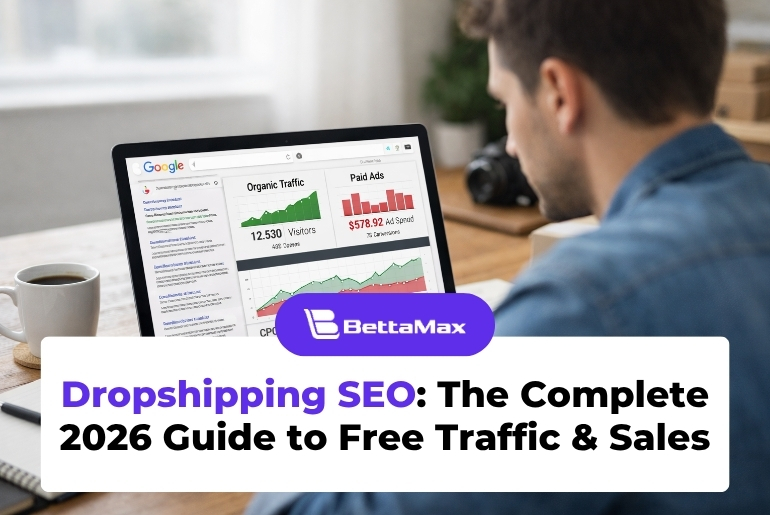
Struggling with rising ad costs and unstable sales? Many dropshippers rely too heavily on paid traffic, making profits unpredictable.
Dropshipping SEO helps you attract consistent, high-intent visitors without ongoing ad spend – building a sustainable, long-term ecommerce business in 2026.
Why SEO Matters For Dropshipping Success
Reducing Paid Advertising Dependency
Paid advertising costs escalate continuously. Facebook and Google CPCs increase yearly as competition intensifies. Dropshippers relying exclusively on paid ads face margin compression limiting profitability regardless of sales volume.
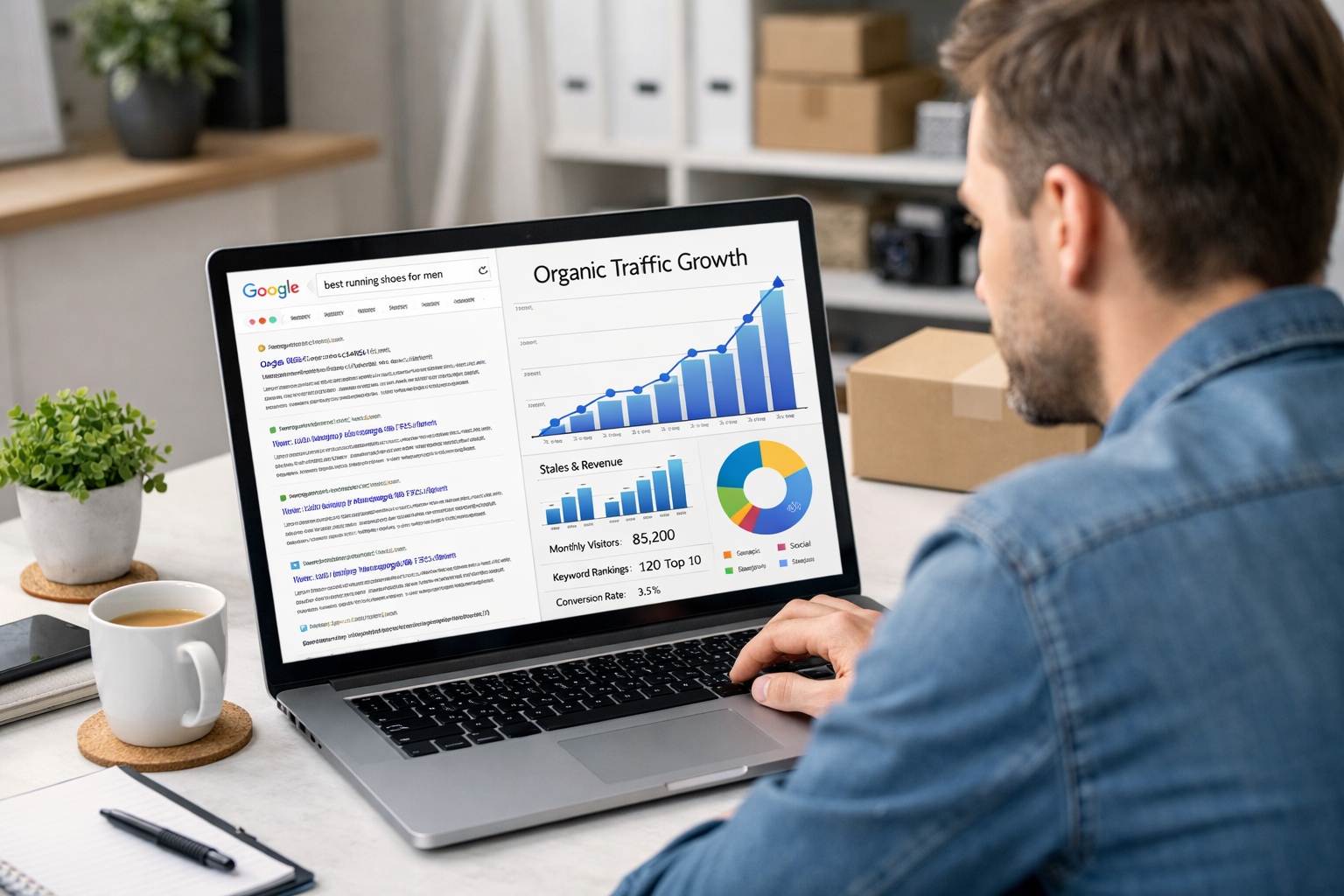
Organic search traffic costs nothing after initial optimization effort. One ranking position generates consistent monthly traffic without recurring ad spend. As SEO matures, organic traffic provides increasingly valuable foundation making paid advertising optimization more selective and cost-efficient.
Building Long-Term Asset Value
Paid advertising benefits disappear immediately when budgets pause. SEO builds compounding asset value. Strong rankings continue generating traffic months and years after optimization work concludes.
This asset-based approach transforms business fundamentals. Early months require patience as rankings develop. By month six to twelve, organic traffic becomes meaningful. By month eighteen to twenty-four, organic channels often represent twenty to forty percent of total traffic – all free.
Establishing Credibility And Authority
Customers perceive Google’s first page as authority endorsement. High rankings signal legitimacy, quality, and trustworthiness. Dropshippers appearing in organic results benefit from implicit credibility traditional advertisements cannot match.
This credibility translates directly to conversion improvements. Organic traffic converts at higher rates than paid traffic from identical keywords. Customers arriving through organic search demonstrate higher purchase intent than those clicked through advertisements.
Essential Dropshipping SEO Strategies
Keyword Research Targeting Buyer Intent
Keyword research forms SEO foundation. Most dropshippers select oversaturated head terms (“watches,” “shoes,” “gadgets”) facing impossible competition. Long-tail keywords with clear buyer intent generate achievable rankings while capturing qualified traffic.

Effective keyword targeting balances three factors: search volume (sufficient traffic potential), keyword difficulty (achievable rankings), and commercial intent (likelihood customers buy). Tools like Google Ads Keyword Planner, Ahrefs, SEMrush, and Ubersuggest reveal these metrics.
Target keywords matching buyer journey stages. Informational queries (“how to choose watches”) indicate early-stage research. Commercial keywords (“best sports watches under $100”) indicate purchase intent. Transactional keywords (“buy luxury watches online”) indicate conversion readiness.
Implementation: Create target keyword list of fifty to one hundred long-tail terms with fifty to five thousand monthly searches and moderate keyword difficulty. Cluster keywords by intent stage. Create content addressing each stage systematically.
Unique, Compelling Product Descriptions
Duplicate product descriptions from suppliers trigger SEO penalties while providing no competitive advantage. Google penalizes duplicate content across sites. Customers skip generic descriptions. Unique descriptions address both SEO and conversion simultaneously.
Effective product descriptions follow proven structure: attention-grabbing headline addressing customer problem, compelling subheading describing solution, detailed benefits explaining how product improves customer life, specific features and specifications, use cases showing practical applications, and social proof featuring customer testimonials.
Descriptions should incorporate target keywords naturally while prioritizing customer readability. Keyword stuffing harms both SEO and conversions. Natural keyword integration feels organic while signaling content relevance to search engines.
Implementation: Write custom descriptions for top 20% of products generating most traffic. Aim minimum three hundred words providing comprehensive information. Incorporate primary keyword once naturally in first hundred words. Include related keywords throughout. Focus descriptions on customer benefits, not product specifications.
On-Page SEO Optimization
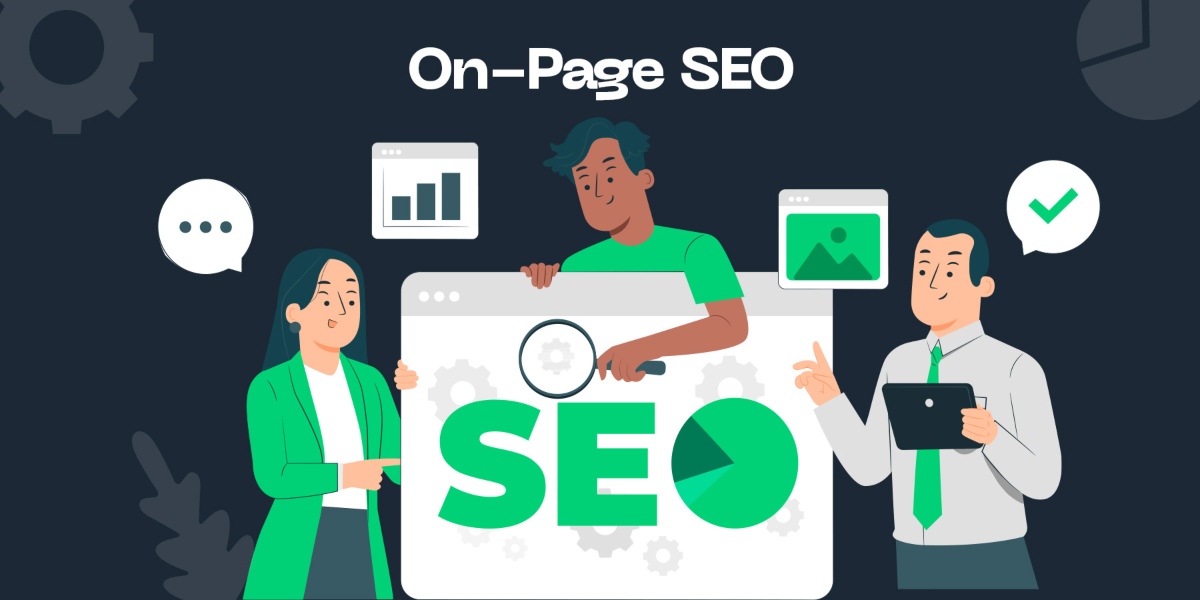
Title tags and meta descriptions directly influence click-through rates from search results. Effective titles include target keyword, mention unique value, and stay under sixty characters. Meta descriptions should summarize page content, incorporate keywords, and create urgency or curiosity prompting clicks.
H1 tags should match or closely relate to page titles, incorporating target keywords. Heading hierarchy (H1, H2, H3) should structure content logically helping search engines understand page topics. URL structures should be clean, keyword-rich, and user-friendly.
Internal linking guides visitors and search engines through site architecture. Strategic internal links from high-authority pages to target pages boost rankings for linked keywords. Contextual internal links within product descriptions connecting to related products improve both SEO and conversion.
Implementation: Audit product pages. Update underperforming title tags incorporating keywords. Rewrite meta descriptions emphasizing benefits and unique features. Structure content using proper heading hierarchy. Add internal links within descriptions to related high-value products. Keep URLs concise and keyword-rich.
Technical SEO Foundation
Site speed dramatically impacts rankings. Google prioritizes fast-loading sites. Core Web Vitals (Largest Contentful Paint, First Input Delay, Cumulative Layout Shift) became ranking factors. Sites loading in under three seconds benefit from rankings and conversion improvements.
Mobile optimization proves equally critical. Google indexes mobile-first, prioritizing mobile experience. Responsive design adapting seamlessly to mobile devices is non-negotiable.
HTTPS security signals trust and affects rankings. XML sitemaps help search engines discover all pages. Structured data (schema markup) helps search engines understand product information including prices, reviews, availability, and ratings.
Implementation: Test site speed using Google PageSpeed Insights. Optimize images, compress files, and leverage caching reducing load times. Ensure mobile responsiveness using responsive design framework. Implement HTTPS throughout site. Submit XML sitemaps to Google Search Console. Add schema markup to product pages.
Content Strategy Amplifying SEO Performance
Strategic Blog Content Supporting Products
Standalone product pages struggle achieving competitive rankings. Blog content addressing customer questions, problems, and interests drives organic traffic and creates internal linking opportunities boosting product page rankings.
Strategic blogs target informational keywords indicating research-stage customers. “How to Choose Running Shoes,” “Best Running Shoes for Marathon Training,” and “Running Shoe Maintenance Tips” capture prospects investigating topics related to running shoes your store sells. This educational content builds authority while naturally linking to related product pages.
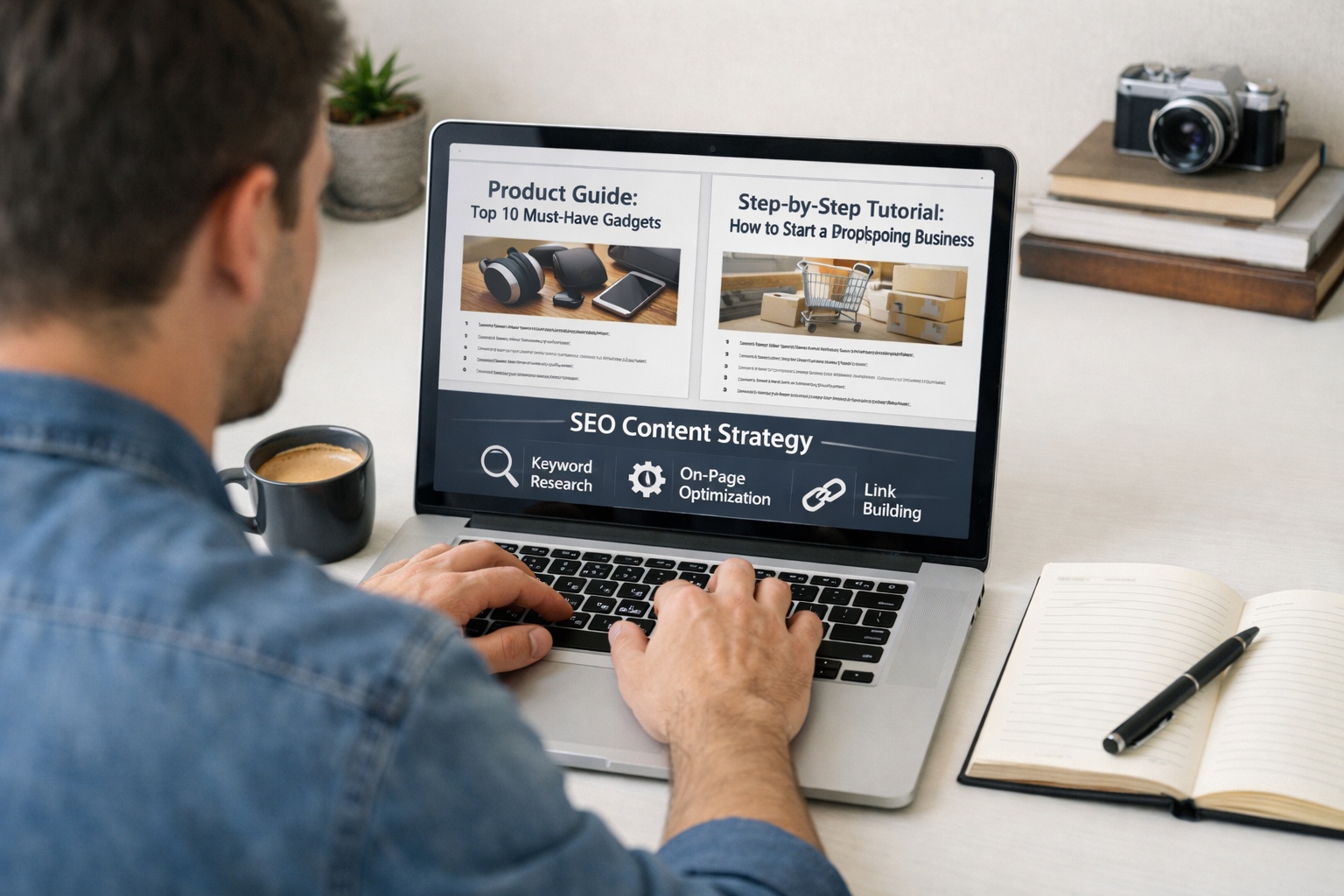
Blog content should provide genuine value without sales focus. Educational content builds trust. Trust drives future purchases when customers discover your products. Balancing education with subtle product integration creates win-win scenarios.
Implementation: Create content calendar targeting informational keywords related to your product niches. Publish weekly to bi-weekly blog posts minimum six hundred words addressing customer questions. Naturally link to relevant product pages within content. Repurpose blog content across social media and email marketing.
User-Generated Content And Reviews
Customer reviews and photos provide fresh, authentic content improving rankings while boosting conversions. User-generated content signals social proof and product quality.
Encouraging reviews requires deliberate strategy. Post-purchase emails requesting reviews generate consistent review flow. Incentivizing reviews (discounts for future purchases) increases participation. Making review submission frictionless (simple forms, minimal required information) improves completion rates.
Customer photos provide visual social proof while diversifying content. Products shown in real-world contexts perform better than studio photos. User-generated photos improve rankings through content freshness and authenticity.
Implementation: Implement review system collecting customer feedback post-purchase. Send automated email requests for reviews. Feature customer reviews and photos prominently on product pages. Use user-generated photos in product galleries. Create social campaigns encouraging photo sharing with branded hashtags.
Technical SEO Foundations
Site Architecture And Crawlability
Clear site structure helps search engines explore and understand your store. Logical category hierarchies, proper internal linking, and XML sitemaps guide search engine crawlers efficiently.
Avoid orphaned pages inaccessible through internal links. Every page should connect to your site hierarchy through multiple internal link paths. This structure passes authority from high-performing pages to target pages.

Robots.txt files and meta robots tags guide crawlers regarding which pages to index. Properly configured, these files prevent wasted crawl budget on duplicate content or parameter pages.
Implementation: Map site architecture visually. Ensure all pages connect to homepage through maximum three clicks. Add breadcrumb navigation improving both user experience and crawlability. Use robots.txt blocking duplicate or low-value pages from crawling. Monitor crawlability through Google Search Console.
Core Web Vitals And Page Experience
Google’s Page Experience signals include Core Web Vitals: Largest Contentful Paint (loading speed), First Input Delay (interactivity), and Cumulative Layout Shift (visual stability). Optimizing these metrics improves rankings.
Fast-loading pages require image optimization, code minification, caching strategies, and content delivery networks. Modern ecommerce platforms including Shopify optimize Core Web Vitals automatically, but dropshippers should monitor and optimize beyond defaults.
Implementation: Test Core Web Vitals using Google PageSpeed Insights. Compress and optimize images (target under 100KB per image). Minify CSS and JavaScript. Implement lazy loading for below-fold images. Use CDN for global delivery. Monitor monthly through Google Search Console.
Link Building For Authority Development
High-Quality Backlink Acquisition
Backlinks remain critical ranking factors. Quality matters more than quantity. One backlink from authoritative industry blog outweighs one hundred links from low-quality directories.
Effective strategies include: creating original research and content others want to link to, guest posting on relevant industry blogs, broken link building (identifying broken competitor links and suggesting your content as replacement), resource page placements, and industry directory listings.
Outreach matters. Personalized emails to relevant website owners explaining link value significantly improve acceptance rates. Building genuine relationships with industry influencers and bloggers creates natural linking opportunities.
Implementation: Create original research, guides, or data appealing to your industry. Identify target blogs accepting guest posts. Research competitor backlinks identifying high-quality sources. Conduct broken link outreach. Submit store to relevant directories and industry listings. Build relationships with industry influencers.
Internal Linking Strategy
Internal links distribute authority throughout your site while guiding customers through purchase journeys. Strategic internal linking from high-authority pages to target pages boosts target page rankings.
Anchor text (link text) matters. Using keyword-rich anchor text signals link target relevance. Balancing keyword-rich anchors with natural variations (branded, generic, URL anchors) looks natural while maintaining SEO benefit.

Implementation: Identify authority pages receiving most organic traffic. Add contextual internal links from these pages to target product pages using keyword-rich anchor text. Link from blog posts to related products. Create category pages linking to multiple related products. Maintain healthy link balance across site.
Best SEO Tools For Dropshipping
Keyword Research Tools
Google Ads Keyword Planner provides free keyword research through Google Ads interface. Shows search volume, competition levels, and suggested bids.
Ahrefs offers comprehensive keyword research, competitor analysis, and backlink investigation. Provides difficulty scores, search volume, and click data.
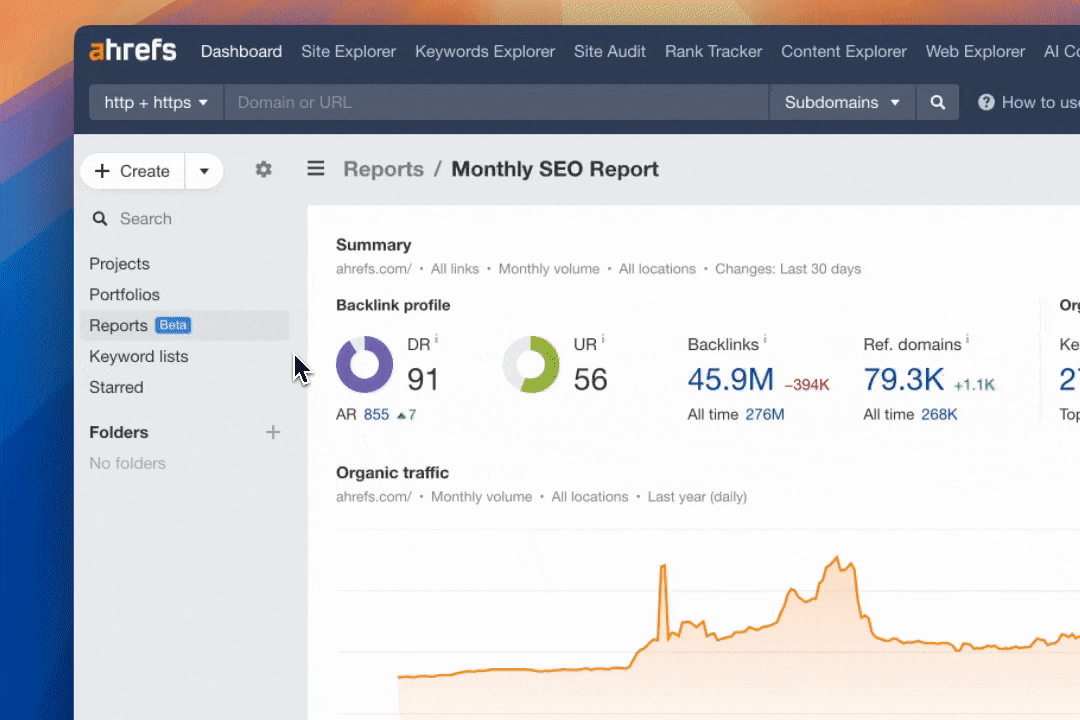
SEMrush combines keyword research, technical SEO, content optimization, and competitor analysis in unified platform.
Ubersuggest provides affordable alternative offering keyword research, content ideas, and competitor analysis.
On-Page Optimization Tools
Yoast SEO provides WordPress plugin guidance for on-page optimization, readability, and keyword targeting.
Plug In SEO offers Shopify app providing on-page optimization recommendations and technical SEO audits.
ConvertMate specializes in dropshipping, identifying optimization opportunities across product pages.
Analytics And Monitoring
Google Search Console provides free access to search performance data, indexation status, and crawl errors.
Google Analytics tracks organic traffic sources, user behavior, and conversion performance.
Ahrefs Site Explorer monitors ranking positions, organic traffic estimates, and backlink growth.
Common Dropshipping SEO Mistakes
Duplicate Content Issues
Copying supplier product descriptions triggers duplicate content penalties. Google identifies identical content across multiple sites and ranks only one, typically the original supplier page. Your site loses ranking opportunity.
Unique descriptions take time and effort but provide competitive advantage while avoiding penalties. Every product deserves custom description reflecting your unique brand voice and value proposition.
Solution: Audit all product descriptions. Replace supplier copies with unique, compelling descriptions. Prioritize best-selling products for immediate rewriting.
Ignoring Mobile Experience
Over sixty percent of ecommerce traffic comes from mobile devices. Google prioritizes mobile experience in rankings. Poor mobile design devastates both rankings and conversions.
Responsive design adapting seamlessly across devices is essential. Touch-friendly navigation, readable text without zoom, and fast mobile load times determine success.
Solution: Test site thoroughly on mobile devices. Implement responsive design. Simplify navigation for touchscreen use. Optimize images for mobile viewing.
Neglecting Analytics
Many dropshippers launch SEO efforts without monitoring results. Without data, you cannot identify what works, optimize underperformers, or demonstrate ROI.
Key metrics to track: organic traffic growth, keyword rankings, conversion rates from organic, revenue from organic traffic, and bounce rates by landing page.
Solution: Implement Google Analytics and Search Console. Create monthly reports tracking key metrics. Review data monthly identifying trends and optimization opportunities.
Weak Content Strategy
Isolated product page optimization provides limited ranking potential. Strategic content addressing customer research queries creates SEO momentum. Blog content drives authority development while creating internal linking opportunities.
Solution: Develop annual content calendar addressing customer questions and research queries. Commit to consistent publishing (weekly to bi-weekly minimum). Link blog content strategically to product pages.
Ignoring Voice Search
Voice search represents growing traffic segment. Conversational, long-tail keywords align with voice search patterns. Question-based keywords (“what are the best running shoes for flat feet”) capture voice search traffic.
Solution: Target natural language, conversational keywords. Create FAQ sections addressing common questions. Optimize for local search if you serve specific geographic markets.
Implementation Roadmap
Month One: Foundation Building
Conduct keyword research identifying fifty to one hundred target keywords. Audit current site structure and technical elements. Identify top-performing products deserving priority optimization. Implement Google Search Console and Analytics. Develop content calendar for next six months.
Month Two-Three: On-Page Optimization
Rewrite product descriptions for top twenty percent of products. Optimize title tags, meta descriptions, and heading structure. Improve internal linking strategy. Implement schema markup. Publish initial blog content addressing informational keywords.
Month Four-Six: Authority Development
Continue content publishing. Acquire initial backlinks through guest posts and directory submissions. Expand product description rewrites. Build review collection system. Monitor rankings and organic traffic growth.
Month Six-Twelve: Scaling And Optimization
Scale content production. Expand backlink acquisition efforts. Optimize underperforming pages based on analytics. Build email list through content upgrades. Test content formats and topics. Expand beyond priority products to broader catalog.
SEO Dropshipping Frequently Asked Questions
Is SEO Worth It For Dropshipping?
Absolutely. SEO provides long-term traffic foundation reducing advertising dependency. While requiring patient execution (three to twelve months for meaningful results), SEO generates compounding returns creating sustainable businesses. The most profitable dropshippers combine strategic paid advertising with robust SEO.
How Long Until SEO Results Appear?
Initial results appear within one to three months for easy keywords. Competitive keywords require three to six months. Significant traffic typically develops within six to twelve months of consistent effort. SEO compounds over time – year two typically produces substantially more results than year one.
What SEO Tools Are Essential For Dropshippers?
Essential tools include: Google Search Console (free, provides search data), Google Analytics (free, tracks organic traffic), Ahrefs or SEMrush (keyword research and competitor analysis), and Yoast SEO or ConvertMate (on-page optimization guidance). Starting with free tools is advisable before investing in premium platforms.
Can I Dropship Without SEO?
Yes, but profitability challenges increase. Paid advertising represents viable traffic source but involves rising costs and platform dependency. Combining paid advertising with SEO diversifies traffic sources while reducing customer acquisition cost – critical for long-term profitability.
What Is The Best Long-Term SEO Strategy For Dropshipping?
Combine product page optimization with strategic content marketing addressing customer research queries. Build authority through consistent publishing and backlink acquisition. Monitor performance through analytics, optimizing continuously based on data. This integrated approach creates sustainable competitive advantage.
Conclusion
Dropshipping SEO requires patience, consistency, and strategic execution but the rewards justify effort investment. In competitive 2026 marketplace, dropshippers mastering SEO differentiate through sustainable organic traffic growth while more aggressive competitors struggle with rising advertising costs.
Begin with keyword research identifying achievable ranking opportunities. Optimize existing products with unique descriptions, improved on-page elements, and strategic internal linking. Develop content strategy addressing customer questions and research queries. Build authority gradually through consistent publishing and quality backlink acquisition.
Month-by-month improvements compound into significant results. By month twelve, your store generates meaningful organic traffic. By month twenty-four, organic channels often represent substantial revenue proportion – all without recurring ad spend.
The most successful dropshipping businesses in 2026 leverage SEO not as optional tactic but as fundamental business strategy. Start today, execute consistently, and build the sustainable, profitable business paid advertising alone cannot create.