This guide covers everything you need to build a profitable plant dropshipping business in 2026: whether the niche is worth entering, which product categories perform best, the top plant dropshipping suppliers including specialist options for indoor plants, how to handle the logistics and legal complexities specific to live plant shipping, and the marketing strategies that drive sustainable growth in this category. If you are evaluating dropshipping product ideas for a new store or expanding an existing one into home and garden, this is the most complete resource available.
The plant category is not a single market. Indoor houseplants, herb gardens, rare collector specimens, low-maintenance succulents, outdoor seasonal flowers, and plant care accessories all serve different customers with different expectations. Understanding which of these segments aligns with your available suppliers, target audience, and logistics capability is the first strategic decision in plant dropshipping.
Can You Dropship Plants? Is It Profitable in 2026?
Yes, you can dropship plants, and yes, it is profitable. Seven in ten millennials now identify as plant parents, and households spend an average of over $600 annually on gardening goods. The trend toward biophilic design (incorporating natural elements into living and working spaces) has been accelerating since the pandemic and shows no sign of reversing. These are not niche demographics; they represent the mainstream of the online consumer market. Keeping up with dropshipping trends confirms that houseplants and gardening remain among the highest-growth product categories in eCommerce.
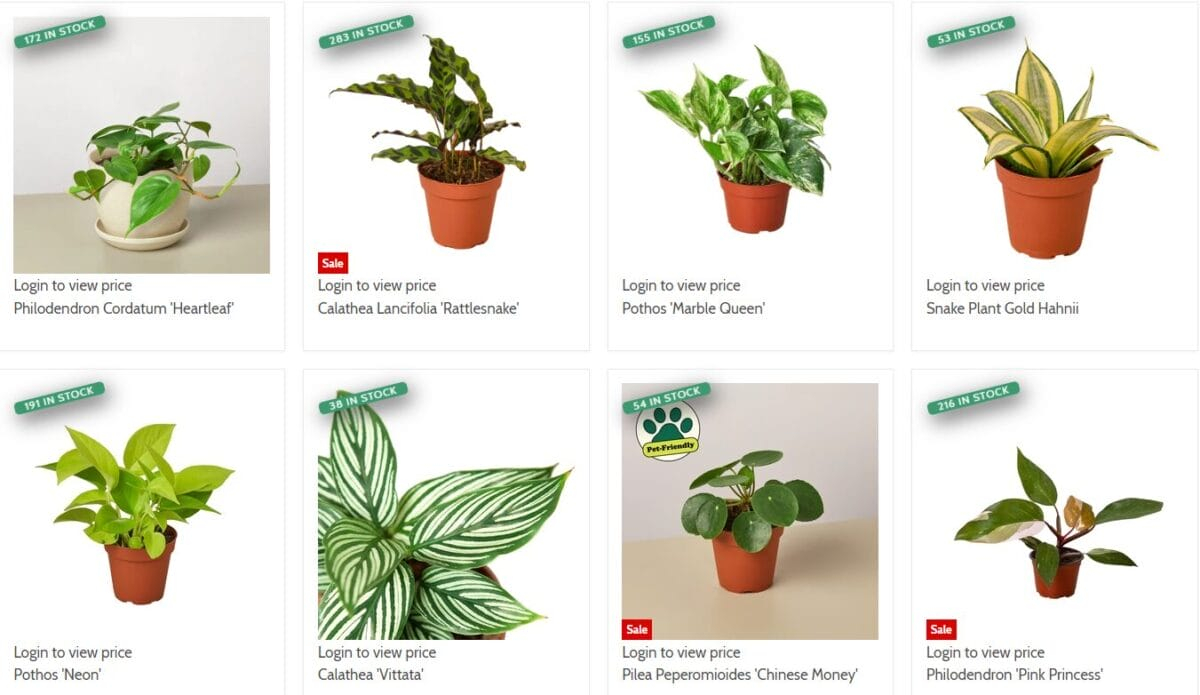
The profit margin profile for plant dropshipping is strong across most sub-categories. Low-maintenance indoor plants in the $20 to $60 retail range generate 35 to 50% gross margins. Rare and exotic specimens at $60 to $200 retail can generate 50 to 65% margins because collectors are willing to pay a premium for hard-to-find varieties. Plant care accessories, pots, terrariums, and gardening tools generate 40 to 60% margins and benefit from repeat purchase behavior. The combination of high-margin plants with high-margin accessories creates natural cross-sell and upsell opportunities that significantly increase average order value.
The genuine challenges in plant dropshipping are logistics-related rather than market-related. Live plants are perishable and sensitive to temperature, transit time, and handling. Shipping regulations for live plant material vary significantly by country and even by state within the US. These challenges are real but manageable with the right supplier partnerships. Avoiding common dropshipping mistakes in this niche starts with understanding that supplier selection in plant dropshipping requires more due diligence than in non-perishable categories.
Market Opportunity The Plant Parent Generation
7 in 10 millennials identify as plant parents. US households spend an average of $608 per year on gardening goods. Instagram and Pinterest collectively host billions of plant-related posts, making this one of the most social-media-friendly product categories in eCommerce.
Best Plant and Garden Products to Dropship in 2026
Choosing the right product categories within plant dropshipping is as important as choosing the right suppliers. The most profitable stores focus on a coherent sub-niche rather than trying to cover every possible plant category from day one. The following categories are performing strongly and are well-suited to the dropshipping model. For a broader view of high-performing product categories across eCommerce, see our guide on dropshipping products to sell.
1. Indoor Plants for Small Spaces
Indoor plants optimized for small living spaces are the highest-volume category in plant dropshipping. Snake plants, pothos, spiders, peace lilies, and ZZ plants all thrive in low-light conditions, require minimal care, and appeal directly to the urban apartment dweller demographic that drives the majority of online plant purchases. The air-purifying properties of many indoor plants provide additional marketing hooks beyond pure aesthetics.
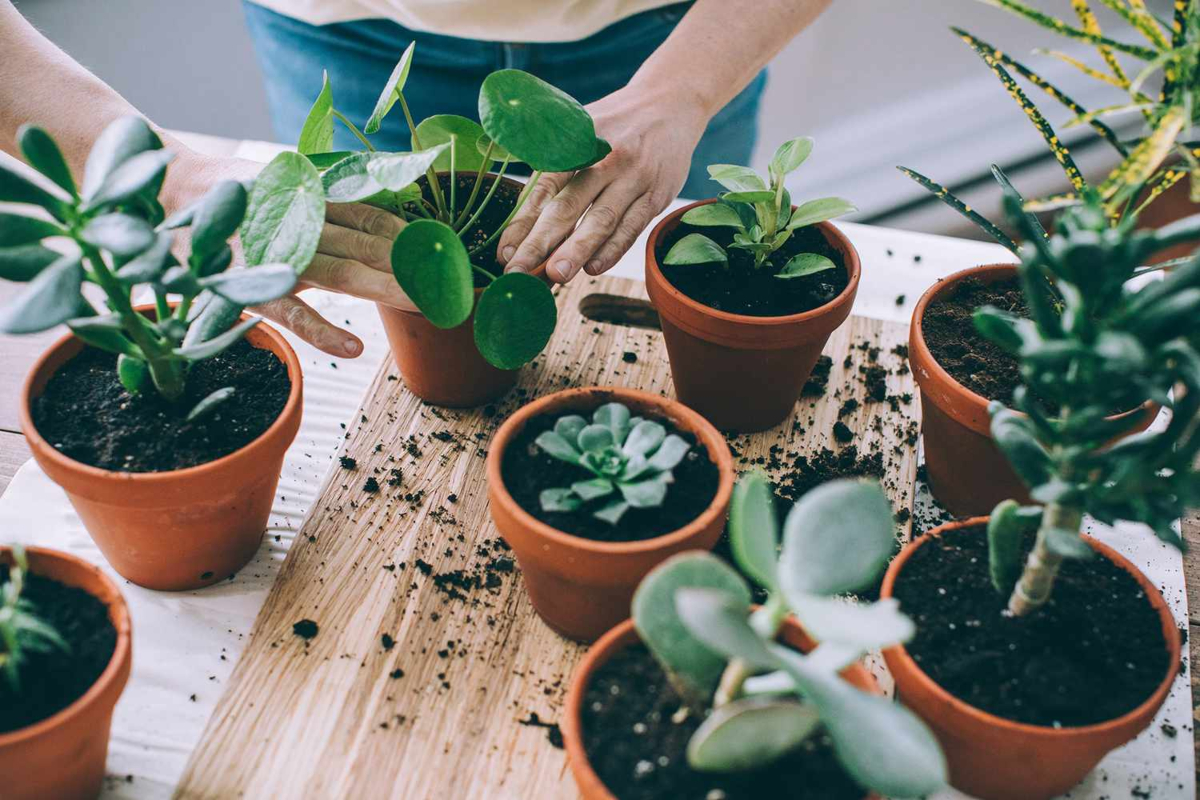
This category has exceptionally strong year-round demand with a slight uplift in spring and early autumn when people refresh their interiors. The product is compact enough for standard parcel shipping with careful packaging, and the price points ($15 to $60 retail per plant) generate solid margins without the logistics complexity of large specimen plants.
2. Succulents and Low-Maintenance Plants
Succulents are the second most popular plant category purchased online and represent an ideal entry point for new plant dropshippers. Their low-maintenance reputation appeals to buyers who want greenery without commitment, their compact size makes shipping straightforward, and they photograph beautifully for social media and product listings. Cacti, aloe vera, and echeveria varieties are consistently strong performers. This is a genuinely evergreen product category with demand that spans all demographics and seasons.
3. Rare and Exotic Plants
Rare and exotic plants represent the high-margin premium segment of plant dropshipping. Variegated monsteras, philodendron varieties, alocasias, and other collector-grade houseplants command retail prices from $50 to $300 per plant, with margins that can exceed 60%. This segment is driven by a passionate collector community that is highly active on Instagram, TikTok, and dedicated plant communities, making organic and social marketing highly effective.
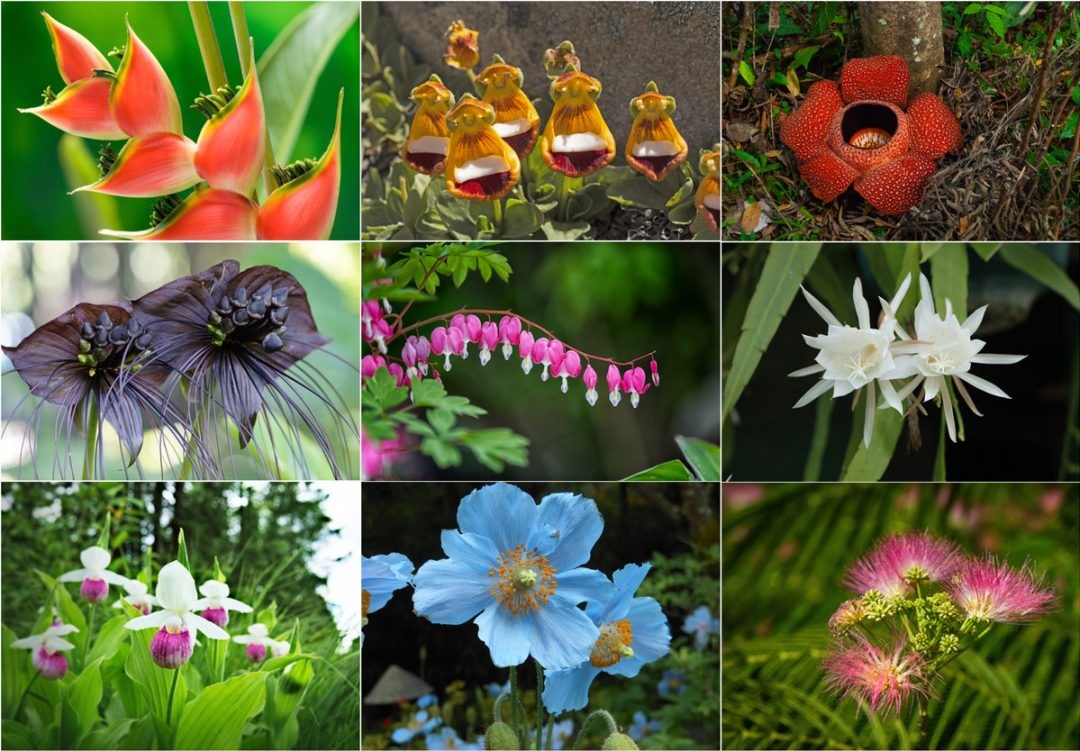
The key challenge in rare plant dropshipping is sourcing: genuinely rare plants have limited supplier availability and inconsistent stock levels. Working with specialist greenhouse-based suppliers who have dedicated rare plant inventory is essential. Always verify that the exotic plants you intend to sell are legally shippable in your target market, as some plant species are subject to CITES import restrictions or domestic plant quarantine regulations.
4. Herb Gardens and Edible Plants
Herb gardens and edible plants appeal to a distinct consumer motivation: self-sufficiency, healthy cooking, and sustainability. Basil, mint, parsley, rosemary, and thyme kits are consistent sellers year-round, with peak demand in spring. Cherry tomato plants, strawberry runners, and grow-your-own vegetable kits address the growing consumer interest in home food production.
This category benefits from strong repeat purchase behavior: customers who start with a simple herb kit often expand to larger edible gardens and come back seasonally. Bundling multiple herbs into a starter kit with basic care accessories is a proven approach to increasing average order value while providing genuine customer value.
5. Plant Pots, Planters, and Terrariums
Plant pots and terrariums are a non-perishable complement to live plant sales that dramatically simplifies logistics while maintaining strong margins. Ceramic pots, hanging planters, geometric terrariums, and self-watering pots all sell well as standalone products and as add-ons to plant purchases. This is one of the most cross-sell-friendly categories in plant dropshipping and similar in profile to home and kitchen dropship products that generate strong upsell revenue.
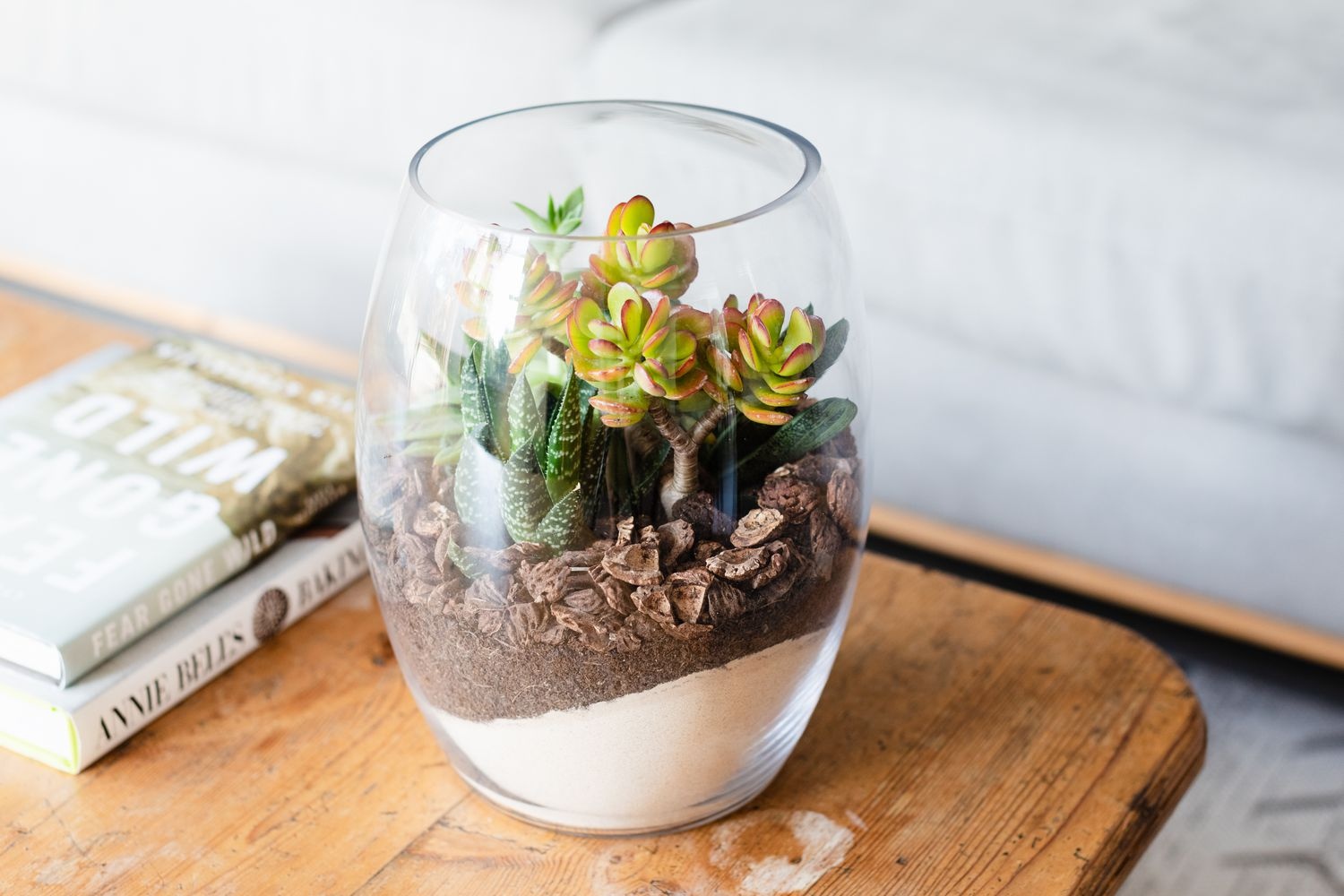
Because pots and planters are not perishable, they can be sourced from a wider range of suppliers including CJDropshipping, AliExpress, and Spocket without the specialist greenhouse infrastructure required for live plants. This makes them an excellent way to broaden your store’s product range while managing the logistics complexity of a plant-only catalog.
6. Plant Care Accessories and Gardening Tools
Plant care accessories represent the highest-margin ancillary category in plant dropshipping. Watering cans, moisture meters, plant misters, pruning shears, fertilizers, potting soil, and grow lights all address the ongoing needs of plant parents who want to keep their collection healthy. The accessory market benefits from strong repeat purchase patterns: customers who buy a plant also need ongoing supplies to maintain it.
Gardening tools and accessories are also much more straightforward to source and ship than live plants, making them a lower-risk component of a plant store’s catalog. Curated starter kits (watering can, moisture meter, liquid fertilizer, and pruning scissors as a bundle) perform particularly well as upsells at checkout.
7. Seasonal Plants and Flowers
Seasonal plants create natural marketing calendar hooks throughout the year. Spring tulip and daffodil bulbs, summer sunflowers and lavender, autumn chrysanthemums, and winter poinsettias all generate predictable seasonal demand that can be planned around and marketed in advance. Seasonal plants are particularly effective for gift-driven purchases (Mother’s Day, Valentine’s Day, Christmas) where buyers are motivated to make an impulse purchase with a clear occasion in mind.
Best Plant Dropshipping Suppliers in 2026
Selecting the right supplier is the most operationally critical decision in plant dropshipping. Live plants are fundamentally different from non-perishable products: they can die, wilt, or arrive in poor condition if the supplier’s shipping infrastructure is not specifically designed for live plant logistics.
The suppliers below have been selected because they either specialize in plant fulfillment or offer the platform infrastructure to connect you with specialized greenhouse suppliers. Use winning product research principles to validate specific plant varieties before committing to any supplier.
1. Houseplant Dropship – Best Specialist US Indoor Plant Supplier
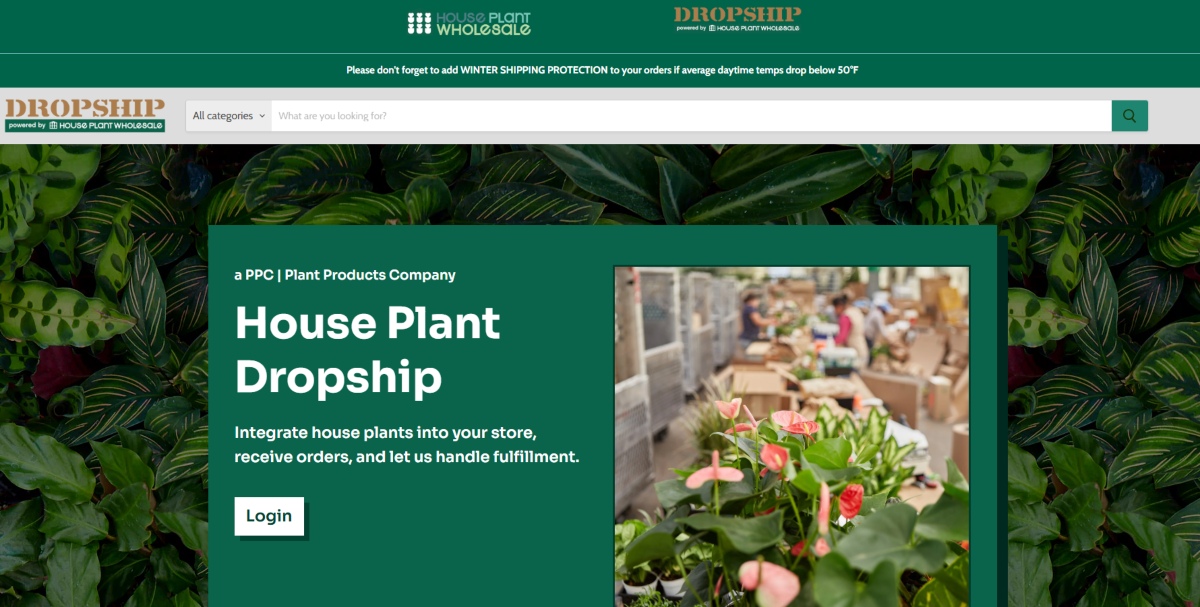
Houseplant Dropship is one of the most purpose-built plant dropshipping suppliers available for the US market. It ships directly from partner greenhouses in Southern California and Central Florida, offering what it describes as America’s most extensive indoor houseplant inventory. For US-focused plant dropshippers, this is the first supplier to evaluate.
Shipping: Direct from greenhouse; typically 2 to 5 business days within the US
MOQ: None; single-unit dropshipping available
Pricing: Wholesale pricing for approved dropshipping accounts
Integrations: Shopify integration; automated order fulfillment
Best for: US stores specializing in indoor houseplants with fast domestic greenhouse-to-door fulfillment
Houseplant Dropship’s greenhouse distribution model ensures that plants ship in optimal condition directly from climate-controlled growing environments, rather than sitting in a third-party warehouse. This dramatically reduces the transit stress that causes plant quality issues. The extensive indoor plant inventory means a store can be built around this single supplier with sufficient catalog depth to compete effectively.
2. Perfect Plants – Best for Wide Variety Including Outdoor and Tree Specimens
Perfect Plants is a family-owned grower and supplier based in Florida with over 40 years of operation. It offers a dropshipping program that ships fresh plants from its own growing operation to your customers, typically within 1 to 2 days of the order being placed. Its catalog is notably broad, covering roses, shrubs, fruit trees, nut trees, houseplants, and accessories.
Shipping: 1 to 2 days from Florida facility; US domestic shipping
MOQ: None
Pricing: Wholesale pricing for registered dropship partners
Integrations: Direct store integration available
Best for: Stores offering a broad plant range from houseplants to outdoor trees, sourced from a single trusted US grower
Perfect Plants’ own-grown inventory is a significant quality assurance advantage: there is no intermediary between the growing environment and your customer’s doorstep. Its 40-year operating history means logistics processes are well-refined. The breadth of catalog, from indoor succulents to outdoor fruit trees, makes it viable as a primary supplier for a general gardening store rather than a narrow specialty operation.
3. PlantBoy – Best for Seamless Store Integration and Automated Fulfillment
PlantBoy is a platform specifically designed to simplify live plant dropshipping. Plants are fulfilled and shipped directly from greenhouse partners to the end customer, with automated integration into your online store that handles product setup, inventory management, and order fulfillment without manual intervention.
Shipping: Greenhouse-direct fulfillment; shipping times vary by greenhouse location and destination
MOQ: None
Pricing: Platform subscription model; pricing varies by plan
Integrations: Direct integration with online stores including Shopify; automated order fulfillment
Best for: Sellers who want a fully automated plant dropshipping solution that handles fulfillment without manual order processing
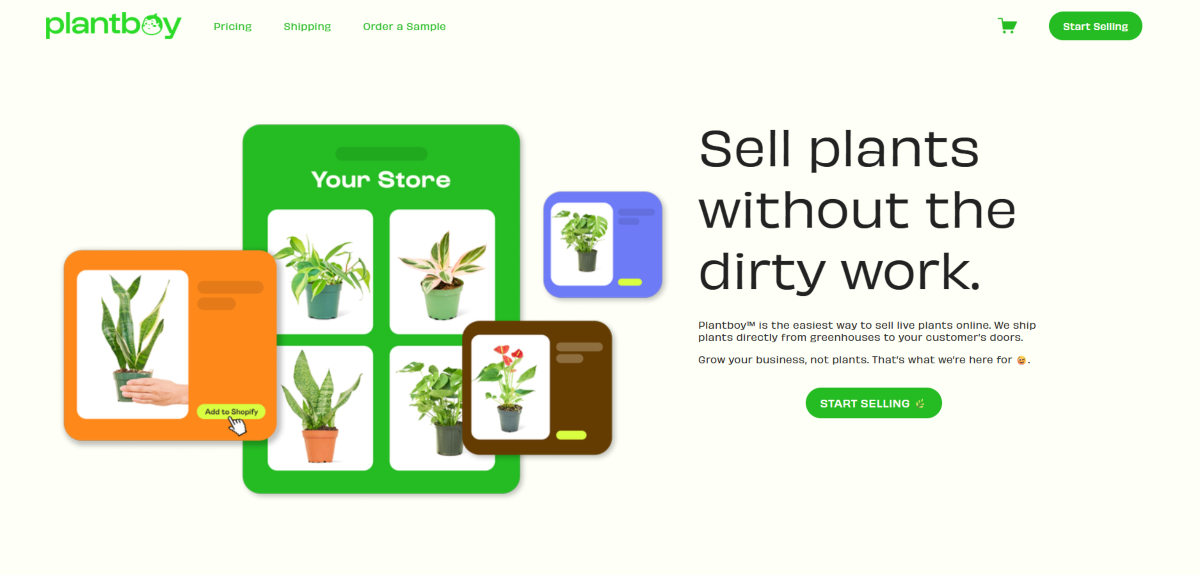
PlantBoy’s automation-first approach is its defining advantage. Once integrated, the system handles the entire order flow from purchase to fulfillment without requiring manual intervention at the store level. This makes it particularly well-suited to sellers who want to run a plant store alongside other business activities without dedicating significant daily operational time to order management.
4. Sproutsouth – Best for Rare Plants and Comprehensive Gardening Catalog
Sproutsouth is a US-based dropshipping supplier that sources from top-tier farmers across the country, offering a range that includes popular indoor plants, rare varieties, ceramic pots, planters, gardening soil, and tools. Its experience in shipping live and fragile plant material informs its packaging and logistics approach.
Shipping: US domestic shipping; experienced plant packaging protocols
MOQ: None for dropshipping accounts
Pricing: Wholesale pricing for registered partners
Integrations: Compatible with major eCommerce platforms
Best for: Stores wanting a comprehensive plant catalog including rare varieties plus pots and accessories from a single US supplier
Sproutsouth’s ability to supply both live plants and related accessories (pots, soil, tools) from a single supplier relationship simplifies operations for store owners who want a complete garden store rather than a plants-only catalog. Its sourcing from specialist US farmers ensures access to high-quality and hard-to-find plant varieties that differentiate its catalog from mass-market competitors.
5. Air Plant Supply Co. – Best for Air Plants and Tillandsia Niche
Air Plant Supply Co. is a specialist supplier for air plants (Tillandsia) and related decor, integrated directly with Shopify stores for streamlined listing and order processing. Air plants are an ideal dropshipping product: they require no soil, are lightweight and easy to ship, photograph beautifully, and appeal to the modern minimalist interior design aesthetic.
Shipping: Direct fulfillment; US domestic shipping
MOQ: Low minimums; no business license required
Pricing: Online wholesale ordering; competitive pricing
Integrations: Shopify integration; online wholesale ordering system
Best for: Stores focusing on the air plant niche or wanting to add a highly visual, low-maintenance plant category to an existing store
Air plants are one of the most shipping-friendly live plants available: they are lightweight, soil-free, and resilient to transit stress compared to potted plants. This makes them an excellent entry point for sellers new to plant dropshipping who want to test the category with lower logistics risk. Air Plant Supply Co.’s Shopify integration makes listing and order processing straightforward.
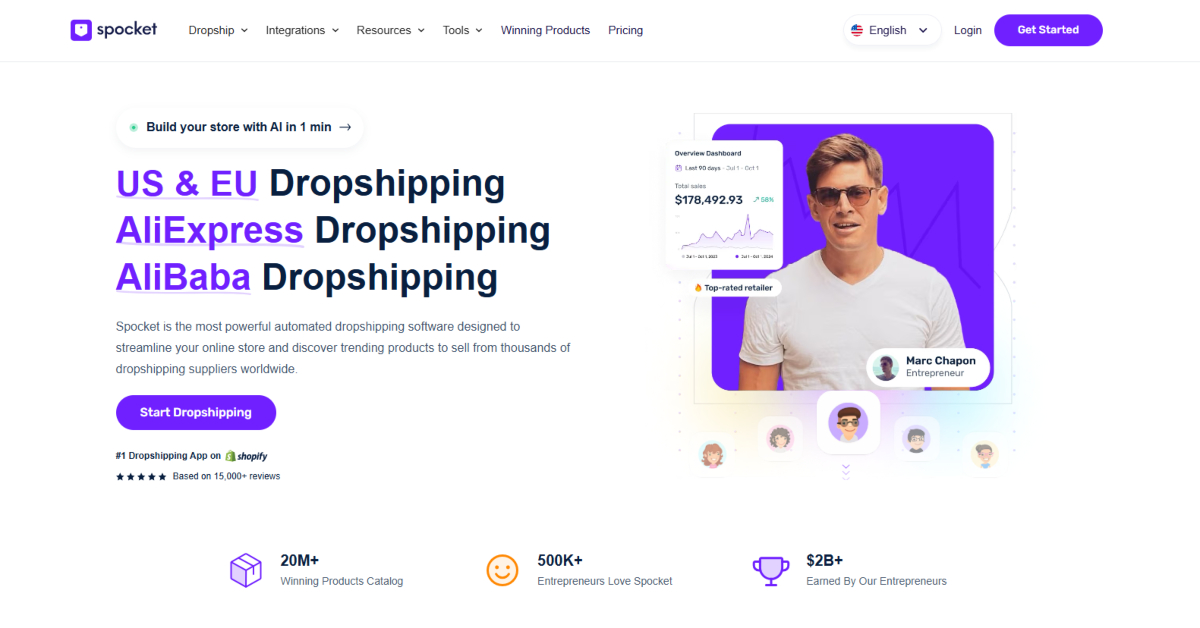
6. Spocket – Best Multi-Category Platform with Plant and Garden Suppliers
Spocket is not a plant-specialist supplier but offers plant pots, terrariums, gardening accessories, and some live plant vendors within its curated North American and EU supplier network. For stores that want to combine plant accessories and lifestyle products with select plant categories, Spocket provides a vetted supplier connection with fast US and EU fulfillment.
Shipping: 2 to 7 days from North American and EU suppliers
MOQ: None
Pricing: Free tier; Basic $39.99/month; Pro $59.99/month
Integrations: Shopify, WooCommerce, Wix, BigCommerce, Amazon
Best for: Plant stores wanting to supplement live plant inventory with fast-shipping pots, terrariums, and gardening accessories from vetted suppliers
Spocket is best used as a secondary supplier to a specialist plant supplier rather than as a primary plant source. Its value in a plant store context is the ability to source high-quality pots, decorative planters, and lifestyle accessories with fast domestic shipping, complementing the live plant catalog from greenhouse-based suppliers.
7. CJDropshipping – Best for Plant Accessories at Scale
CJDropshipping offers a large catalog of plant pots, hanging planters, self-watering systems, grow lights, gardening tools, and terrariums, making it the strongest option for the non-perishable accessories component of a plant store. Its US warehouse inventory can deliver plant-related accessories in 3 to 7 days to US customers.
Shipping: US warehouse: 3 to 7 days; China: 7 to 15 days
MOQ: None
Pricing: Free to join
Integrations: Shopify, WooCommerce, eBay, TikTok Shop, Amazon
Best for: Sourcing plant pots, grow lights, terrariums, and gardening accessories at competitive prices to complement a live plant catalog

CJDropshipping should not be used for live plant sourcing but is an excellent resource for the accessories that plant buyers consistently purchase alongside live plants. Combining a greenhouse-direct specialist for live plants with CJDropshipping for accessories creates a comprehensive plant store with both strong product selection and fast fulfillment.
Plant Dropshipping Suppliers: Quick Comparison
| Supplier | Live Plants | Accessories | Shipping (US) | Best For |
| Houseplant Dropship | Yes (indoor) | Limited | 2-5 days | Indoor houseplants, US focus |
| Perfect Plants | Yes (all types) | Yes | 1-2 days (FL) | Broad plant range from own grower |
| PlantBoy | Yes | Limited | Varies | Automated greenhouse fulfillment |
| Sproutsouth | Yes (inc. rare) | Yes | US domestic | Rare plants + full accessories |
| Air Plant Supply Co. | Air plants only | Decor | US domestic | Tillandsia niche, Shopify ready |
| Spocket | Limited | Yes | 2-7 days | Pots, terrariums, accessories |
| CJDropshipping | No | Yes | 3-15 days | Accessories at scale, US warehouse |
Shipping Plants Legally: What You Need to Know
Plant dropshipping has legal and logistics considerations that do not apply to most other eCommerce categories. Understanding these before launching your store protects you from compliance violations and customer satisfaction problems.
Domestic Shipping Regulations
Within the US, the USDA Animal and Plant Health Inspection Service (APHIS) regulates the interstate movement of plants and plant material. Most common houseplants can be shipped freely between US states, but some plant species are subject to quarantine regulations that restrict movement into certain states (California, Arizona, Hawaii, and Florida have notably strict plant import requirements). Work with suppliers who are familiar with these regulations and can confirm which plants they are licensed to ship to all 50 states.
International and Cross-Border Shipping
International plant shipping is significantly more complex. Most countries require phytosanitary certificates for imported plant material to verify freedom from pests and diseases. Some plant species are protected under CITES (Convention on International Trade in Endangered Species) and cannot be exported or imported without specific permits. If you are targeting UK customers, EU customers, or Canadian buyers, verify that your chosen suppliers are licensed for international plant export and can provide the required documentation. Soil is a particular issue: many countries prohibit the importation of growing media (soil) entirely, requiring bare-root or soil-free shipping formats.
For UK-based sellers, the UK has specific phytosanitary requirements for plants imported post-Brexit. Suppliers must hold a plant passport or equivalent certification. For plant dropshipping UK stores, working with a UK-based or EU-based grower avoids the cross-border compliance burden entirely. See our guide on dropshipping fulfillment services for more on how to structure compliant international logistics.
Seasonal Shipping Restrictions
Live plants can be damaged or killed by extreme temperatures during transit. Many specialist plant suppliers pause or restrict shipping during periods of extreme heat (summer in southern states) or extreme cold (winter in northern states). Build this awareness into your store’s product availability and shipping estimates. Communicating seasonal limitations clearly to customers prevents refund requests and negative reviews.
Rare and Exotic Plant Legality
Before listing any rare or exotic plant species, verify that it is legally permitted for sale and transport in your target market. Some plant species are invasive in certain regions and are prohibited from transport. Others are protected by international conservation agreements. When in doubt, restrict your rare plant catalog to species explicitly confirmed as legally shippable by your supplier.
Legal Note Soil Import Restrictions
Many countries including the UK, Canada, and Australia prohibit the importation of soil and growing media. If your supplier ships potted plants with soil, verify that the destination country permits this before accepting orders. Many plant suppliers offer bare-root or tissue-culture shipping options for international orders.
How to Start a Dropshipping Plants Business: Step by Step
Step 1: Choose Your Plant Niche
Do not try to sell all plants to all customers. The most profitable plant dropshipping stores in 2026 are built around coherent niches: indoor houseplants for urban dwellers, succulents for low-maintenance plant parents, rare collector plants for enthusiasts, herb gardens for home cooks, or outdoor seasonal plants for gardeners. Choose a niche with identifiable demand and a matching supplier, then build a store that speaks directly to that customer’s plant-related identity. Use product research tools and trend analysis to confirm demand before building.
Step 2: Select and Vet Your Suppliers
Register with two or three suppliers from the list above. For any supplier you are considering for live plants, order samples of your intended bestsellers and assess the actual condition of the plants on arrival, the quality of packaging, the accuracy of transit time, and any customs or documentation issues. Plant quality on arrival is the single biggest driver of customer satisfaction in this category, and the only way to verify it is to experience the shipping process firsthand as a customer.
Step 3: Build Your Online Store
Shopify is the recommended platform for plant dropshipping due to its ease of use, visual customization options, and strong supplier app ecosystem. A plant store benefits from a clean, nature-inspired visual design that matches the aesthetic sensibility of plant buyers. WooCommerce is a strong alternative for sellers with WordPress experience. For a detailed comparison, see our guide on choosing the best dropshipping platform. Ensure your store communicates shipping limitations, plant care basics, and a clear returns policy on every product page.
Step 4: Build Compelling Product Pages
Plant product pages require more detail than most eCommerce categories because buyers are making a decision about a living thing. Each product page should include: multiple photographs of the actual plant (not stock images), a detailed care guide covering light, water, humidity, and soil requirements, clear information about pot size and plant size at time of shipping, honest description of shipping conditions and expected appearance on arrival, and customer reviews. This level of detail reduces returns and refund requests significantly.
Step 5: Price for Profitability
Plant pricing must account for the higher fragility and perishability of the product. Build a realistic returns reserve into your margin model from the start, as some proportion of live plants will arrive in poor condition regardless of supplier quality. For a structured approach to building a pricing model that accounts for all cost components including returns, see our guide on how to price dropshipping products.
Step 6: Market Your Plant Store
Plant dropshipping benefits from exceptional marketing conditions. Plants are inherently photogenic, the plant parent community is highly engaged on social media, and content marketing around plant care generates strong organic search traffic. Instagram, Pinterest, and TikTok all deliver strong results for plant stores when the visual content quality is high.
Google Ads for plant dropshipping performs well for specific plant search queries (‘buy monstera online’, ‘indoor plants for low light’). Building an email list of plant enthusiasts and sending regular care tips, new arrivals, and seasonal offers creates strong repeat purchase behavior. See our guide on dropshipping email marketing for campaign frameworks that work well in the plants and gardening niche.
Pro Tips for a Successful Plant Dropshipping Business
Invest in Packaging Quality
Packaging is the single biggest determinant of plant arrival condition. Work only with suppliers who use purpose-built plant packaging: reinforced boxes, moisture-retaining materials, biodegradable packing peanuts or paper, and secure pot holders to prevent soil spill. If a supplier cannot clearly describe their live plant packaging process, that is a significant red flag. Consider adding care instructions and a small personal note to packages to create a premium unboxing experience that differentiates your brand.
Build a Plant Care Content Library
The plant buyer journey begins with research. Consumers searching for ‘how to care for a monstera’ or ‘best indoor plants for low light’ are potential customers who are actively interested in the category but not yet at the purchase decision stage. Building a content library of care guides, plant selection advice, and beginner gardening articles drives organic traffic from exactly this audience. This content doubles as SEO fuel and social media material. For a structured approach to building content that drives organic traffic to your store, see our guide on SEO for dropshipping stores.
Offer Bundle Deals and Starter Kits
Bundle deals dramatically increase average order value in plant dropshipping. A ‘Beginner Indoor Plant Kit’ (three easy-care plants plus a moisture meter and watering bottle) converts better than individual plants because it solves the whole problem for the buyer: what to get and how to look after it. Seasonal starter kits, themed collections (tropical plants, desert plants, pet-safe plants), and gifting bundles all perform well. These bundles are particularly effective as gifting options, a major driver of plant purchases alongside personal acquisition. For similar bundling strategies that work in adjacent home categories, see our article on dropship baby products and gifting strategies.
Manage Seasonality with Advanced Planning
Plant demand has clear seasonal peaks and troughs. Spring (March to May) is the highest demand period for most plant categories as consumers begin refreshing their indoor and outdoor spaces. The holiday season (November to December) is peak for gift-oriented plant purchases and winter-season varieties. Plan your product catalog, advertising calendar, and supplier stock commitments around these peaks at least two months in advance. Counter slower periods with evergreen content marketing and the lower-maintenance categories (succulents, air plants) that sell well year-round.
Use AI Tools to Scale Content and Operations
Managing a plant store at scale involves generating large volumes of product descriptions, care guides, social media captions, and email content. AI tools for dropshipping are particularly effective in the plant category because plant care information follows clear, learnable patterns that AI can reproduce consistently. Using AI for product description generation, SEO meta text, and social media content frees up time for the higher-value activities of supplier management, customer service, and marketing strategy.
Frequently Asked Questions About Dropshipping Plants
Can you dropship plants?
Yes. Plant dropshipping is a viable and growing eCommerce business model. The key requirements are working with specialist greenhouse-based suppliers who have designed their logistics around live plant shipping, understanding the regulatory environment for plant transport in your target markets, and investing in product page content that sets accurate customer expectations for live plant delivery.
Is dropshipping plants profitable?
Plant dropshipping is profitable across most sub-categories. Indoor plants, succulents, rare specimens, herb gardens, and plant accessories all generate gross margins of 35 to 65%. The category benefits from high repeat purchase rates, strong social media marketing performance, and average order values that increase significantly when accessories and bundles are included in the store. For guidance on building the strongest possible margin model, see our guide on optimizing dropshipping profit margins.
Is dropshipping plants legal?
Dropshipping plants is legal, but it operates within a regulatory framework that varies by country, region, and plant species. Within the US, most common houseplants can be shipped freely between states with some exceptions. International plant shipping requires phytosanitary documentation and is subject to import restrictions that vary by destination country. Certain rare and exotic species are protected under CITES and require specific permits. Always verify the regulatory status of any plant you intend to sell and ship before listing it.
Is drop shipping dead in 2026?
No. Dropshipping is not dead in 2026. The model continues to generate substantial revenue for sellers who approach it strategically: choosing genuine-demand niches, working with quality suppliers, investing in brand differentiation, and building marketing systems that generate consistent traffic. Plant dropshipping is a strong example of a niche where dropshipping adds clear value: consumers want to buy plants online but do not expect the seller to be a grower, and the greenhouse-to-door model serves them better than any alternative. Explore our broader guide to dropshipping product ideas and niche selection for more on building a sustainable dropshipping operation in 2026.
What are the best plants to dropship?
The best plants to dropship in 2026 are indoor houseplants for small spaces (snake plants, pothos, peace lilies), succulents and cacti, rare collector houseplants (variegated monsteras, philodendrons), herb garden kits, and air plants. Plant care accessories, pots, and terrariums are excellent complementary categories that add margin without the logistics complexity of live plants.