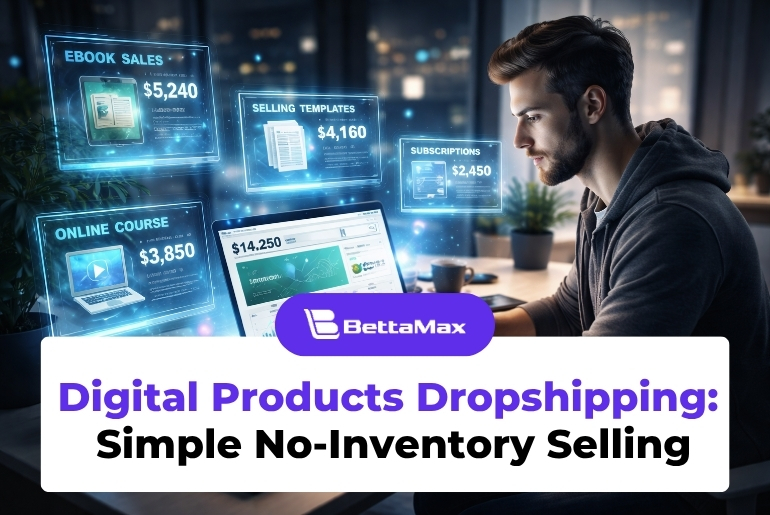
The digital economy is booming. In 2026, creators and entrepreneurs are actively seeking digital solutions that save time, reduce costs, and scale effortlessly. This comprehensive guide explores how to build a profitable digital products dropshipping business, identify the best suppliers, and implement proven strategies for sustainable growth.
What Is Digital Products Dropshipping? Understanding the Model
Digital products dropshipping is an e-commerce business model where you sell intangible digital goods without holding inventory. When customers purchase products like e-books, presets, templates, or online courses through your online store, you transfer the order to a supplier who delivers the digital product directly to the customer’s email or account.
The fundamental difference from traditional dropshipping is obvious: there’s no shipping, no warehousing, and no physical handling. Products arrive instantly to customers’ inboxes within seconds of purchase. This instant delivery dramatically improves customer satisfaction while reducing support tickets and refund requests.
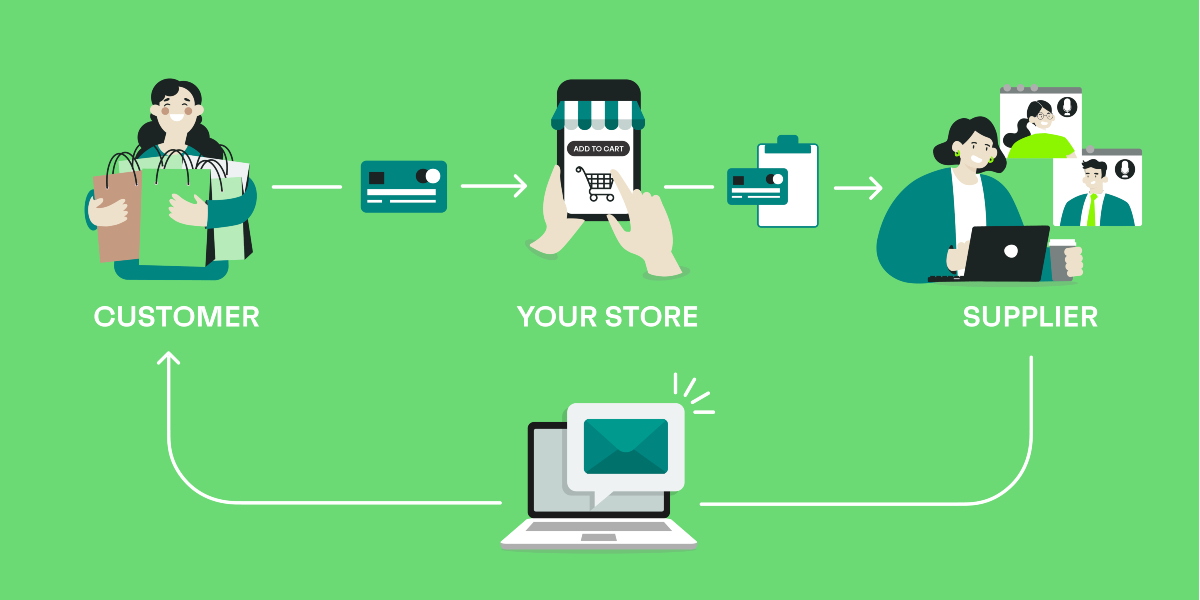
The business model operates through three simple steps: customers order through your store, you receive payment minus platform fees, and your supplier automatically delivers the product electronically. You profit from the markup between wholesale and retail pricing without touching inventory.
Why Digital Products Dropshipping Dominates E-Commerce in 2026
Virtually Zero Operating Costs Compared to Physical Retail
Traditional dropshipping businesses incur shipping costs of $3-15 per order depending on weight and destination. Digital product delivery costs zero dollars. No packaging materials, no printing labels, no carrier fees. Your only costs are platform fees (typically 2-3%) and payment processing fees (2.9% + $0.30).
A $50 digital product sale generates $48.50 in revenue after payment processing, compared to $35-45 after shipping costs on physical products. This margin advantage compounds dramatically at scale.
Infinite Inventory Without Stockout Risk
Physical products limit inventory to warehouse capacity. Digital products scale infinitely. Sell one copy or one thousand copies of the same e-book with identical fulfillment costs. You never run out of stock, never experience backorders, and never disappoint customers due to unavailable inventory.
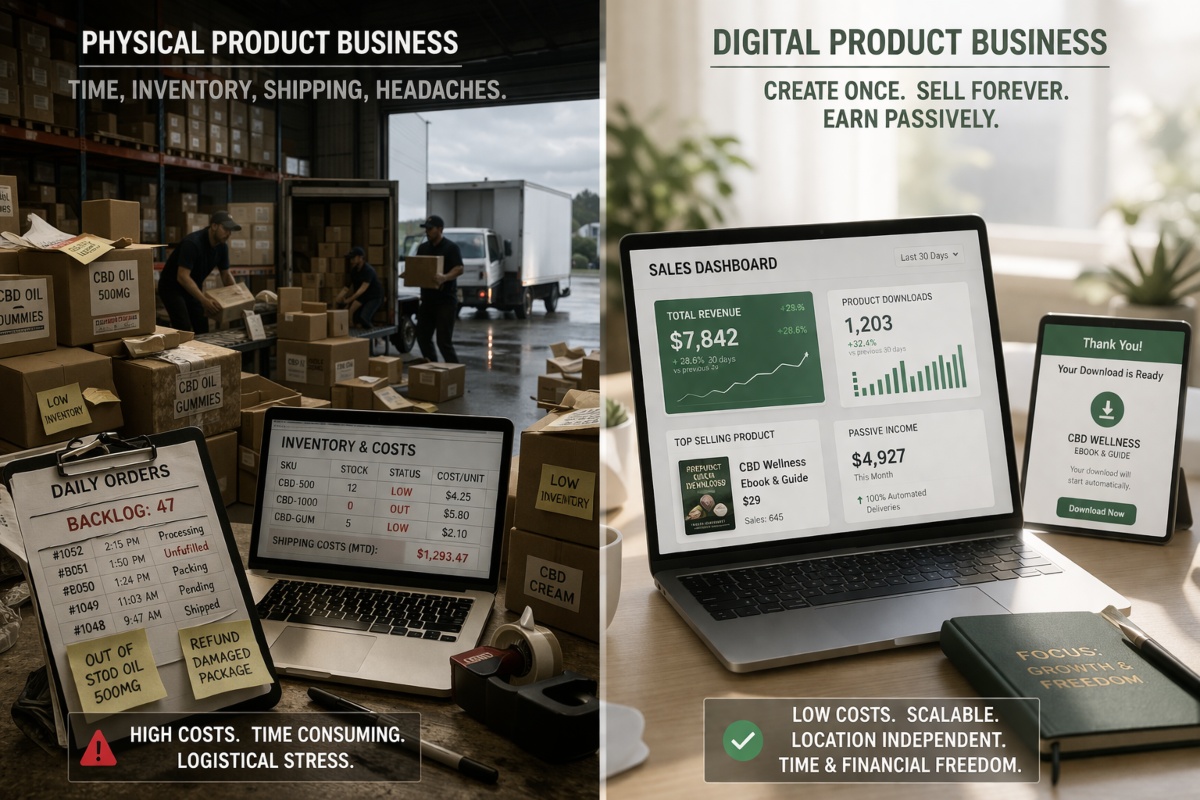
This unlimited scalability means you can confidently invest in marketing knowing supply never constrains growth.
Passive Income Generation From Evergreen Products
Once created or licensed, digital products generate revenue indefinitely. A design template created today sells for years requiring zero maintenance or updates. This creates genuine passive income streams where money flows in without ongoing effort.
Creators commonly report that digital products created 2-3 years ago still generate 30-50% of current revenue through search traffic and email marketing.
Superior Profit Margins (40-70% Typical)
Digital products command extraordinary profit margins. E-books purchased at wholesale for $5-10 sell for $20-50. Stock photo bundles costing $2-5 to license sell for $15-30. Online course licensing typically maintains 50-70% margins.
These margins easily support aggressive marketing budgets while maintaining 20-30% net profit after all expenses.
Fastest Time-to-Delivery Improving Customer Experience
Customers receive digital products instantly upon purchase. This immediate gratification eliminates waiting for physical shipping, dramatically improving satisfaction and reducing buyer’s remorse.
Instant delivery also eliminates tracking inquiries, shipping complaints, and lost package disputes common with physical products.
13 Best-Selling Digital Products for Dropshipping in 2026
1. E-books and Digital Guides
E-books remain bestsellers across all platforms. Self-help, finance, fitness, and business e-books consistently generate strong sales. Customers purchase e-books for knowledge that solves specific problems or teaches new skills.
Bundle related e-books creating premium bundles commanding higher prices. A single fitness e-book sells for $17, but a “Complete Fitness System” bundle (5 e-books plus worksheets) sells for $47 with higher conversion rates.
2. Canva Templates
Design templates save customers hours of work. Canva templates for social media posts, presentations, resumes, and business documents sell exceptionally well. Non-designers appreciate templates enabling them to create professional-looking content instantly.

Target specific audiences: “Small Business Instagram Templates,” “Resume Templates for Tech Jobs,” or “Pitch Deck Templates for Startups.” Niche positioning increases relevance and conversion.
3. Printable Planners and Journals
Budget planners, fitness logs, meal planning templates, and goal-setting journals sell consistently. These PDFs cost nothing to deliver yet customers happily pay $12-30 for personalized, organized systems.
Seasonal bundles perform exceptionally well. “New Year Goal Planning Bundle,” “Holiday Budget Kit,” or “Back-to-School Organization System” align with customer motivation and spending patterns.
4. Lightroom and Photo Presets
Professional photographers and influencers constantly seek presets accelerating their editing workflow. Lightroom presets allowing one-click photo enhancement sell for $15-40 per pack.
Create presets targeting specific aesthetics: moody presets for photographers, warm presets for food bloggers, or clean presets for minimalist content creators. Niche targeting increases perceived value and conversion rates.
5. Digital Art and Design Assets
Digital artwork including stickers, wallpapers, illustrations, and graphic elements sell well to Cricut users, designers, and creative hobbyists. A single design can be repurposed as stickers, prints, wallpapers, and digital downloads creating multiple revenue streams.
Trendy themes (mental health awareness, astrology, pop culture) often go viral on social platforms providing free marketing.
6. Online Courses and Micro-Tutorials
Online courses represent some of the highest-perceived-value digital products. Customers view courses as investments in themselves, justifying premium pricing of $47-297 per course.
Start with micro-courses (under one hour) testing demand before investing time in comprehensive courses. A free “Introduction to Digital Marketing” attracts leads while paid courses like “Advanced Facebook Ads Mastery” generate premium revenue.
7. Music Loops and Sound Effects
Podcasters, YouTubers, and video editors constantly need royalty-free audio. Music loops, ambient effects, and beat packs sell well to creators. Offer different licensing tiers: personal use ($15), small commercial ($45), and full commercial licensing ($149).

Bundle audio by use case: “TikTok Background Sounds,” “Podcast Intro Music Pack,” or “Gaming Stream Effects Pack.”
8. Stock Photos and Video Footage
Bloggers, marketers, and web designers constantly seek high-quality images and videos. Stock photo bundles and curated video footage collections sell well.
Create bundles around themes: “Minimalist Office Stock Photos,” “Diverse Team Images for Marketing,” or “Product Photography Bundle.”
9. Digital Planners and Notepads
Digital planners designed for tablets and note-taking apps like Notability appeal to students and professionals. These simple PDF files sell for surprisingly high prices because they save customers purchasing physical planners.
Create subject-specific planners: “College Student Digital Planner,” “Freelancer Project Management Planner,” or “Mom’s Weekly Organizer.”
10. Coding Snippets and Web Templates
Developers value time-saving code snippets, landing page templates, and WordPress themes. Ready-made HTML email templates, Shopify themes, or WordPress plugins eliminate development time.
Create bundles combining related templates: “E-Commerce Landing Page Bundle” (5 templates for different niches) or “Email Marketing Template Collection.”
11. Graphics and Brand Kits
Small business owners and creators need logos, social media graphics, and branding materials. Pre-designed brand kits reducing time and cost of professional branding sell well.
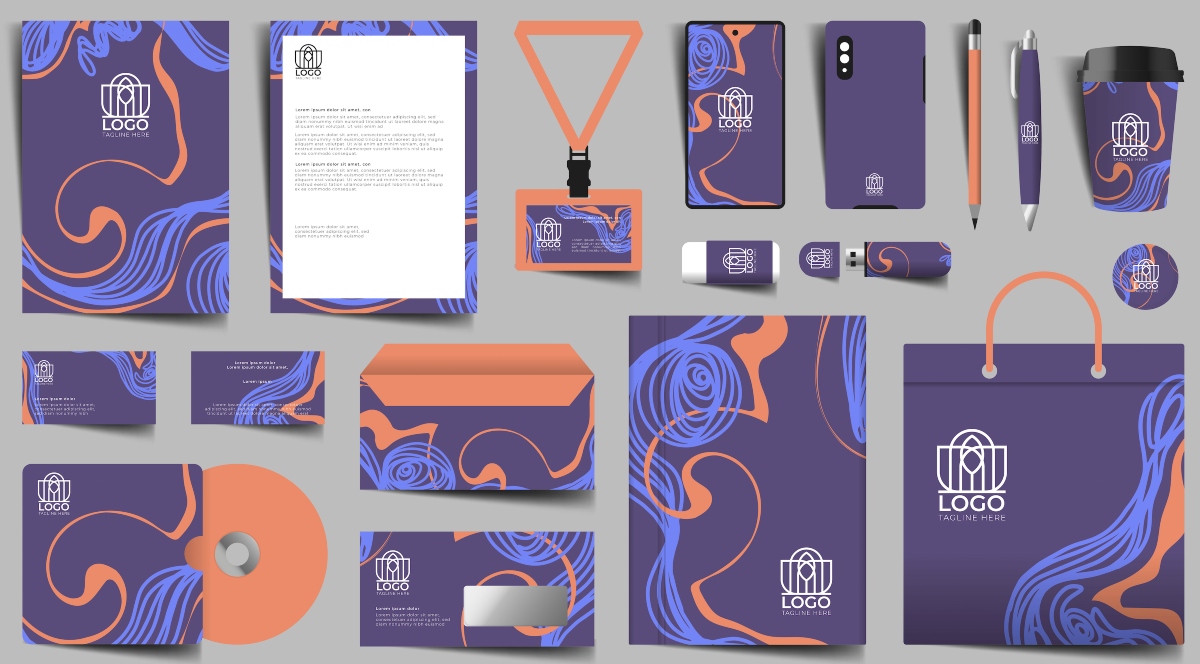
Target specific industries: “Fitness Coach Brand Kit,” “Beauty Brand Design Package,” or “Consultant Professional Graphics.”
12. Language Learning Packs
Language learning packs appeal to travelers, professionals, and lifelong learners. Conversation guides, vocabulary flashcards, and pronunciation guides for popular languages generate consistent sales.
Create bundles for specific use cases: “Travel Spanish Essential Phrases,” “Business English for Professionals,” or “French for Foodies.”
13. Video Courses and Tutorials
Professionally produced video courses command premium pricing. Production requires investment but completed courses generate revenue for years. Video transforms abstract concepts into visual learning experiences.
Start with basic video tutorials using screen recordings or simple editing before investing in professional production.
Top Digital Products Dropshipping Suppliers and Platforms in 2026
Modalyst: Quality-Focused Supplier Network
Modalyst specializes in connecting merchants with high-quality, independent brands. Their platform focuses on curated suppliers ensuring product quality and reliability.
Strengths: Seamless Shopify and Wix integration, automated inventory management, real-time pricing updates, and focus on quality over volume.
Best for: Sellers prioritizing supplier quality and brand differentiation over maximum product selection.
Spocket: Global Supplier Network
Spocket connects merchants with suppliers from USA and Europe. Their network includes both physical and digital product suppliers.
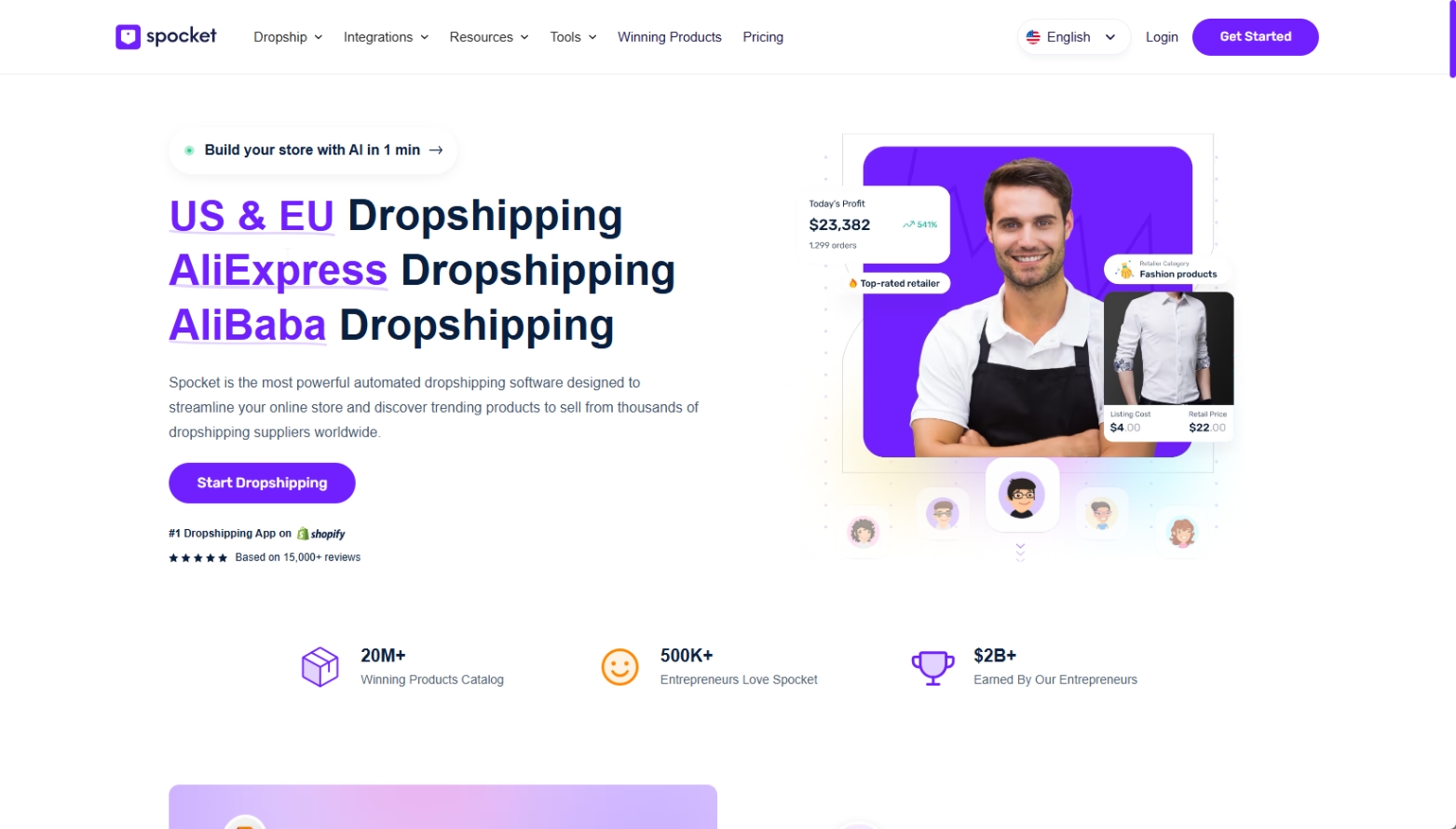
Strengths: Fast supplier vetting process, automated order management, inventory synchronization, and support for digital products alongside physical goods.
Best for: Sellers seeking balanced supplier options across multiple product categories.
Printify: Print-On-Demand Specialist
Printify specializes in custom print-on-demand products including apparel, merchandise, and digital printables. While primarily print-focused, they support digital delivery of downloadable files.
Strengths: Extensive printing partner network enabling worldwide shipping, intuitive platform for beginners, and white-label options.
Best for: Sellers offering hybrid stores combining print-on-demand physical products with digital downloads.
Printful: Premium Print-On-Demand
Printful focuses on high-quality print-on-demand products with emphasis on reliability and fulfillment speed. White-label services allow selling products under your brand without supplier visibility.
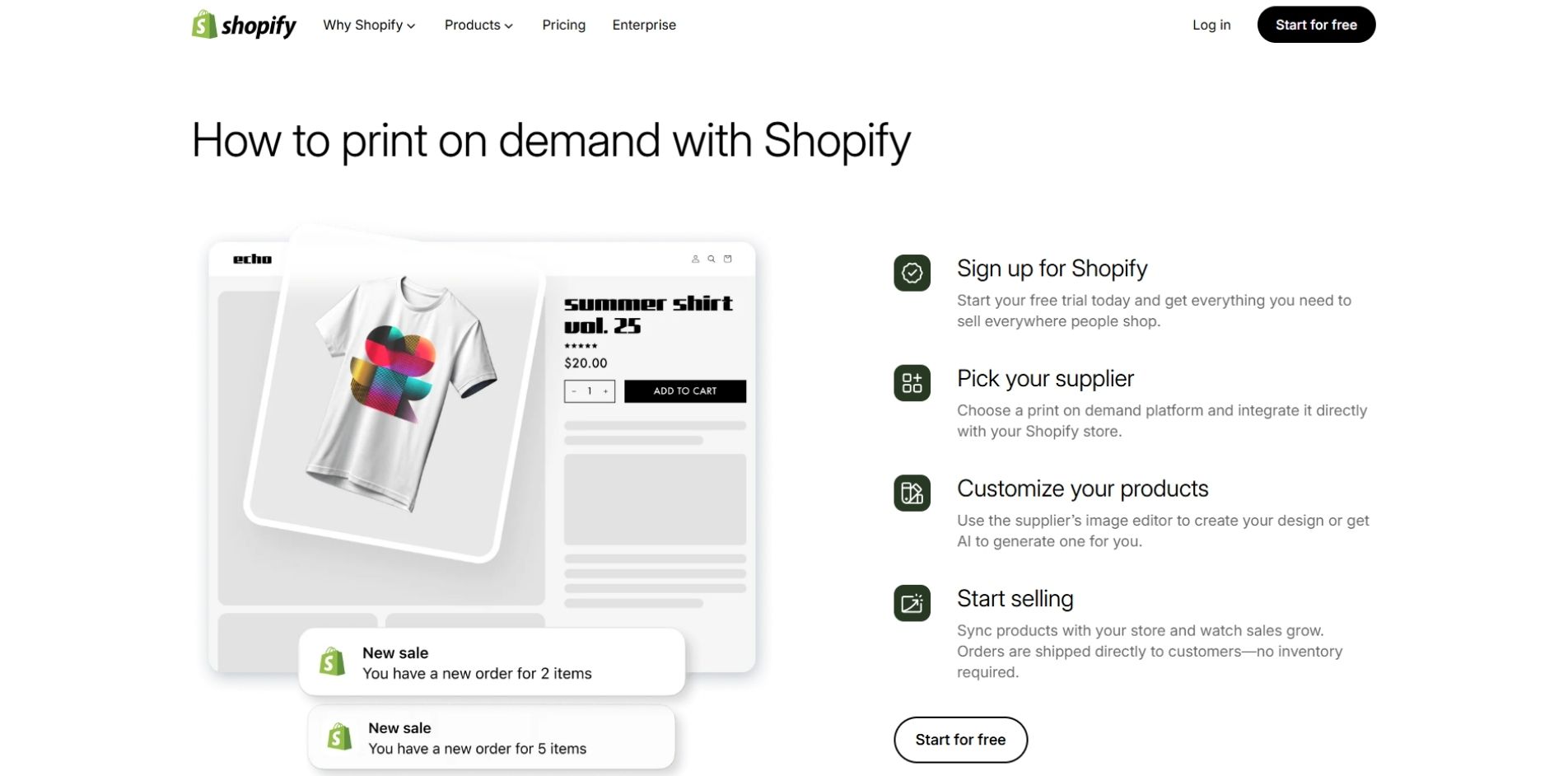
Strengths: Premium product quality, reliable fulfillment, white-label services, extensive product range, and Wix integration.
Best for: Sellers prioritizing premium quality and brand control over maximum product selection.
Gumroad: Direct Creator Platform
Gumroad enables creators to sell digital products directly to audiences. Merchants can source from existing creators or publish their own products.
Strengths: Simple interface for beginners, built-in audience discovery, automatic delivery infrastructure, and low barrier to entry.
Best for: Solo creators selling their own digital products or small merchants with focused product catalogs.
AliExpress and Dropshipping Marketplaces
AliExpress provides access to massive digital product catalogs from Chinese and international suppliers. Competitive pricing enables attractive profit margins.
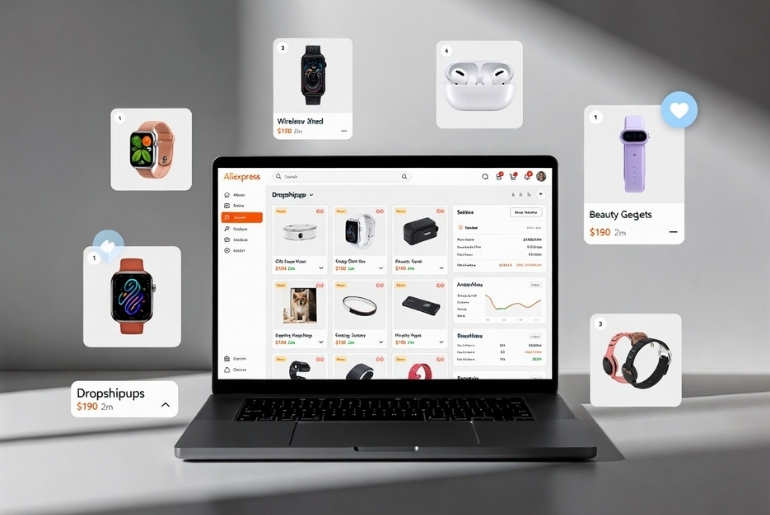
Strengths: Enormous product selection, competitive pricing, established dropshipping infrastructure, and experienced suppliers.
Best for: Budget-conscious sellers maximizing profit margins through bulk purchasing and competitive pricing.
How to Successfully Launch Your Digital Products Dropshipping Store
Step 1: Choose Your Digital Niche
Successful stores focus on specific niches rather than offering everything. Choose between fitness planners, design templates, online courses, or stock photos. Deep niche focus enables stronger branding and better market positioning.
Research trending products on Etsy, TikTok, and Pinterest. Look for problems your target customers face and products solving those problems. Don’t reinvent the wheel, offer fresh spins on proven categories.
Step 2: Select Your E-Commerce Platform
Shopify remains the market leader for digital product selling. Monthly costs range from $30-300 depending on feature needs. Shopify’s app ecosystem provides endless digital delivery and automation options.
Wix offers integrated e-commerce with drag-and-drop simplicity. WordPress with WooCommerce provides maximum customization flexibility. Choose based on technical comfort and customization requirements.
Step 3: Find or Create Your Products
You have three options: create original products using your expertise, license existing products from creators, or partner with content creators.
Creating original products offers uniqueness and complete control but requires time investment. Licensing existing products enables faster launches but requires careful attention to usage rights. Partnerships combine your marketing skills with creators’ expertise enabling mutual benefit.
Always verify usage rights before selling. Ensure you’re not selling products already available free elsewhere. Value differentiation matters more than product selection.
Step 4: Source Reliable Suppliers
Evaluate potential suppliers using these criteria: product quality, competitive pricing, reliable customer service, automated delivery systems, and proven track record.
Request samples from potential suppliers. Test products before promoting them. Poor quality products damage brand reputation regardless of marketing excellence.
Read supplier reviews from other dropshippers. Ask specific questions about order accuracy, delivery speed, and customer support responsiveness.
Step 5: Set Up Automated Delivery Systems
The biggest advantage of digital dropshipping is instant delivery. Use platforms automating delivery to customers immediately upon purchase.
Zapier integrations, native platform automation, or custom APIs ensure customers receive products instantly. Instant delivery eliminates customer frustration with waiting and reduces refund requests.
Step 6: Price Strategically for Profitability
Base pricing on perceived value, competitor benchmarks, and effort invested. High-quality products justify premium pricing.
Test pricing using A/B testing. Raise prices incrementally ($5-10 increases) monitoring conversion rate impacts. Many sellers find higher prices actually increase conversion because they signal higher quality.
Offer tiered pricing for different use cases. Personal use licenses cost less than commercial use licenses. Bundles command higher prices than individual products.
Step 7: Build Your Marketing Foundation
Digital products thrive through content marketing and social proof. Create blogs, YouTube videos, and Pinterest pins showcasing product benefits and use cases.
Build email lists early. Email marketing drives 40+ percent of repeat sales for digital product sellers. Offer free resources or discounts in exchange for email signups building your asset.
Step 8: Launch With Testing and Optimization
Start with modest marketing budgets ($200-500 monthly) testing different audiences, messaging, and platforms. Gather customer feedback refining product selection and pricing.
Track metrics obsessively: traffic sources, conversion rates, customer acquisition costs, and email engagement. Remove underperforming traffic sources and scale successful channels.
6 Common Digital Products Dropshipping Mistakes to Avoid
Mistake 1: Selling Products Without Clear Differentiation
The digital products market includes thousands of similar e-books, templates, and courses. Selling identical products to competitors attracts only price-conscious customers.
Differentiate through unique content, superior design, niche targeting, or exceptional customer service. A fitness template designed specifically for home workouts targets better than generic templates.
Mistake 2: Ignoring Intellectual Property Rights
Selling products you don’t have rights to creates legal exposure. Copyright infringement results in account suspension and potential legal liability.
Always verify usage rights before selling. Read supplier agreements carefully. Ensure products aren’t available free elsewhere. Protect yourself through proper licensing and documentation.
Mistake 3: Poor Product Presentation and Branding
Digital products lack physical packaging creating premium branding opportunities. Professional design, compelling descriptions, and clear value communication matter enormously.
Invest in professional product mockups, high-quality images, and detailed descriptions. Weak presentation signals low quality regardless of actual product excellence.
Mistake 4: Neglecting Customer Support
Digital products create ongoing customer support needs. Delivery failures, download issues, and refund requests require responsive support.
Respond to customer inquiries within 12 hours. Create detailed product documentation reducing support questions. Offer generous refund policies building trust.
Mistake 5: Underestimating Marketing Requirements
Digital products face fierce competition requiring aggressive marketing for visibility. Many beginners expect organic growth without paid promotion.
Budget $300-500 monthly for paid marketing during launch phases. Test different platforms identifying highest ROI channels. Scale successful channels aggressively.
Mistake 6: Creating Products Without Market Research
Building products without verifying customer demand wastes time and money. Successful digital products solve specific problems customers actively seek.
Research customer demand through Google Trends, social media discussions, and competitor sales. Create products addressing real problems rather than theoretical interest.
Digital Products Dropshipping: Advantages and Challenges
Key Advantages
Zero Inventory Management: No warehousing, no stockouts, unlimited scalability.
Instant Revenue: Products deliver immediately, customers receive purchases instantly.
High Profit Margins: 40-70% margins support aggressive marketing and sustainable profitability.
Global Reach: Serve worldwide customers without shipping complexity.
Passive Income: Mature products generate revenue indefinitely with minimal maintenance.
Eco-Friendly: No manufacturing, packaging, or shipping creates sustainable business model.
Critical Challenges
Piracy Risk: Downloaded files can be copied and distributed without permission.
Higher Refund Rates: Digital products can’t be returned but refund requests exceed physical products.
Market Saturation: Low barrier to entry creates intense competition in popular niches.
Licensing Complexity: Managing usage rights and copyright agreements requires careful attention.
Branding Difficulty: Selling others’ products makes unique brand establishment challenging.
Limited Control: You can’t control product updates, pricing, or customization independently.
Revenue Potential and Scaling Strategy
Most digital products dropshippers achieve profitability within 60-90 days. Initial months focus on customer acquisition, conversion optimization, and product testing.
Early revenue expectations:
- Month 1-3: $500-2,000 monthly (testing and optimization phase)
- Month 4-6: $2,000-5,000 monthly (scaling successful channels)
- Month 7-12: $5,000-15,000 monthly (compound marketing and email growth)
Scaling involves reinvesting profits into paid marketing, expanding product selection, building email lists, and optimizing customer lifetime value.
Frequently Asked Questions About Digital Products Dropshipping
Is Digital Dropshipping Legal?
Yes, digital dropshipping is legal provided you have proper rights to sell products and comply with copyright laws. Always verify licensing agreements and avoid selling trademarked content without permission.
How Much Does It Cost to Start?
Initial investment ranges from $300-1,000 covering e-commerce platform ($30-100/month), domain ($12/year), initial product sourcing ($100-500), and marketing budget ($200-500).
How Long Until Profitability?
Most dropshippers reach profitability within 60-90 days through disciplined customer acquisition and optimization. Timeline depends on niche competitiveness, marketing effectiveness, and product quality.
Can I Use Multiple Suppliers?
Yes. Many successful merchants diversify across 2-3 suppliers preventing over-reliance on single sources and expanding product selection.
Which Products Sell Best?
Products solving specific problems perform best. E-books addressing common challenges, templates saving time, and courses building skills consistently generate strong sales. Trending products also perform well capitalizing on current interest.
How Do I Handle Delivery and Customer Service?
Use automated delivery systems ensuring instant product distribution. Create FAQ documentation reducing support requests. Respond to customer inquiries within 12 hours maintaining satisfaction.
Conclusion: Your Digital Products Dropshipping Success Starts Now
Digital products dropshipping represents one of the most accessible and profitable e-commerce opportunities available in 2026. Zero inventory management, instant delivery, and exceptional profit margins create ideal conditions for rapid scaling.
Success requires choosing profitable niches, sourcing quality products, implementing professional branding, executing consistent marketing, and providing exceptional customer service. These fundamentals compound creating sustainable, profitable businesses generating $5,000+ monthly revenue within 12 months.
The entrepreneurs winning today started yesterday. Begin your digital products dropshipping journey with thorough research, careful product selection, and committed marketing execution. Your first customer is waiting.