In this guide, we will explain what order fulfillment software is, how it works, its core benefits, key criteria for comparison and a curated list of the best order fulfillment software solutions available today.
What is an order fulfillment software?
Order fulfillment software is a system that manages the entire lifecycle of an order after checkout. This includes inventory updates, order routing, picking and packing workflows, shipping label creation, tracking updates, and returns management.
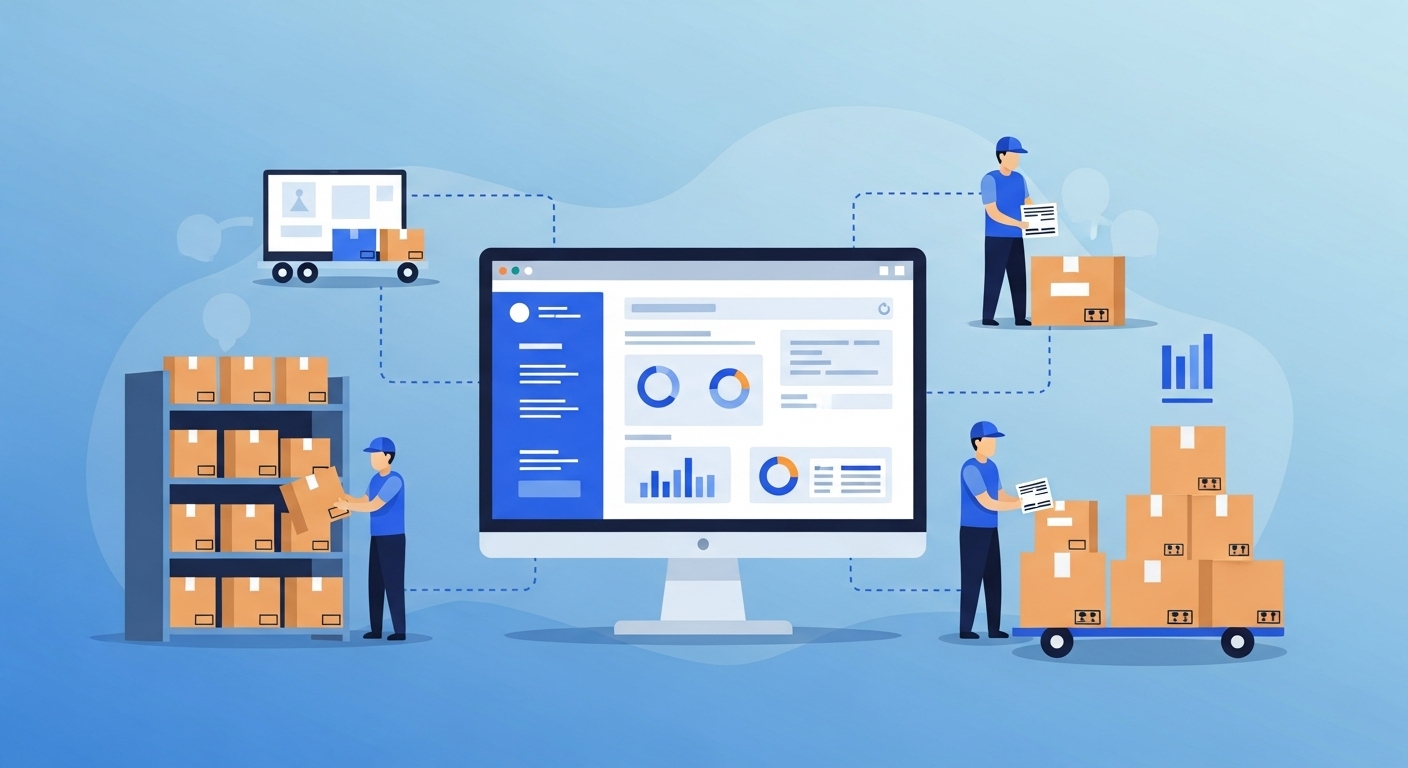
Unlike basic shipping tools, order fulfilment software connects inventory, warehouse operations, and shipping carriers into one centralized platform. For ecommerce brands, it acts as the operational backbone that ensures every order is processed accurately and delivered on time.
For small and mid-sized businesses, fulfillment software often replaces spreadsheets and manual coordination. For larger brands or those working with 3PLs, it becomes the system that aligns warehouses, marketplaces, and logistics partners in real time.
Benefits of order fulfillment software
Faster and more accurate order processing
Manual order handling creates delays and errors that scale poorly. With the best order fulfillment software, orders flow automatically from your ecommerce platforms into the fulfillment system. Pick and pack instructions are generated instantly, reducing processing time and minimizing human error that leads to reships and refunds.
Centralized inventory across multiple sales channels
Overselling damages trust and creates operational chaos. Fulfillment software synchronizes inventory across Shopify, Amazon, Walmart, TikTok Shop, and other channels in real time. This ensures stock levels remain accurate regardless of where the order originates.
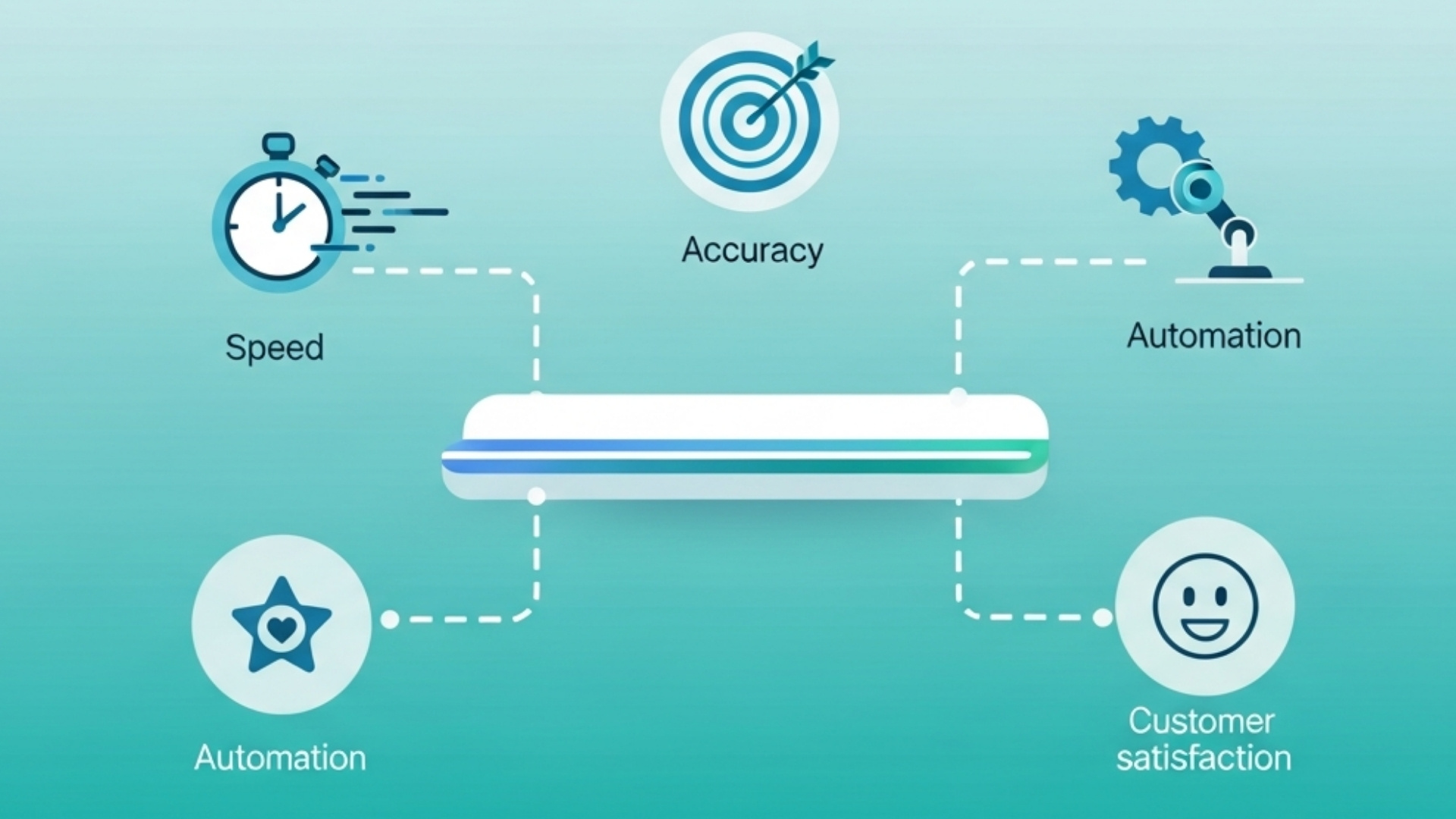
For brands selling on multiple marketplaces, centralized inventory is one of the most valuable benefits of inventory and order fulfillment software.
Lower costs and fewer shipping errors
Every mispick or incorrect shipment has a real cost. Fulfillment software reduces these errors by automating order routing, barcode validation, and shipping label generation. Many platforms also integrate carrier rate shopping, helping brands access lower shipping costs without manual comparison.
Scalability for growing businesses
Spreadsheets may work for the first hundred orders, but they fail quickly as volume increases. The best fulfillment software supports automation, batch picking, and workflow rules that allow teams to handle peak seasons without adding unnecessary labor.
This scalability makes fulfillment software especially valuable for fulfillment software small business use cases as brands transition from startup to growth stage.
Better customer experience
Customers judge brands based on delivery speed, accuracy, and transparency. Fulfillment software enables faster processing, real-time tracking updates, and smoother returns. This leads to fewer support tickets, higher repeat purchases, and stronger brand credibility.
3 Comparison criteria you should know before choosing order fulfillment software
Pricing structure and cost transparency
Most ecommerce fulfillment software platforms operate on monthly or annual subscriptions. Pricing should align with your order volume, SKU count and operational complexity. Extremely cheap solutions often lack automation and reporting features, while overpriced tools may exceed the needs of smaller teams.
The best order fulfillment software balances affordability with long-term scalability.
Features and functional depth
Core features should include inventory management, order automation, shipping integrations, reporting, and multi-channel support. Advanced features such as multi-warehouse routing, kitting, and demand forecasting become critical as operations grow.
Always confirm whether the software can scale with your business rather than requiring a platform change later.
Ease of use and adoption
Even powerful software fails if teams cannot use it effectively. Look for intuitive dashboards, clear workflows, and strong onboarding support. Faster adoption means quicker ROI and fewer operational disruptions.
Top 12 best order fulfillment software solutions
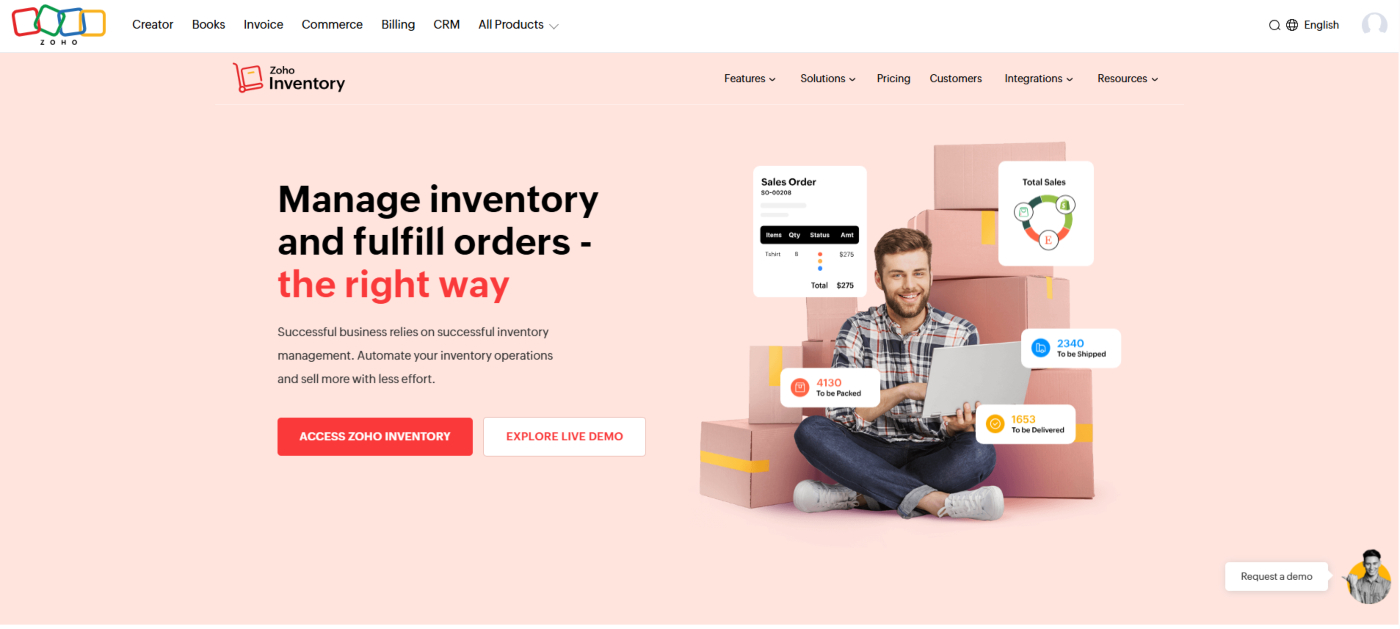
Zoho Inventory
Zoho Inventory is a strong entry-level solution for small ecommerce brands. It offers inventory tracking, order automation, and integrations with major ecommerce platforms. Best suited for businesses looking for affordable order fulfillment software with basic functionality.
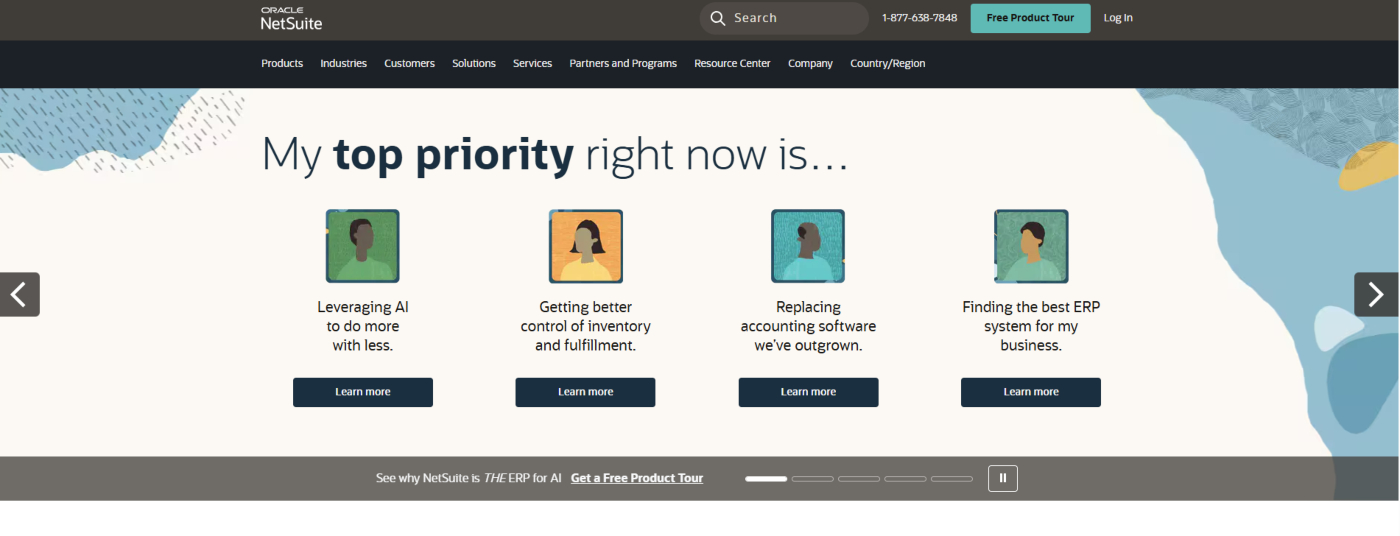
NetSuite
NetSuite is an enterprise-grade platform combining ERP and fulfillment capabilities. It supports complex inventory logic, advanced reporting, and multi-location operations. Ideal for larger organizations with sophisticated supply chains.
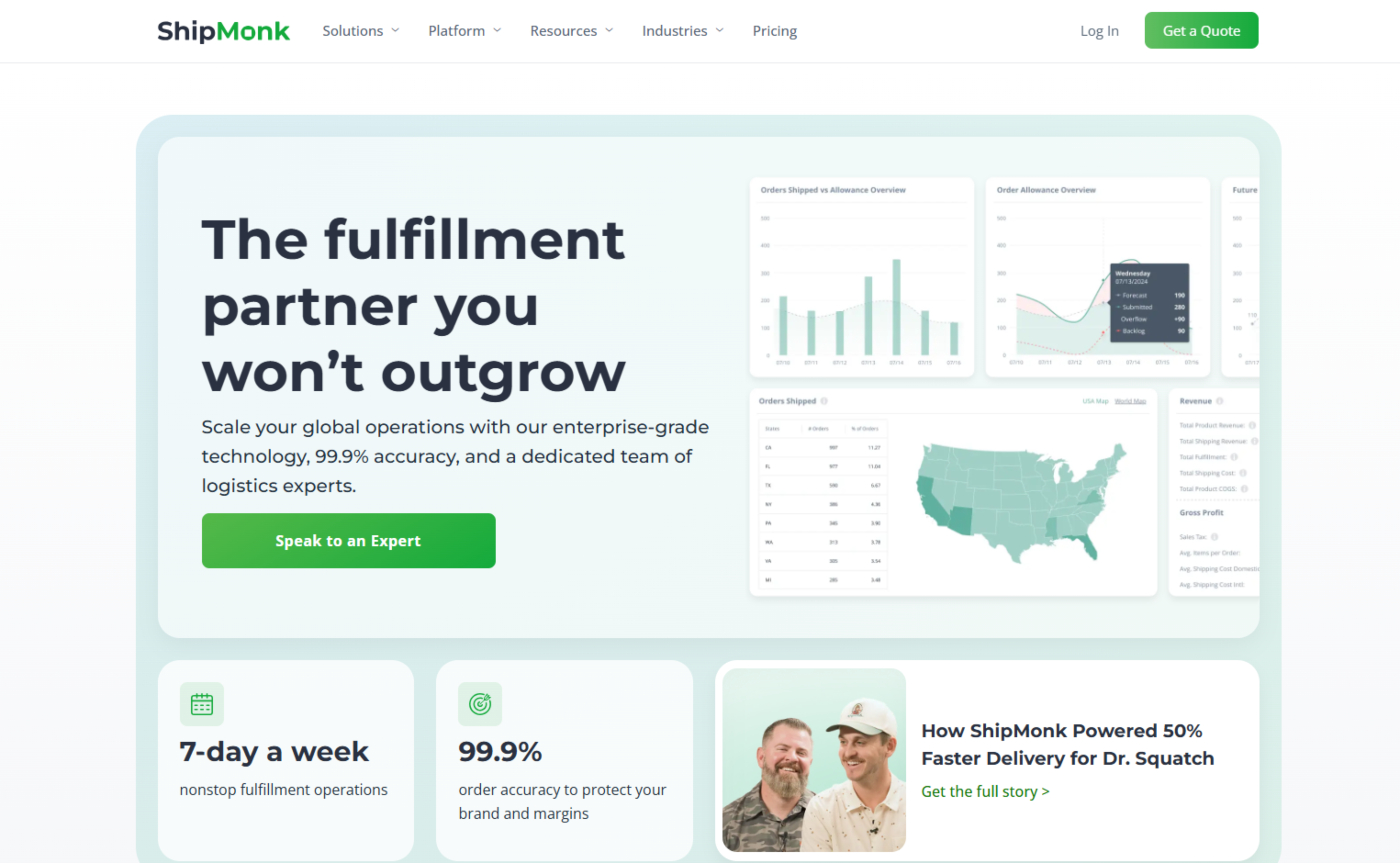
ShipMonk
ShipMonk combines fulfillment services with proprietary software. It is popular among DTC brands that want both technology and physical fulfillment support. The platform excels in kitting, subscriptions, and branded packaging.
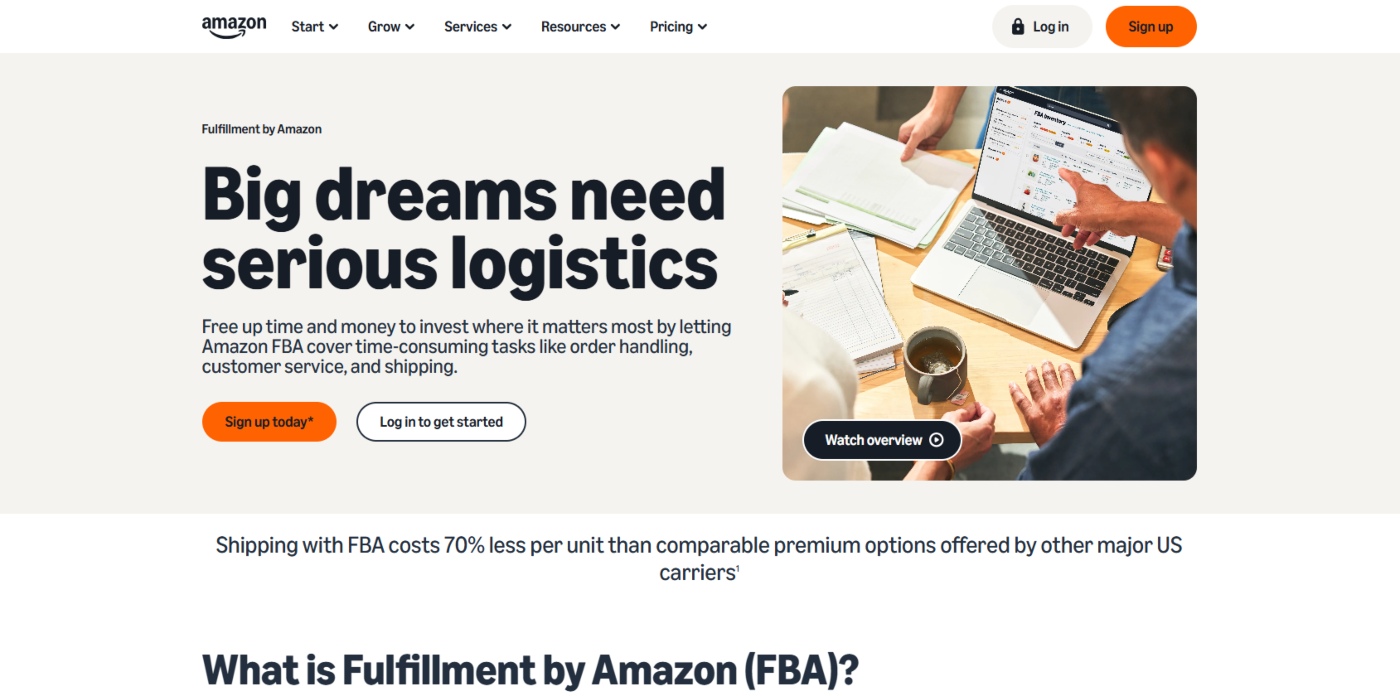
Amazon Fulfillment by Amazon
FBA is an order fulfillment software solution that integrates fulfillment services within the Amazon ecosystem, allowing sellers to automate inventory, order processing, shipping, and returns through Seller Central.
FBA is suitable for small businesses focused on selling on Amazon, thanks to its Prime eligibility, fast shipping speeds, and simple operational processes.
ShipBob
ShipBob offers a fulfillment platform tightly integrated with its warehouse network. The software provides real-time inventory visibility, analytics, and automated shipping workflows. It is well-suited for high-growth ecommerce brands.

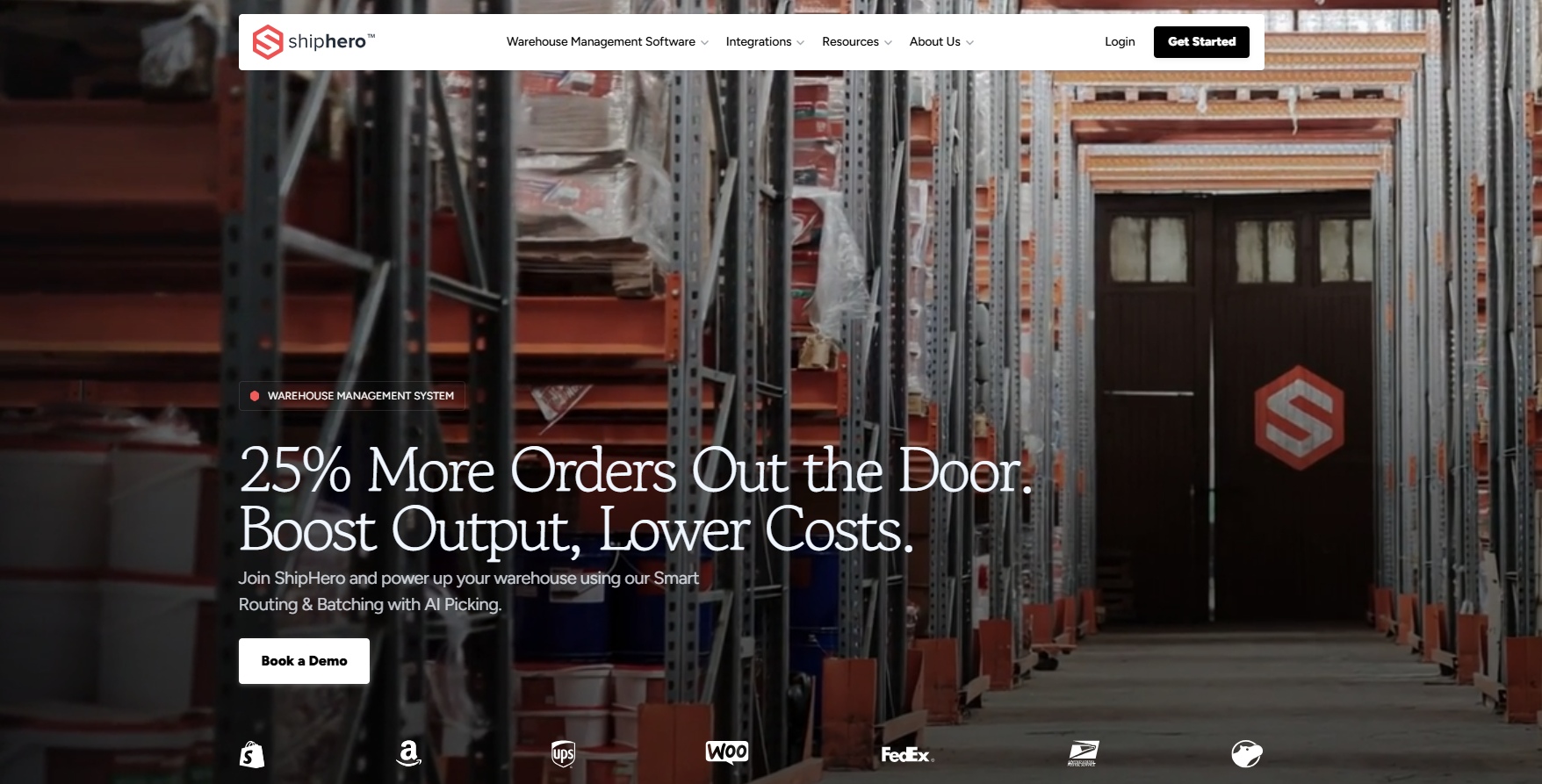
ShipHero
ShipHero is designed for warehouse-centric operations and fast-growing brands. It supports advanced picking workflows, automation, and analytics. Often used by brands operating their own warehouses or hybrid fulfillment models.
ShippingEasy
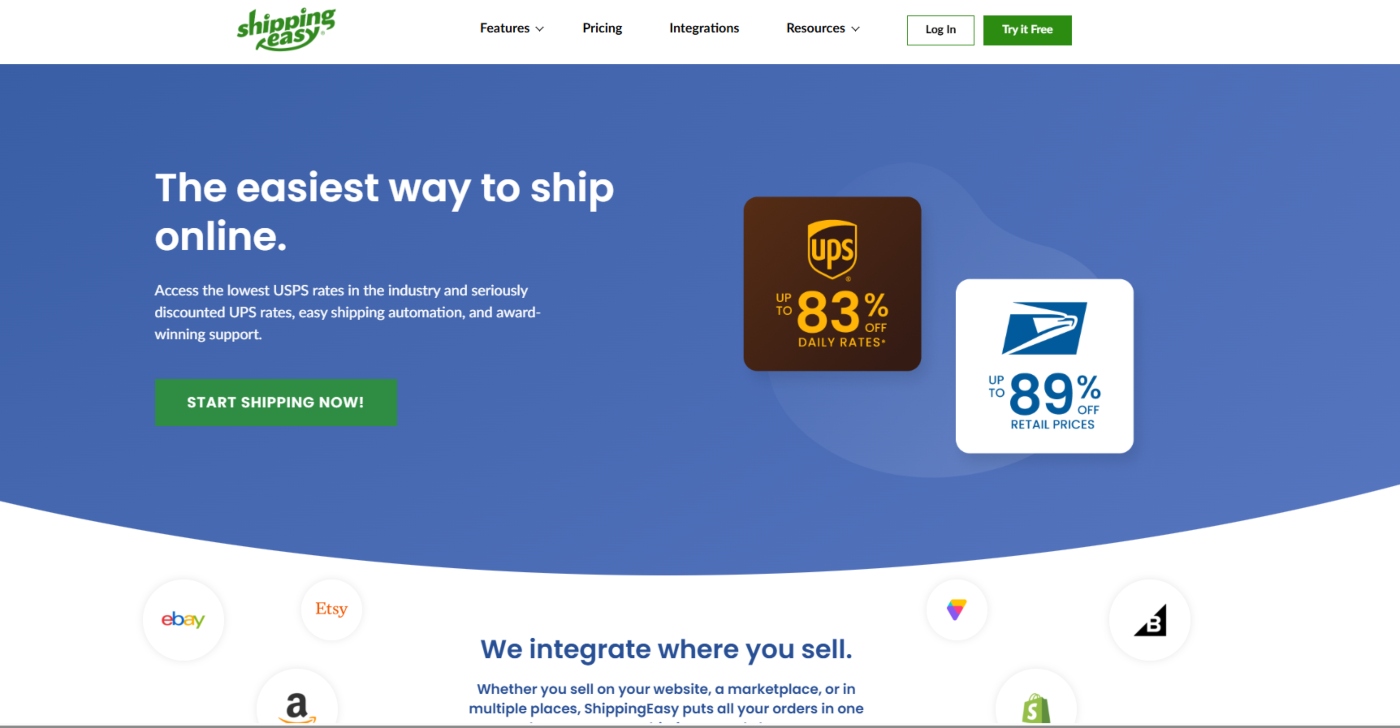
ShippingEasy focuses on order and shipping management rather than full warehouse operations. It is a lightweight option for small sellers needing basic automation and carrier integrations.
ShipStation
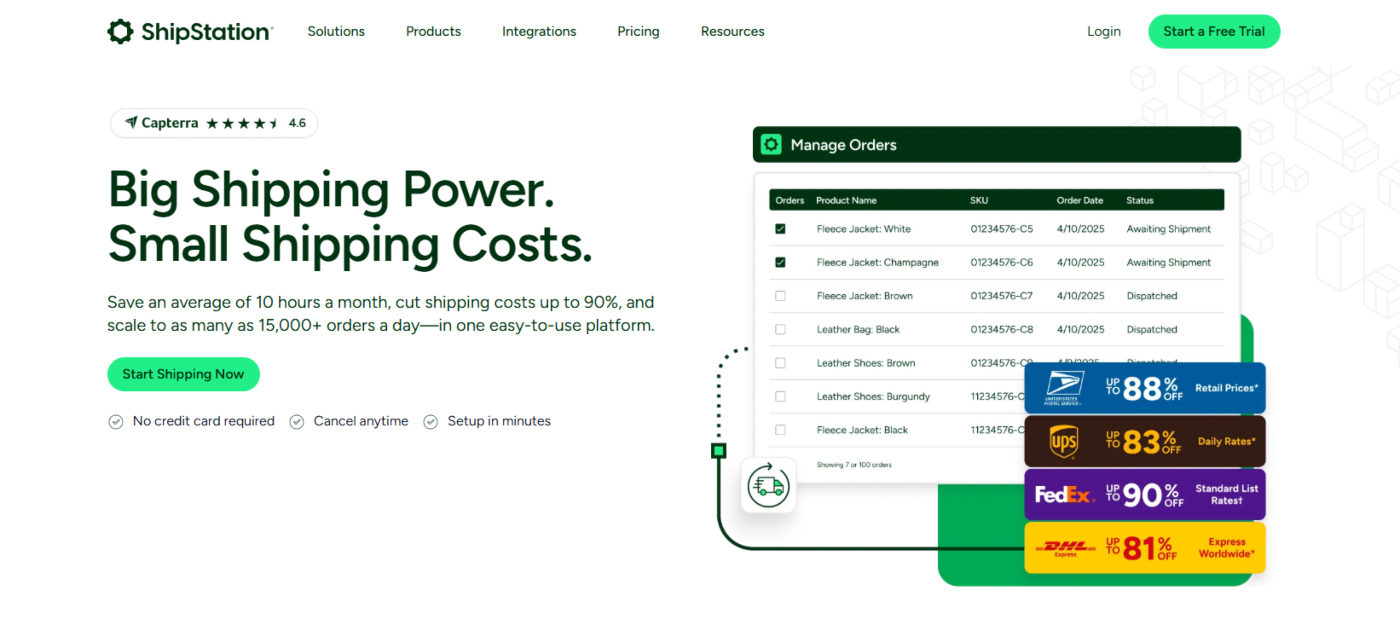
ShipStation is a popular shipping-focused platform that supports order imports, label creation, and carrier comparisons. It works best when paired with separate inventory systems.
Fishbowl
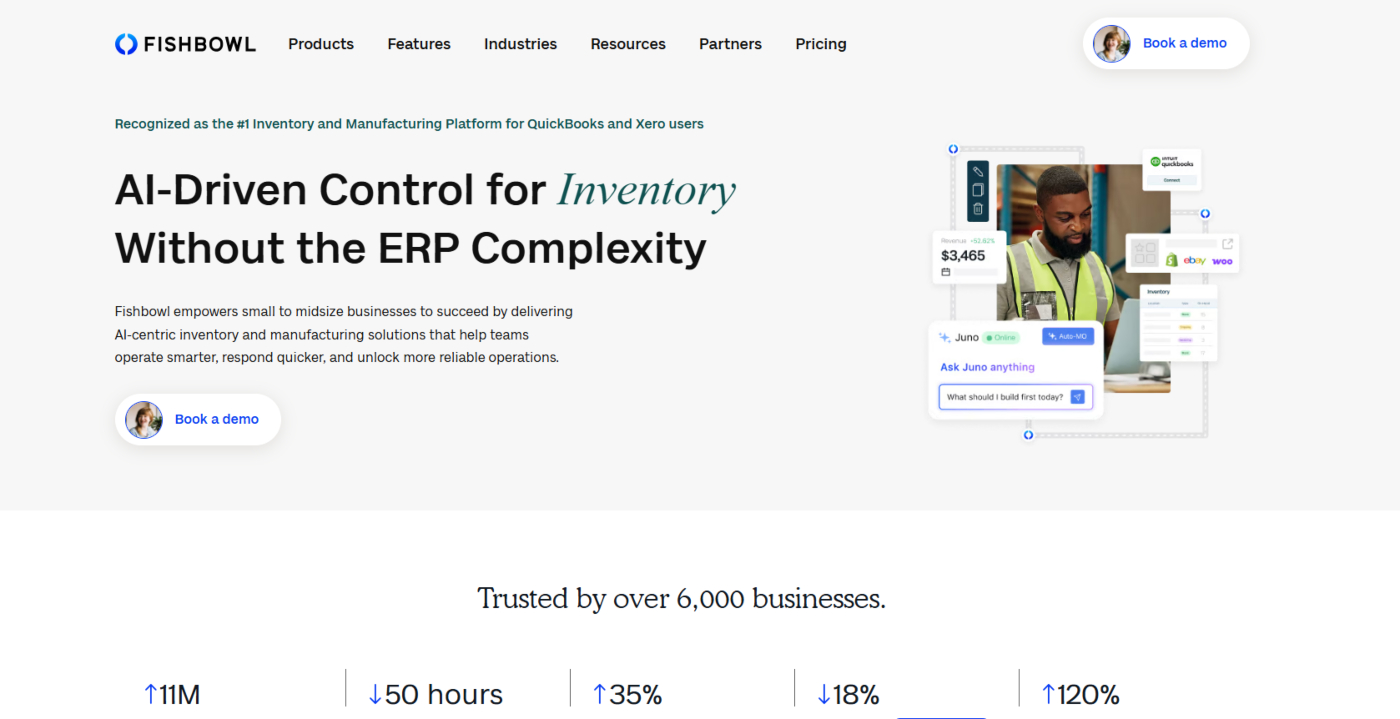
Fishbowl is a robust inventory management system with fulfillment capabilities. It is commonly used by manufacturers and B2B sellers with complex inventory structures.
inFlow Inventory
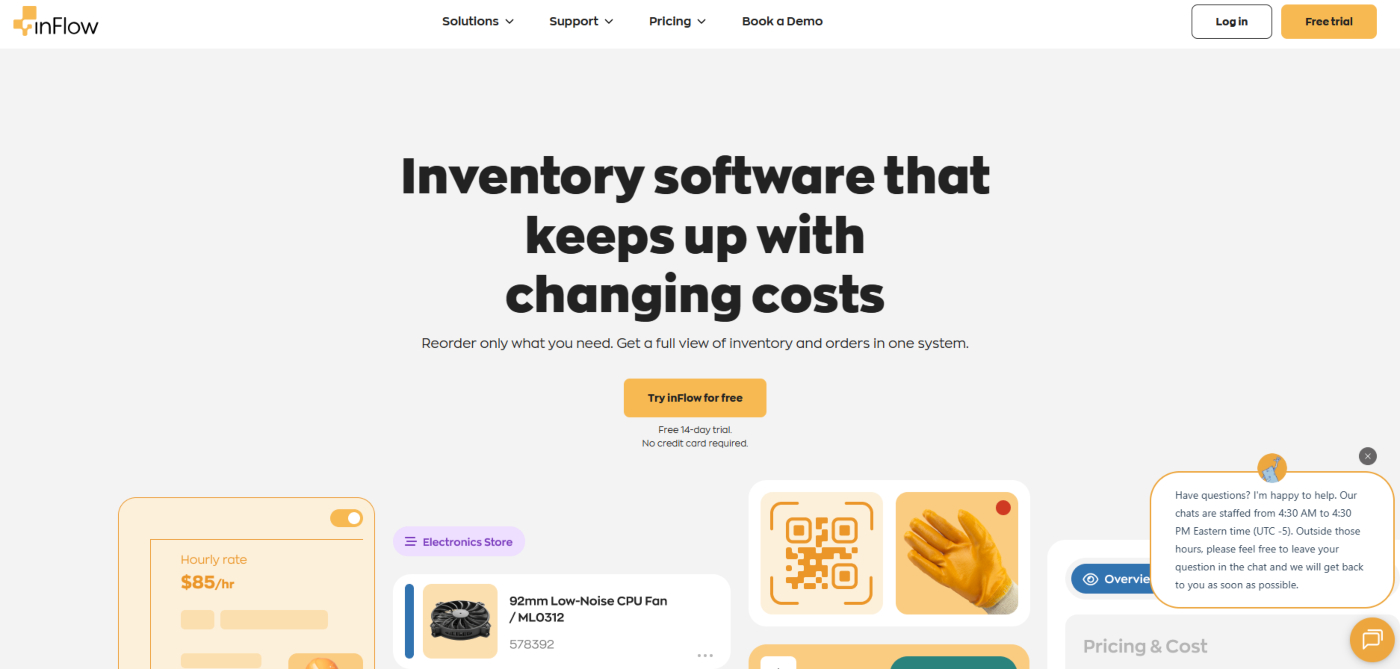
inFlow Inventory is a user-friendly solution for small businesses needing inventory and order control. It supports barcode scanning, reporting, and ecommerce integrations.
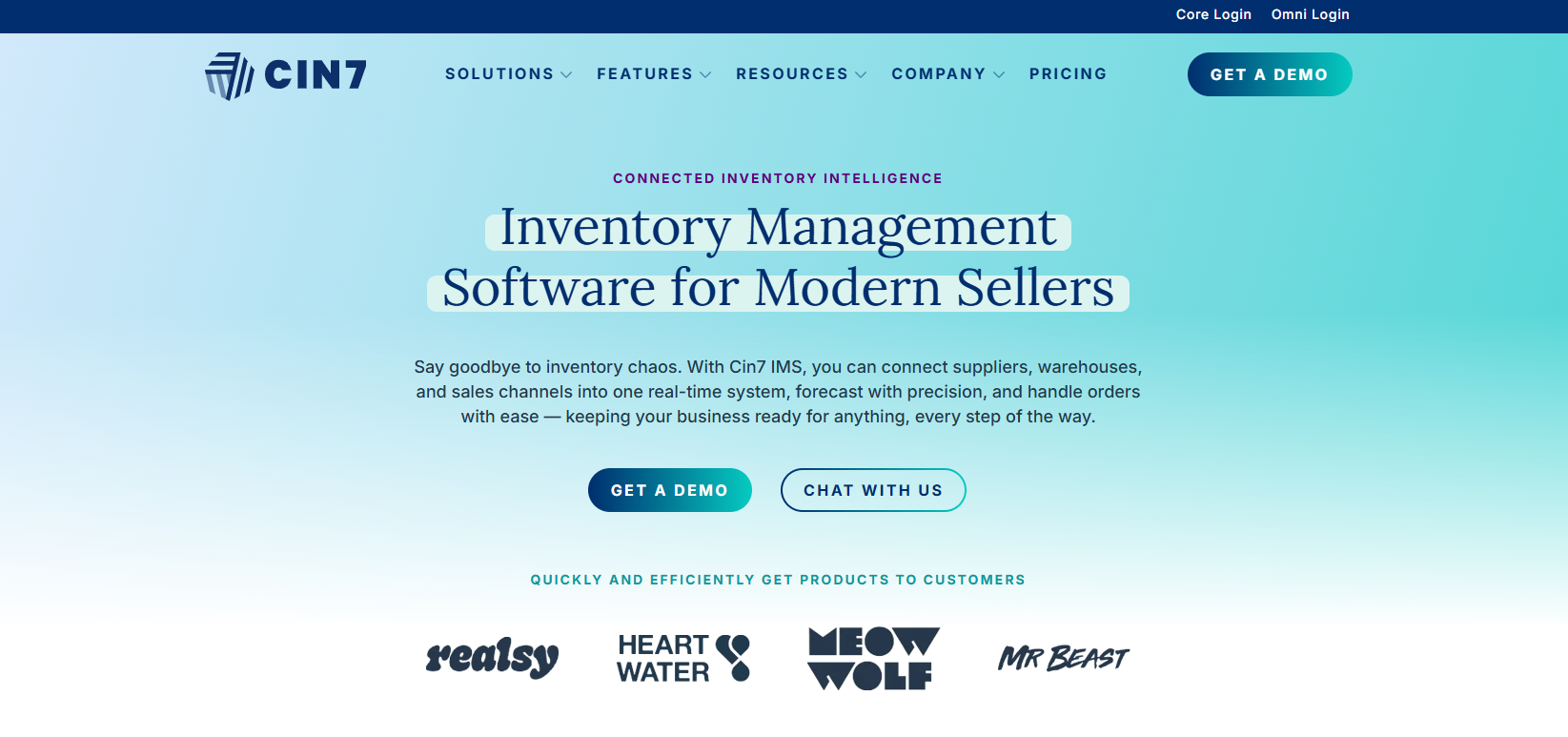
Cin7
Cin7 is a powerful inventory and order fulfillment software platform for multi-channel e-commerce businesses, especially those with a B2B + DTC model.
This platform supports deep integration with Shopify, Amazon, Walmart, Xero, QuickBooks, and POS systems, helping businesses control the flow of orders from online to offline without manual processing.
Linnworks
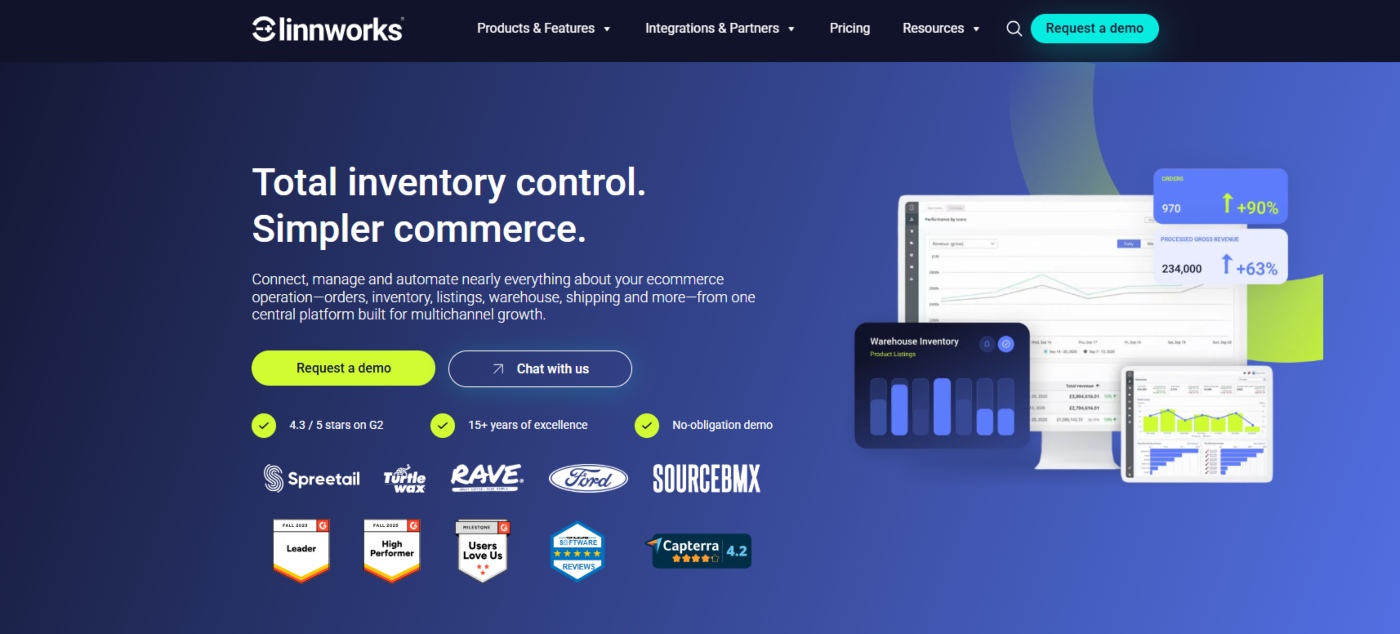
Linnworks is one of the oldest e-commerce fulfillment software platforms, focusing heavily on order orchestration and inventory control for multi-channel businesses with high order volumes.
10 essential questions to ask before choosing order fulfillment software
Choosing the best order fulfillment software requires more than feature comparison. These questions help ensure the platform aligns with your operational reality.
First, what types of products do you fulfill, including size, weight, and value. Product characteristics determine workflow complexity.
Second, how many SKUs you manage actively and whether the system supports variants, bundles, and kits.
Third, how complex typical orders are and whether the software supports batch picking and optimization.
Fourth, who handles picking and packing and whether internal teams or 3PLs require shared access.
Fifth, whether packaging is part of your brand experience and requires customization.
Sixth, your monthly order volume and expected growth over the next year.
Seventh, which sales channels you operate and how deeply the software integrates with them.
Eighth, where customers are located and whether multi-warehouse routing is supported.
Ninth, what delivery expectations customers have regarding speed and tracking.
Tenth, which fulfillment KPIs you monitor and whether the software provides actionable analytics.
How To Choose Order Fulfillment Software That Fits Your Business
Step 1: Define fulfillment scope
Decide whether the software will manage all orders or only specific channels or warehouses. Flexibility is critical as fulfillment models evolve.
Step 2: Review existing systems
Ensure the fulfillment software integrates seamlessly with your ecommerce platforms, accounting tools, and marketplaces. Poor integrations create manual work and errors.
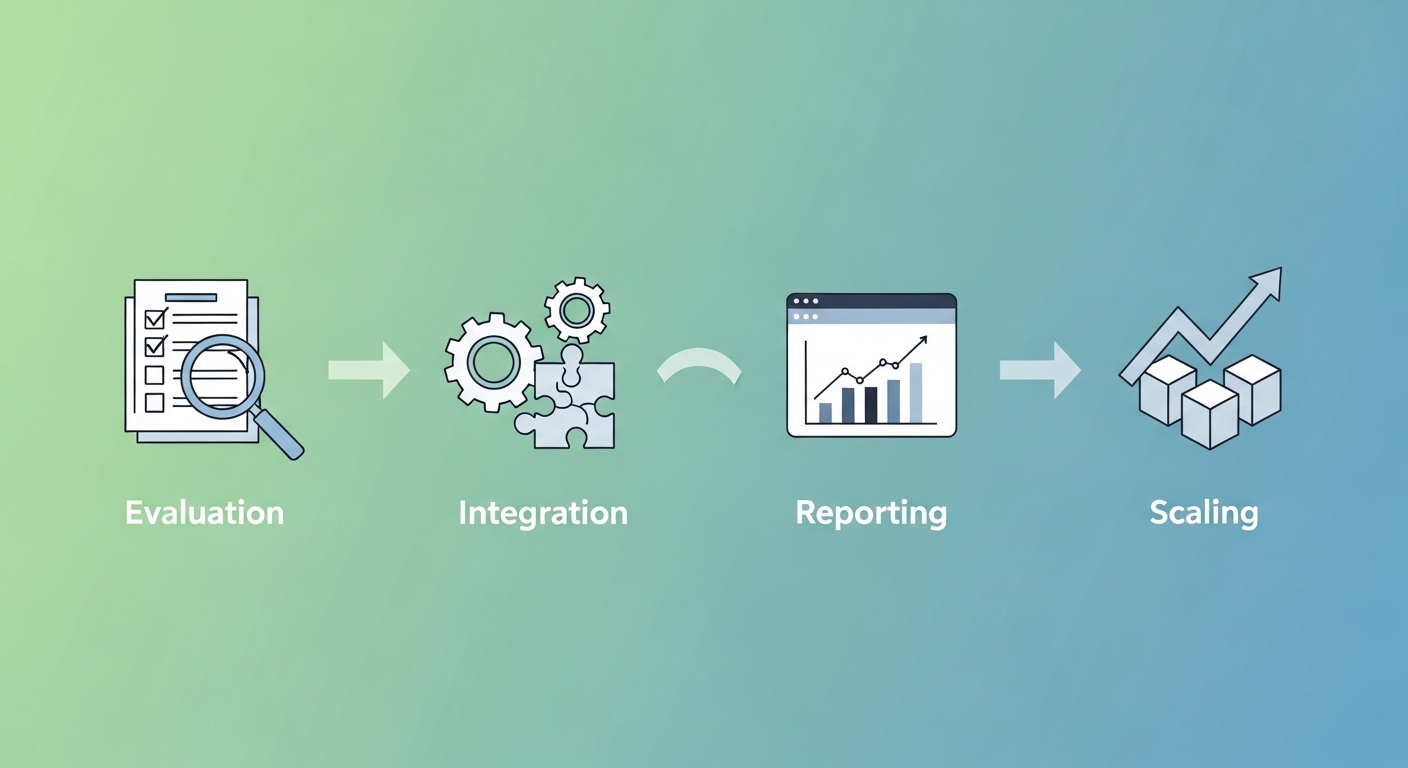
Step 3: Evaluate reporting and insights
Choose software that delivers meaningful data. Metrics such as order accuracy, on-time shipping, and inventory turnover should be easy to access and understand.
Step 4: Consider 3PL compatibility
If outsourcing fulfillment now or in the future, ensure the software supports multi-warehouse and third-party workflows. Many brands eventually benefit from pairing fulfillment software with a logistics partner.
Order Fulfillment Software FAQs
Is order fulfillment software necessary for small businesses?
Yes. Even small teams benefit from automation, inventory accuracy, and shipping efficiency as order volume grows.
Can fulfillment software integrate with 3PLs?
Most modern platforms support integrations with major 3PLs and fulfillment centers.
How long does implementation take?
Implementation ranges from a few days for simple setups to several weeks for complex operations.
Does fulfillment software reduce costs?
Yes. Automation reduces labor, errors, and shipping costs while improving scalability.
Conclusion
Choosing the best order fulfillment software is a foundational decision for ecommerce growth. The right platform improves accuracy, reduces costs, and enables scalability without operational chaos.
Whether you are a small business managing your first warehouse or a scaling brand working with multiple fulfillment partners, investing in the right fulfillment software transforms logistics from a liability into a competitive advantage.
Start by assessing your current operations, defining future needs, and comparing platforms against real-world workflows. With the right system in place, fulfillment becomes a growth engine rather than a constraint.