
What is Dropshipping and Can You Start with $0?
Dropshipping is often described as an easy way to start an online business, especially for beginners. Instead of buying products in advance or dealing with storage and shipping, you simply focus on selling.
You choose products to sell, and when a customer places an order, a supplier handles the rest by packing and shipping the product directly to them. This setup is what makes dropshipping different from traditional ecommerce and why many people believe it can be started with little or no money.
Because customers pay for the product before you place the order with the supplier, dropshipping does not require you to buy inventory upfront.
This is the key reason why many beginners can start dropshipping with very little money, or even no money at all. By using free platforms and organic traffic instead of paid advertising, you can make your first sales without spending on ads or tools.
Is it possible to start dropshipping with no money?
Starting dropshipping with $0 is possible, but it is not realistic for fast results or sustainable growth without eventually using. However, starting dropshipping with no capital comes with clear limitations. Without paid advertising, traffic relies heavily on consistency, content quality, and algorithm performance, which makes results unpredictable and inefficient.
What You Need to Start Dropshipping for Free
Starting dropshipping with no money is possible, but it requires using free tools, relying on organic traffic, and handling most tasks manually. Instead of investing capital, you invest time, consistency, and effort.
To start dropshipping for free, you need the following core elements:
1. A free selling platform
To start dropshipping for free, you first need a place where potential customers can view your products, trust your offer, and place an order. At this stage, the goal is not to build a perfect online store, but to validate products and learn how the selling process works.
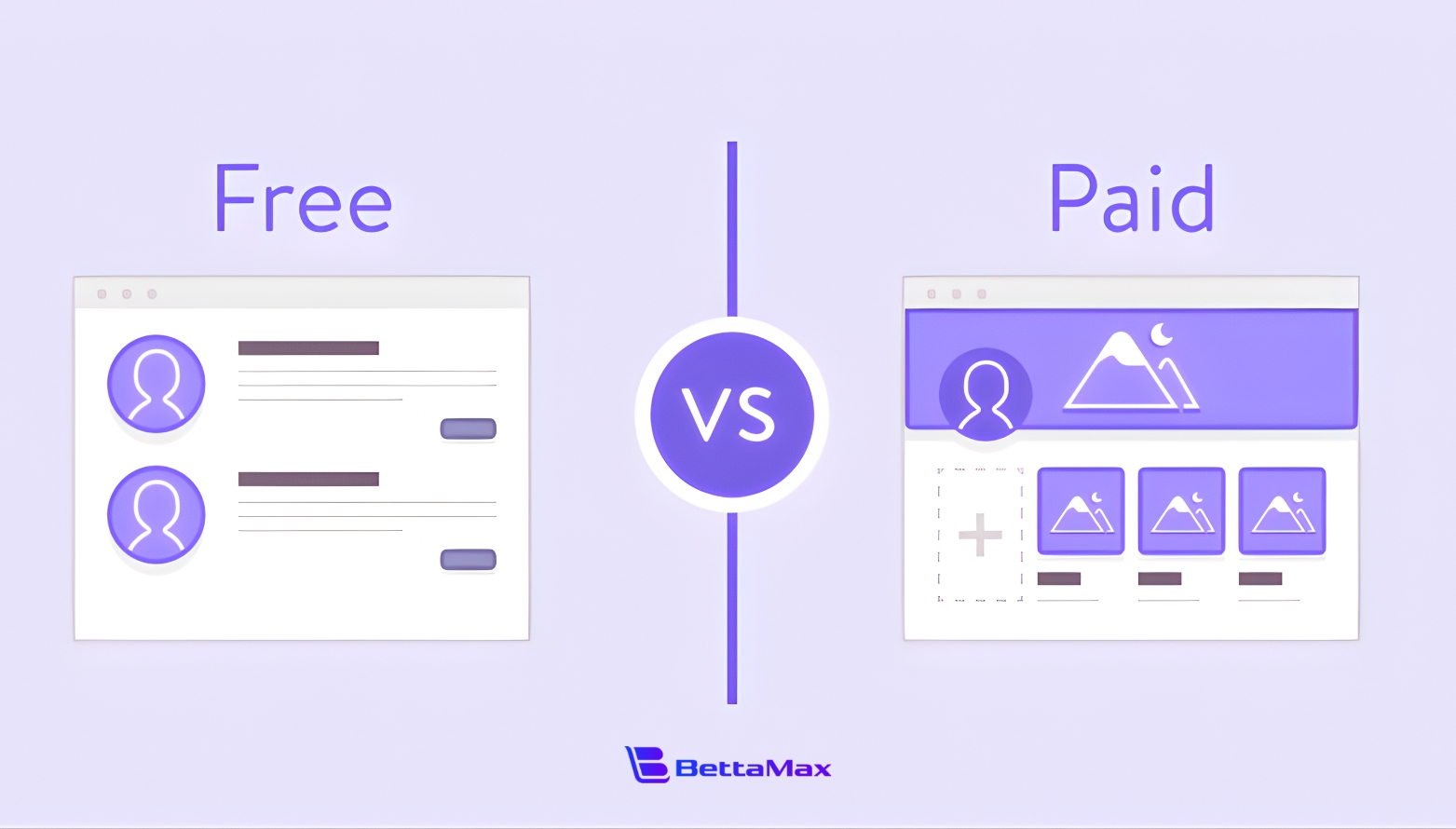
Instead of investing in paid ecommerce platforms, beginners can use free selling platforms that already have traffic or offer basic storefront functionality.
Social Media Platforms
Social media platforms are the most common choice when starting dropshipping with no money. They allow you to showcase products, communicate directly with customers, and close sales without needing a website.
- TikTok Shop
- Instagram Shop / Facebook Shop
- Direct messaging (DM-based selling)
Free Website Builders
If you want a simple storefront instead of relying entirely on social platforms, free website builders can be used to display products and collect orders.
| Platform | Cost | Fees | Key Features & Considerations |
|---|---|---|---|
| Shopify (Free Trial) | $0 (trial period) | None | Easiest setup for beginners, supports dropshipping apps, full checkout flow. Not free long-term and requires a paid plan after the trial. |
| Wix (Free Plan) | $0 | None | Drag-and-drop builder with strong design templates. Ecommerce checkout is locked behind paid plans; suitable mainly for product display and order forms. |
| WordPress + WooCommerce | $0 (with free hosting) | None | Full control over store and data. Requires more technical setup and has performance limits on free hosting; best for testing and learning. |
2. Dropshipping suppliers with no upfront costs
When starting dropshipping with $0, choosing the right suppliers is critical. You should only work with suppliers that allow you to list and sell products without any upfront payments or inventory commitments.
Key requirements to look for:
- Free supplier registration
- No minimum order quantities (MOQ)
- Pay-per-order fulfillment
- Ability to ship directly to customers
These conditions allow you to sell products first and pay the supplier only after you receive a customer order. Common free supplier options:
- AliExpress – Large product selection with no upfront costs and global shipping.
- CJdropshipping – Free account, integrated sourcing, and order fulfillment.
- DSers (AliExpress-based) – Helps manage orders while keeping costs low.
- Local suppliers – Some local wholesalers offer dropshipping without minimum orders.
3. Products suitable for organic traffic
When starting dropshipping without an advertising budget, the product itself becomes the main driver of sales. You cannot rely on targeting, retargeting, or ad optimization. If a product cannot naturally attract attention, it simply will not sell.
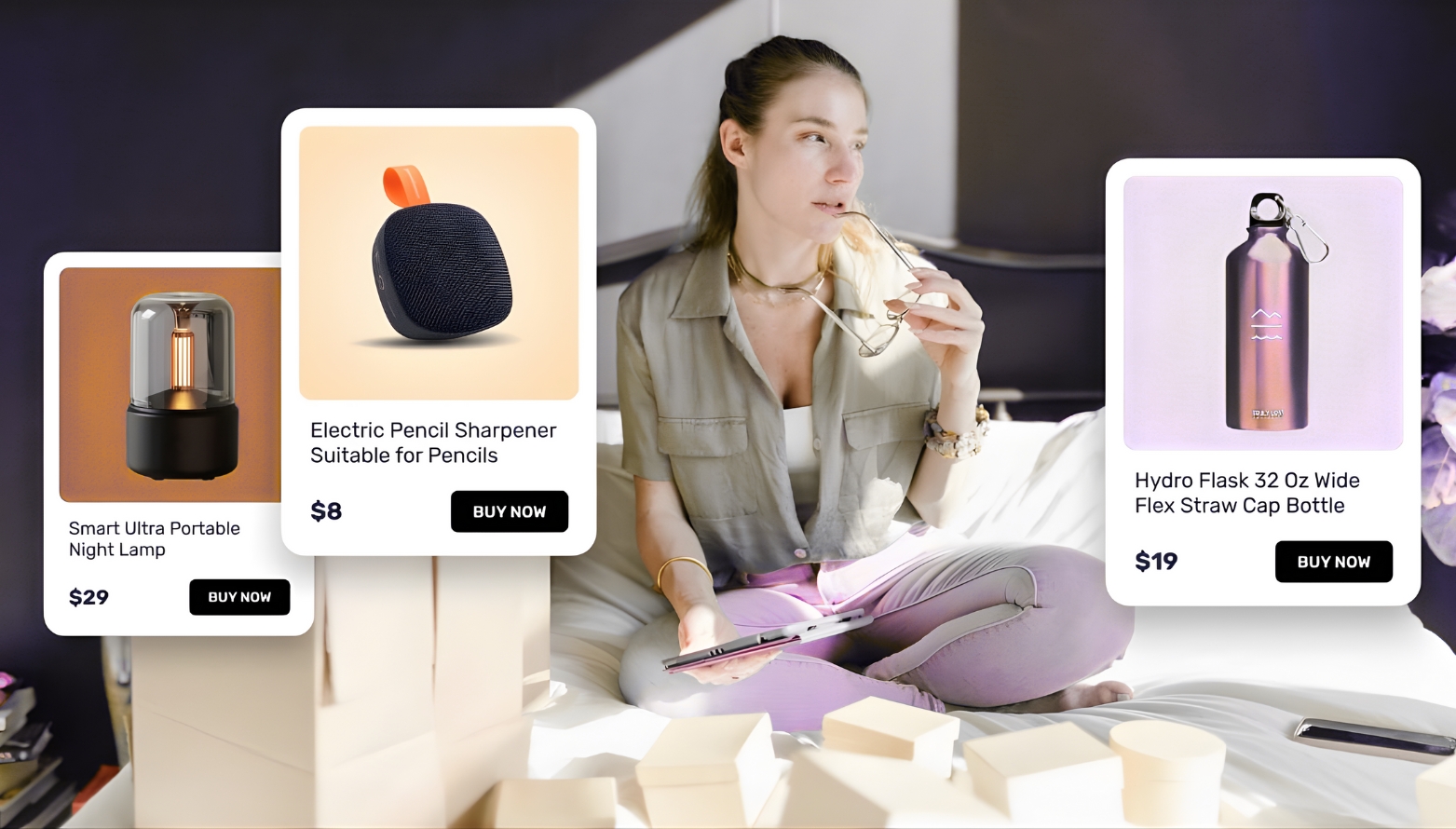
This is why many beginners fail at free dropshipping. The issue is not the business model, but the product choice. Many products require paid ads to explain their value, while organic platforms reward content that is instantly understandable. Viewers decide within seconds whether to keep watching or scroll away.
Products suitable for organic traffic usually share a few key characteristics:
- Easy to demonstrate visually with the benefit clearly shown
- Solve a simple and obvious problem
- Fit naturally into short form content on social platforms
- Low priced and low risk, making impulse purchases more likely
If a product needs long explanations, detailed comparisons, or strong branding to convince customers, organic traffic will not be enough. Without ads, you cannot control who sees the product or educate the market step by step.
Short form platforms favor products that can sell themselves through action, before and after results, or satisfying visuals. This is why everyday problem solving items, simple lifestyle tools, and visually appealing products tend to perform better when starting with $0.
High ticket items, complex products, or products that depend heavily on trust almost always struggle at the free stage. These products rely on paid traffic to build credibility and demand.
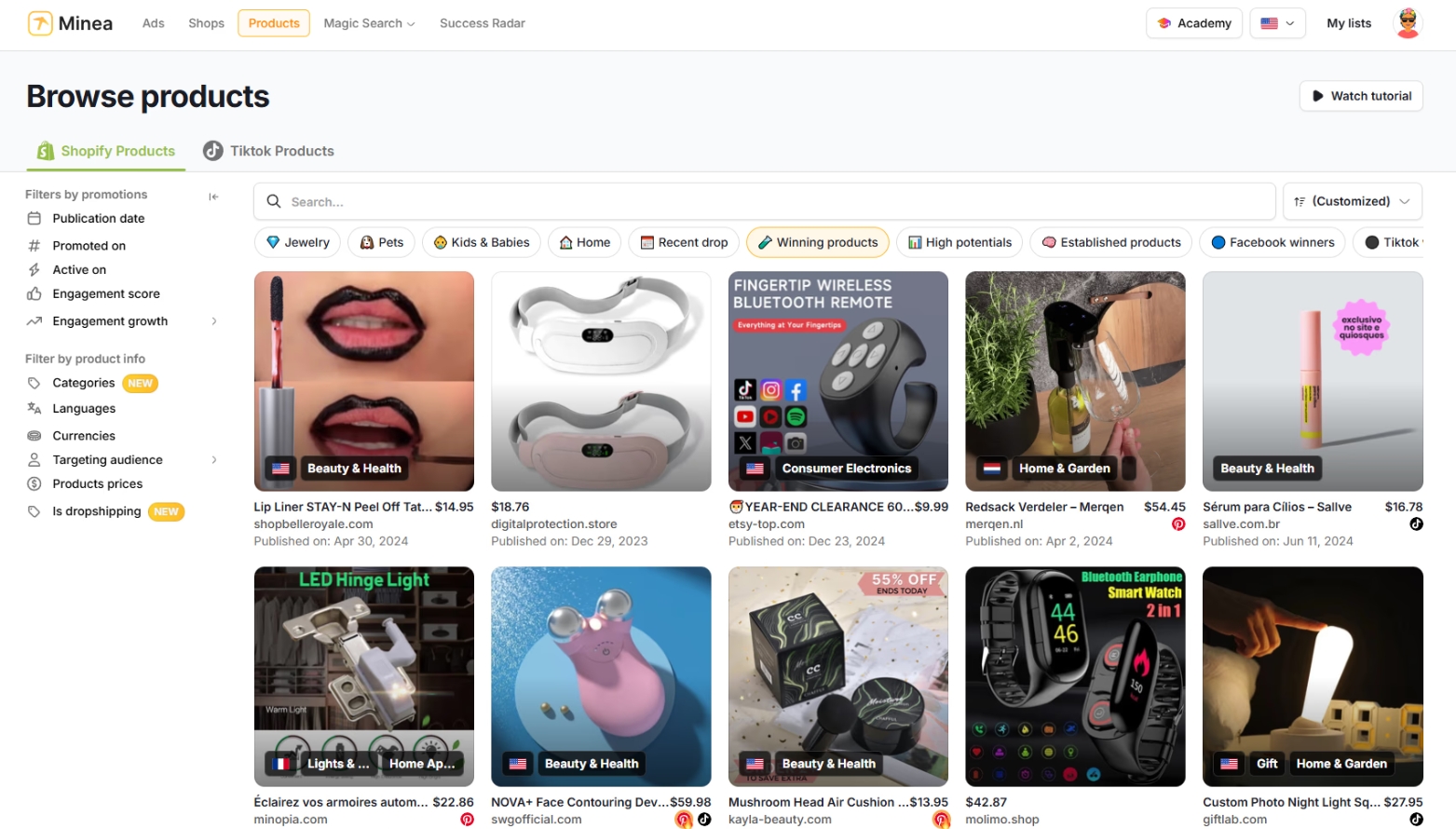
In free dropshipping, the goal is not to find the perfect product. The goal is to find a product that can create interest without explanation. If a product cannot stop the scroll on its own, it is not suitable for organic dropshipping.
4. Organic traffic sources
Without a budget for paid advertising, all traffic must come from organic channels. These sources do not require ad spend, but they do require time, consistency, and repeated testing.
Common organic traffic sources for free dropshipping include:
- TikTok
- Instagram Reels
- YouTube Shorts
- Facebook Groups
- Basic SEO
Short form video platforms usually deliver the fastest exposure, but results are inconsistent and depend heavily on content quality and timing. Community based platforms often convert more slowly but can provide higher trust and feedback.
SEO driven traffic takes the longest to produce results. It is not suitable for fast validation, but it helps build a long term foundation if maintained consistently.
Organic traffic is not free in effort. Content must be created regularly, performance must be monitored, and formats must be adjusted based on engagement. Without patience and consistency, organic dropshipping rarely works.
How to Start a Dropshipping Business with No Money (Total Guide)
Thinking about starting dropshipping with no upfront cost?
This step by step guide breaks down the exact process, from setting up free tools and selecting organic friendly products to driving traffic and making your first sales without relying on paid ads.
Step 1: Find the suitable niche & products
Every dropshipping business starts with understanding who you want to sell to. A niche is a clearly defined audience with shared needs, interests, or pain points. The more specific your audience is, the easier it becomes to attract attention and build trust.
A practical approach is to begin with topics you are already familiar with. Existing knowledge helps you understand what people care about, what problems they face, and what types of products make sense.
For example:
- If you enjoy cooking, you might focus on tools for home kitchens.
- If travel is your passion, you can build a store around products designed for frequent travelers.
- Interests like gaming, gardening, or wellness also have active communities looking for relevant solutions.
The goal is not to appeal to everyone, but to reach the right audience. Choosing a niche you genuinely understand makes research easier, content more natural, and long term consistency much more achievable.
Step 2: Setup store with free platform
Setting up your online store is a foundational step that affects how customers view your brand and how efficiently you can manage orders. Even when starting with no money, the platform you choose will directly impact your costs, flexibility, and long term growth.
At the free stage, it is important to understand that most ecommerce platforms only offer temporary or limited free options. As discussed earlier, platforms like Shopify and WordPress can be used to start with minimal cost, but they work very differently.
- Shopify is often the easiest option for beginners. It allows you to quickly create a professional looking store, manage products, and process orders. However, Shopify is not free long term. The free trial or promotional period only lasts for a limited time, usually around a few months. After that, a monthly subscription becomes mandatory, which turns Shopify into a recurring cost once the trial ends.
- WordPress with WooCommerce, on the other hand, can be set up using free hosting and free themes. This option offers more flexibility and avoids immediate subscription fees, making it suitable for optimizing costs at the beginning. The trade off is that setup and maintenance require more technical effort, and free hosting comes with performance and feature limitations.
When starting dropshipping with $0, both options can work as temporary solutions. Shopify is ideal for learning and speed, while WordPress is better for cost control. The key is to choose a platform that matches your short term budget while keeping in mind that most free setups are not permanent and will eventually require investment.
Step 3: Market dropshipping business with free traffic
When doing dropshipping without a marketing budget, all promotional efforts can be grouped into two main approaches. Each approach plays a different role and works best when used together.
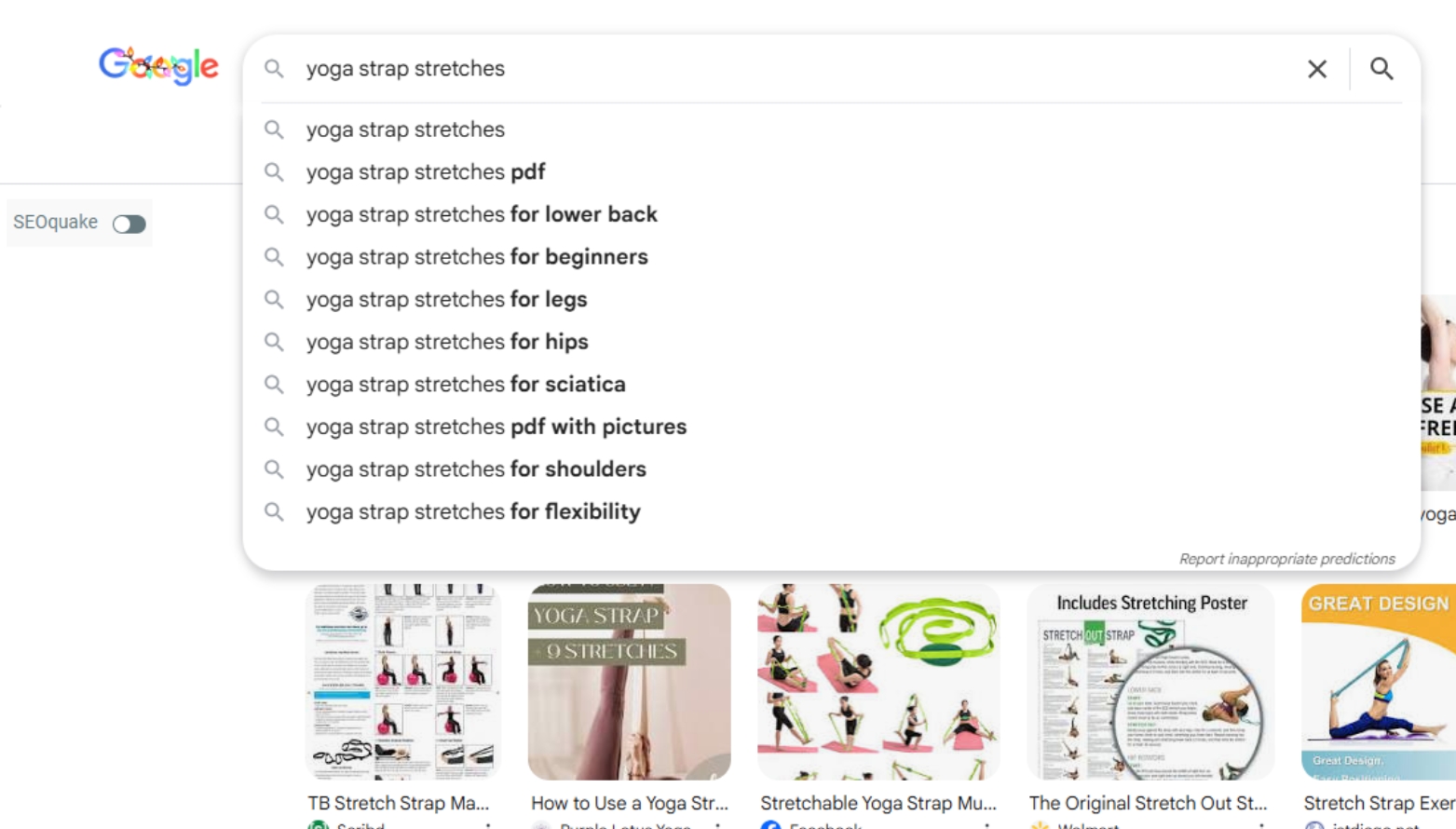
The first approach is passive marketing, which focuses on building long term visibility and allowing customers to find your products when they already have buying intent. This method is slower, but more stable and sustainable over time.
Passive marketing includes:
- SEO optimization for product titles, descriptions, and meta tags
- Image optimization using high quality visuals and descriptive alt text
- Clear product pages that help customers make decisions easily
With this approach, customers actively search for solutions and discover your store through search engines or image results. While it takes time to see results, the traffic tends to be more targeted and ready to buy.
The second approach is active marketing, where you proactively reach customers through content. This is currently most effective through short form video, which allows products to gain exposure quickly without ad spend.
Active marketing includes:
- Short form videos demonstrating the product in use
- Content that highlights a problem and shows a clear solution
- Posting consistently on platforms like TikTok, Instagram Reels, and YouTube Shorts
This method relies on attention and engagement rather than search intent. A single viral video can drive a large amount of traffic in a short time, but results can be inconsistent and require frequent testing.
Step 4: Manage orders & provide good customer service
Even when starting dropshipping with no money, order management and customer service should never be overlooked. Since you don’t control shipping or inventory directly, how you communicate with customers often determines whether they trust your store and come back to buy again.
At the beginning, most order management tasks are manual. This includes forwarding orders to suppliers, tracking shipping status, and updating customers when needed. Clear communication helps reduce disputes, refunds, and negative feedback, especially when delivery times are longer than expected.
Good customer service is one of the strongest advantages small dropshipping stores have over larger competitors. You don’t need advanced tools or a support team, just consistency and attention.
Key practices to focus on:
- Speed: Respond to customer messages within 24 hours whenever possible
- Friendliness: Use polite, human language and address customers by name
- Proactivity: Inform customers early about delays, stock issues, or shipping updates
- Consistency: Keep the same tone and service quality across email, social media, and messaging platforms
- Gratitude: Thank customers for their purchase and support, even with simple messages
- Feedback: Encourage reviews and use customer input to improve product pages and service
When customers feel supported and informed, they are more likely to be patient with delivery times and trust your brand. Over time, this leads to repeat orders, positive reviews, and organic word of mouth, all of which are extremely valuable when growing a dropshipping business without paid advertising.
Conclusion
Starting a dropshipping business with no money is not impossible, but it is not a shortcut to fast success either. The model works because you don’t need to buy inventory upfront, yet the real cost comes in the form of time, consistency, and effort.
FAQ: How to Start a Successful Dropshipping Business for Free
1. How long does it take to get the first sale when starting for free?
For most beginners, it takes longer compared to paid advertising. Results often depend on content consistency, product choice, and traffic sources. Some people get their first sale within weeks, while others may take a few months, especially when relying only on organic traffic.
2. Is organic traffic enough to build a sustainable dropshipping business?
Organic traffic can work, especially for product validation and learning the process. However, growth is slower and less predictable. Many successful dropshippers eventually combine organic methods with paid ads to increase reach and revenue more consistently.
3. What are the biggest challenges of free dropshipping?
Starting dropshipping without money removes financial risk, but it also introduces several limitations that beginners need to understand early. These challenges are not deal breakers, but they do affect speed, efficiency, and long term growth.
The most common challenges include:
- Slow traffic growth
- Manual order and store management
- Limited store features and customization
- Lower control over branding and customer experience
- Higher time investment instead of money
- Harder product testing and scaling
Free dropshipping works best as a learning phase. Understanding these challenges early helps you set realistic expectations and prepare for the transition from a no budget setup to a more scalable business model when revenue allows.
4. Do free platforms look unprofessional to customers?
Not necessarily. Customers care more about trust, clarity, and product value than the platform itself. A simple but well organized store with clear product information, policies, and communication can still convert well, even on free or limited tools.
6. Can you scale a dropshipping business that started with $0?
Yes, many stores start this way. The key is to reinvest profits wisely. Once you validate products and understand your audience, upgrading platforms, improving branding, and using paid traffic become much easier and less risky.
7. Is free dropshipping recommended for beginners?
Yes, free dropshipping is generally recommended for beginners, especially those who want to understand the business model before investing money. It allows you to learn through real experience while minimizing financial risk.
Free dropshipping helps beginners:
- Learn how product research works and which products attract real demand
- Understand customer behavior, including buying intent, objections, and expectations
- Practice order management and communication with suppliers
- Improve basic skills in content creation, store setup, and organic marketing
For beginners, mistakes are inevitable. Starting without a budget makes these mistakes less costly and less stressful, which encourages experimentation and learning.
However, free dropshipping also requires patience. Progress is slower, and results depend heavily on consistency and effort rather than tools or ad spend. Beginners who treat this phase as a learning process, not a quick money strategy, tend to benefit the most.