
In this guide, we break down the key trends, emerging opportunities, and real challenges shaping dropshipping in 2026, helping you decide whether starting dropshipping now is a smart move or a costly mistake.
What is Dropshipping?
Dropshipping is a way to run an online store without keeping products in stock. When someone buys from your store, you send the order to a supplier, and they pack and ship it directly to the customer.
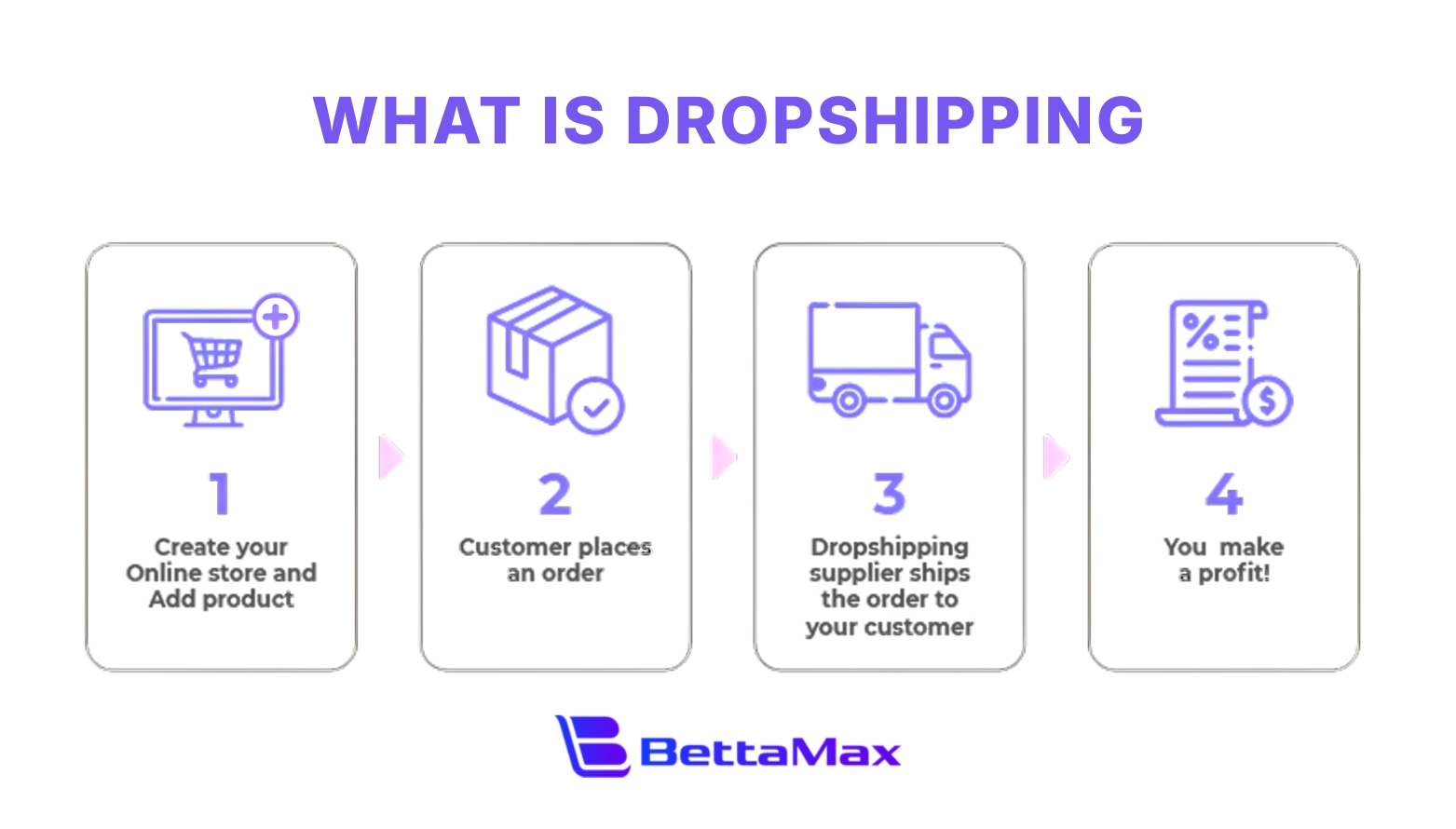
This means you don’t need a warehouse or a lot of money to start. It’s easy to try new products and sell to customers anywhere in the world. But it also has challenges, like smaller profits, depending on suppliers, and less control over product quality and delivery.
Dropshipping Trends in 2026
As we move into 2026, the dropshipping landscape is evolving rapidly rather than remaining static. This transformation is driven by several key factors: shifting consumer expectations, such as demand for faster shipping, transparent tracking, and personalized shopping experiences; advances in technology, including AI‑powered product research, automation tools, and marketing analytics; and intensifying competition, as more sellers enter the market and generic stores struggle to differentiate.
1. Market growth & competitive reality
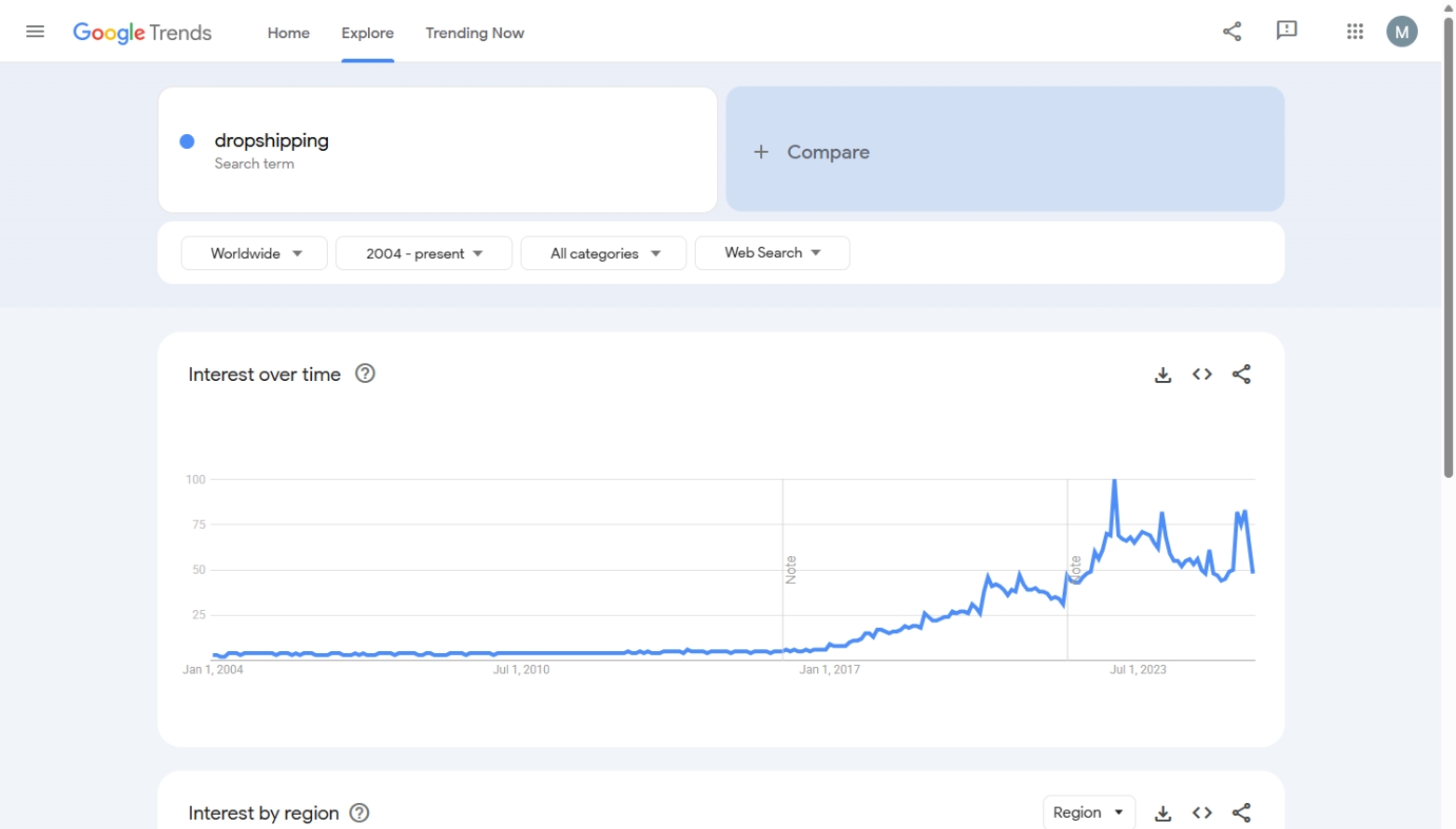
The global dropshipping market is expected to continue growing significantly by 2026, reaching hundreds of billions in value. This growth reflects the rising number of online shoppers worldwide and the increasing popularity of e-commerce. While a larger market means more potential customers and higher demand, it also brings greater competition, making it harder for generic, one-size-fits-all stores to succeed. To thrive, dropshippers need to differentiate their offerings, focus on niche markets, and build strong brand identities.
2. Faster shipping becomes mandatory
In 2026, fast and reliable shipping is no longer optional, it’s a requirement. Customers now expect their orders to arrive quickly, with clear tracking and timely updates. Long overseas delivery windows that were once acceptable are increasingly seen as a major inconvenience, and slow shipping can directly lead to lost sales.
Key points to consider:
- Fast shipping boosts conversion rates and customer satisfaction.
- Slow shipping risks losing customers to competitors.
- Strategic approach: optimize your supply chain for speed, transparency, and reliability.
Dropshipping stores that prioritize speed gain a competitive edge. Partnering with suppliers who have local or regional warehouses can dramatically cut delivery times. Additionally, using real-time tracking tools and providing clear delivery estimates builds trust and improves the overall shopping experience. Some sellers are even adopting hybrid models, combining dropshipping with local fulfillment or inventory, to meet these expectations.
Fast shipping in 2026 is not just a logistic issue, it’s a marketing and trust strategy. Stores that fail to adapt may struggle to retain customers, while those that invest in speed and transparency are likely to see higher retention and repeat purchases.
3. Niche focus & brand identity
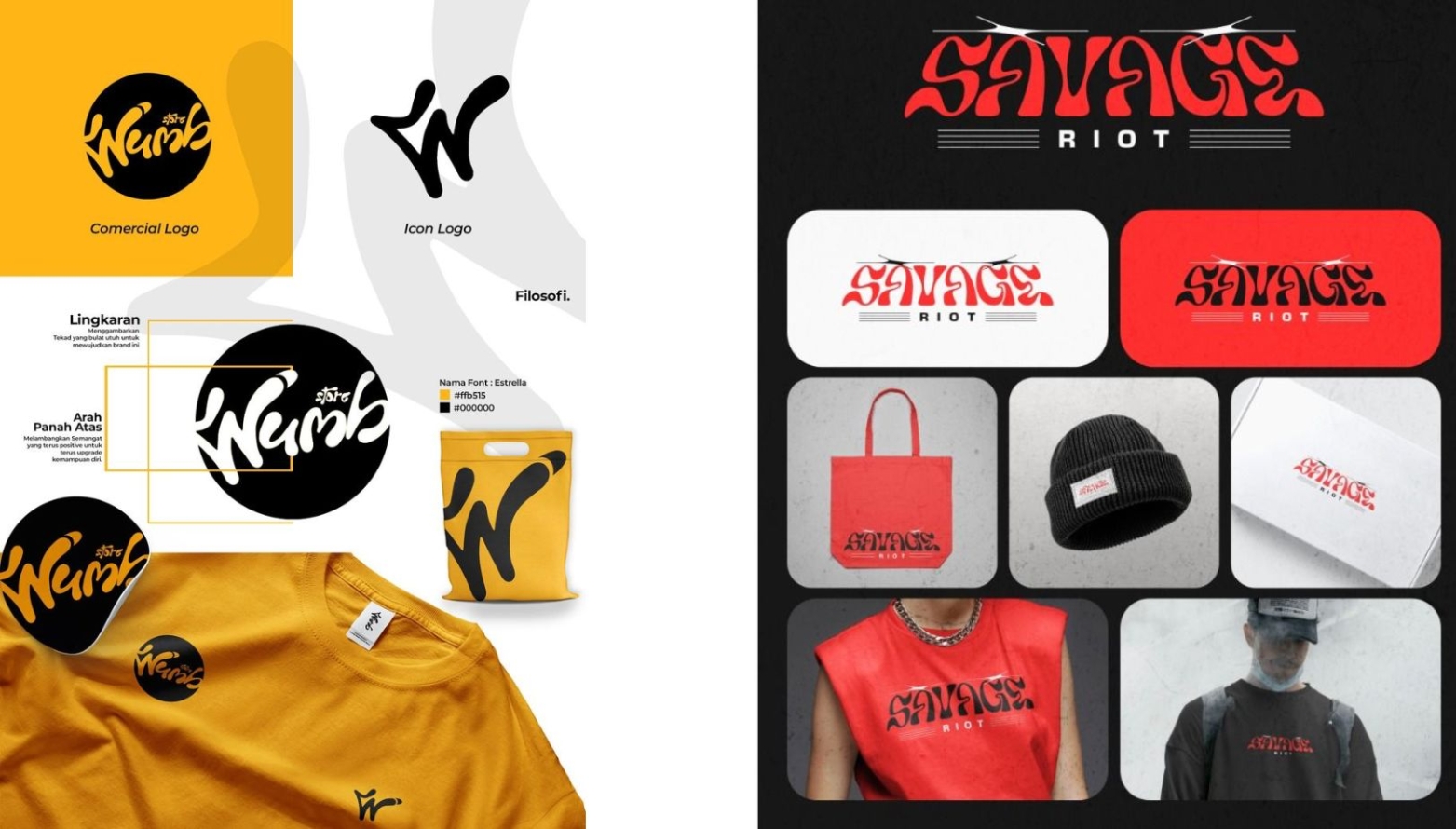
In 2026, dropshipping success increasingly depends on focusing on a specific niche and building a strong brand identity. Customers today prefer stores that speak directly to their needs, rather than general marketplaces with unrelated products. Generic stores struggle to convert visitors into loyal buyers, while specialized stores that understand their audience can stand out and capture attention.
Niche specialization and strong branding are essential for dropshippers. Stores that combine a clear niche with a meaningful brand experience are more likely to increase conversions, retain customers, and succeed in a competitive market.
How to implement niche focus effectively:
- Target one niche deeply, such as pet wellness, eco-friendly home goods, or smart lifestyle products.
- Develop a compelling brand story that connects with customers emotionally, not just through price.
- Research market demand to identify niches with high interest but moderate competition for maximum impact.
Why it matters:
Specialized stores build trust and customer loyalty, creating a long-term competitive advantage in crowded markets. Brand identity and niche focus help customers remember and return to your store, rather than viewing it as just another generic shop.
4. AI and automation driving efficiency and intelligence
In 2026, artificial intelligence has become a foundational part of modern dropshipping operations. AI is no longer a “nice-to-have” tool but a necessity for stores that want to compete effectively. As the market becomes more crowded and customer expectations rise, relying solely on manual processes makes it difficult to scale and react quickly. AI helps automate repetitive tasks while delivering data-driven insights that support smarter and faster decision-making.
- One of the most significant impacts of AI is in product research. Instead of manually searching for winning products, dropshippers can now use AI-powered tools to analyze trends, customer behavior, and market demand in real time. This allows sellers to identify high-potential products earlier, reduce trial-and-error costs, and launch offers with greater confidence.
- AI also plays a critical role in pricing and inventory management. Advanced algorithms can analyze costs, competitor pricing, and demand patterns to suggest optimal price points that protect profit margins. At the same time, AI helps reduce inventory-related issues by forecasting demand and minimizing stock shortages or over-ordering, which is especially valuable for fast-moving products.
- In customer service, AI-powered chatbots and automation tools enable stores to handle large volumes of inquiries efficiently. Routine questions about order status, shipping times, or returns can be resolved instantly, improving response times and customer satisfaction. This allows human support teams to focus on more complex issues that require personalized attention.
- Another key area is marketing automation. AI can generate ad creatives, write product descriptions, optimize email campaigns, and analyze performance data across multiple channels. By continuously learning from user interactions, AI-driven marketing tools help improve targeting, reduce wasted ad spend, and increase conversion rates over time.
Dropshippers who adopt AI and automation gain a strong competitive advantage. They operate with lower overhead, make fewer mistakes, and adapt faster to changing market conditions. More importantly, automation frees up time and resources, allowing store owners to focus on strategic priorities such as brand building, niche positioning, and improving the overall customer experience.
5. Social commerce and short video content dominate
By 2026, shopping is no longer limited to traditional e-commerce websites. Social media platforms have effectively become full-fledged storefronts, where users can discover products, evaluate them, and complete purchases without ever leaving the app. Platforms are driving a major shift in how consumers interact with online brands, with a significant share of purchases happening directly within these ecosystems such as:
- TikTok Shop
- Instagram Reels
- YouTube Shorts
One of the biggest reasons behind this shift is the dominance of short-form video content. Short, real-life videos showcasing products in use consistently outperform static images and text-based ads. These videos feel more authentic, easier to consume, and better aligned with how modern users browse content. For dropshippers, short videos allow products to be demonstrated clearly, highlight real benefits, and quickly capture attention within seconds.

Social commerce also shortens the buying journey. Instead of clicking through multiple pages, customers can move from discovery to checkout almost instantly. Fewer steps mean less friction, which directly improves conversion rates. This seamless path to purchase is particularly effective for impulse-driven products and trending items commonly sold through dropshipping.
Another critical factor is the growing influence of creators, influencers, and user-generated content (UGC). Consumers increasingly trust recommendations from real people more than polished brand advertisements. When influencers or everyday users share genuine experiences with a product, it builds credibility and lowers purchase hesitation. This makes UGC-driven strategies especially powerful for dropshipping brands that want to establish trust quickly.
Challenges You May Face in Dropshipping 2026
While dropshipping still offers opportunities in 2026, it also comes with real challenges that sellers must be prepared to face. As the market matures, the barriers to success are no longer technical, but strategic. Understanding these challenges early helps entrepreneurs avoid common mistakes and build more sustainable businesses.
One of the biggest challenges is increasing competition. As dropshipping becomes more accessible, more sellers enter the market, making it harder for new or generic stores to stand out. Competing purely on price is no longer effective, especially when larger brands and experienced sellers can leverage scale, branding, and faster fulfillment.
Another major issue is rising customer expectations. Shoppers now expect fast shipping, clear tracking, easy returns, and responsive support. Failing to meet these expectations can quickly damage trust and lead to negative reviews. For dropshippers who rely heavily on third-party suppliers, maintaining consistent service quality can be difficult without strong supplier management.
Although dropshipping startup costs can be relatively low thanks to free or all-in-one dropshipping platforms, this does not mean the business is cheap to scale. While setting up an online store and connecting suppliers may require minimal upfront investment, advertising costs often become the biggest financial challenge as the business grows. In 2026, paid traffic is no longer inexpensive, and success in dropshipping increasingly depends on sustained marketing spend rather than just store setup costs.
Another common challenge is limited control over product quality and fulfillment. Because dropshippers do not handle inventory directly, issues such as inconsistent product quality, packaging problems, or shipping delays can occur. These problems often affect the store’s reputation, even when they originate from the supplier.
How to Succeed in Dropshipping in 2026
Succeeding in dropshipping in 2026 requires a more strategic and business-driven approach than in previous years. As the market becomes increasingly competitive and customer expectations continue to rise, simple tactics and short-term strategies are no longer enough. Instead of chasing quick wins, dropshippers must focus on building a strong and sustainable foundation that supports long-term growth. These core elements are shaping the future of dropshipping and are essential for sellers who want to remain competitive and scalable in the years ahead.
Below are the key areas dropshippers need to focus on:
- Product selection: Focus on products with real demand and manageable competition.
- Branding: Build a clear brand identity to stand out and earn customer trust.
- Technology: Use AI and automation to improve efficiency and scalability.
- Data-driven decisions: Optimize pricing, marketing, and growth based on performance data.
One of the most important factors is choosing the right niche and products. Successful dropshippers focus on niches with clear demand but relatively low competition, rather than saturated product categories. A strong niche allows you to understand your target audience deeply, tailor your messaging, and position your products as solutions to specific problems. This makes it easier to attract qualified traffic and improve conversion rates.
At the heart of successful dropshipping in 2026 is differentiation through brand and customer trust. With low entry barriers and intense competition, products and platforms alone are no longer enough. Sellers who win are those who clearly differentiate their stores by building a recognizable brand, delivering consistent customer experiences, and earning long-term trust.
Modern dropshipping business also depends heavily on advanced marketing tools and platforms. Leveraging AI and automation helps streamline tasks such as product research, ad creation, email marketing, and customer support.
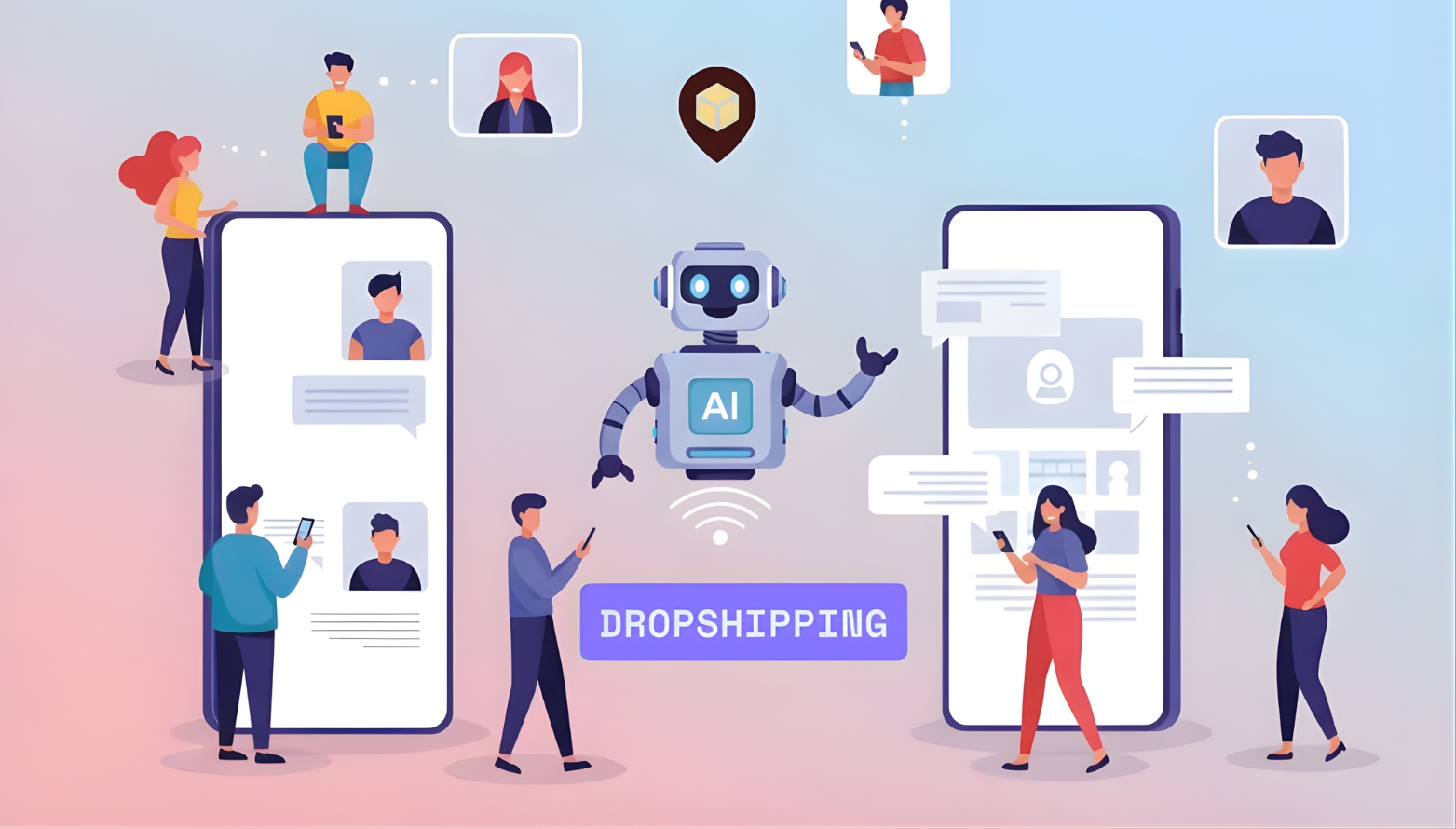
At the same time, social commerce has become a core growth channel for dropshipping, playing a key role in both product discovery and direct sales. In the coming years, dropshippers who can adapt to these platforms and create engaging short-form video content will gain a clear competitive advantage.
Social commerce channels with strong growth potential for dropshipping include:
- TikTok Shop
- Instagram Shop (Reels + Checkout)
- YouTube Shorts + Shopping
- Facebook Shops
- Pinterest Shopping
These platforms shorten the customer journey by allowing users to discover, evaluate, and purchase products without leaving the app, making social commerce a powerful engine for future dropshipping growth.
Effective supplier and logistics management plays a crucial role in long-term success. Working with reliable suppliers, ensuring consistent product quality, and offering fast, trackable shipping are now baseline expectations.
- Supplier and logistics management is essential for long-term dropshippin
- Reliable suppliers are a baseline requirement, not a competitive advantage.
- Consistent product quality and packaging
- Fast and trackable
- Clear delivery timelines and real-time tracking reduce complain
- Hybrid models combining dropshipping with local or regional fulfillment are becoming mor
- Shorter delivery times lead to higher customer satisfaction and repeat purchases.
Is Dropshipping Worth It in 2026?
Whether dropshipping is worth starting in 2026 depends on how it is approached. The model still offers clear advantages, but it also comes with higher risks and stricter requirements than in previous years.
Dropshipping is no longer a shortcut to quick profits, but it remains a viable business model for those willing to adapt to market changes and build long-term value.
| Benefits | Risks |
|---|---|
|
|
When weighing both sides, the conclusion is clear: dropshipping is worth it in 2026 only for sellers who treat it as a real business. Success now depends on niche focus, brand differentiation, efficient operations, and data-driven decision making. Those who invest time in learning, testing, and optimization can still build profitable and scalable stores.
Alternatives to Dropshipping
While dropshipping remains a popular e-commerce model, it is not the only option available in 2026. Depending on your budget, risk tolerance, and long-term goals, several alternative business models may be more suitable. Understanding these alternatives helps you choose the right path instead of forcing dropshipping in situations where it may not be the best fit.
1. Print on Demand (POD)
Print on Demand allows you to sell custom-designed products such as apparel, mugs, and accessories without holding inventory. Products are printed only after an order is placed, reducing upfront risk while giving you more control over branding and design.
Best for: creators, designers, and brand-focused sellers.
2. Amazon FBA
Amazon FBA enables sellers to send inventory to Amazon warehouses, where Amazon handles storage, shipping, and customer service. This model offers fast delivery and high trust but requires upfront investment and tighter margins due to fees.
Best for: sellers with capital who want scale and operational simplicity.
3. Wholesale and Private Label
Wholesale and private label models involve buying products in bulk and selling them under your own brand. While this requires higher upfront costs, it offers better profit margins, stronger brand control, and long-term scalability.
Best for: sellers aiming to build a long-term brand with higher margins.
4. Hybrid Models
Many successful sellers combine dropshipping with local fulfillment, private label, or POD. Hybrid models reduce shipping times, improve reliability, and allow gradual scaling without committing fully to one model.
Best for: sellers who want flexibility and risk control.
Conclusion
Dropshipping in 2026 is neither a shortcut to quick profits nor a model that is no longer relevant. It has evolved into a more competitive and professional form of e-commerce that rewards strategy, execution, and long-term thinking. Sellers who rely on outdated tactics or generic products will find it difficult to compete, while those who adapt to new technologies, changing customer expectations, and platform-driven commerce can still succeed.