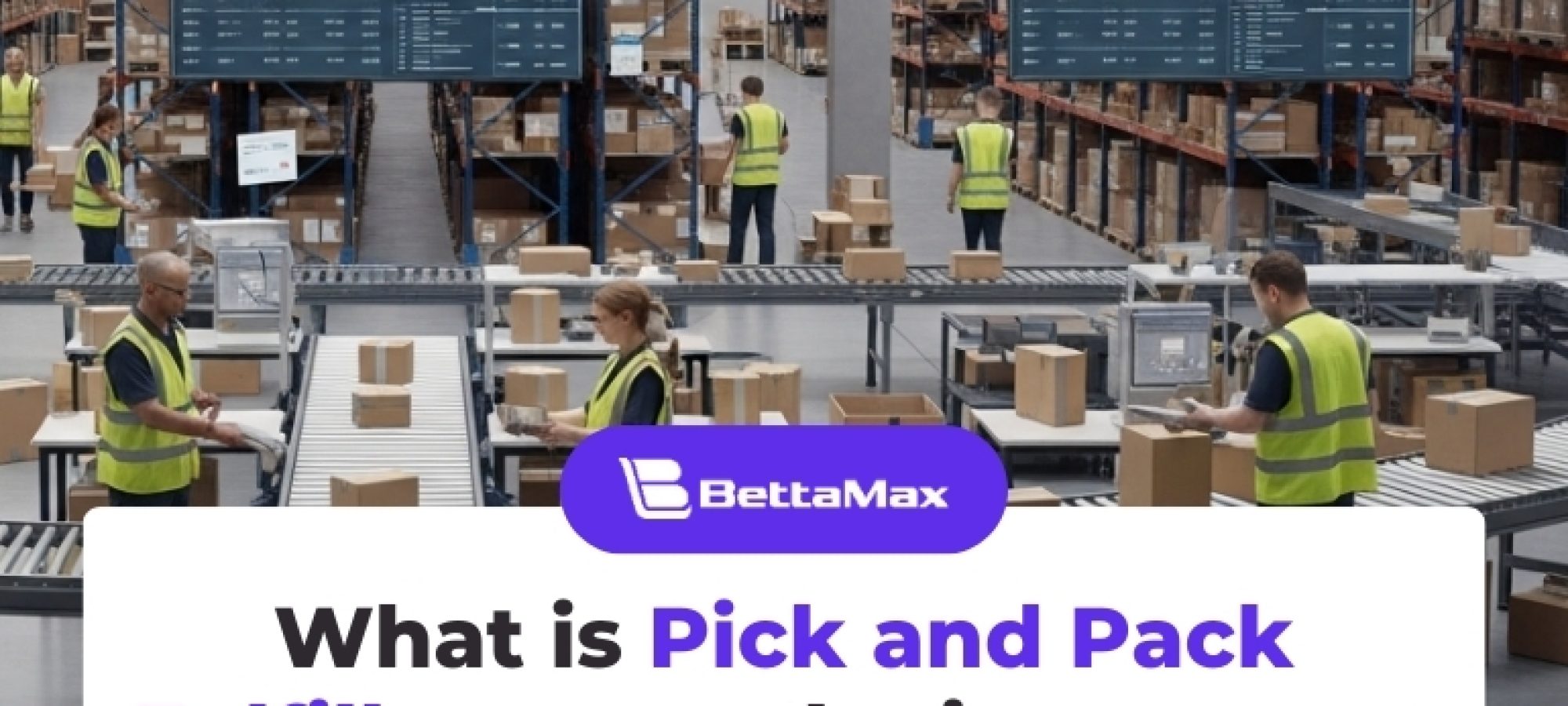

As ecommerce continues to scale globally, the ability to process orders quickly and accurately has become a defining factor of operational success. Behind every on-time delivery is a structured warehouse workflow known as pick and pack fulfillment. Understanding what it is and how it works allows ecommerce businesses to optimize fulfillment costs, improve customer satisfaction, and scale sustainably.
This guide explains what is pick and pack fulfillment, why it matters to ecommerce sellers, how the process works, which strategies deliver the best results, and how to choose the right pick and pack fulfillment partner.
What is Pick and Pack Fulfillment?
Pick and pack fulfillment is the warehouse process of retrieving ordered products from inventory locations (picking) and preparing them for shipment by securely packaging them (packing). This process takes place inside a pick and pack fulfillment center or a third-party logistics (3PL) warehouse.

In modern ecommerce operations, pick and pack fulfillment is managed through a Warehouse Management System (WMS). The system translates customer orders into warehouse tasks, guides staff through optimized picking routes, verifies item accuracy through scanning, and ensures each order is packed and shipped correctly.
For ecommerce businesses handling multiple SKUs, high order volumes, or fast shipping expectations, pick and pack fulfillment is not just an operational task but a core component of customer experience and cost efficiency.
6 reasons why an effective Pick and Pack Fulfillment is important to Ecommerce Sellers
An effective pick and pack fulfillment operation directly impacts how well an ecommerce business performs in a competitive market. Poor execution leads to delays, errors, and dissatisfied customers, while a well-optimized system creates consistency and scalability.
Enhances Order Accuracy
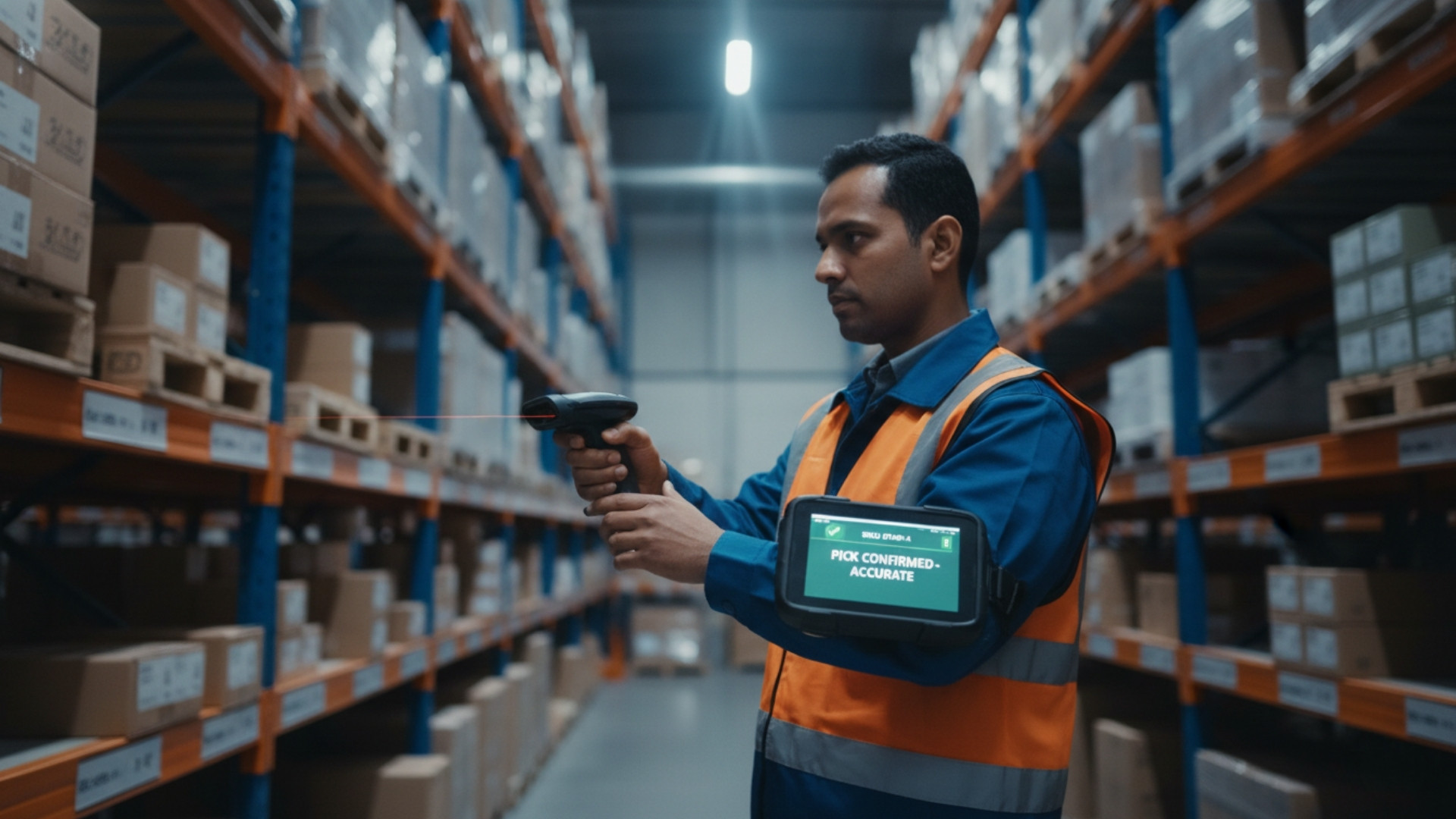
Accuracy is the foundation of customer trust. A structured pick and pack fulfillment process minimizes fulfillment errors by verifying each item during picking and packing. WMS-supported scanning and order validation ensure customers receive exactly what they ordered, reducing returns and support costs.
Speeds Up Delivery Times
Fast order processing begins in the warehouse. Efficient picking routes, intelligent order prioritization, and streamlined packing stations significantly reduce order handling time. This enables ecommerce sellers to meet same-day or next-day dispatch expectations without increasing labor pressure.
Reduces Operational Costs
Inefficient fulfillment increases labor hours, packaging waste, and shipping expenses. An optimized pick and pack workflow lowers these costs by improving productivity, selecting appropriate packaging, and reducing re-shipments caused by errors.
Improves Customer Satisfaction
Customers rarely see warehouse operations, but they immediately feel the outcome. Accurate orders, secure packaging, and on-time delivery result in positive unboxing experiences and repeat purchases. Consistent pick and pack fulfillment strengthens brand reliability and customer loyalty.
Enables Better Inventory Control
Every picking action updates inventory levels in real time. This visibility helps ecommerce sellers avoid overselling, plan replenishment accurately, and synchronize inventory across multiple sales channels.

Scales With Business Growth and Frees Up Focus
As order volume grows, a scalable pick and pack fulfillment system absorbs demand fluctuations without service disruption. By outsourcing fulfillment, ecommerce businesses can focus on product development, marketing, and strategic growth rather than daily warehouse management.
5 Steps in the Pick and Pack Fulfillment Process
Pick and pack fulfillment follows a structured sequence designed to move orders from checkout to delivery efficiently and accurately.
Order Receiving
The process begins when a customer places an order on an ecommerce platform or marketplace. The WMS receives the order instantly, assigns a unique identifier, and prioritizes it based on shipping method, delivery deadline, or service level agreement.
Order Picking
Warehouse staff retrieve items from storage locations using optimized paths generated by the WMS. Advanced pick and pack fulfillment centers may use barcode scanning, voice-directed picking, or light-guided systems to increase speed and accuracy while updating inventory levels in real time.

Order Packing
After picking, items move to packing stations where appropriate packaging materials are selected based on product size, weight, and fragility. The pack fulfillment team secures items for transit and includes packing slips or return documentation to support post-purchase processes.
Order Shipping
Shipping labels are generated automatically by the WMS, which selects the most cost-effective carrier based on destination, weight, and delivery speed. Orders are handed over to carriers, and tracking information is shared with customers.
Inventory Update
Once the order is shipped, inventory data is updated across all connected systems. This ensures accurate stock visibility and supports ongoing demand planning and order forecasting.
Tips to choose a Pick and Pack Fulfillment partner
Selecting the right pick and pack fulfillment services provider has a long-term impact on cost structure and customer experience. A reliable pick and pack fulfillment center should align with both operational and strategic goals.
Evaluate Service Scope and Fulfillment Capabilities
When choosing a fulfillment partner, it is important to assess whether their service offerings match your business needs. A reliable provider should cover core services such as picking, packing, inventory management, order tracking, and returns handling. In addition, value-added services like kitting, customized packaging, and branded inserts can help improve operational efficiency and enhance customer experience as your business scales.
Review Pricing Structure and Cost Transparency
Pricing transparency is a critical factor in evaluating pick and pack fulfillment services. A trustworthy fulfillment partner provides a clear breakdown of pick and pack fees, storage costs, packaging charges, and shipping rates. Understanding how costs change with order volume helps prevent unexpected expenses and allows ecommerce businesses to forecast fulfillment costs accurately as sales grow.
Assess Systems Integration and Technology
Strong system integration is essential for efficient fulfillment operations. Your pick and pack fulfillment center should integrate seamlessly with ecommerce platforms, online marketplaces, and order management systems. Real-time data synchronization ensures accurate inventory visibility, smooth order flow, and full performance transparency across all sales channels.

Top Pick and Pack Strategies Every Business Should Know
Applying the right pick and pack strategies is critical for maintaining efficiency as order complexity grows. Successful fulfillment operations adjust their strategies based on order profiles, SKU variety, and warehouse layout.
Picking Strategies
Piece picking involves completing one order at a time and is suitable for low-volume operations or high-value items requiring careful handling. However, it becomes inefficient at scale due to excessive travel time.
Batch picking allows staff to pick items for multiple orders in one trip. This strategy improves productivity for ecommerce sellers with many small, similar orders but requires careful sorting during packing.
Zone picking divides the warehouse into sections, assigning pickers to specific zones. Orders move between zones until complete, reducing congestion and improving speed in large fulfillment centers.
Wave picking releases orders in scheduled waves aligned with shipping deadlines. This strategy is effective for meeting carrier cut-off times and managing high daily order volumes.
Packing Strategies
Kitting combines multiple SKUs into a single package, improving efficiency for bundles and subscription products.

Cartonization uses data to select the most efficient box size for each order, reducing shipping costs and material waste.
Branded packaging transforms fulfillment into a branding opportunity by enhancing the unboxing experience, which can increase customer retention and brand recognition.
Pick and Pack Fulfillment FAQs
When Should You Outsource Your Pick and Pack Fulfillment?
Outsourcing becomes beneficial when order volume increases, fulfillment errors rise, warehouse space becomes limited, or shipping costs grow disproportionately to revenue.
What Is Amazon Pick and Pack Fee?
Amazon pick and pack fees are part of Fulfillment by Amazon (FBA) pricing. These fees cover picking, packing, and shipping and vary based on product size, weight, and category.
What Is Amazon Pick and Pack?
Amazon pick and pack refers to Amazon’s internal fulfillment process in which FBA warehouses pick items from inventory and pack them for customer delivery.
What Is Pick and Pack Fulfillment in Europe?
Pick and pack fulfillment in Europe follows the same operational principles but must comply with EU regulations related to VAT, customs, and cross-border shipping. Many sellers use regional fulfillment centers to reduce delivery times across European markets.
Conclusion
Understanding what is pick and pack fulfillment helps ecommerce businesses build faster, more accurate, and more scalable fulfillment operations. Whether managed in-house or through a professional pick and pack fulfillment center, this process directly influences customer satisfaction and long-term growth.
With the right pick and pack fulfillment services, ecommerce sellers can streamline operations, control costs, and deliver consistent customer experiences. Bettamax supports businesses with scalable fulfillment solutions designed to grow alongside your ecommerce operations.